









Gesunde Zuckerersatzstoffe punkten neben einem süßen Geschmack mit diversen gesundheitlichen Vorteilen. Die bekanntesten und vermutlich am häufigsten verwendeten Zuckeralternativen sind folgende:
Stevia
- Herkunft: pflanzlich, aus den Blättern der Stevia-Pflanze
- Vorteile: absolut kalorienfrei
- Verwendung: ideal zum Backen und Süßen von Getränken
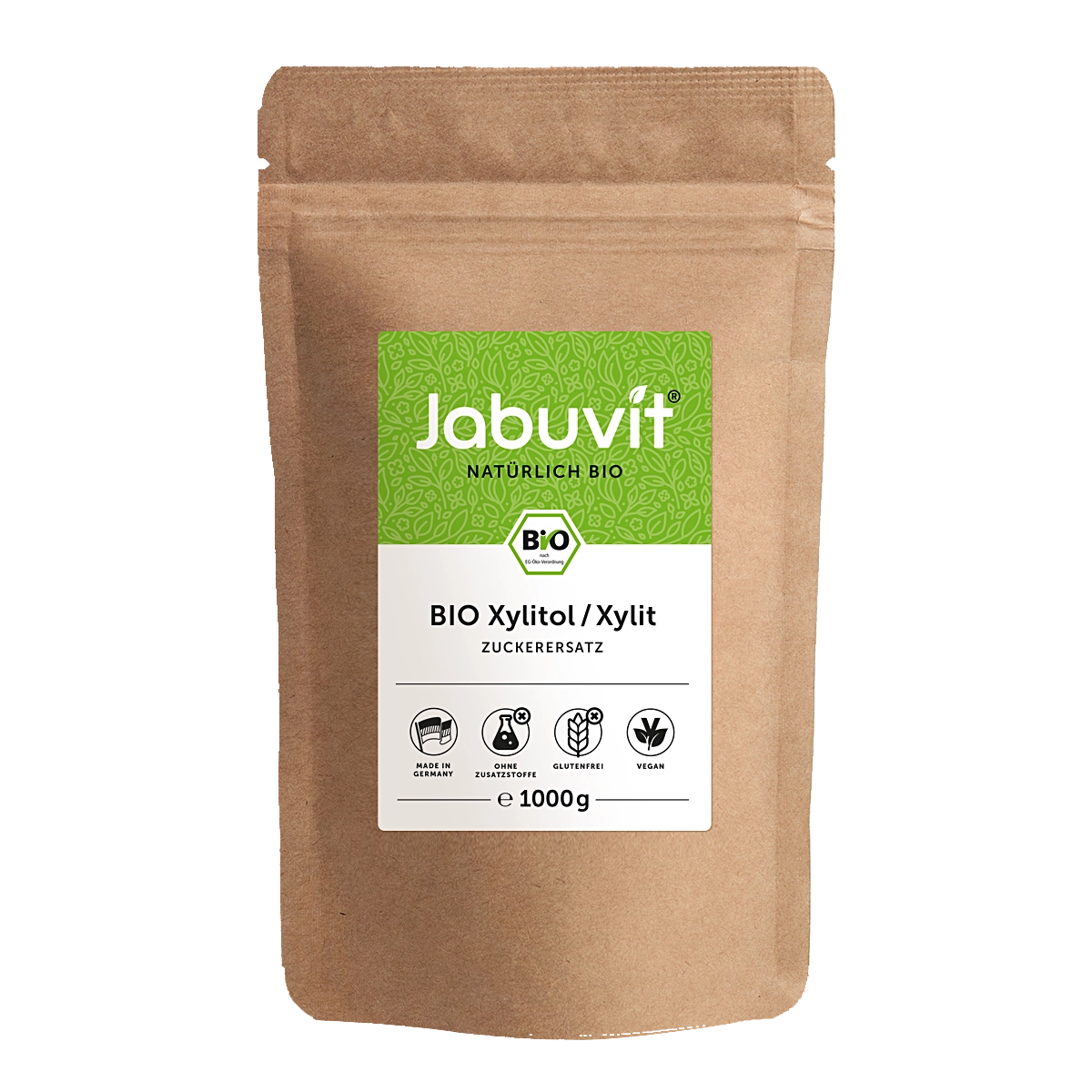
Xylit
- Herkunft: natürlicher Zuckeralkohol, oft aus Birkenrinde gewonnen
- Vorteile: 40 % weniger Kalorien als Zucker
- Verwendung: als Zuckeralternative in Rezepten
Erythrit
- Herkunft: natürlicher Zuckeralkohol aus Früchten und fermentierten Lebensmitteln
- Vorteile: absolut kalorienfrei
- Verwendung: ideale Alternative zu normalem Zucker
Agavendicksaft
- Herkunft: pflanzlich, aus dem Saft der Agave
- Vorteile: niedriger glykämischer Index, süßer als Zucker
- Verwendung: perfekt zum Süßen von Desserts und Getränken
Kokosblütenzucker
- Herkunft: pflanzlich, aus dem Nektar der Kokospalme
- Vorteile: wichtige Spurenelemente, niedrigerer glykämischer Index als Zucker
- Verwendung: gut zum Backen oder als Streuzucker
Overview
Die Entscheidung für natürlichen Zuckerersatz kann einen großen Unterschied für deine Gesundheit machen. Unsere gesunden Zuckeralternativen bieten dir eine Reihe von Vorteilen, die zu deinem gesunden Lebensstil passen:
Stevia und Xylit sind besonders gut für Menschen geeignet, die eine kalorienarme Ernährung anstreben.
Erythrit ist eine exzellente Wahl für kalorienarme Rezepte und sorgt dafür, dass du ohne Reue genießen kannst.
Agavendicksaft bietet eine natürliche Süße, die sich hervorragend in Tees, Smoothies und als Sirup-Ersatz eignet.
Viele Menschen fragen sich, wie sie Zuckerersatz beim Backen verwenden können, ohne dabei Geschmack oder Textur einzubüßen. Profi-Tipp: Es kommt auf die korrekte Dosierung des richtigen Zuckerersatzstoffes an:
Stevia kann in vielen Rezepten den Zucker vollständig ersetzen. Allerdings musst du die Menge anpassen, da Stevia viel süßer als Zucker ist.
Xylit und Erythrit lassen sich im Verhältnis 1:1 wie Zucker verwenden, wobei Erythrit in manchen Fällen einen charakteristischen Nachgeschmack hinterlässt.
Agavendicksaft eignet sich besonders gut für Rezepte, die Flüssigkeit enthalten. Dazu zählen zum Beispiel Kuchen oder Muffins.
Für Diabetiker ist es entscheidend, einen Zuckerersatz zu wählen, der den Blutzuckerspiegel nicht allzu stark beeinflusst. Dank der Alternativen zu herkömmlichen Zucker müssen auch Diabetiker nicht auf den süßen Geschmack leckerer Backwaren und gesunder Smoothies verzichten.
|
Zuckerersatz |
Kaloriengehalt |
Glykämischer Index |
Vorteile |
Verwendung |
|
Stevia |
0 kcal |
0 |
kalorienfrei |
Backen, Getränke |
|
Xylit |
240 kcal/100 g |
7 |
zahnfreundlicher als Zucker, 40 % weniger Kalorien |
Backen, Getränke |
|
Erythrit |
0 kcal |
0 |
kalorienfrei, zahnfreundlicher als Zucker |
Backen, Getränke |
|
Agavendicksaft |
310 kcal/100 g |
15 |
niedriger glykämischer Index |
Desserts, Getränke |
|
Kokosblütenzucker |
380 kcal/100 g |
54 |
enthält Spurenelemente, niedriger GI |
Backen, Streuzucker |
|
Haushaltszucker |
387 kcal /100 g |
65 |
|
|
Eine gesunde Ernährung ist der Schlüssel zu einem erfolgreichen Training und einer effektiven Diät. Zuckerersatz hilft dir dabei, unnötige Kalorien zu vermeiden, ohne auf süßen Geschmack verzichten zu müssen. Beim Backen, in Shakes oder im morgendlichen Kaffee bieten Zuckerersatzstoffe dir die Chance, deine Ernährung zu optimieren. Besonders Erythrit, Stevia und Xylit eignen sich ideal für Sportler, die sich in einem Kaloriendefizit befinden und abnehmen möchten.
✓ Gesunde Alternativen: Zuckerersatzstoffe können eine süße und gesunde Alternative zu herkömmlichem Zucker bieten.
✓ Vielseitige Anwendung: ideal zum Backen, Kochen und für den täglichen Gebrauch, besonders während der Diätphase.
✓ Diabetikerfreundlich: Viele Zuckerersatzstoffe beeinflussen den Blutzuckerspiegel kaum und sind somit diabetikerfreundlich.
✓ Breite Auswahl: Von Stevia bis Erythrit – es gibt zahlreiche Optionen für jeden Geschmack und Bedarf.
Was ist der beste Zuckerersatz zum Backen? Stevia und Xylit sind hervorragend zum Backen geeignet, da sie sich leicht dosieren lassen und auch mit den meisten anderen Zutaten gut harmonieren.
Kann Zuckerersatz von Diabetikern verwendet werden? Ja, viele Zuckerersatzstoffe sind diabetikerfreundlich, da sie den Blutzuckerspiegel kaum beeinflussen und die Insulinausschüttung nicht durcheinanderbringen.
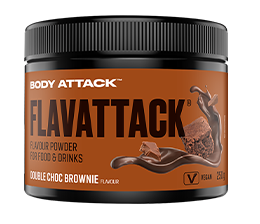
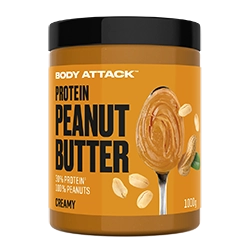
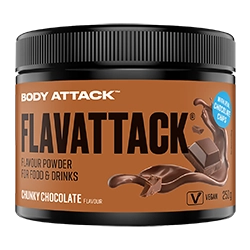
Wo kann ich Zuckerersatz kaufen? In unserem Online-Shop von BODY ATTACK findest du zahlreiche Zuckersatzstoffe und gesündere Alternativen zum herkömmlichen Haushaltszucker.
Ist Zuckerersatz gesünder als Zucker? Viele Zuckerersatzstoffe haben weniger Kalorien und einen geringeren Einfluss auf den Blutzuckerspiegel, was sie zu einer gesünderen Wahl machen kann.
Die meisten Zuckerersatzstoffe können im Verhältnis 1:1 wie Zucker verwendet werden. Bei Stevia solltest du jedoch unbedingt die Menge anpassen, da es viel süßer als normaler Zucker ist.