
















5 Articles
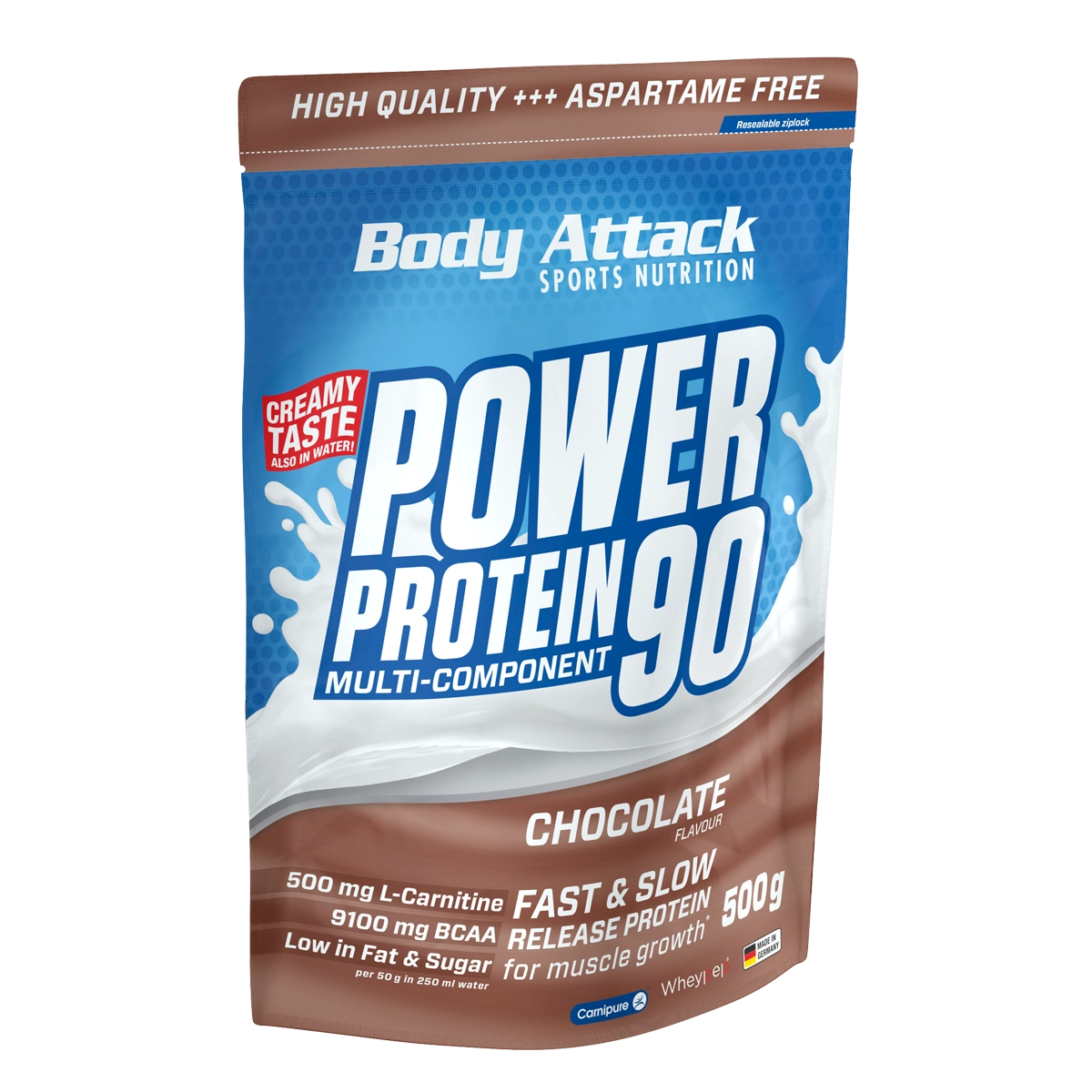
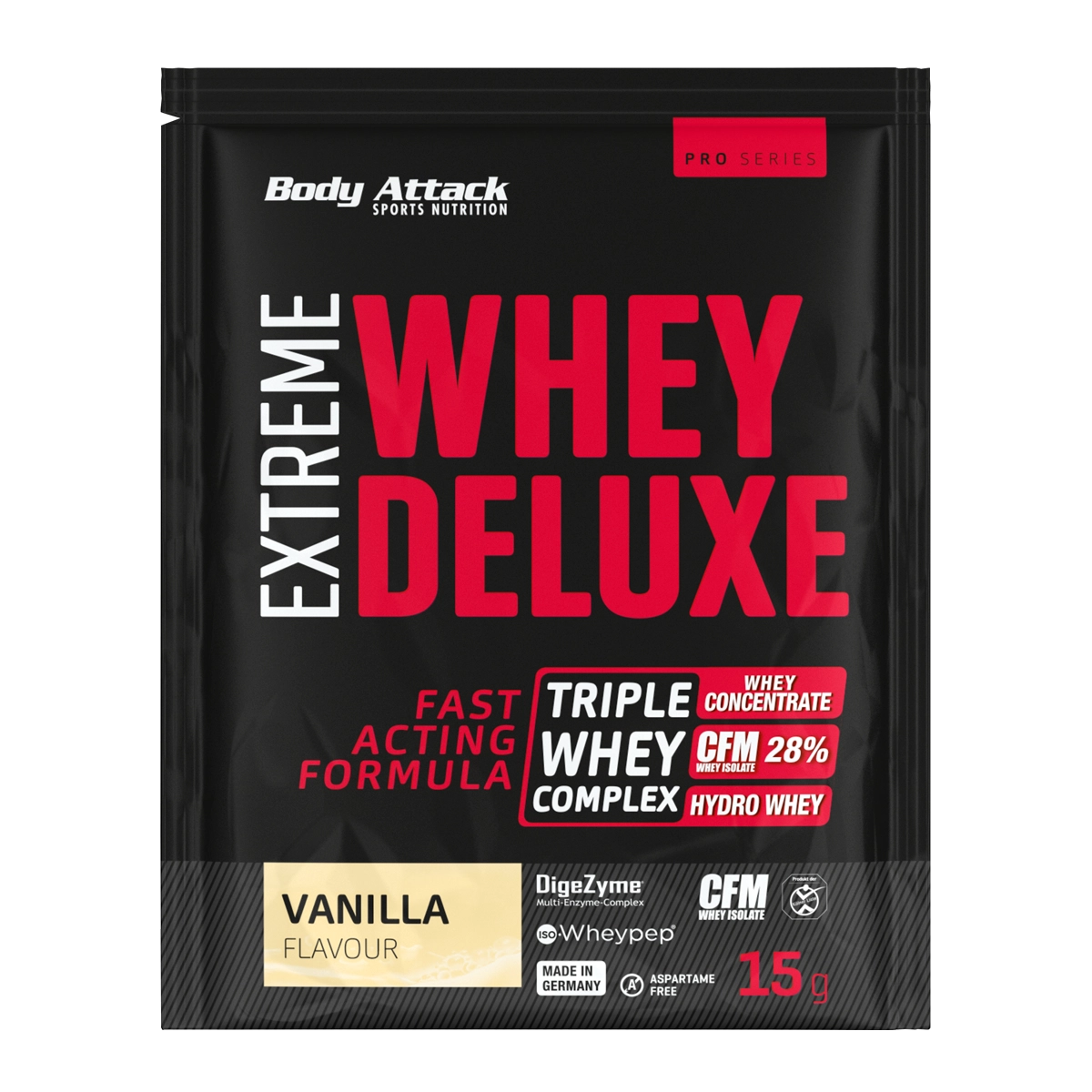
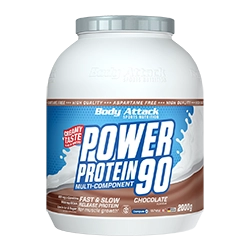
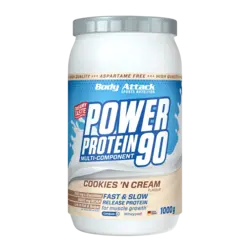
Ein Mehrkomponenten-Protein besteht aus verschiedenen Proteinquellen. Dieses Nahrungsergänzungsmittel vereint in sich die Vorzüge jeder Quelle, ist sehr vielseitig und hat eine hohe biologische Wertigkeit. Mehrkomponenten Protein besteht meist aus der Kombination von Molkenprotein, Milchprotein und Hühnerei-Eiweiß.
Overview
Als Nahrungsergänzungsmittel versorgt das Mehrkomponenten Protein den menschlichen Organismus mit Eiweiß. Dieses wird für verschiedene Stoffwechselprozesse benötigt und ist ein wichtiger Aufbaustoff im Körper. Die Proteine tragen zum Erhalt und zum Aufbau von Muskelmasse bei.
Eiweiß ist neben Kohlenhydraten und Fetten ein Nährstoff, der zu 100 % Energie liefert. Dabei gilt, dass 1 g Eiweiß etwa 4 Kilokalorien liefert. Die Proteine sind aus Aminosäuren aufgebaut, die komplex verkettet sind. Der Organismus benötigt einige Zeit, um diese zu zerlegen und neu - entsprechend den Anforderungen - zu strukturieren. Jedes Protein hat eine eigene Aminosäurenstruktur, die ausschlaggebend ist für die biologische Wertigkeit. Durch die Kombination der unterschiedlichen Proteine, also als Mehrkomponenten Eiweiß, wird dieser Wert verbessert!
Es gibt zwanzig verschiedene Aminosäuren, die der Organismus für seine biochemischen Prozesse benötigt. Acht von den Aminosäuren sind essenziell, das heißt, sie müssen über die Nahrung aufgenommen werden, da der Köper sie nicht aus anderen Stoffen synthetisieren kann. Es handelt sich hierbei um Isoleucin, Leucin, Lysin, Methionin, Phenylalanin, Threonin, Tryptophan und Valin. Zu den semi-essentiellen, diese werden nur in bestimmten Phasen benötigt, gehören Histidin und Arginin. Diese werden unter anderem zum Wachstum, zur Genesung oder bei intensiver körperlicher Anstrengung benötigt. Lebensmittel wie Milchprodukte, Nüsse, Geflügel, Fisch und Fleisch sind gute Eiweiß-Lieferanten. Mit einem Mehrkomponenten Protein kann der Bedarf ebenfalls gedeckt werden!
Eiweiß ist neben Kohlenhydraten und Fetten ein Nährstoff, der zu 100 % Energie liefert. Dabei gilt, dass 1 g Eiweiß etwa 4 Kilokalorien liefert. Die Proteine sind aus Aminosäuren aufgebaut, die komplex verkettet sind. Der Organismus benötigt einige Zeit, um diese zu zerlegen und neu - entsprechend den Anforderungen - zu strukturieren. Jedes Protein hat eine eigene Aminosäurenstruktur, die ausschlaggebend ist für die biologische Wertigkeit. Durch die Kombination der unterschiedlichen Proteine, also als Mehrkomponenten Eiweiß, wird dieser Wert verbessert!
Es gibt zwanzig verschiedene Aminosäuren, die der Organismus für seine biochemischen Prozesse benötigt. Acht von den Aminosäuren sind essenziell, das heißt, sie müssen über die Nahrung aufgenommen werden, da der Köper sie nicht aus anderen Stoffen synthetisieren kann. Es handelt sich hierbei um Isoleucin, Leucin, Lysin, Methionin, Phenylalanin, Threonin, Tryptophan und Valin. Zu den semi-essentiellen, diese werden nur in bestimmten Phasen benötigt, gehören Histidin und Arginin. Diese werden unter anderem zum Wachstum, zur Genesung oder bei intensiver körperlicher Anstrengung benötigt. Lebensmittel wie Milchprodukte, Nüsse, Geflügel, Fisch und Fleisch sind gute Eiweiß-Lieferanten. Mit einem Mehrkomponenten Protein kann der Bedarf ebenfalls gedeckt werden!
Es gibt verschiedene Produkte, die Mehrkomponenten-Protein beinhalten. Sie enthalten darüber hinaus auch Vitamine wie die der B-Gruppe, C und E sowie die Mineralstoffe Kalzium und Phosphor. Diese sind für den Körper essenziell und werden für verschiedene Stoffwechselprozesse benötigt. So trägt beispielsweise Kalzium zu einer normalen Funktion der Muskeln, der Blutgerinnung und zu einer normalen Funktion der Verdauungsenzyme bei. Außerdem wird es für die Erhaltung der Knochen und der Zähne benötigt. Das Vitamin B 6 wird auch als Manager der Proteine bezeichnet, da es zu einem normalen Eiweiß- und Glykogenstoffwechsel beiträgt. Die Inhaltsstoffe des jeweiligen Mehrkomponenten Proteins sind abhängig vom ausgewählten Produkt.
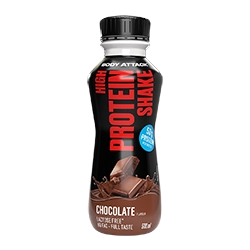
Das Mehrkomponenten Protein bieten wir dir als Pulver, aus dem ein Getränk hergestellt wird, oder als fertigen Shake. Abhängig von den persönlichen Bedürfnissen kann das geeignete Mehrkomponenten Eiweiß ausgewählt werden. Generell sollte die empfohlene Tagesverzehrmenge des Nahrungsergänzungsmittels nicht überschritten werden. Bei der Zubereitung die Verzehrempfehlung des Herstellers beachten.
Hinter dem Mehrkomponenten Protein steckt die Idee, die unterschiedlichen Wirkungen verschiedener Proteinquellen für sportliche Leistungen zu nutzen. Ein Mehrkomponenten-Protein kann sich aus Molke-, Milch- und Hühnereieiweiß sowie Sojaeiweiß zusammensetzen. Diese Kombination ist besonders für das Ziel, Muskeln aufzubauen, effektiv.
Molkeneiweiße, auch Whey Proteine genannt, sind leicht verdaulich. Im Körper wirken sie innerhalb kürzester Zeit. Diese Eiweiße sind reichhaltig an sogenannten BCAA. Ein einfacher Whey-Protein-Shake braucht etwa eine halbe Stunde, um den Aminosäurespiegel im Körper auf sein Maximum zu heben. Die zugeführten Eiweiße – ob einzeln oder verarbeitet im Mehrkomponenten-Protein Produkt - gelangen demnach sehr schnell in den Blutkreislauf.
Milcheiweiße, auch Casein Proteine genannt, werden nur sehr langsam, dafür aber kontinuierlich verwertet. Erst nach drei bis vier Stunden erreicht der Aminosäurespiegel sein Maximum. Durch diese langsame Aufnahme ist der Körper aber auch über mehrere Stunden optimal mit Eiweißen versorgt. Casein wird gerne vor dem Schlafengehen als sogenanntes Night-Time-Protein eingenommen.
Hühnereieiweiße, auch Egg Proteine genannt, sind ähnlich leicht verdaulich wie Molkeneiweiße und verfügen ferner über einen Proteinanteil von rund 80 Prozent. Damit sind sie eine wertvolle Ergänzung in jedem Mehrkomponenten Protein.
Soja Proteine sind pflanzliche Eiweiße. Sie werden aus Sojabohnen gewonnen und sind frei von Milchzucker (Laktose). Der Kohlenhydrat- und Fettanteil ist verschwindend gering. Soja Protein ist trotz seiner pflanzlichen Herkunft ein vergleichsweise hochwertiges veganes Protein mit einem hohen Proteinanteil. Vor allem von Vegetariern und Veganern wird es daher gerne eingesetzt.
Molkeneiweiß
Milcheiweiß
Hühnereiweiß
Soja Protein
Welche Rolle spielt die biologische Wertigkeit? Wie der Name bereits verrät, vereint ein Mehrkomponenten Protein mehrere Eiweißarten miteinander. Die biologische Wertigkeit ist entsprechend hoch!
Die biologische Wertigkeit gibt an, wie gut Nahrungsproteine in Körperproteine umgewandelt werden können. Je höher der Wert, desto besser die Umwandlungsrate.
Das Maß der biologischen Wertigkeit steht in einem direkten Zusammenhang zum Anteil der essentiellen Aminosäuren. Da die einzelnen Eiweißkomponenten im Mehrkomponenten Protein über unterschiedliche Aminosäureprofile verfügen, ist die Summe der Proteinbausteine beim Mehrkomponenten Protein entsprechend hoch. Und da die einzelnen Proteinkomponenten über ein unterschiedliches Aminosäure-Profil verfügen, verbessert die Kombination die biologische Wertigkeit.
Die biologische Wertigkeit gibt an, wie gut Nahrungsproteine in Körperproteine umgewandelt werden können. Je höher der Wert, desto besser die Umwandlungsrate.
Das Maß der biologischen Wertigkeit steht in einem direkten Zusammenhang zum Anteil der essentiellen Aminosäuren. Da die einzelnen Eiweißkomponenten im Mehrkomponenten Protein über unterschiedliche Aminosäureprofile verfügen, ist die Summe der Proteinbausteine beim Mehrkomponenten Protein entsprechend hoch. Und da die einzelnen Proteinkomponenten über ein unterschiedliches Aminosäure-Profil verfügen, verbessert die Kombination die biologische Wertigkeit.
Von Ausdauersportler bis Bodybuilder: Wer Zeit und Geld sparen möchte bei maximaler Wirkung, der setzt auf Mehrkomponenten-Protein! Bereits im perfekten Verhältnis zusammengemischt vereinen sich hier die besten Eiweiße mit ihren unterschiedlichen Benefits. So erhältst du mit nur einem Pulver oder fertigem Shake den maximalen Boost an Protein und Aminosäure für dein Workout.
Dank des niedrigen Kohlenhydrat-Gehalts eignet sich Mehrkomponenten Eiweiß auch für die Diätphase und kann am besten zwischendurch oder abends vor dem Zubettgehen konsumiert werden. Mische dein liebstes Mehrkomponenten Protein von BODY ATTACK mit Milch oder Wasser – du hast die Wahl!
Dank des niedrigen Kohlenhydrat-Gehalts eignet sich Mehrkomponenten Eiweiß auch für die Diätphase und kann am besten zwischendurch oder abends vor dem Zubettgehen konsumiert werden. Mische dein liebstes Mehrkomponenten Protein von BODY ATTACK mit Milch oder Wasser – du hast die Wahl!