



























11 Articles
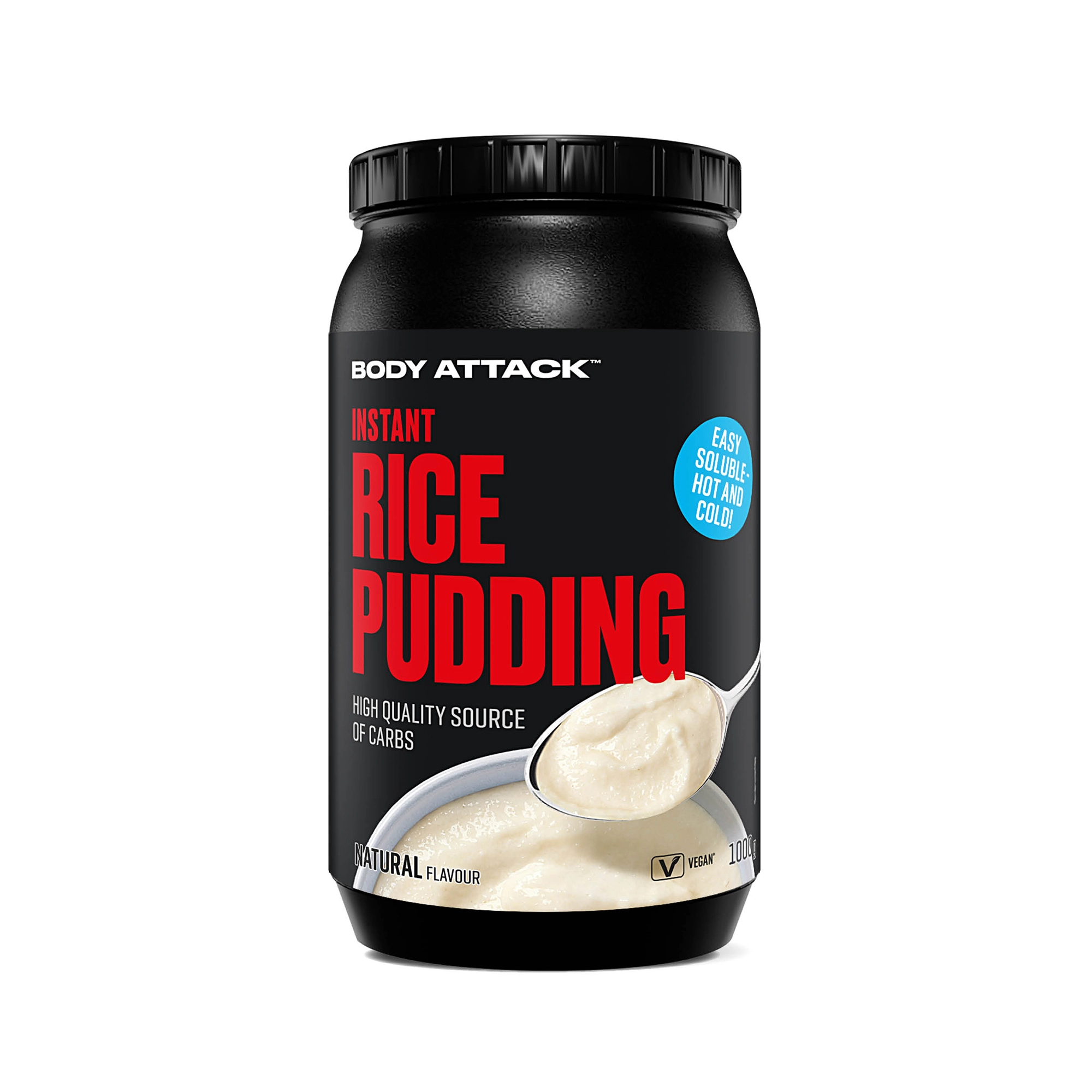


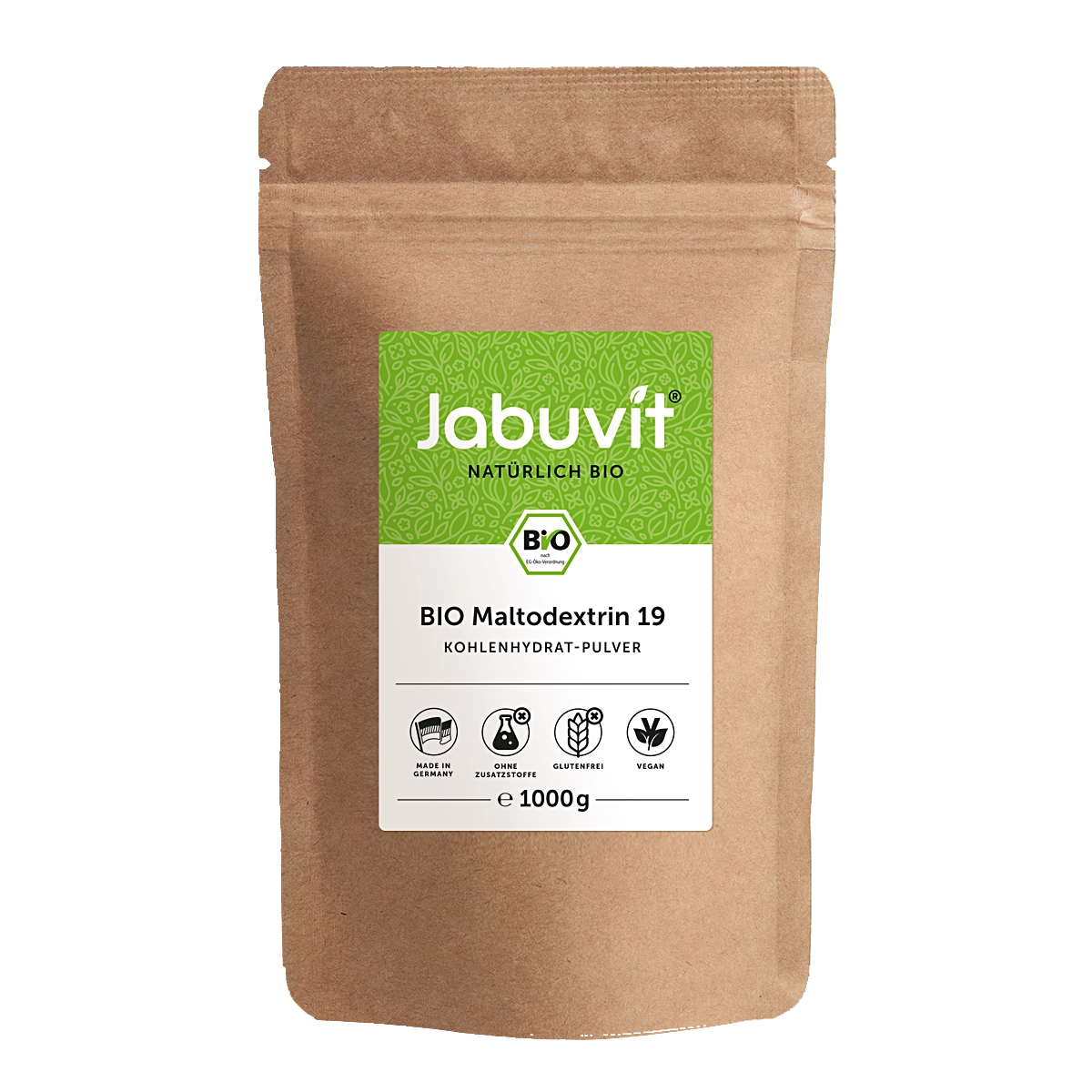

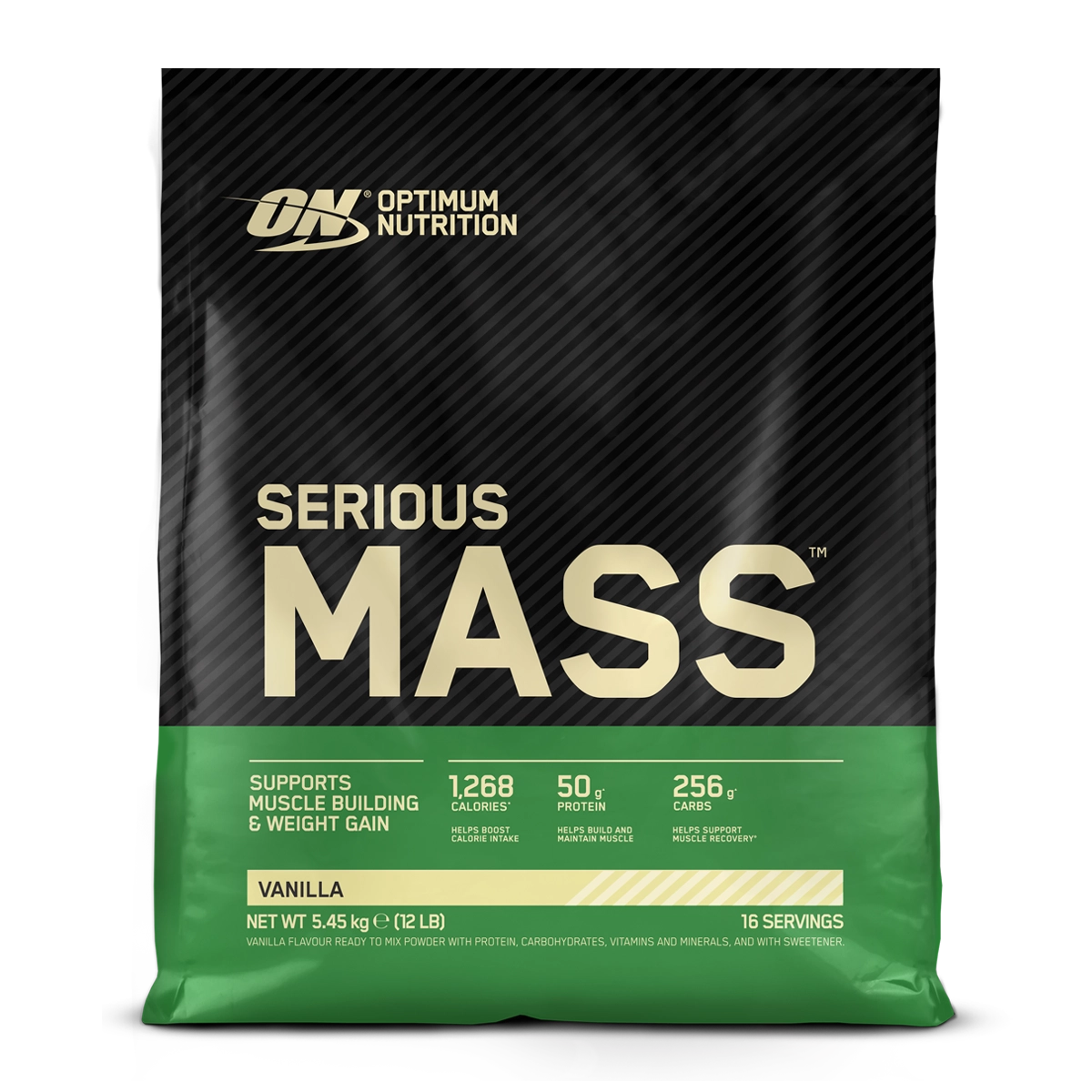
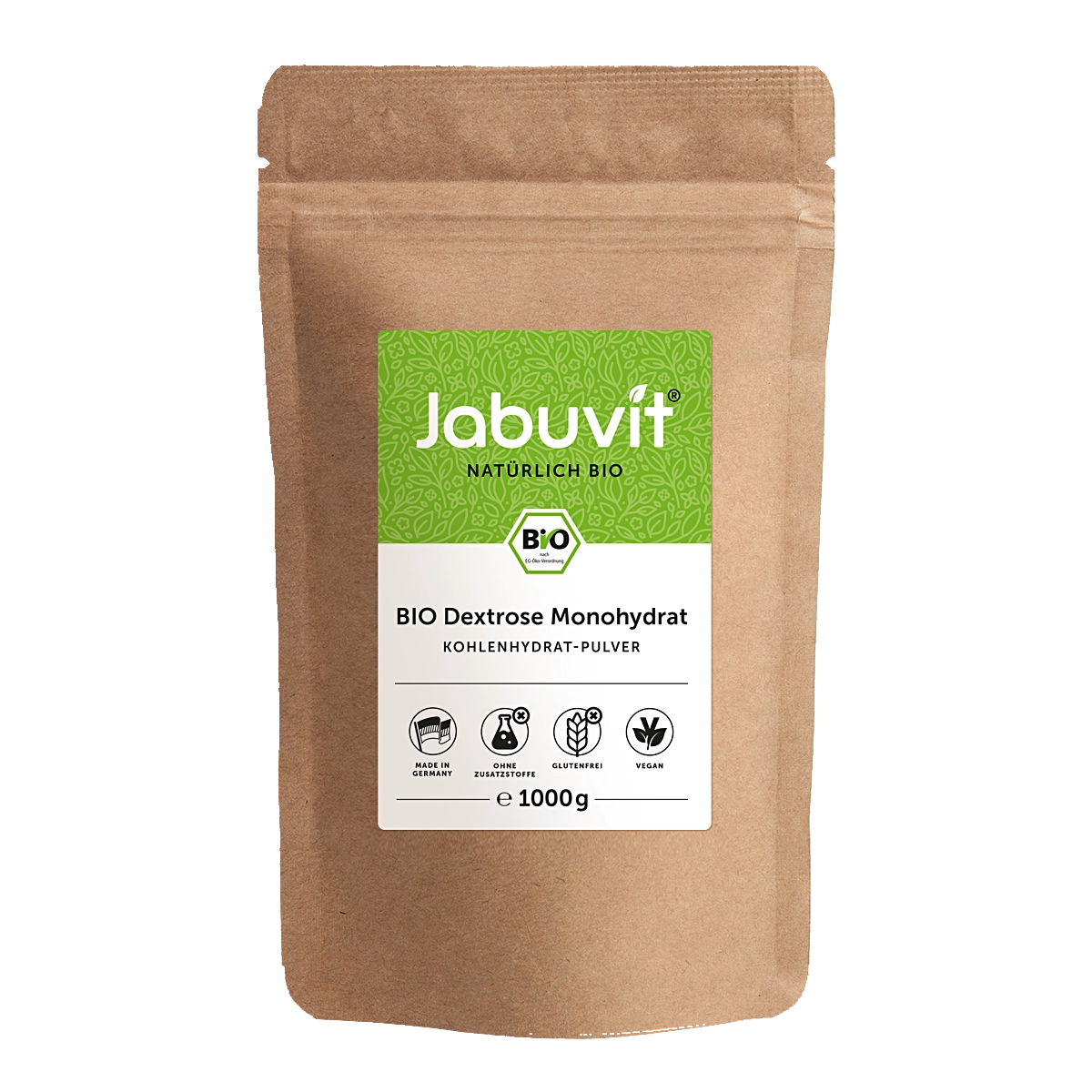
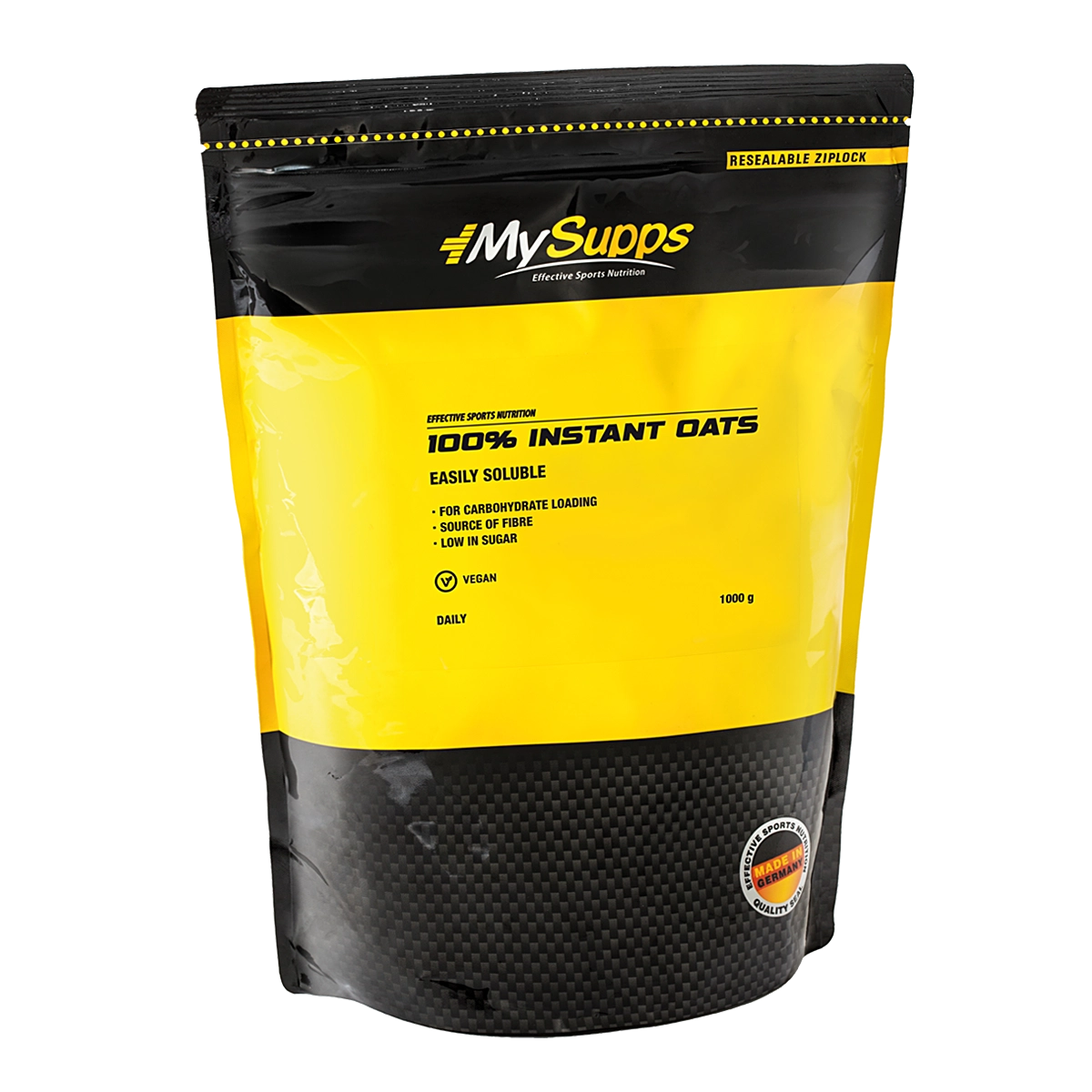
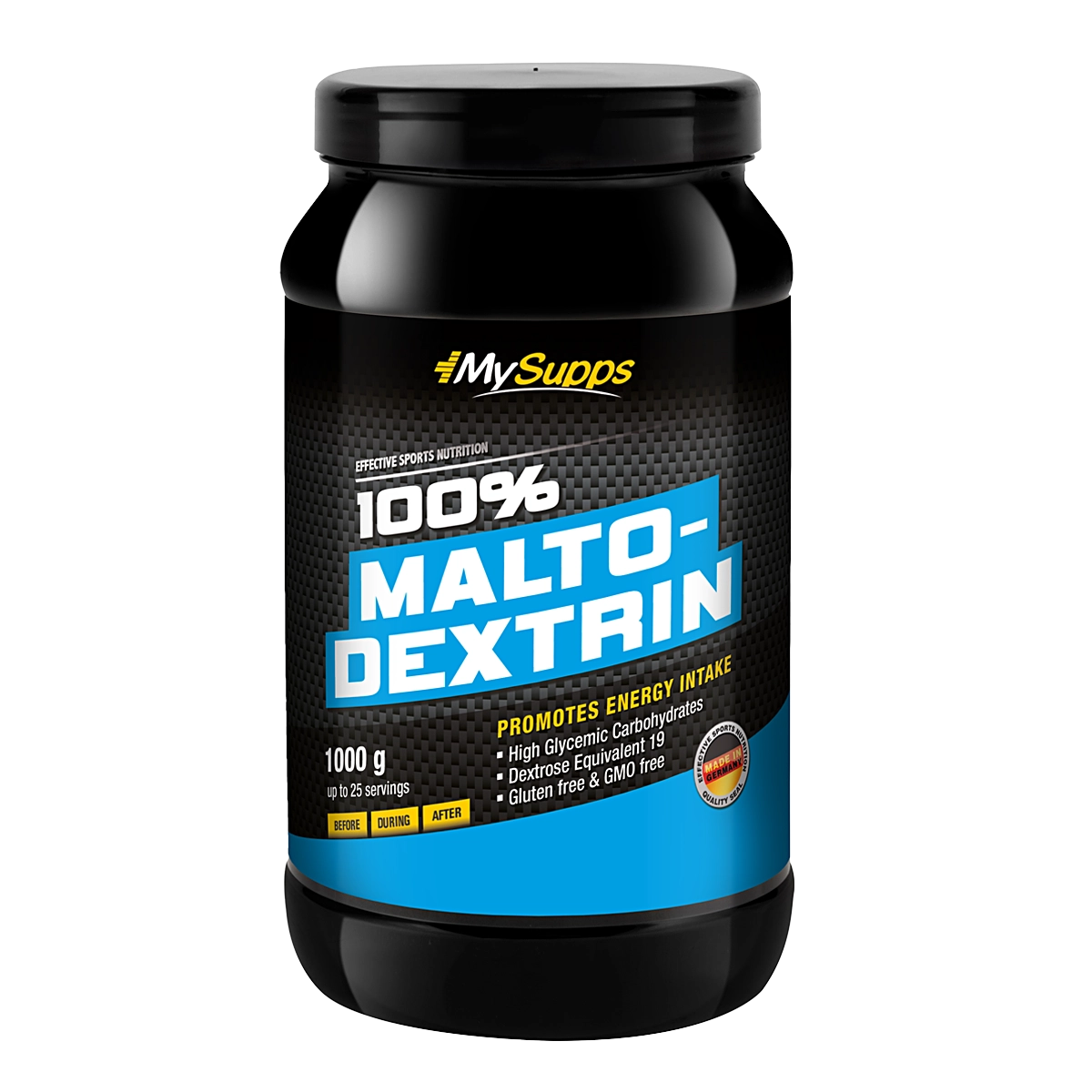

Kohlenhydrate sind neben Fetten die wichtigsten Energielieferanten für den Körper. Besonders für die Muskulatur und das Gehirn ist die Energie wichtig.
Sie gehören zu den sogenannten Makronährstoffen. Sie kommen in stärkehaltigen Lebensmitteln wie Nudeln oder Reis, Brot, aber auch in Obst oder zuckerhaltigen Getränken vor. Besonders für Sportler sind kohlenhydratreiche Lebensmittel wichtig, da sie unsere wichtigste Energiequelle sind.
Sie gehören zu den sogenannten Makronährstoffen. Sie kommen in stärkehaltigen Lebensmitteln wie Nudeln oder Reis, Brot, aber auch in Obst oder zuckerhaltigen Getränken vor. Besonders für Sportler sind kohlenhydratreiche Lebensmittel wichtig, da sie unsere wichtigste Energiequelle sind.
Overview
Sie setzen sich aus Zuckermolekülen (Sacchariden) zusammen, die nach der Anzahl der Zuckereinheiten in einem Molekül gruppiert werden.
Die einfachen Bausteine (Monosaccharide) sind Glukose (Dextrose), Fruktose (Fruchtzucker), Galaktose (Schleimzucker) und Ribose. Werden dieser verbunden, entstehen sogenannte Zweifachzucker (Disaccharide) wie Laktose (Milchzucker), Saccharose (Haushaltszucker) oder Maltose (Malzucker).
Werden immer mehr Kohlenhydrate Bausteine miteinander verbunden, entstehen Oligosacharide (Mehrfachzucker) und Polysaccharide (Vielfachzucker) wie stärkehaltiges Maltodextrin oder ballaststoffhaltige Zellulose.
Glukose
Glukose (Traubenzucker) ist ein Einfachzucker, das entweder in freier oder in gebundener Form vorkommt wie in Zweifachzuckern (z.B. Laktose oder Saccharose), in Mehrfachzuckern (Raffinose) oder Vielfachzuckern (z.B. Stärke, Cellulose oder Glykogen).
Durch Glukose wird vermehrt Insulin ausgeschüttet, ein Hormon, welches den Nährstoffeinstrom in die Zellen fördert. Die Zellen werden somit gut mit Nährstoffen versorgt. Eine katabole Stoffwechsellage wird durch eine sehr schnelle Insulinausschüttung und Nährstoffeinspeicherung verhindert. Glukose ist außerdem eine schnelle Energiequelle. Nicht umsonst sagt man Dextrose einen schnellen Energieschub nach. Daher ist die konstante Aufnahme von Glukose gerade für Sportler besonders interessant.
Fruktose
Fruktose (Fruchtzucker) wird zwar langsamer als Glukose vom Körper resorbiert, kann aber in Kombination mit Glukose die Energiespeicher sehr schnell füllen. Im Darm wird Fruktose durch spezielle Transportproteine wie GLUT5 und GLUT2 über die Darmwand ins Blut geschleust. Im Gegensatz zu Glukose benötigt der Körper für diesen Prozess allerdings keine Energie. Ein weiterer Unterschied ist: Bei Glukose werden Sättigungssignale ans Gehirn gesendet, was bei Fruktose ausbleibt. Daher entsteht bei der Aufnahme von Getränken, die mit Fruktose gesüßt sind, kaum ein Sättigungsgefühl.
Wachsmaisstärke
Wachsmaisstärke sind langkettige und verzweigte Kohlenhydrate, die aufgrund des Molekulargewichts besonders schnell vom Körper aufgenommen und verarbeitet werden können, daher greifen Sportlern gerne auf Wachsmaisstärke zurück. Wachsmaisstärke wird zeitversetzt an den Körper abgegeben, so wird dieser konstant mit diesen versorgt. Der Hauptwirkstoff der Wachsmaisstärke ist Amylopektin. Dieses kann sich im Magen gut verteilen, sodass Sportler kein Völlegefühl haben - was vor dem Sport wichtig ist.
Wachsmaisstärke ist besonders für Ausdauer- und Spielsportler geeignet. Denn durch die hochmolekulare Stärke wird eine optimale Energieversorgung für eine länge Zeit erreicht. Kraftsportler können die Wachsmaisstärke für eine langanhaltende Versorgung der Muskulatur einsetzen, was ein frühes Ermüden der Muskulatur hinauszögern kann.
Palatinose
Die einfachen Bausteine (Monosaccharide) sind Glukose (Dextrose), Fruktose (Fruchtzucker), Galaktose (Schleimzucker) und Ribose. Werden dieser verbunden, entstehen sogenannte Zweifachzucker (Disaccharide) wie Laktose (Milchzucker), Saccharose (Haushaltszucker) oder Maltose (Malzucker).
Werden immer mehr Kohlenhydrate Bausteine miteinander verbunden, entstehen Oligosacharide (Mehrfachzucker) und Polysaccharide (Vielfachzucker) wie stärkehaltiges Maltodextrin oder ballaststoffhaltige Zellulose.
| Zuckerart | Fachbegriff | Beispiele |
| Einfachzucker | Monosaccharid | Glukose, Fruktose, Galaktose |
| Zweifachzucker | Disaccharid | Laktose, Maltose, Saccharose |
| Vielfachzucker | Polysaccharid | Amylose, Zellulose, Pektine, Maltit, Inulin |
Glukose
Glukose (Traubenzucker) ist ein Einfachzucker, das entweder in freier oder in gebundener Form vorkommt wie in Zweifachzuckern (z.B. Laktose oder Saccharose), in Mehrfachzuckern (Raffinose) oder Vielfachzuckern (z.B. Stärke, Cellulose oder Glykogen).
Durch Glukose wird vermehrt Insulin ausgeschüttet, ein Hormon, welches den Nährstoffeinstrom in die Zellen fördert. Die Zellen werden somit gut mit Nährstoffen versorgt. Eine katabole Stoffwechsellage wird durch eine sehr schnelle Insulinausschüttung und Nährstoffeinspeicherung verhindert. Glukose ist außerdem eine schnelle Energiequelle. Nicht umsonst sagt man Dextrose einen schnellen Energieschub nach. Daher ist die konstante Aufnahme von Glukose gerade für Sportler besonders interessant.
Fruktose
Fruktose (Fruchtzucker) wird zwar langsamer als Glukose vom Körper resorbiert, kann aber in Kombination mit Glukose die Energiespeicher sehr schnell füllen. Im Darm wird Fruktose durch spezielle Transportproteine wie GLUT5 und GLUT2 über die Darmwand ins Blut geschleust. Im Gegensatz zu Glukose benötigt der Körper für diesen Prozess allerdings keine Energie. Ein weiterer Unterschied ist: Bei Glukose werden Sättigungssignale ans Gehirn gesendet, was bei Fruktose ausbleibt. Daher entsteht bei der Aufnahme von Getränken, die mit Fruktose gesüßt sind, kaum ein Sättigungsgefühl.
Wachsmaisstärke
Wachsmaisstärke sind langkettige und verzweigte Kohlenhydrate, die aufgrund des Molekulargewichts besonders schnell vom Körper aufgenommen und verarbeitet werden können, daher greifen Sportlern gerne auf Wachsmaisstärke zurück. Wachsmaisstärke wird zeitversetzt an den Körper abgegeben, so wird dieser konstant mit diesen versorgt. Der Hauptwirkstoff der Wachsmaisstärke ist Amylopektin. Dieses kann sich im Magen gut verteilen, sodass Sportler kein Völlegefühl haben - was vor dem Sport wichtig ist.
Wachsmaisstärke ist besonders für Ausdauer- und Spielsportler geeignet. Denn durch die hochmolekulare Stärke wird eine optimale Energieversorgung für eine länge Zeit erreicht. Kraftsportler können die Wachsmaisstärke für eine langanhaltende Versorgung der Muskulatur einsetzen, was ein frühes Ermüden der Muskulatur hinauszögern kann.
Palatinose
Palatinose (Markenname) wird auch Isomaltose genannt und gehört zu den zweifachen Kohlenhydraten aus Glukose und Fruktose. Die Besonderheit besteht in der Bindung der beiden Zuckermoleküle. In der Palatinose liegt eine ?-1-6-glucosidische Bindung anstelle der ?-1-2-Bindung der Saccharose (Haushaltszucker) vor. Die Enzyme (Isomaltase) benötigen mehr Zeit, diese stabilere Verbindung aufzuspalten. Daher wird Palatinose langsamer verdaut und stellt somit eine kontinuierliche Energieversorgung sicher.
Da weniger Insulin ausgeschüttet werden muss, bleibt der Blutzuckerspiegel relativ konstant. Palatinose hat außerdem einen relativ niedrigen glykämischen Index und ist geeignet für alle Freizeit- und Breitensportler, Bodybuilder, Hardgainer (Personen, die schwer an Gewicht zunehmen) und Gesundheitsbewusste, die weniger Fett in der Aufbauphase zunehmen wollen.
Maltodextrin ist ein in Wasser lösliches Gemisch, bei dem die Stärke durch Säure oder Enzyme schon aufgespalten wurde. Es ist für den Körper damit noch schneller verfügbar. Es verweilt nicht lange im Magen, sondern gelangt sehr schnell ins Blut und in die Muskulatur.
Die Glykogenspeicher werden durch Maltodextrin besonders schnell aufgefüllt, was für den Körper eine gute Energiequelle darstellt. Durch den Aufbau der Energiereserven werden eine Unterzuckerung und der Abbau wertvoller Muskeln verhindert.
Auch Menschen, die nur schwer an Gewicht zunehmen, profitieren von beispielsweise Maltodextrin. Maltodextrin ist beinahe neutral im Geschmack. Maltodextrin kann hochkonzentriert eingenommen werden, ohne dass das zubereitete Getränk zu süß schmeckt. So kann es auch Lebensmittel wie Quark, Joghurt, Milch oder Fruchtsäfte mit Kohlenhydraten anreichern.
Da weniger Insulin ausgeschüttet werden muss, bleibt der Blutzuckerspiegel relativ konstant. Palatinose hat außerdem einen relativ niedrigen glykämischen Index und ist geeignet für alle Freizeit- und Breitensportler, Bodybuilder, Hardgainer (Personen, die schwer an Gewicht zunehmen) und Gesundheitsbewusste, die weniger Fett in der Aufbauphase zunehmen wollen.
Maltodextrin ist ein in Wasser lösliches Gemisch, bei dem die Stärke durch Säure oder Enzyme schon aufgespalten wurde. Es ist für den Körper damit noch schneller verfügbar. Es verweilt nicht lange im Magen, sondern gelangt sehr schnell ins Blut und in die Muskulatur.
Die Glykogenspeicher werden durch Maltodextrin besonders schnell aufgefüllt, was für den Körper eine gute Energiequelle darstellt. Durch den Aufbau der Energiereserven werden eine Unterzuckerung und der Abbau wertvoller Muskeln verhindert.
Auch Menschen, die nur schwer an Gewicht zunehmen, profitieren von beispielsweise Maltodextrin. Maltodextrin ist beinahe neutral im Geschmack. Maltodextrin kann hochkonzentriert eingenommen werden, ohne dass das zubereitete Getränk zu süß schmeckt. So kann es auch Lebensmittel wie Quark, Joghurt, Milch oder Fruchtsäfte mit Kohlenhydraten anreichern.
Verdauung und Verarbeitung
Kohlenhydrate werden im Körper zu kleinen Zuckermolekülen abgebaut. Die größeren Kohlenhydratketten werden durch Enzyme gespalten und in kleinere Ketten zerlegt, bis die kleinsten Bausteine (Monosaccharide) übrig bleiben. Diese Bausteine gelangen über die Darmwand ins Blut. Der Blutzuckerspiegel steigt an und sendet Signale an das Gehirn weiter. Das Hormon Insulin wird ausgeschüttet. Durch Insulin können Nährstoffe in die Zellen transportiert werden. Zucker, Aminosäuren und Fette können den Zellen als Nährstoffe dienen und fördern den Anabolismus (Aufbau).
Sind Kohlenhydrate in der Zelle, läuft der Citratcyclus ab - ein Stoffwechselprozess, bei dem aus Glukose Energie in Form von ATP (Adenosintriphosphat) entsteht sowie Kohlendioxid und Wasser. ATP wird bei jeder Muskelbewegung benötigt. Wird zu viel Zucker in aufgenommen, wird damit der Energiespeicher (Glycogenspeicher) gefüllt. Je nach Bedarf wird dieses Glykogen wieder zu Glukose umgewandelt und versorgt den Körper mit Energie (Gluconeogenese). Das ist besonders bei intensiven Trainingseinheiten von Bedeutung. Denn wenn der Körper zu wenig Kohlenhydrate im Blut hat, kann er jederzeit von diesen Glykogenreserven zehren.
Werden die Schleusentore der Zelle durch Insulin geöffnet, wird die Fettverbrennung blockiert. Denn der Körper baut in dieser Situation auf - nicht ab. Daher wird das Hormon Insulin auch Masthormon genannt und ist für alle interessant, die Muskeln aufbauen möchten oder ihren Körper konstant mit Energie versorgen wollen wie Ausdauersportler und Spielsportler.
Kohlenhydrate werden im Körper zu kleinen Zuckermolekülen abgebaut. Die größeren Kohlenhydratketten werden durch Enzyme gespalten und in kleinere Ketten zerlegt, bis die kleinsten Bausteine (Monosaccharide) übrig bleiben. Diese Bausteine gelangen über die Darmwand ins Blut. Der Blutzuckerspiegel steigt an und sendet Signale an das Gehirn weiter. Das Hormon Insulin wird ausgeschüttet. Durch Insulin können Nährstoffe in die Zellen transportiert werden. Zucker, Aminosäuren und Fette können den Zellen als Nährstoffe dienen und fördern den Anabolismus (Aufbau).
Sind Kohlenhydrate in der Zelle, läuft der Citratcyclus ab - ein Stoffwechselprozess, bei dem aus Glukose Energie in Form von ATP (Adenosintriphosphat) entsteht sowie Kohlendioxid und Wasser. ATP wird bei jeder Muskelbewegung benötigt. Wird zu viel Zucker in aufgenommen, wird damit der Energiespeicher (Glycogenspeicher) gefüllt. Je nach Bedarf wird dieses Glykogen wieder zu Glukose umgewandelt und versorgt den Körper mit Energie (Gluconeogenese). Das ist besonders bei intensiven Trainingseinheiten von Bedeutung. Denn wenn der Körper zu wenig Kohlenhydrate im Blut hat, kann er jederzeit von diesen Glykogenreserven zehren.
Werden die Schleusentore der Zelle durch Insulin geöffnet, wird die Fettverbrennung blockiert. Denn der Körper baut in dieser Situation auf - nicht ab. Daher wird das Hormon Insulin auch Masthormon genannt und ist für alle interessant, die Muskeln aufbauen möchten oder ihren Körper konstant mit Energie versorgen wollen wie Ausdauersportler und Spielsportler.
Neben Proteinen und Fetten stellen Kohlenhydrate die wichtigste Energiequelle für den Menschen dar. Besonders kohlenhydratreich sind Nahrungsmittel wie Brot, Reis, Kartoffeln und Nudeln.
Sie liefern jede Menge Energie. 1 g Kohlenhydrate liefert 4 Kalorien. 200 g Reis liefern also 216 Kalorien, 200 g Nudeln 168 Kalorien, eine Scheibe Roggenmischbrot 48 Kalorien und 200 g Kartoffeln etwa 138 Kalorien. Aber auch Hülsenfrüchte wie Erbsen, Linsen oder Bohnen, Knollengewächse, Obst und Gemüse und Milch sind natürliche Quellen.
Der Körper baut die langen energiereichen Kohlenhydrate-Ketten in kleinste Bausteine, die Monosaccharide, um. Diese gelangen ins Blut und werden mithilfe von Insulin in die Körperzellen geschleust. Hier findet nun der Energieprozess statt.
Glukose wird über mehrere Stoffwechselprozesse zu ATP (Adenosintriphosphat), Kohlendioxid und Wasser umgewandelt. Das ATP ist für den Körper die wichtigste Energiequelle. Durch das Abspalten eines Phosphates wird aus dem energiereichen ATP energieärmeres ADP (Adenosintriphosphat) und dem Körper steht die Energie für die Muskelarbeit zur Verfügung.
Der Körper baut die langen energiereichen Kohlenhydrate-Ketten in kleinste Bausteine, die Monosaccharide, um. Diese gelangen ins Blut und werden mithilfe von Insulin in die Körperzellen geschleust. Hier findet nun der Energieprozess statt.
Glukose wird über mehrere Stoffwechselprozesse zu ATP (Adenosintriphosphat), Kohlendioxid und Wasser umgewandelt. Das ATP ist für den Körper die wichtigste Energiequelle. Durch das Abspalten eines Phosphates wird aus dem energiereichen ATP energieärmeres ADP (Adenosintriphosphat) und dem Körper steht die Energie für die Muskelarbeit zur Verfügung.
Der Glykämische Index ist ein Maß zur Bestimmung der Wirkung eines kohlenhydrathaltigen Lebensmittels auf den Blutzuckerspiegel.
Die Glykämische Last ist ein erweitertes Maß zur Bestimmung der Wirkung eines kohlenhydrathaltigen Lebensmittels auf den Blutzuckerspiegel. Im Gegensatz zum Glykämischen Index werden hier die gesamten verwertbaren Kohlenhydrate in einem Lebensmittel, die der Körper verdauen und aufnehmen kann, mit einbezogen.
| Lebensmittel | Glykämischer Index |
| Glukose | 100 |
| Pommes | 90 |
| Honig | 80 |
| Rosinen | 65 |
| Banane | 60 |
| Melone | 60 |
| Spaghetti | 45 |
| Haferflocken | 40 |
| Grüne Bohnen | 30 |
Die Glykämische Last ist ein erweitertes Maß zur Bestimmung der Wirkung eines kohlenhydrathaltigen Lebensmittels auf den Blutzuckerspiegel. Im Gegensatz zum Glykämischen Index werden hier die gesamten verwertbaren Kohlenhydrate in einem Lebensmittel, die der Körper verdauen und aufnehmen kann, mit einbezogen.
Ob Atkins Diät, LOGI-Methode oder die New-York-Schlankheitskur von David Kirsch: Low-Carb ist im Trend. Und das kommt nicht von ungefähr. Eine kohlenhydratreduzierte, aber eiweißreiche Kost eignet sich optimal zum Abnehmen. Ziel ist es vermehrt Fette zur Energiegewinnung heranzuziehen.
Low Carb bedeutet kohlenhydratarm. Der Begriff führt auf die englische Abkürzung carb zurück, die für "carbohydrates" steht. Als Low Carb Diät werden verschiedene Diäten und Ernährungsweisen bezeichnet. Sie werden in der Regel in Form von Glykogen oder in Form von Fett gespeichert. Kommen mit der Nahrung keine oder nur wenig Kohlenhydrate nach, ist der Körper gezwungen, seine Glykogenspeicher abzubauen. Das Glykogen wird in den Muskeln und der Leber und auch im Gehirn verwahrt. Zusammen mit Glykogen werden auch die Wasserspeicher geleert, da Glykogen Wasser bindet. Bei Low-Carb-Diäten verliert der Körper viel Wasser, was sich gerade in den ersten Tagen und Wochen im starken Gewichtsverlust widerspiegelt. Eine kohlenhydratarme Kost geht mit einer eiweißreichen Kost einher. Eine Form der Low-Carb-Diät ist daher z.B. die Eiweißdiät.
Low Carb bedeutet kohlenhydratarm. Der Begriff führt auf die englische Abkürzung carb zurück, die für "carbohydrates" steht. Als Low Carb Diät werden verschiedene Diäten und Ernährungsweisen bezeichnet. Sie werden in der Regel in Form von Glykogen oder in Form von Fett gespeichert. Kommen mit der Nahrung keine oder nur wenig Kohlenhydrate nach, ist der Körper gezwungen, seine Glykogenspeicher abzubauen. Das Glykogen wird in den Muskeln und der Leber und auch im Gehirn verwahrt. Zusammen mit Glykogen werden auch die Wasserspeicher geleert, da Glykogen Wasser bindet. Bei Low-Carb-Diäten verliert der Körper viel Wasser, was sich gerade in den ersten Tagen und Wochen im starken Gewichtsverlust widerspiegelt. Eine kohlenhydratarme Kost geht mit einer eiweißreichen Kost einher. Eine Form der Low-Carb-Diät ist daher z.B. die Eiweißdiät.
Kohlenhydrate sind für den Masseaufbau geeignet, da sie den Anabolismus fördern. Durch das Hormon Insulin werden Nährstoffe wie Glukose, Aminosäuren und Fette in die Zellen transportiert, wo sie verarbeitet werden und den Masseaufbau unterstützen können.
Für Menschen, die schwer an Gewicht zunehmen (sogenannte Hardgainer), ist es von Vorteil, wenn die Energiespeicher durch Kohlenhydrate gefüllt sind, um innerhalb eines harten Trainings ausreichend Energiereserven zur Verfügung stehen zu haben. Sind diese Reserven zu gering oder gar aufgebraucht, muss der Körper andere Energiespeicher nutzen wie die Aminosäuren aus der Muskulatur, die dann zu Energie verbrannt werden können. Um das zu verhindern, sollten die Kohlenhydrataufnahme rund 65 % der Gesamtenergiemenge ausmachen.
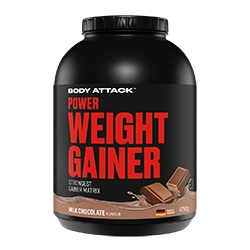
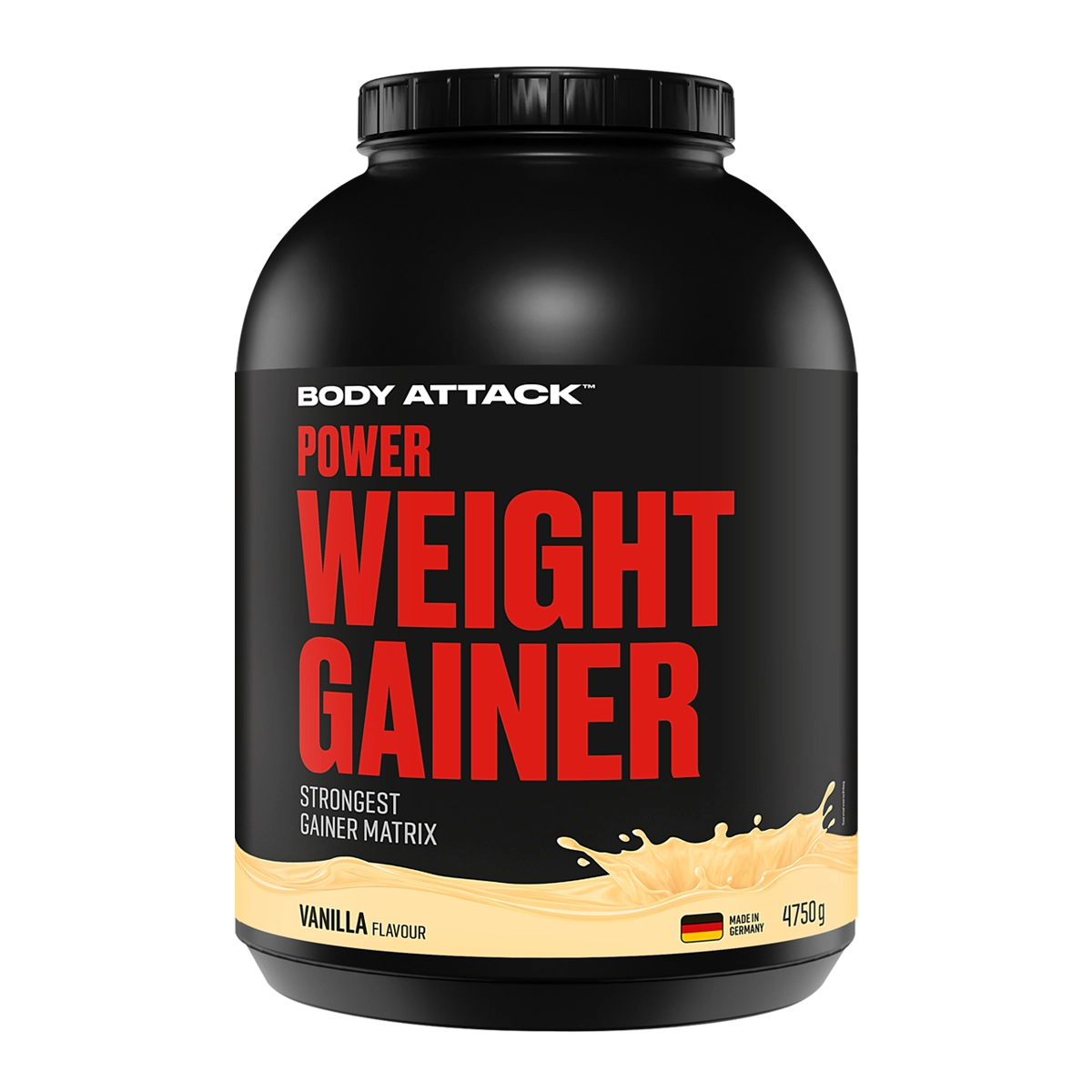
Weight Gainer können die Aufnahme fördern. Weight Gainer enthalten einen hohen Kohlenhydratanteil (etwa 70 %) mit Maltodextrin und einen idealen Anteil an hochwertigem Eiweiß (rund 30 %). Zusätzlich sind Vitamine, Mineralstoffe und teilweise auch Kreatin enthalten. Diese Kombination ist für den Muskelstoffwechsel optimal. Denn durch die schnell verdaulichen Kohlenhydrate wird vermehrt Insulin ausgeschüttet, was den Nährstoffeinstrom von Glukose und Aminosäuren in die Zellen beschleunigt.
Für Menschen, die schwer an Gewicht zunehmen (sogenannte Hardgainer), ist es von Vorteil, wenn die Energiespeicher durch Kohlenhydrate gefüllt sind, um innerhalb eines harten Trainings ausreichend Energiereserven zur Verfügung stehen zu haben. Sind diese Reserven zu gering oder gar aufgebraucht, muss der Körper andere Energiespeicher nutzen wie die Aminosäuren aus der Muskulatur, die dann zu Energie verbrannt werden können. Um das zu verhindern, sollten die Kohlenhydrataufnahme rund 65 % der Gesamtenergiemenge ausmachen.
Jedes aufgenommene Gramm Kohlenhydrat speichert etwa drei Gramm Wasser, wodurch das Zellvolumen erhöht wird, die Muskelzellen besser mit Nährstoffen versorgt und die Masseaufbauprozesse beschleunigt werden können. Ausreichend zu trinken, ist daher besonders wichtig!
Weight Gainer können die Aufnahme fördern. Weight Gainer enthalten einen hohen Kohlenhydratanteil (etwa 70 %) mit Maltodextrin und einen idealen Anteil an hochwertigem Eiweiß (rund 30 %). Zusätzlich sind Vitamine, Mineralstoffe und teilweise auch Kreatin enthalten. Diese Kombination ist für den Muskelstoffwechsel optimal. Denn durch die schnell verdaulichen Kohlenhydrate wird vermehrt Insulin ausgeschüttet, was den Nährstoffeinstrom von Glukose und Aminosäuren in die Zellen beschleunigt.