

















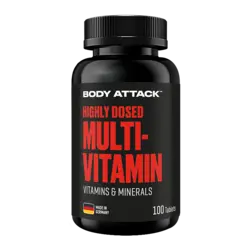


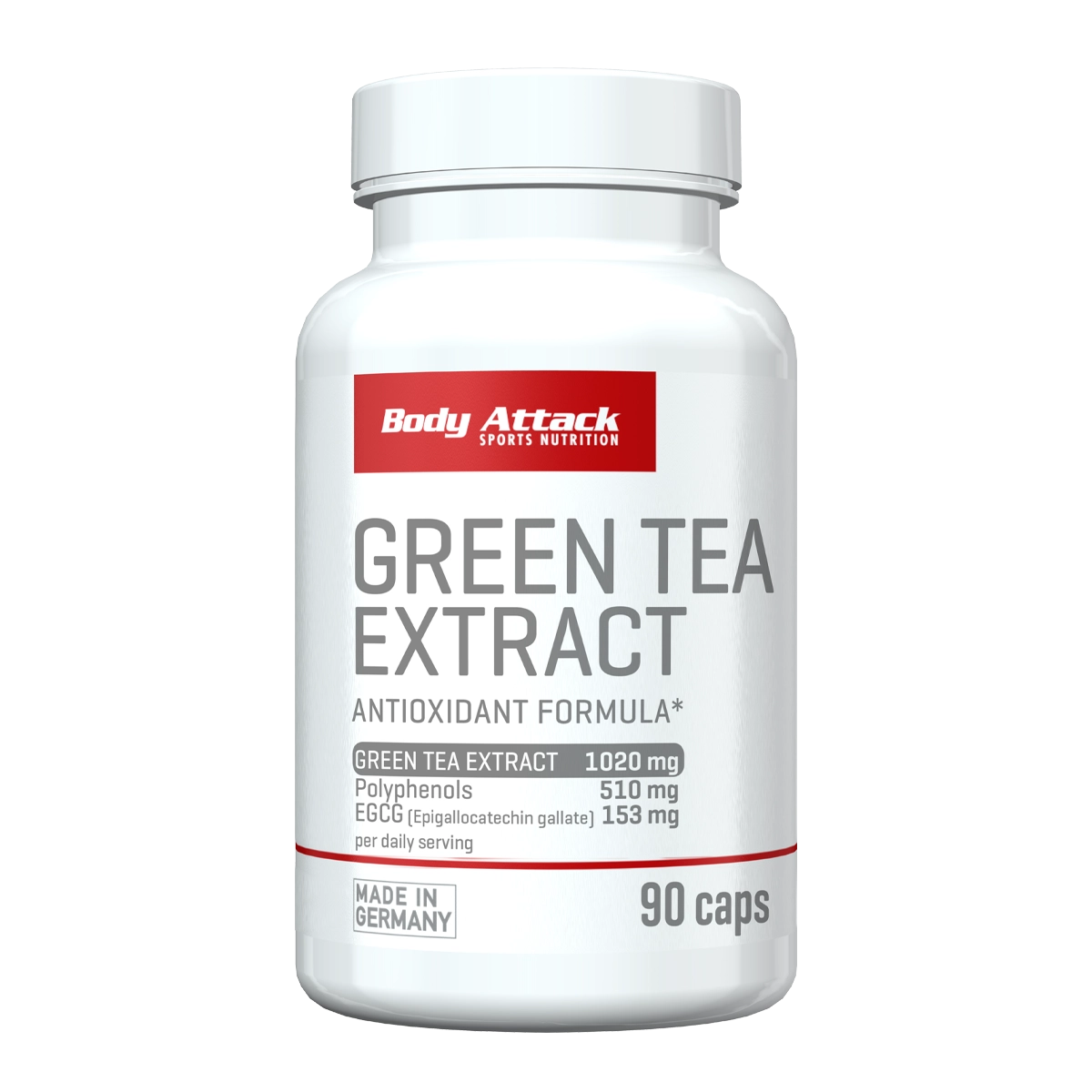
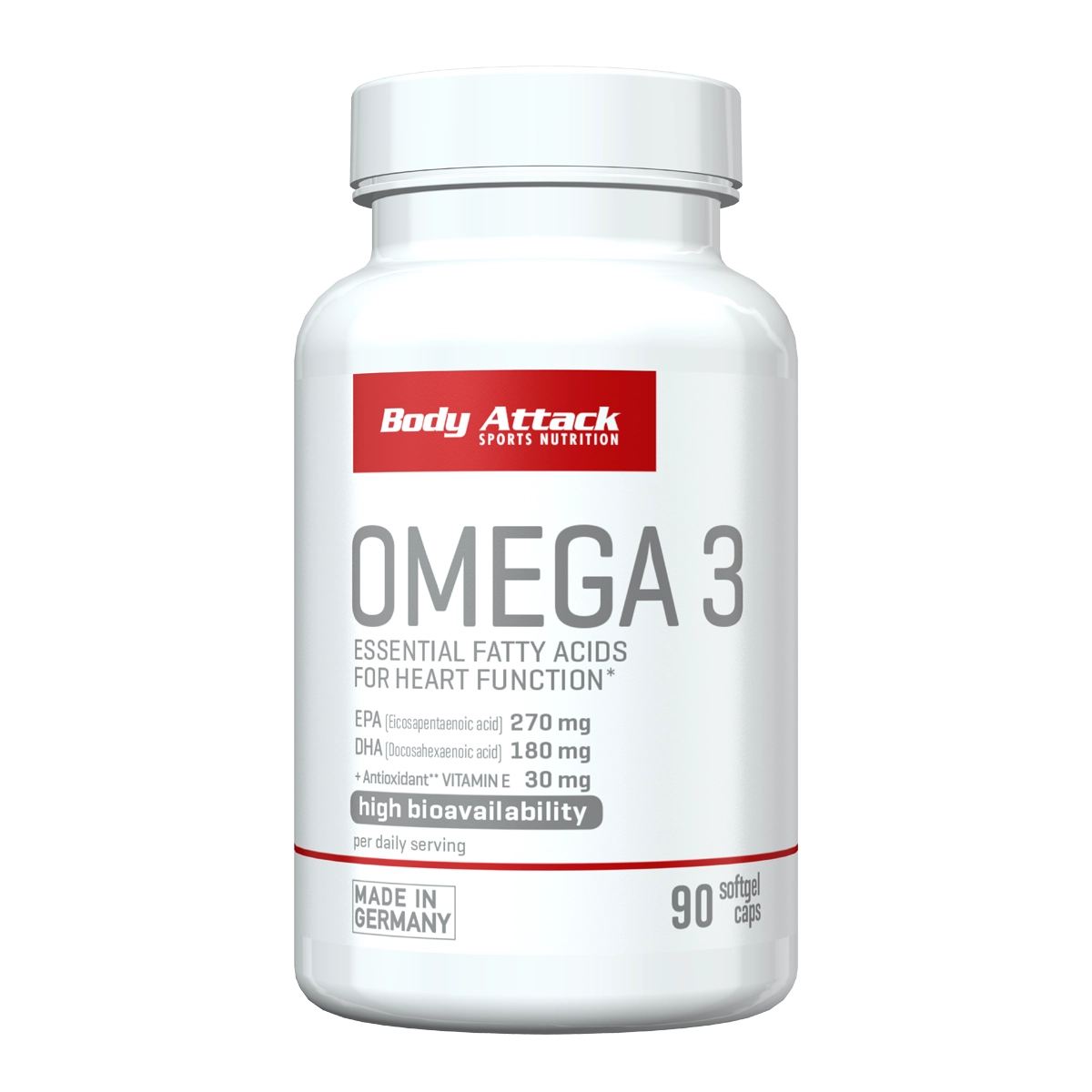
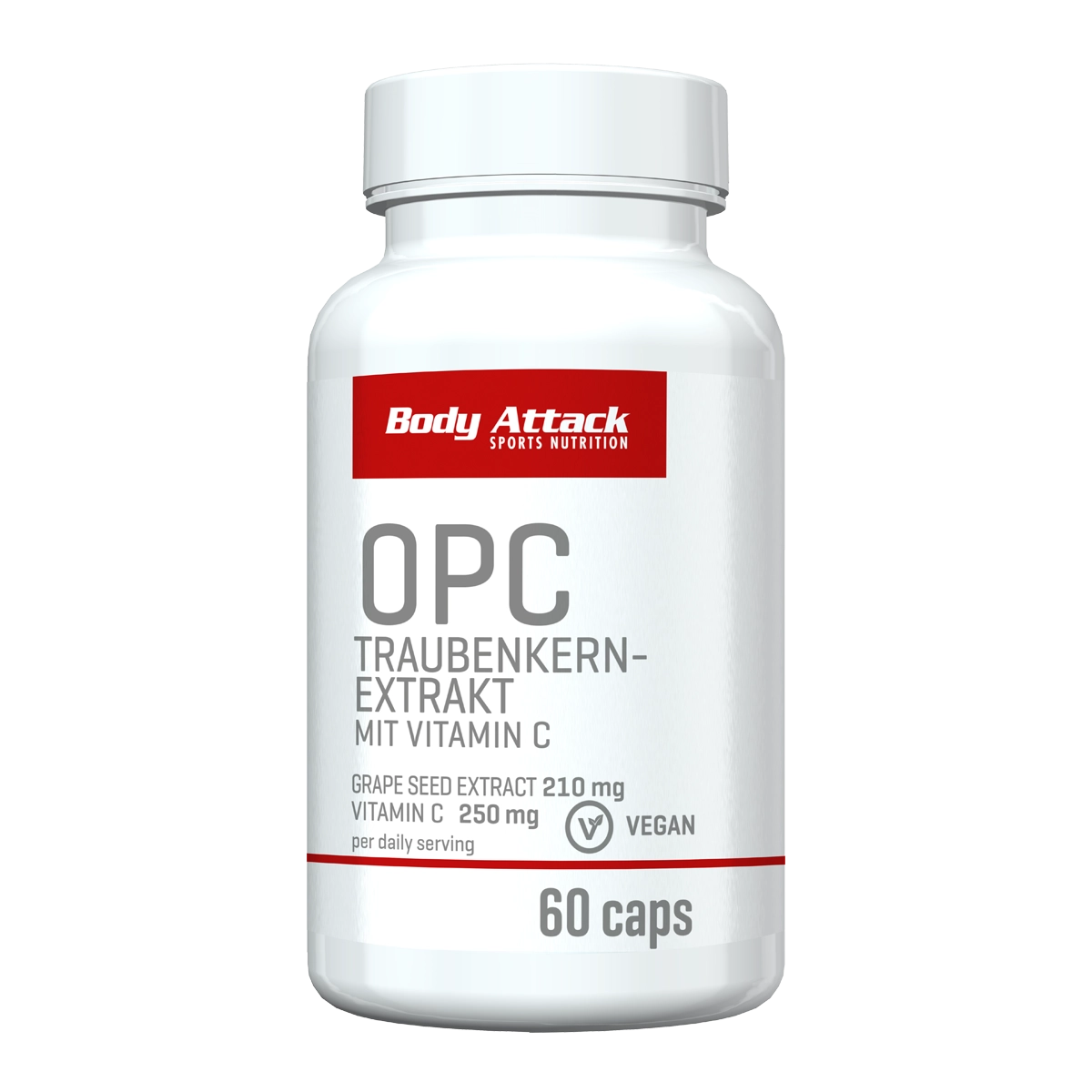
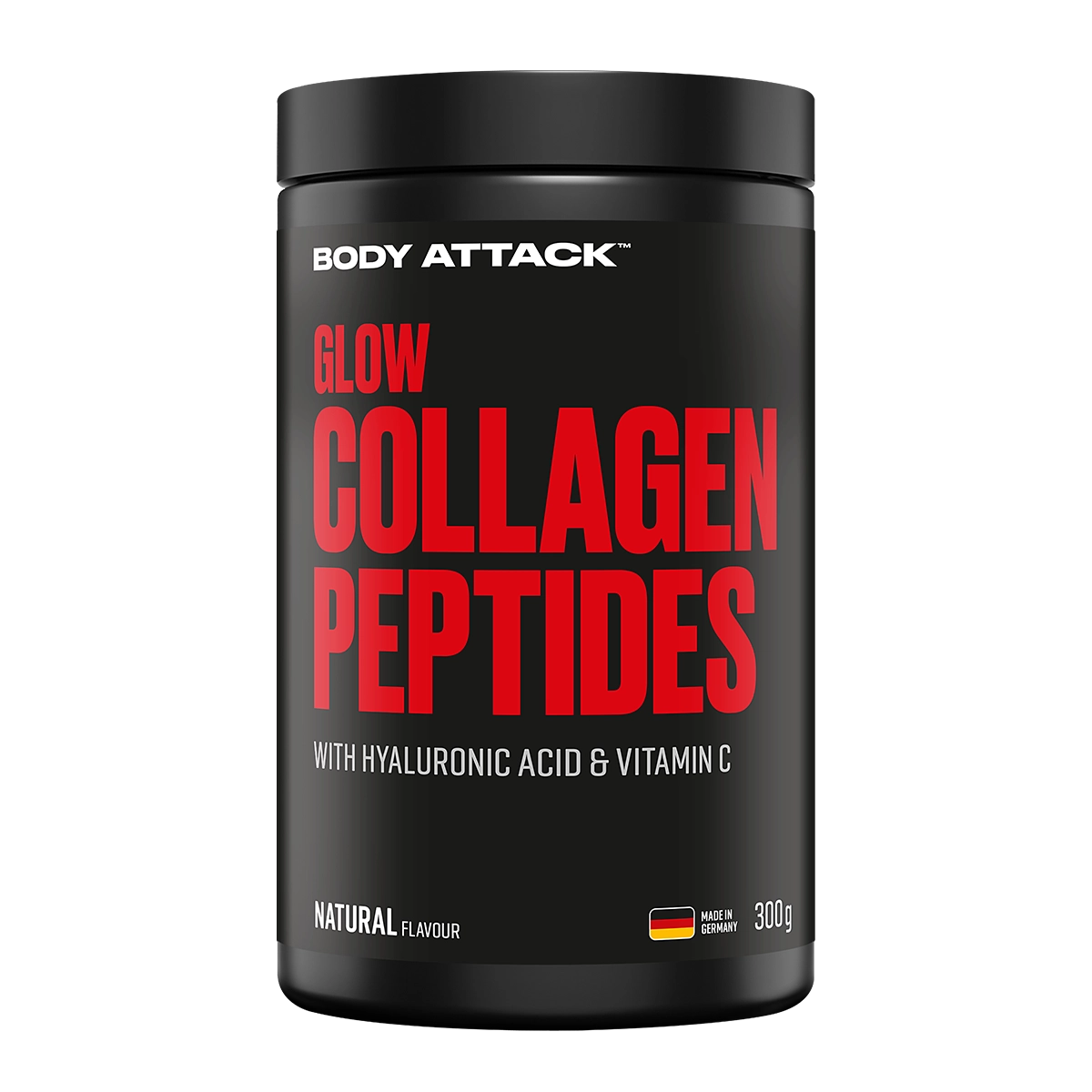
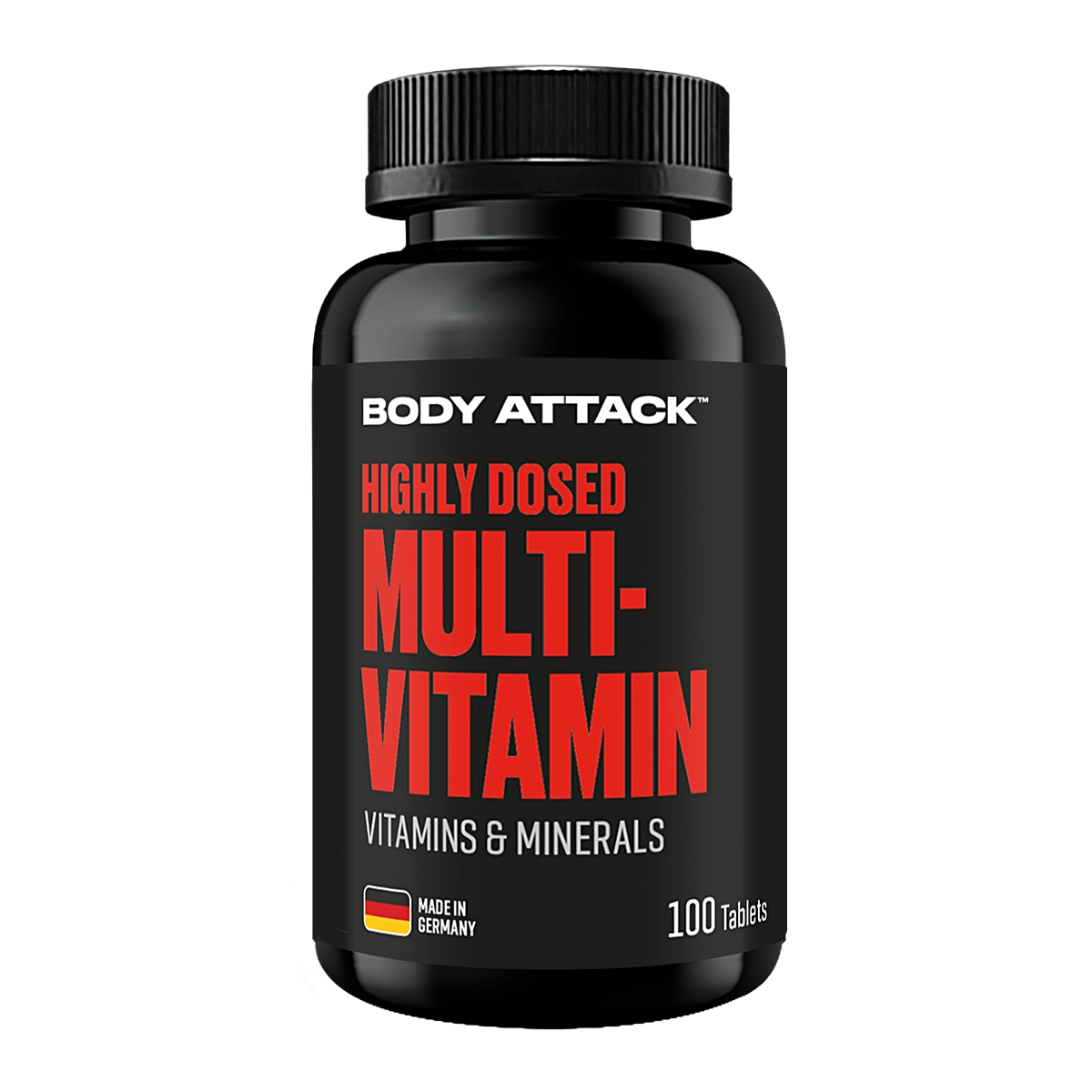
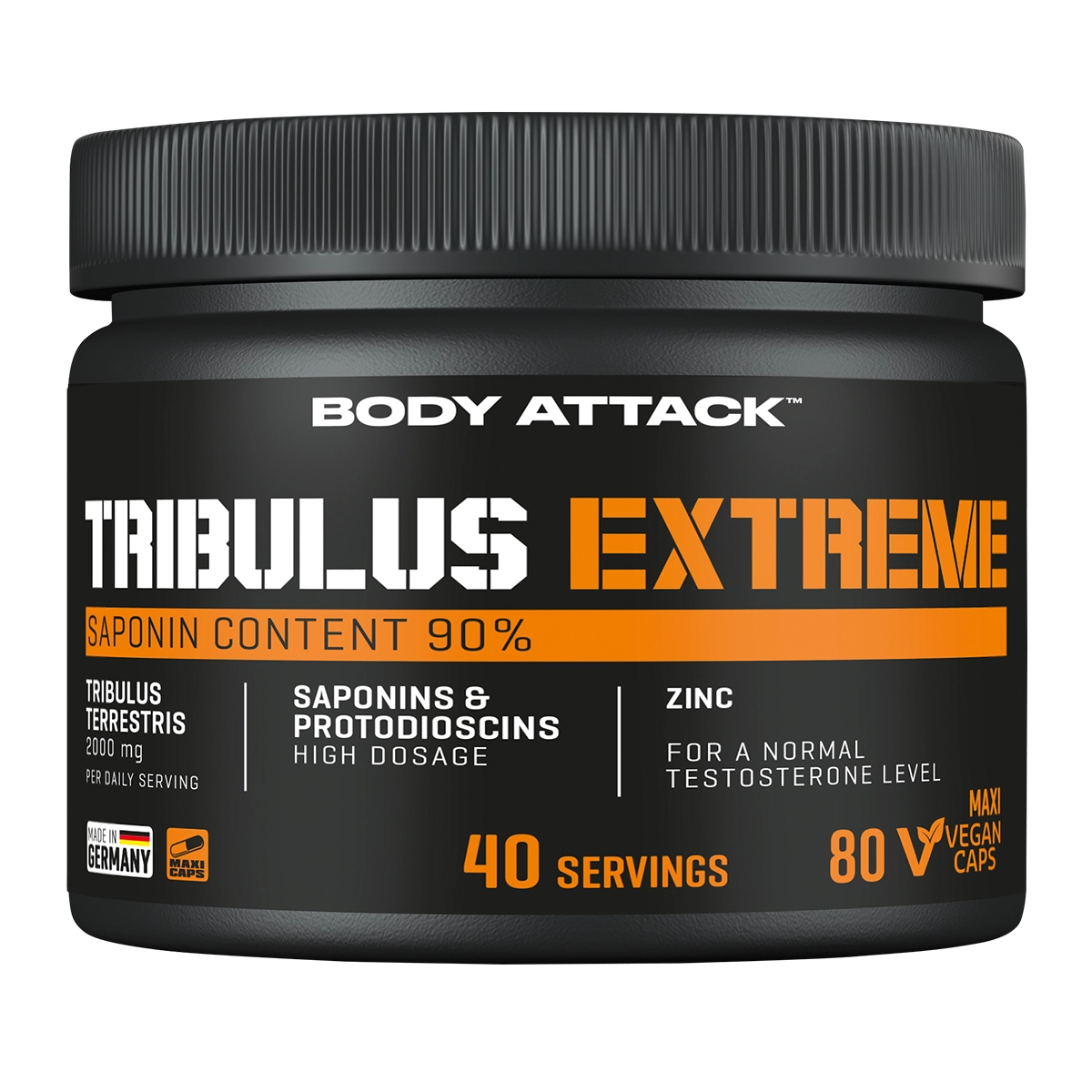


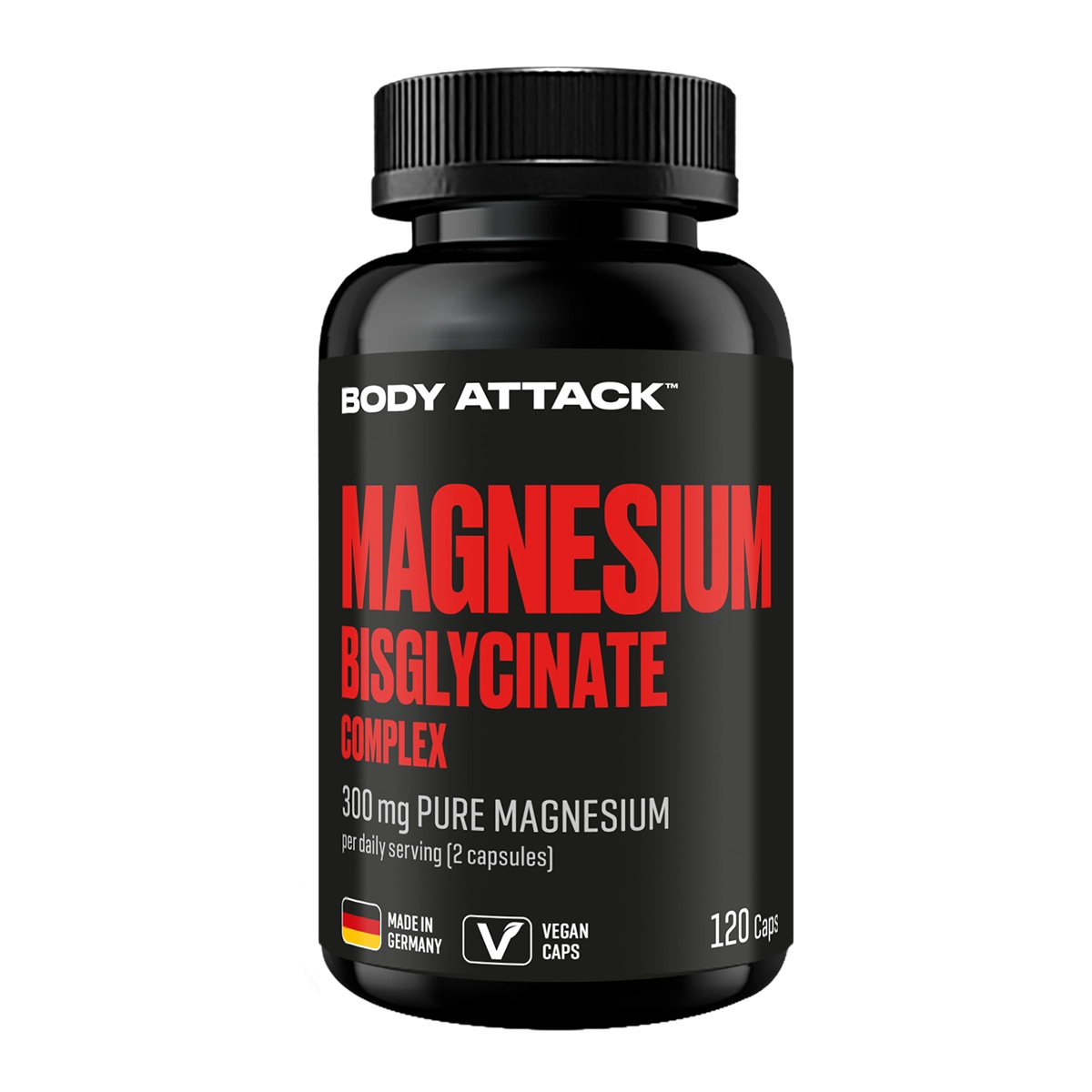
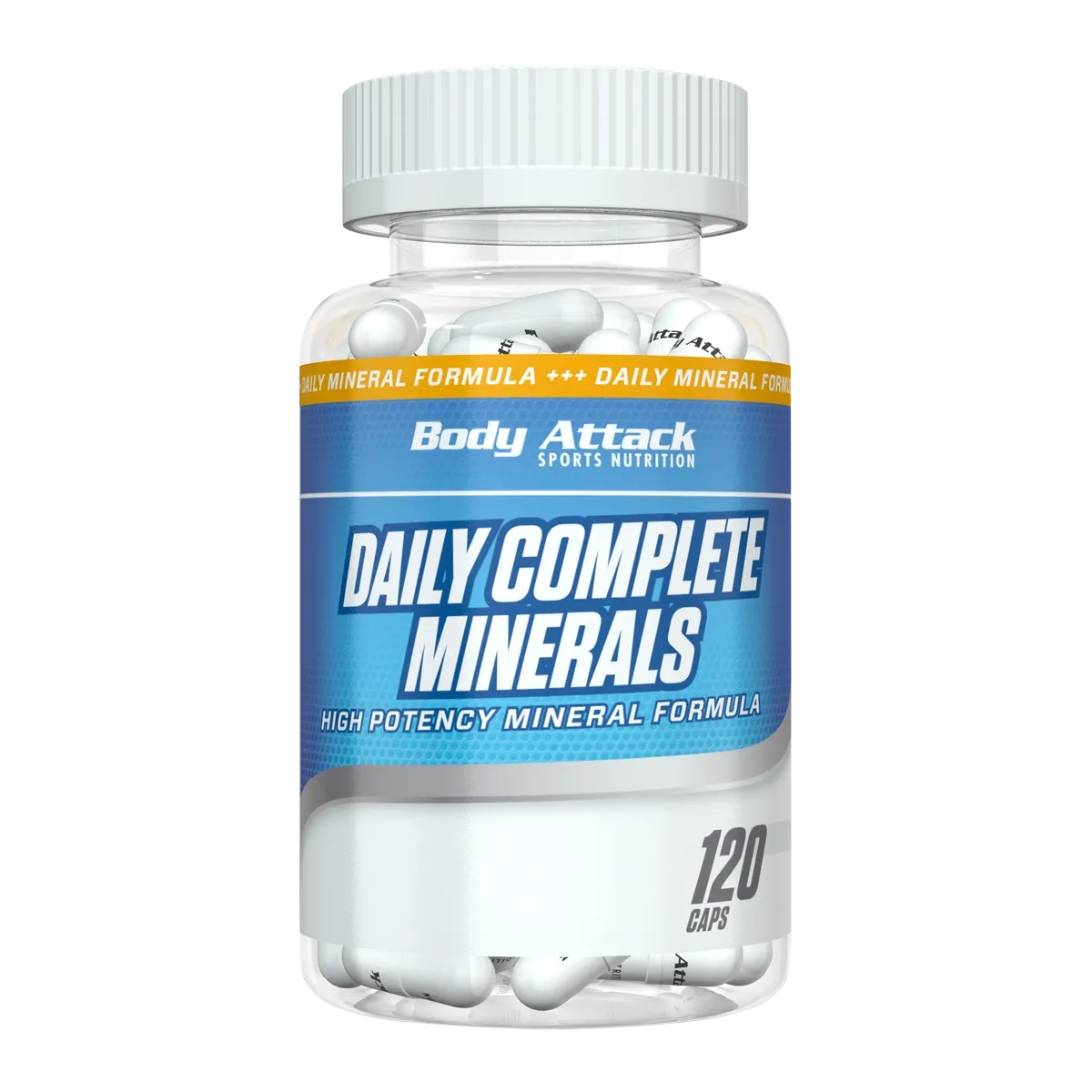
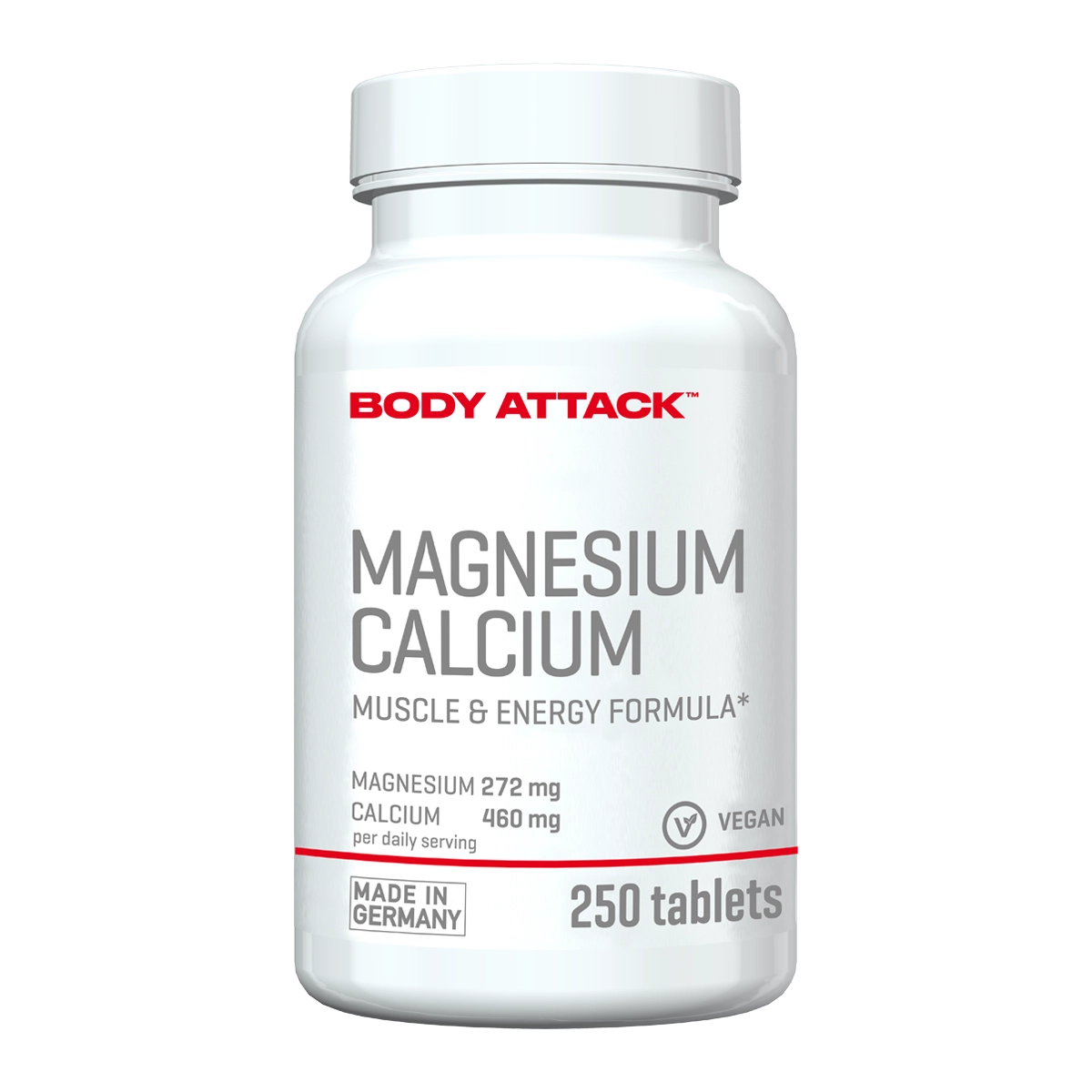
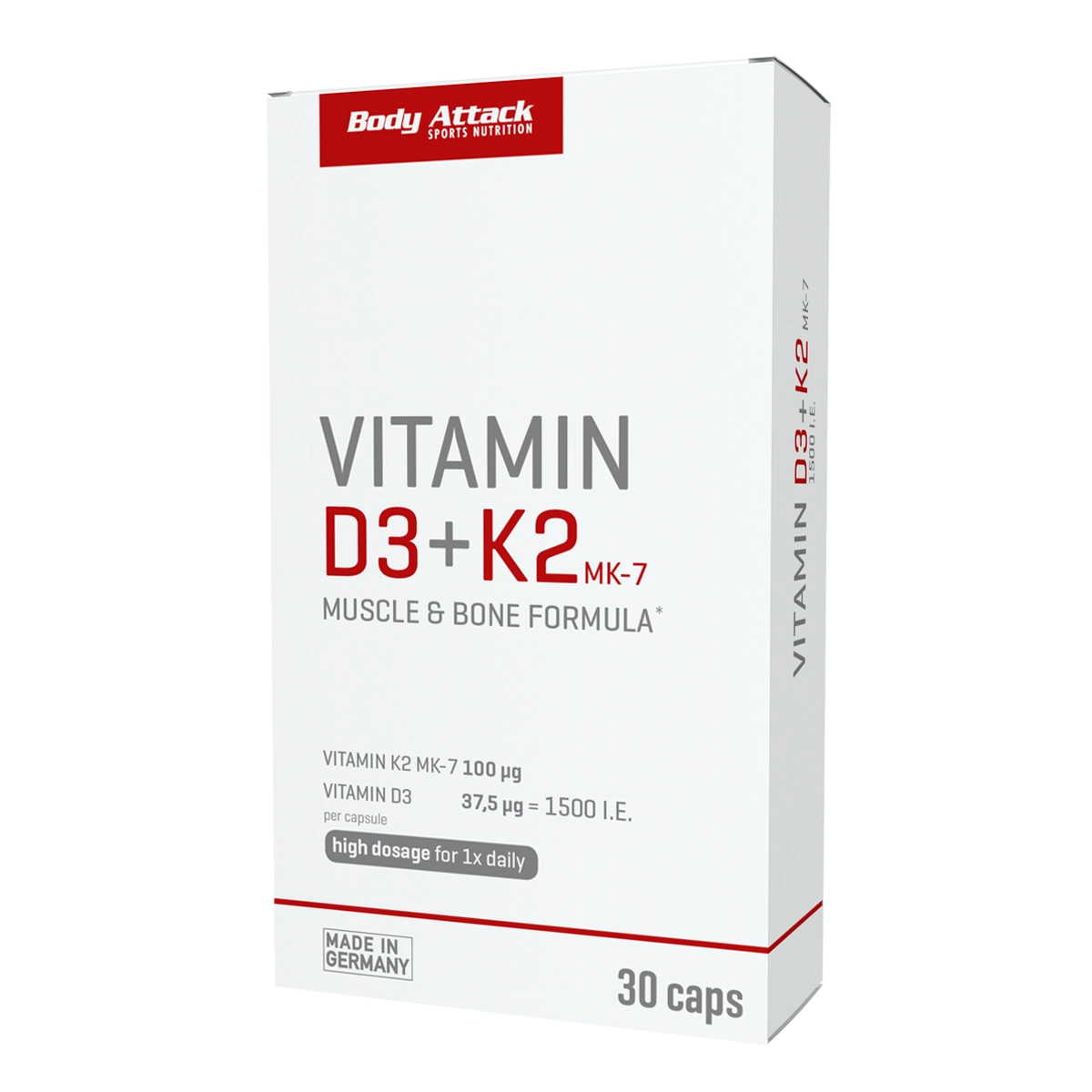
Als Sportler weißt du, wie wichtig Vitamine und Mineralstoffe in der Ernährung für deinen Körper sind und dass bei hoher körperlicher Anstrengung der Bedarf an ihnen steigt. Bei uns bekommst du Vitalstoffe und Superfoods, um deine Ernährung optimal zu unterstützen. Vitamine werden im Körper für alle Stoffwechselprozesse benötigt. Ob für das Immunsystem, die Abwehr freier Radikale, den Um- und Abbau von Nährstoffen oder starkes Bindegewebe - sie fungieren als Katalysatoren und sind für den menschlichen Körper essentiell.
Jedoch ist nicht immer eine regelmäßige Aufnahme lebenswichtiger Vitamine, Mineralstoffe und sekundärer Pflanzenstoffe über die Ernährung realisierbar. Über die Ernährung werden häufig zu wenig aufgenommen. Obst und Gemüse wird nicht selten unreif geerntet. Durch lange Transportwege, falsche Lagerung oder unvorteilhafte Zubereitung gehen viele wertvolle Inhaltsstoffe verloren. Einer Unterversorgung kann mithilfe von Vitaminprodukten von BODY ATTACK vermieden bzw. ausgeglichen werden. Wir bieten eine Reihe unterschiedlicher Präparate an.
Vitamine gehören zu den sogenannten Mikronährstoffen. Im Gegensatz zu den Makronährstoffen (Kohlenhydrate, Eiweiß und Fette) liefern Vitamine keine Energie. Sie können vom Körper nicht selbst bedarfsdeckend hergestellt, sondern müssen regelmäßig im Rahmen der Ernährung zugeführt werden.
Ein Mangel wird im Fachjargon als Hypovitaminose bezeichnet und kann gefährliche Folgen für den Körper haben. Eine bekannte Folgekrankheit ist Skorbut, die bei chronischem Vitamin-C-Mangel eintreten kann. Verbreitete Symptome sind Zahnfleischbluten, Ermüdungserscheinungen, Muskelschwund und Gelenksentzündungen. Vitamine werden in wasserlöslich und fettlöslich unterteilt. Die bekanntesten sind die wasserlöslichen Vitamine B und C sowie die fettlöslichen A, D, E und K.
Sie übernehmen im Stoffwechsel (Metabolismus) essentielle Funktionen und können mit Katalysatoren verglichen werden, die Stoffwechselprozesse beschleunigen. Sie regulieren die Verwertung von Kohlenhydraten und Eiweißen, fungieren als Coenzyme, stärken das Immunsystem und sind am Aufbau von Zellstrukturen, Blutkörperchen, Knochen und Zähnen beteiligt. Jedes von ihnen hat im Metabolismus eigene spezifische Aufgaben.
Funktionen der fettlöslichen
Vitamin A wird auch als Retinol bezeichnet. In der Ernährung ist es als Provitamin enthalten. Es ist wichtiger Bestandteil der Sehfarbstoffe und trägt somit zur Sehkraft bei. Außerdem ist es für den Eisenstoffwechsel, die Zellspezialisierung und das Immunsystem wichtig.
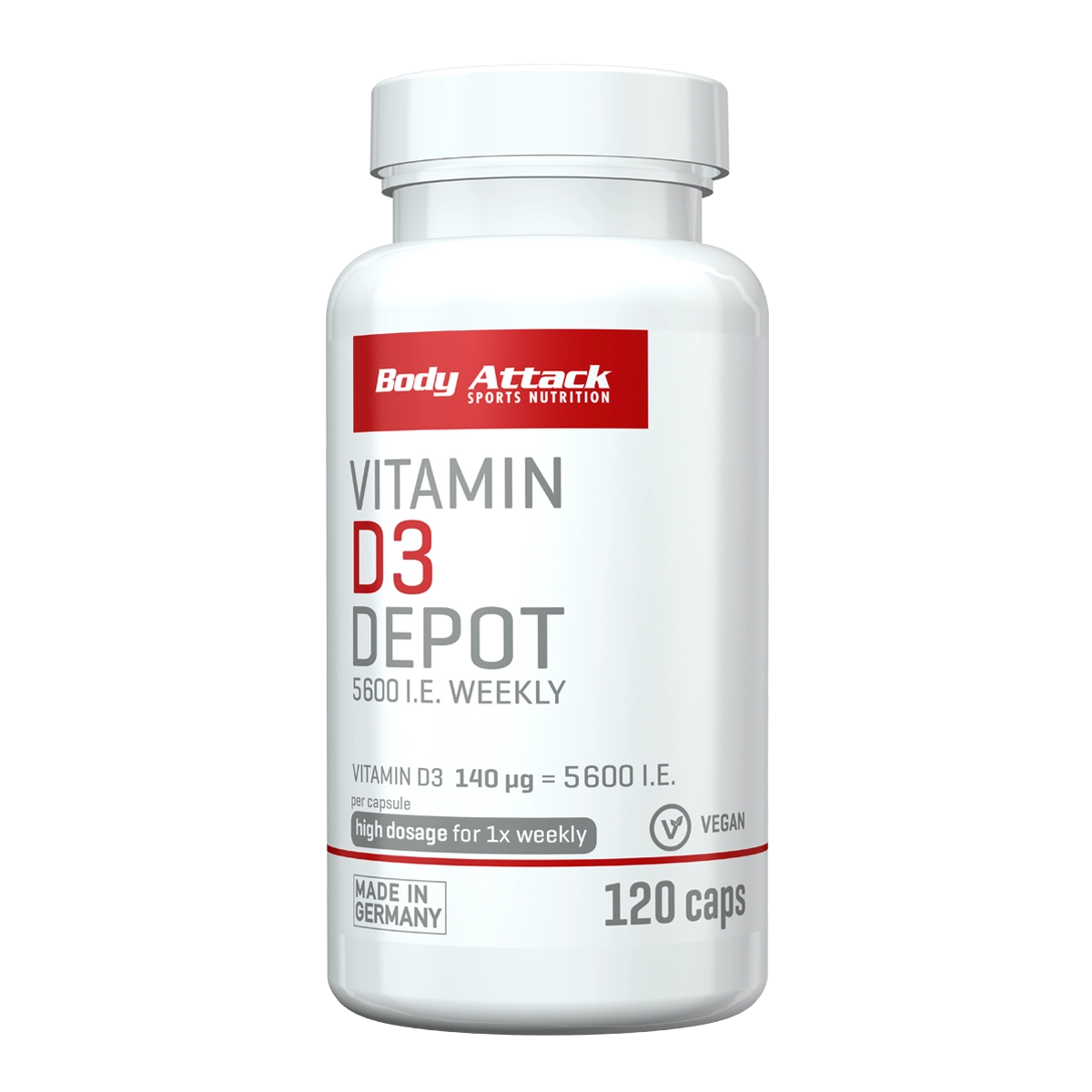
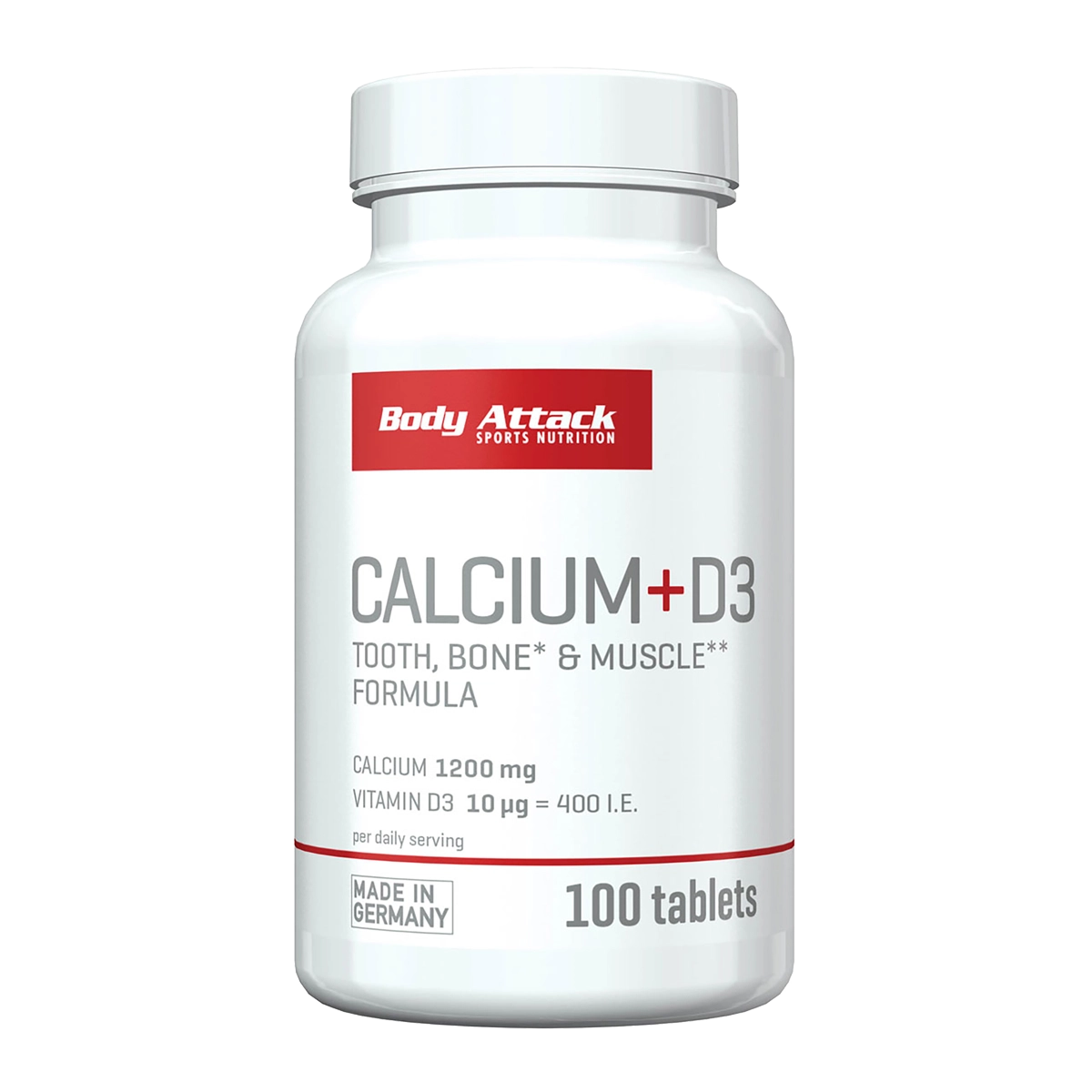
Vitamin D, auch Calciferol, reguliert im Körper den Calcium-Haushalt. Im Gegensatz zu anderen kann es über die Sonneneinstrahlung gebildet werden. Es ist an der Zellteilung, der Muskelfunktion, dem Calcium-Spiegel und dem Erhalt gesunder Zähne beteiligt.
Vitamin E, auch Tocopherol genannt, ist als Antioxidans bekannt. Es trägt dazu bei, Körperzellen vor oxidativem Stress durch freie Radikale zu schützen.
Vitamin K, in der Branche als Phyllochinon bekannt, kommt in fast allen grünen Gemüsesorten vor wie Spinat oder Kohl. Es trägt zur Erhaltung normaler Knochen und einer normalen Blutgerinnung bei.
Vitamin B1, auch als Thiamin bezeichnet, wirkt als Coenzym. Es trägt zum normalen Energiestoffwechsel, zum Nervensystem und zur Herzfunktion bei.
Vitamin B6 (Pyridoxin) nimmt als Coenzym eine wichtige Rolle im Aminosäurestoffwechsel ein. Denn der Eiweiß- und Glykogen-Stoffwechsel wird von ihnen gesteuert. Darüber hinaus trägt Vitamin B6 zur Müdigkeitsverringerung bei und reguliert Hormontätigkeiten.
Vitamin B12, auch Cobalamin, kommt als einziges ausschließlich in tierischen Produkten vor. Es trägt zum Energiestoffwechsel bei und beeinflusst demnach den Kohlenhydrat- und Proteinstoffwechsel. Im Gegensatz zu den anderen B-Vitaminen kann es übrigens bei entsprechender Ernährung im Körper gespeichert werden.
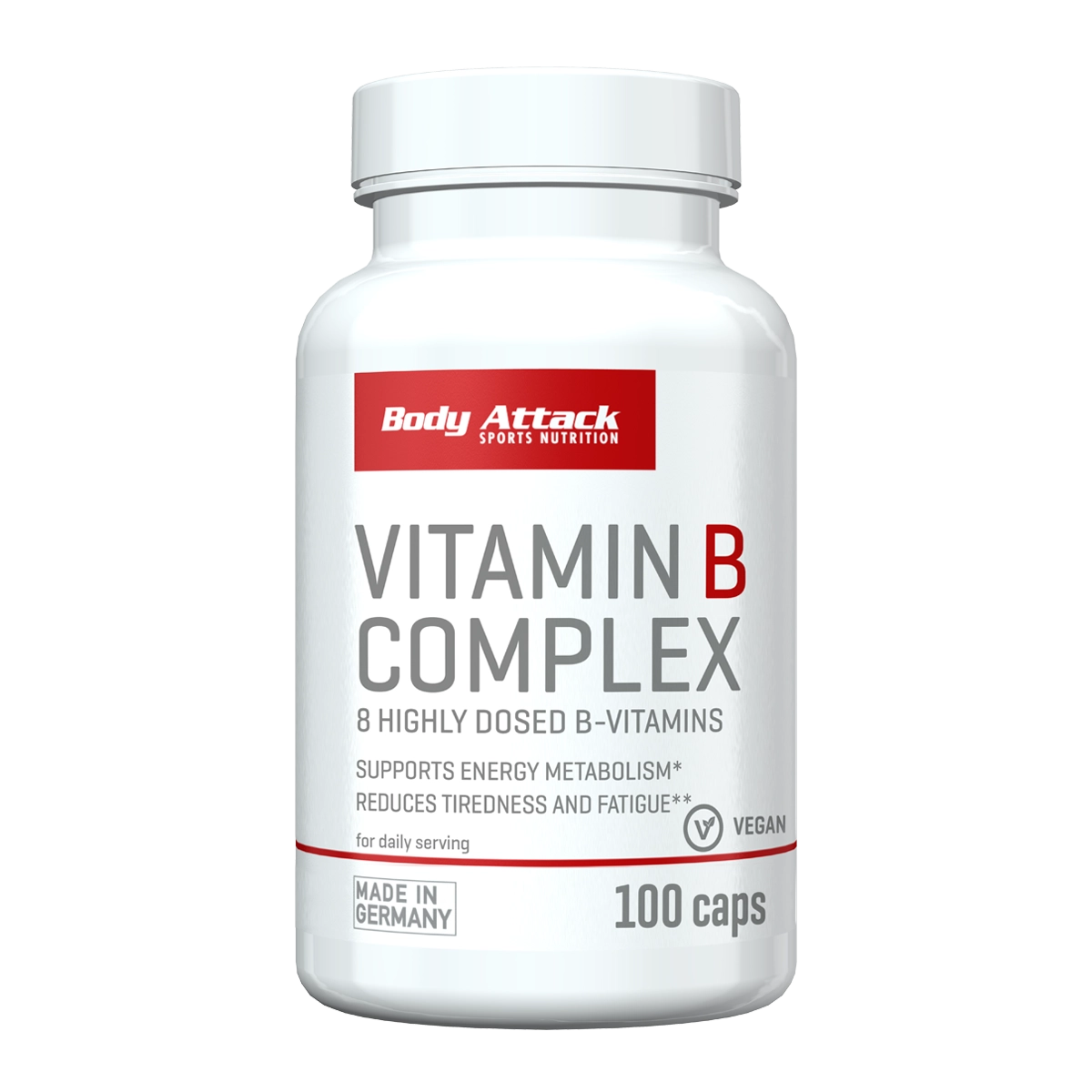
Niacin, Pantothensäure, Biotin und Folsäure gehören ebenfalls zu den B-Vitaminen. Alle vier sind an den Energiestoffwechseln beteiligt und für die Stoffwechselrate von zentraler Bedeutung.
Vitamin C wird auch als Ascorbinsäure bezeichnet und ist für die Synthese von Kollagen von Bedeutung. Zudem schützt es den Körper vor freien Radikalen. Darüber hinaus ist es an der Synthese von Hormonen und am Stoffwechselgeschehen beteiligt. Besonders reichhaltig an Vitamin C sind Zitrusfrüchte.
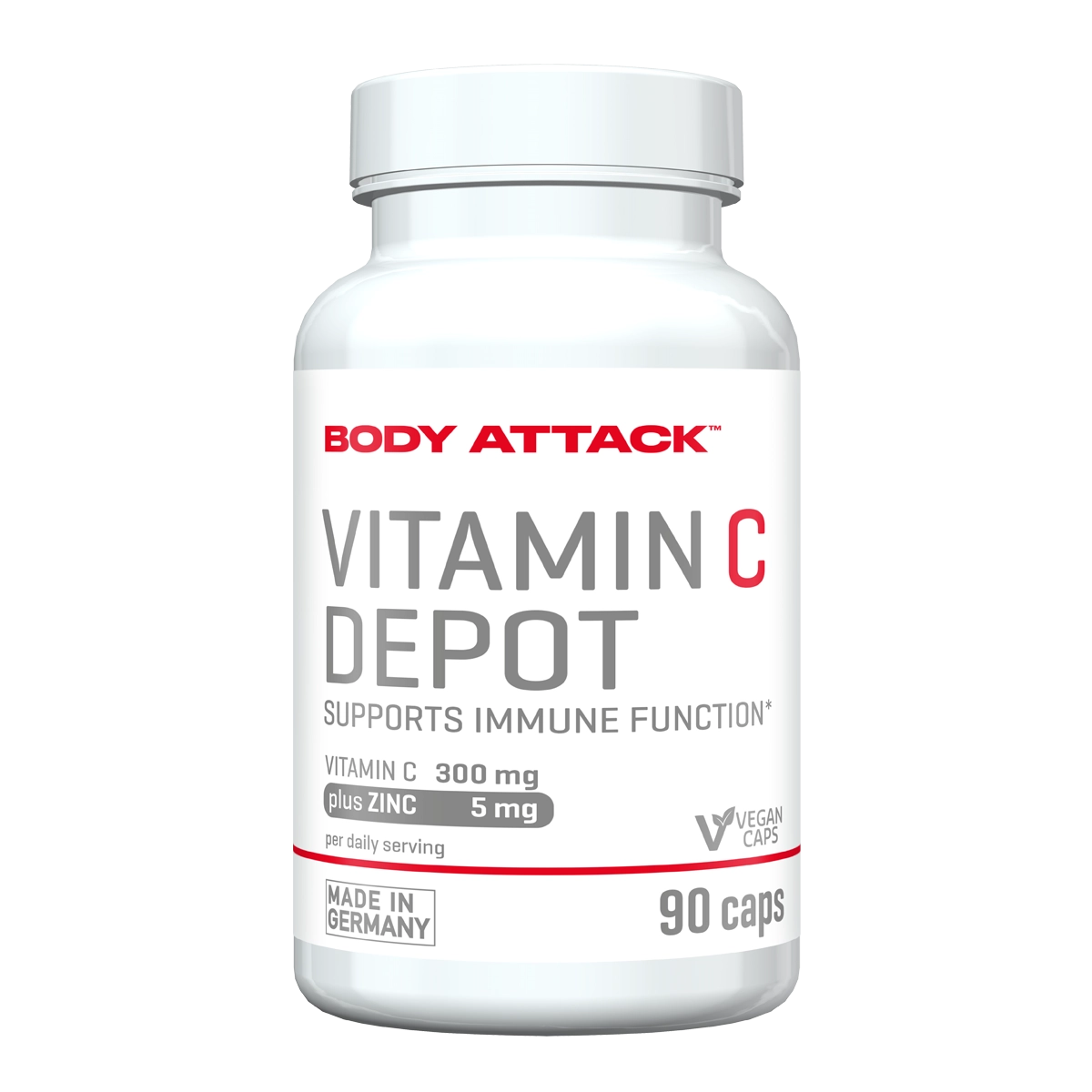
BODY ATTACK Vitaminprodukte, wie etwa das Vitamin C-Depot, garantieren eine Versorgung über den ganzen Tag.
- Sind am Aufbau von Körpergewebe beteiligt
- Stärken und schützen das Immunsystem
- Verbessern den Energie- und Nährstoffwechsel
- Unterstützen die Bildung von Hormonen und Enzymen
- Fördern die Entgiftungsfunktion des Körpers
- Dienen dem Wohlbefinden
Vitaminreiche Fitnessrezepte für eine gesunde Ernährung findet ihr hier.
Vitamine sind für alle lebenswichtigen Funktionen des menschlichen Körpers unverzichtbar. Sie kurbeln den Stoffwechsel an, stärken das Immunsystem und sind am Aufbau von Knochen, Zähnen und Zellen beteiligt.
BODY ATTACK Produkte unterstützen den Körper dabei, gesund zu bleiben trotz hoher Beanspruchung der Muskeln. Da Vitamine meist nicht vom Körper selbst produziert werden können, ist eine Zuführung über die Ernährung erforderlich.
Die Deutsche Gesellschaft für Ernährung (DGE) empfiehlt Jugendlichen und Erwachsenen eine tägliche Vitamin-C-Zufuhr von 100 mg.
Insbesondere wasserlösliche Vitamine werden schnell wieder über die Nieren ausgeschieden, daher ist eine regelmäßige Einnahme im Rahmen der Ernährung erforderlich. Dies betrifft insbesondere Vitamin B und Vitamin C, die unter anderem für eine Förderung der Konzentration, aber auch für die Stärkung der Abwehrkräfte verantwortlich sind.
Eine gesunde und ausgewogene Mischkost Ernährung versorgt den Menschen meist mit der erforderlichen Menge an Vitaminen. Besonders Schwangere, Kinder und Jugendliche sowie körperlich schwer arbeitende Menschen und somit auch Sportler wie Kraft- und Ausdauerathleten sowie Bodybuilder haben einen erhöhten Bedarf.
Gelenknahrung - Wirkstoffe für deine Gelenke
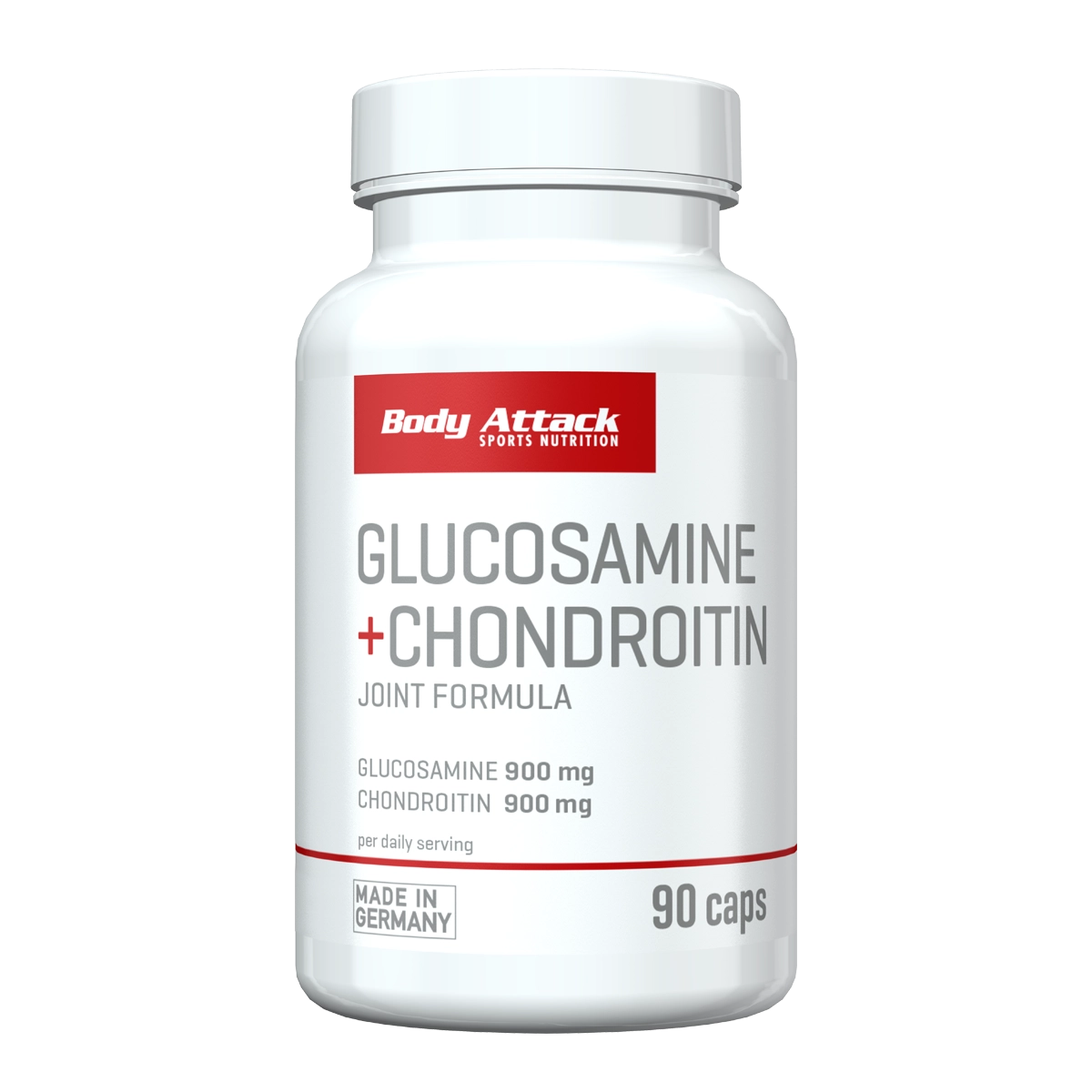
Neben den Muskeln sind beim Sport die Knochen und Gelenke gefordert. De Gelenke machen Bewegungen des Menschen überhaupt möglich. Bei vielen Sportarten werden sie gestärkt aber auch zum Teil sehr belastet. Aus diesem Grund sollten Sportler auch sehr achtsam mit ihren Gelenken sein. Als sogenannte Gelenknahrung sind die Inhaltsstoffe Glucosamin und Chondroitin beliebt, denn sie sind Bestandteile des Bindegewebes und der Gelenkflüssigkeit. Weiterhin werden Mineralstoffe, wie Kalzium, Magnesium und Zink als wichtig für die Gelenke benannt.