













10 Articles
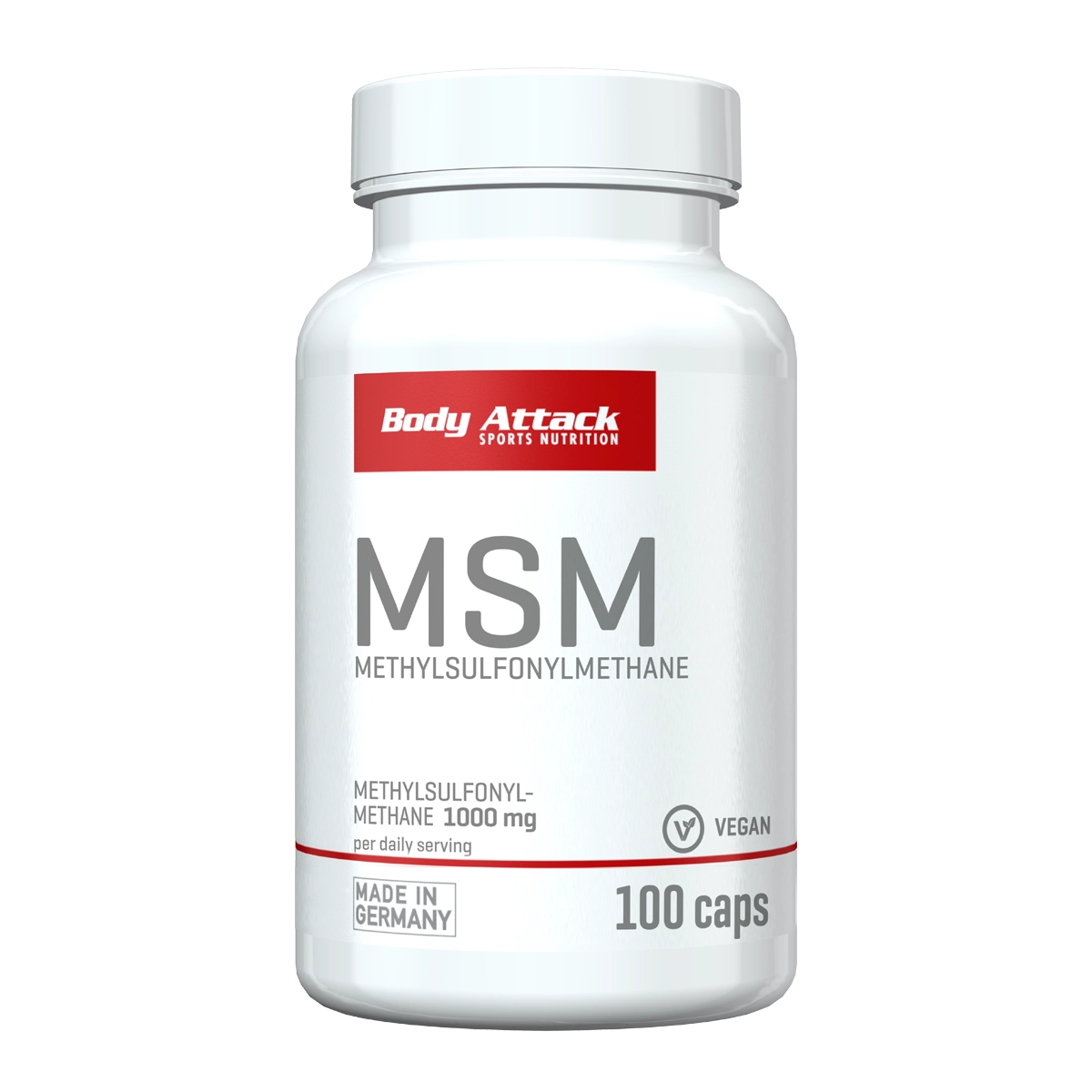
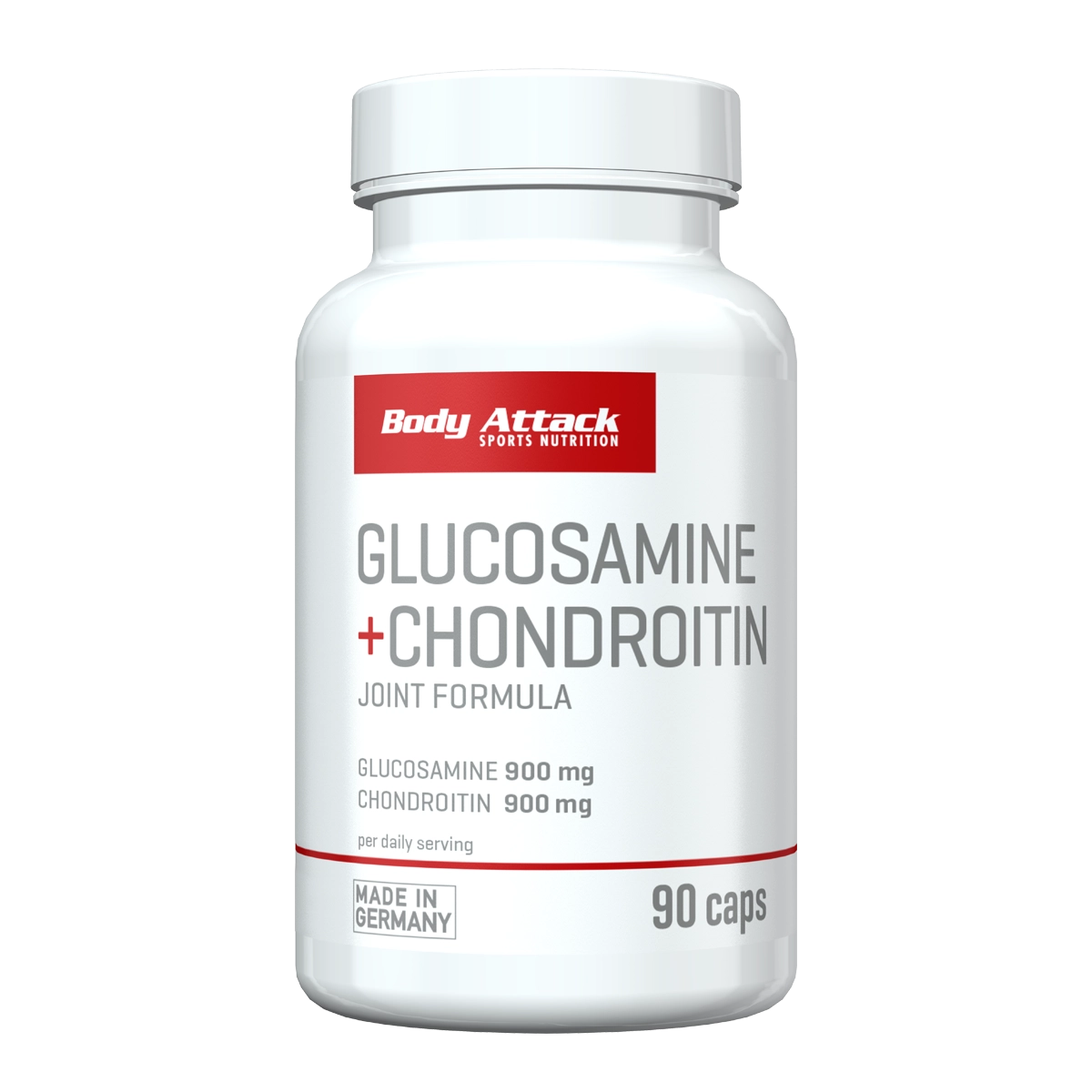
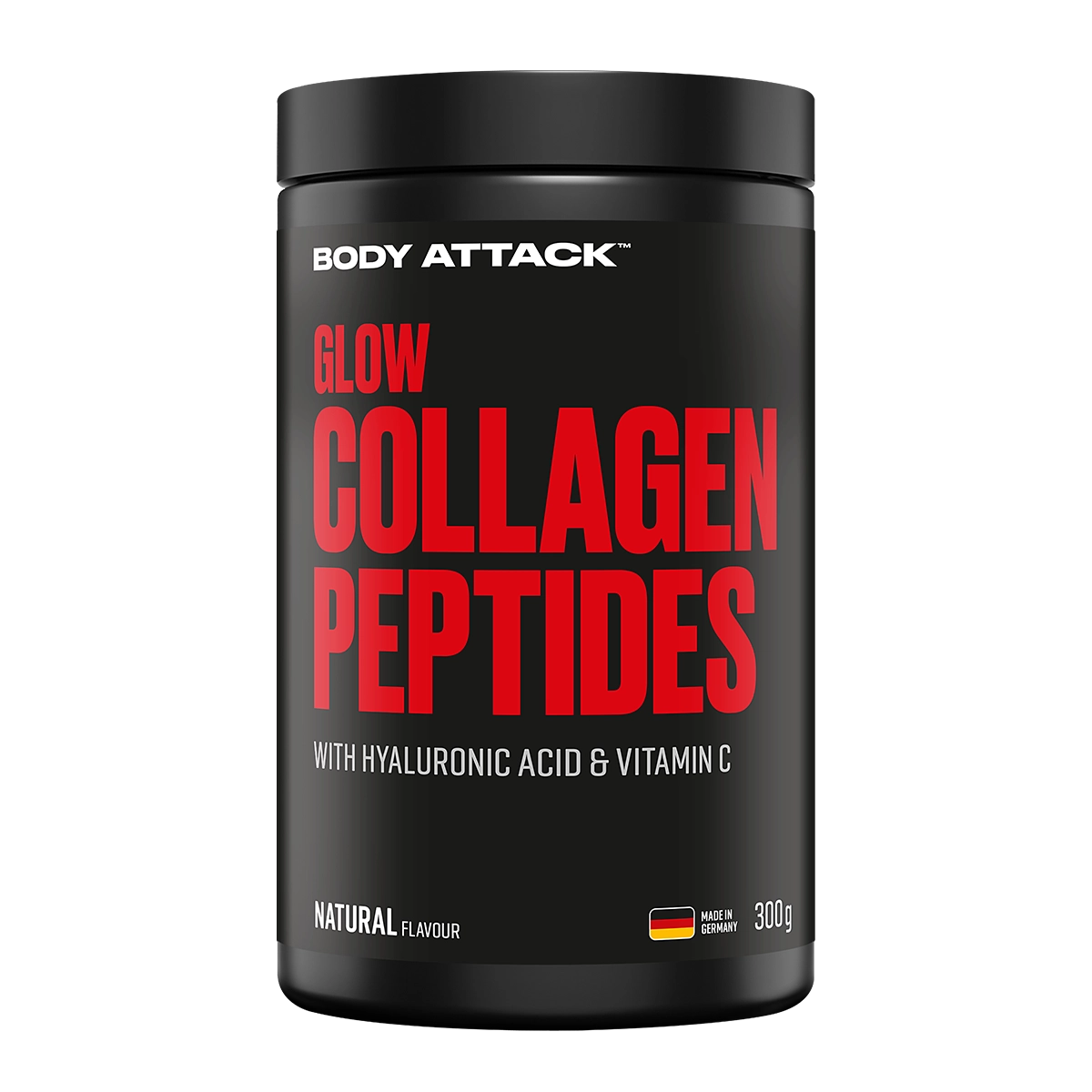

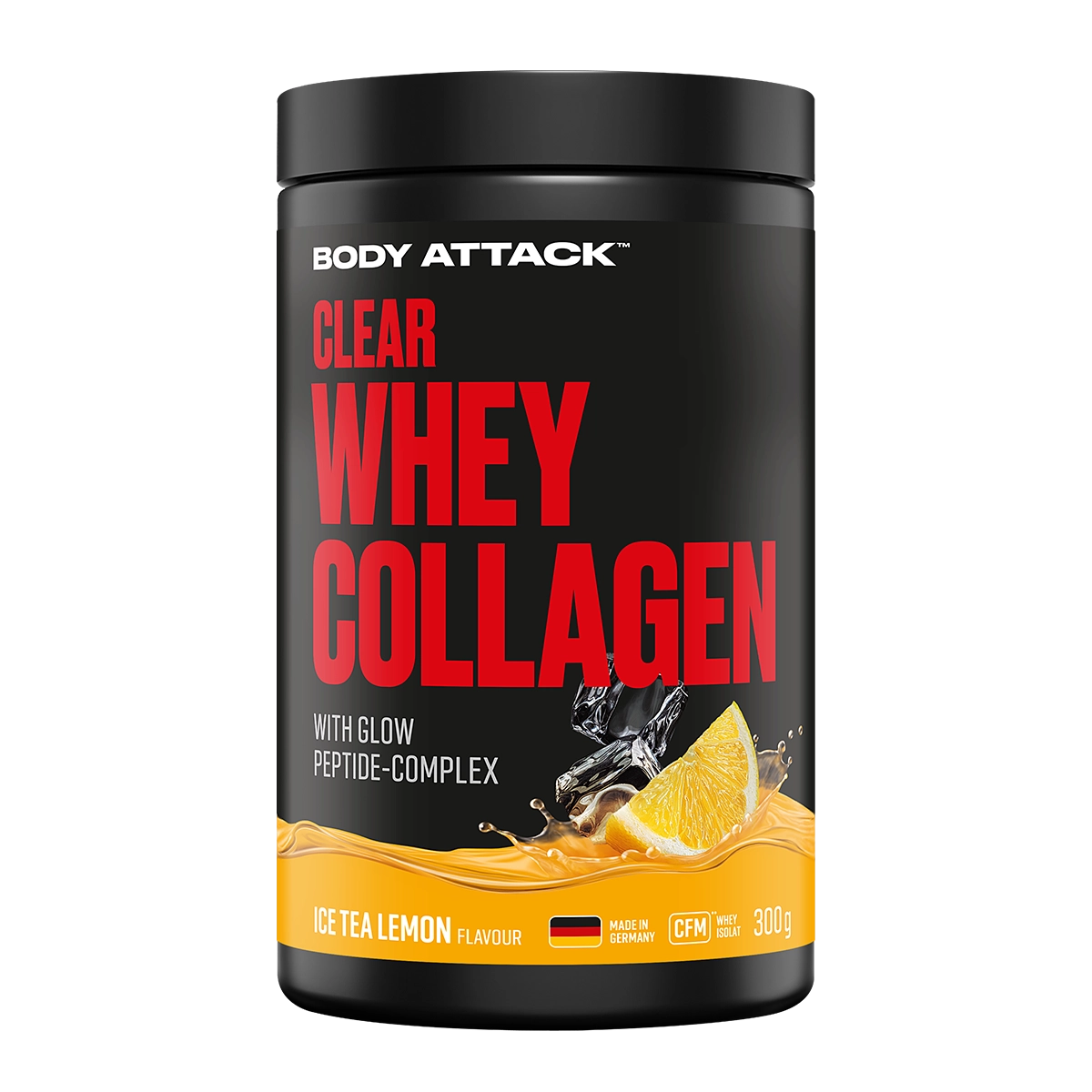
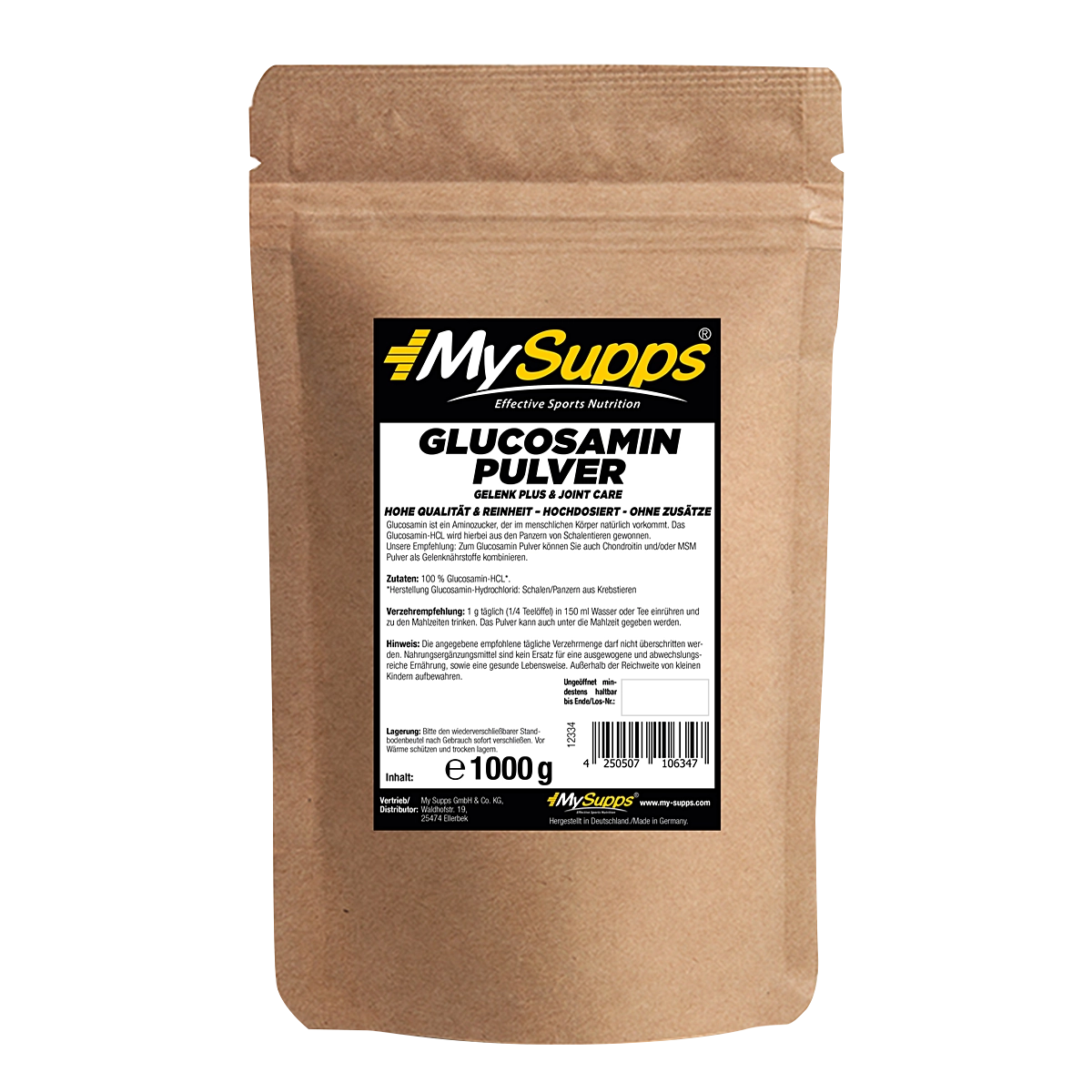
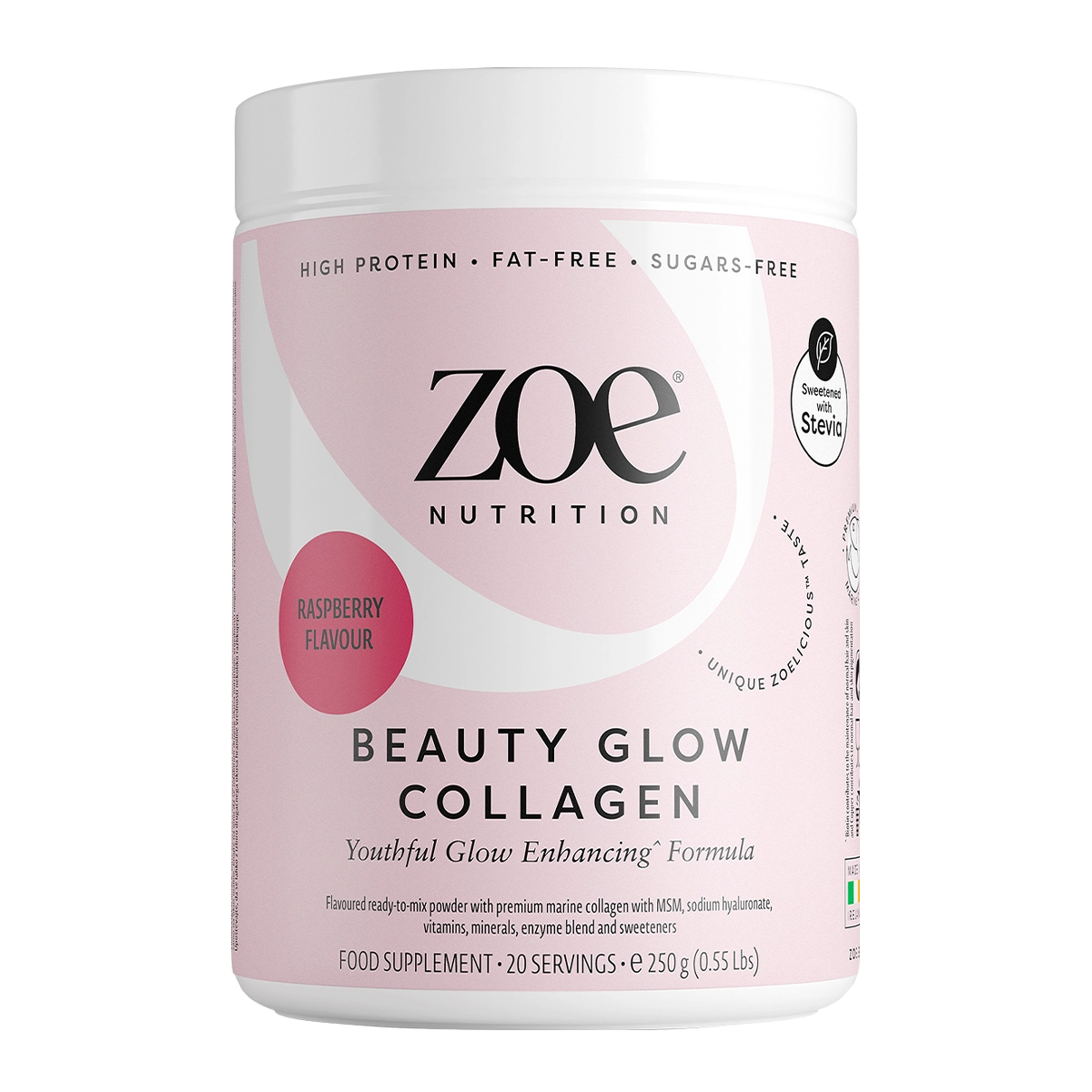
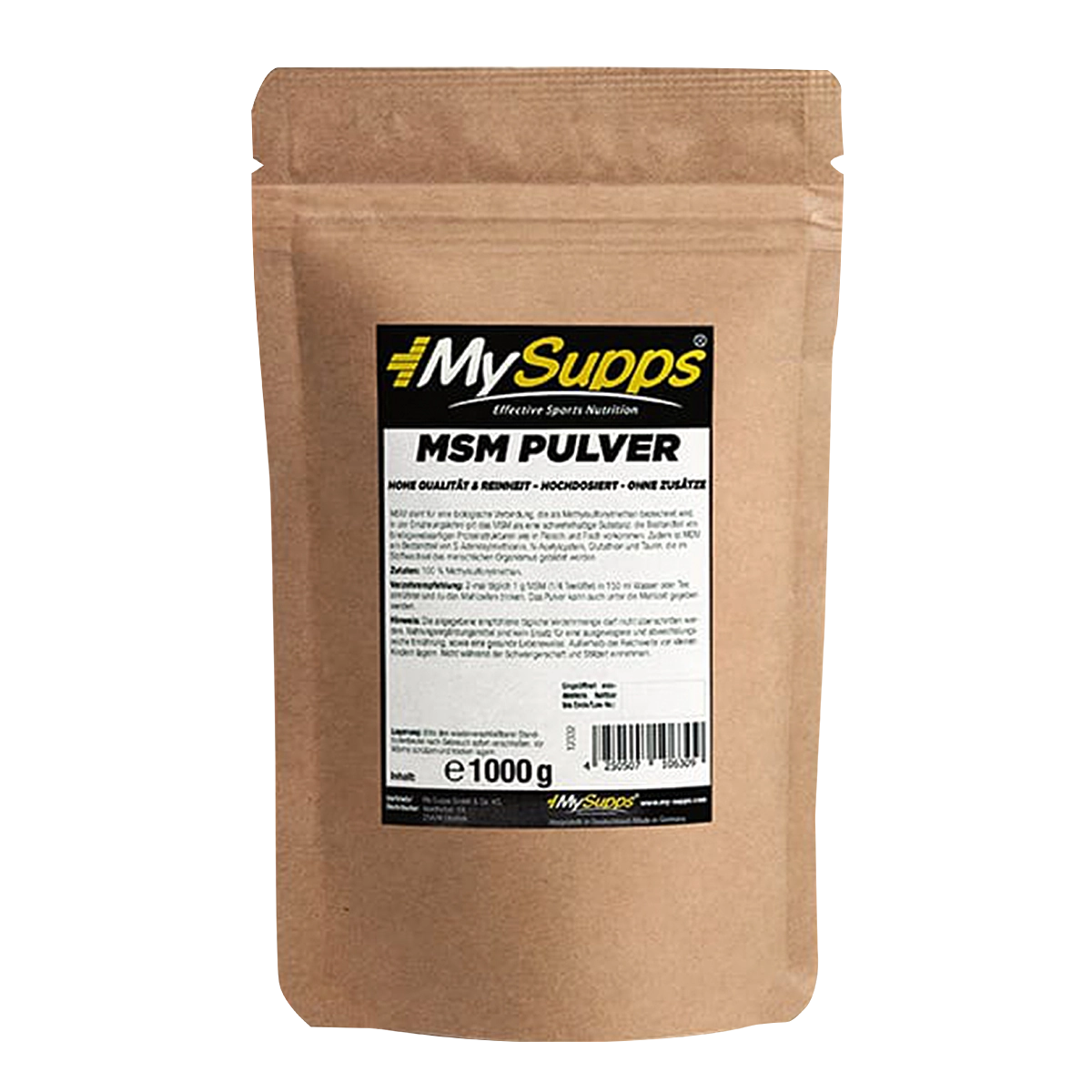
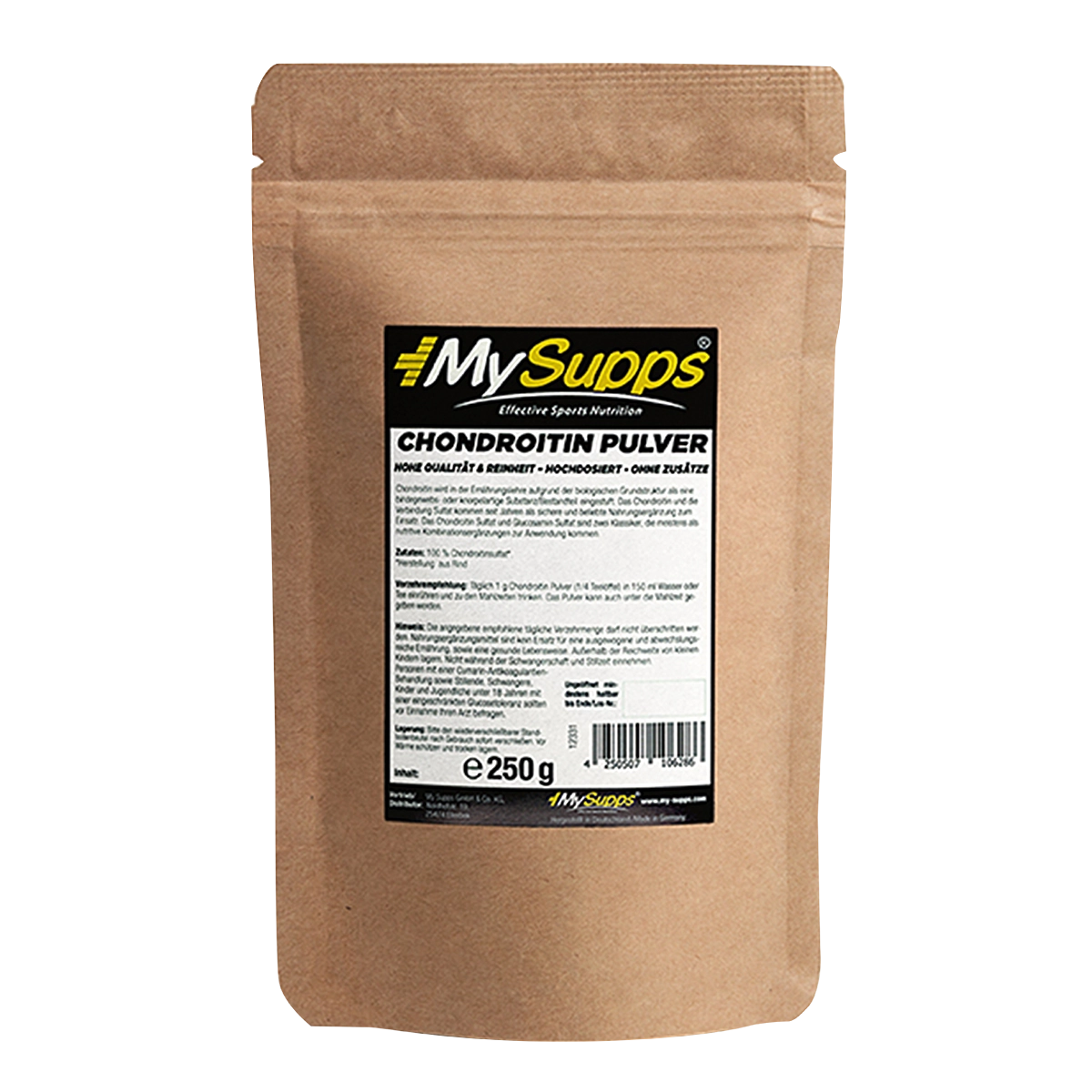
Das Knorpelgewebe, das die Gelenkflächen überzieht, wird als Gelenkknorpel oder Gelenkknorpelmasse bezeichnet. Es verbindet zwei Knochenenden miteinander und setzt sich aus elastischem, aber stabilem Zellmaterial zusammen. Die Hauptaufgabe ist es, Unebenheiten zu kompensieren und den Druck aufeinandertreffender Knochen abzufedern und gleichmäßig auf das Gelenk zu verteilen. Druck entsteht bei alltäglichen Bewegungsabläufen genauso wie bei sportlichen Belastungen. Ohne gesunde Gelenkknorpelmasse sind selbst alltägliche, einfache Bewegungsabläufe schmerzhaft.
Damit die Knorpelmasse elastisch bleibt, müssen die Gelenke ständig bewegt und gepflegt werden. Damit sie nicht einrosten, ist ständige Bewegung wichtig. Die Konsistenz der Knorpelmasse wird durch die Zufuhr wertvoller Nährstoffe gefördert. Der Knorpel selbst kann aber keine Nährstoffe herstellen. Nährstoffe in Form von Mineralstoffen und Zucker-Eiweiß-Bausteinen müssen daher über die Nahrung zugeführt werden.
Damit die Knorpelmasse elastisch bleibt, müssen die Gelenke ständig bewegt und gepflegt werden. Damit sie nicht einrosten, ist ständige Bewegung wichtig. Die Konsistenz der Knorpelmasse wird durch die Zufuhr wertvoller Nährstoffe gefördert. Der Knorpel selbst kann aber keine Nährstoffe herstellen. Nährstoffe in Form von Mineralstoffen und Zucker-Eiweiß-Bausteinen müssen daher über die Nahrung zugeführt werden.
Knorpelmasse ist ein elastisches, aber stabiles Gewebe ohne Gefäße. Die Konsistenz von Knorpelmasse ist gelähnlich. Knorpelzellen setzen sich aus Kollagen, Wasser und Zucker-Eiweiß-Verbindungen zusammen. Letztere sind beispielsweise Glucosamin und Chondroitin.
Über das umliegende Gewebe, die Gelenkflüssigkeit, wird der Knorpel mit Nährstoffen versorgt. Dem Körper müssen daher konstant Nährstoffe zugeführt werden, damit die Knorpelmasse stabil und fest bleibt, ständig neue Flüssigkeit gebildet werden kann und die Gelenkfunktion nicht beeinträchtigt wird. In diesem Zusammenhang werden häufig Mineralstoffe, Proteine, Vitamine sowie Zucker-Eiweiß-Verbindungen, die der Struktur des Knorpels ähneln, genannt.
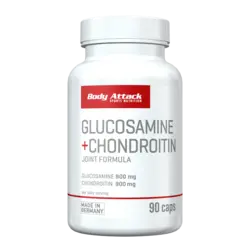
Mineralstoffe wie Kalzium, Magnesium und Zink erhalten die Knochenstruktur. Als natürliche Bestandteile des Knorpelgewebes sind auch die Aminozucker Glucosamin und Chondroitin zu erwähnen. Glucosamin oder Chondroitin werden zusammen mit Vitaminen und Mineralstoffen als Nahrungsergänzungsmittel angeboten. Welche Produkte sich speziell für euch eignen, erfahrt Ihr von den Body Attack Experten. Ob im Laden, am Telefon oder über unsere Chatfunktion – wir helfen euch gerne, das passende Produkt finden!
Über das umliegende Gewebe, die Gelenkflüssigkeit, wird der Knorpel mit Nährstoffen versorgt. Dem Körper müssen daher konstant Nährstoffe zugeführt werden, damit die Knorpelmasse stabil und fest bleibt, ständig neue Flüssigkeit gebildet werden kann und die Gelenkfunktion nicht beeinträchtigt wird. In diesem Zusammenhang werden häufig Mineralstoffe, Proteine, Vitamine sowie Zucker-Eiweiß-Verbindungen, die der Struktur des Knorpels ähneln, genannt.
Vitamin C trägt nach Angaben der Health-Claims-Verordnung zu einer gesunden Kollagenbildung für eine normale Knorpelfunktion bei.
Mineralstoffe wie Kalzium, Magnesium und Zink erhalten die Knochenstruktur. Als natürliche Bestandteile des Knorpelgewebes sind auch die Aminozucker Glucosamin und Chondroitin zu erwähnen. Glucosamin oder Chondroitin werden zusammen mit Vitaminen und Mineralstoffen als Nahrungsergänzungsmittel angeboten. Welche Produkte sich speziell für euch eignen, erfahrt Ihr von den Body Attack Experten. Ob im Laden, am Telefon oder über unsere Chatfunktion – wir helfen euch gerne, das passende Produkt finden!