










Made in Germany
30 years of experience
Fast delivery
Reseller Webshop
Webshop I Reseller
emz-listing-category-teaser-image

L-arginine is a semi-essential amino acid - this means that the body can produce it itself in an emergency. This proteinogenic amino acid is a protein building block. And protein is important for the human organism, as it is responsible for building and maintaining muscles, among other things. Proteins are made up of amino acids. Some are particularly important for athletes when it comes to athletic performance. Amino acids play an important role in protein metabolism. This is why more and more athletes, not just those involved in strength and competitive sports, are using L-arginine as a dietary supplement. It can be taken with various foods, such as pine nuts, turkey meat or pumpkin seeds. L-arginine is one of the most nitrogen-rich amino acids and is therefore very popular with strength athletes. But it is also known from textbooks that it is involved in the formation of nitric oxide (NO) and creatine production in the body. Alongside BCAAs, it is therefore also one of the most popular pre-workout supplements.

Read more
Filter
7 Products
7 Articles
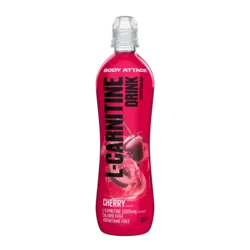
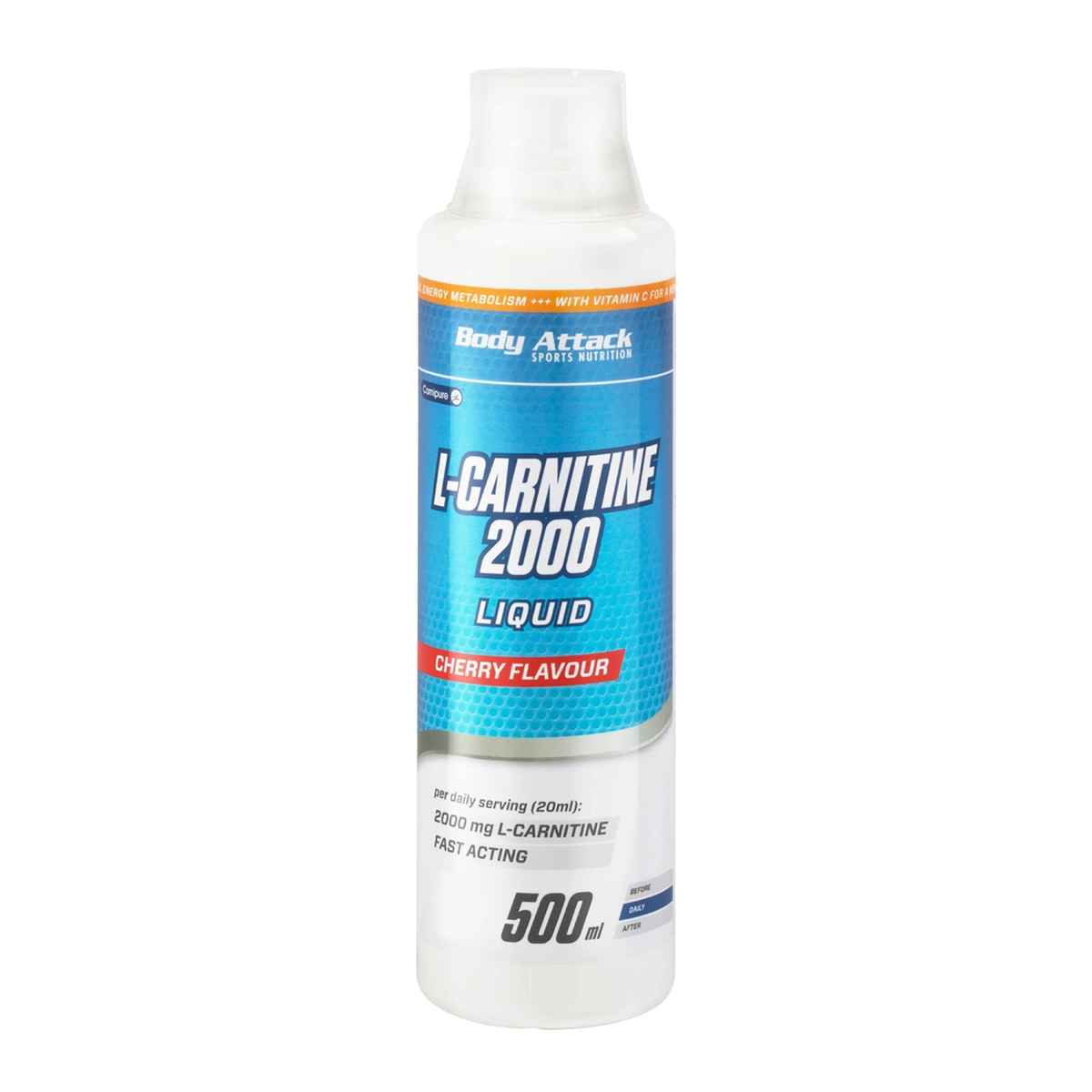
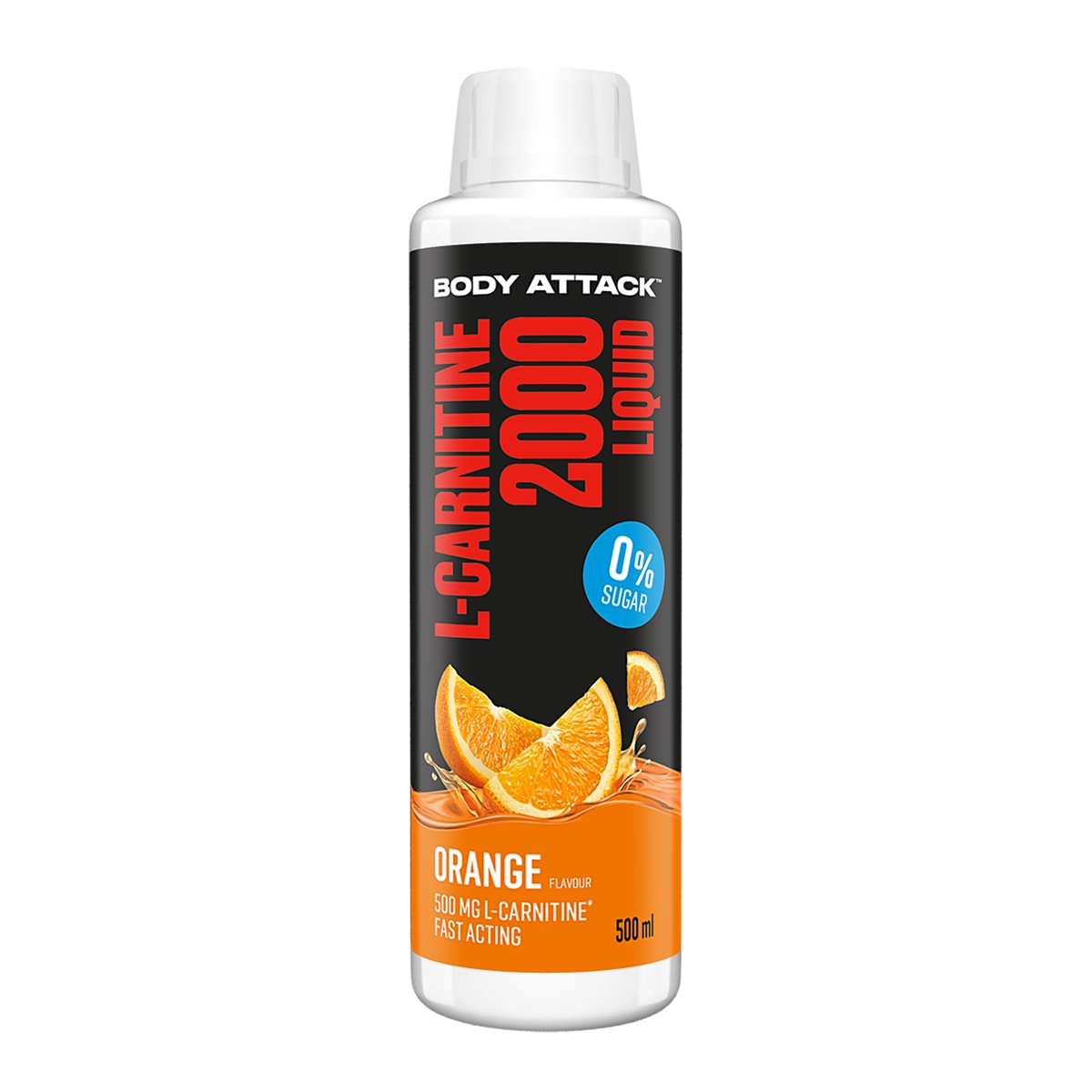
L Carnitine Drink
From €1.89

0.5 L (€3.78/ 1 L)

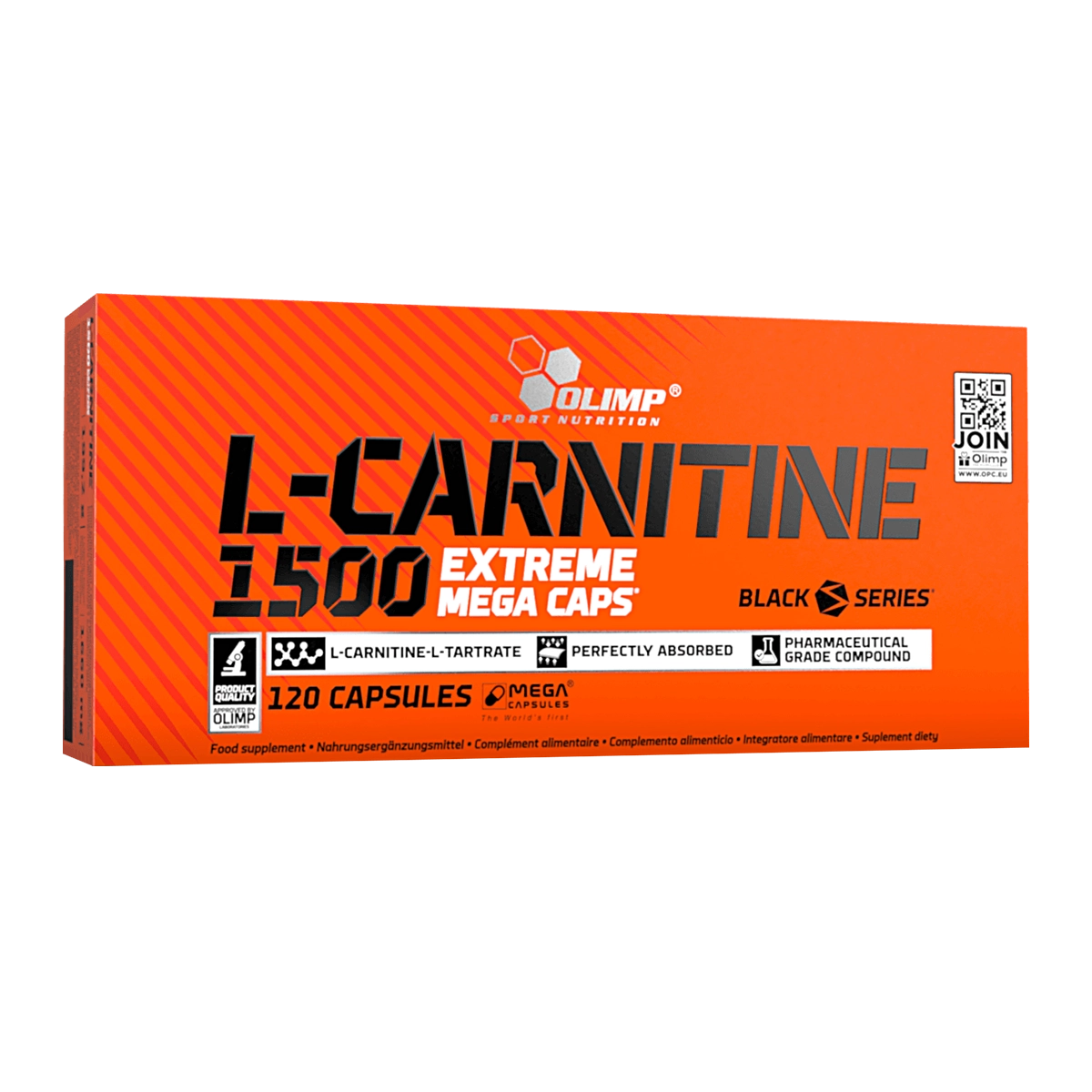
L Carnitine 2000
€22.99

0.09 KG (€255.44/ 1 KG)

L Carnitine Liquid 2000
From €28.99

Carnipure 1500
€34.99

L Carnitine Shot
From €1.49

0.025 L (€59.60/ 1 L)

L Carnitine 2000 Liquid
€14.99

-24 %
L Carnitine Base
€7.99 €10.49

0.1 KG (€79.90/ 1 KG)

Effects of arginine

Experience shows that it is very popular in bodybuilding as a “pre-workout supplement,” meaning it is taken directly before training. The reason: L-arginine can help bind the ammonia produced from broken-down proteins more effectively as urea and eliminate it via the kidneys. This process is known as the urea cycle, which is responsible for removing uric acid. Uric acid, in turn, influences our acid-base balance in the blood, which is very tightly regulated. The blood’s pH level ranges between 7.35 and 7.45. Any imbalance can hinder energy flow and other metabolic processes because enzymes that produce energy from nutrients do not function well in an acidic environment. Body cells and their protein structures are also very sensitive to acids. Therefore, the urea cycle — and L-arginine — serve as important acid regulators or buffers. Many also refer to L-arginine as an indirect fatigue blocker. For this reason, many athletes use the alkaline amino acid L-arginine during intense training phases to delay fatigue as much as possible. It also helps reuse excess nitrogen from broken-down muscle proteins for muscle-building processes. This creates a synergy effect, as L-arginine also contributes to creatine formation. Every athlete knows the positive effects of creatine — with a daily intake of 3 g, many experience increased strength (more weight and repetitions). This is why L-arginine is so popular: the amino acid is involved in creatine synthesis and the urea cycle. These properties are closely linked to the following goals:

  • Strength gains
  • Recovery
  • Muscle growth
  • Improvement of acid-base balance
1

What makes it special?

As a semi-essential amino acid, the body can synthesize arginine itself in small amounts. Arginine is produced in the urea cycle from carbamoyl phosphate, L-aspartate, and L-ornithine. However, these amounts are not sufficient to fully meet the body’s needs. Especially in certain life situations, the body may not be able to keep up with its own production, making an increased intake through food necessary. Foods such as meat, fish, nuts, and seeds contain arginine, for example.

An increased need for L-arginine can arise during periods of intense physical activity, strict dieting, or growth. This is because metabolic processes — particularly protein metabolism — are running at full speed. For this reason, athletes and physique-conscious individuals should ensure adequate protein intake through their diet so that the body receives all eight essential amino acids in sufficient amounts. The body cannot produce these eight amino acids itself, and without them, the other twelve non-essential amino acids (including L-arginine) cannot be synthesized. This is of great importance for both strength and endurance athletes.
2

Which functions?

First and foremost, it should be mentioned that L-arginine is also involved in vasodilation and blood circulation. This refers to nitric oxide (NO), which is described as a gaseous substance. The graphic illustrates a comparison of blood vessels.

  1. A normal blood vessel
  2. Arginine is converted into nitric oxide (NO) at the inner walls of the blood vessels.
  3. A higher NO concentration leads to relaxation of smooth muscle cells and therefore to dilation of the blood vessels.
  4. This allows more oxygen, nutrients, and anabolic hormones to be delivered to the muscles.

It also plays an important role in protein metabolism and the urea cycle. Arginine helps convert metabolic waste products produced during muscle training — such as ammonia or methylhistidine — in the liver and excrete them via the kidneys in the form of urea. By eliminating metabolic waste products, nutrient transport pathways are cleared, allowing protein metabolism to function smoothly.

The amino acids L-glutamine, L-ornithine, and L-arginine are involved in the urea cycle and contribute to the breakdown of metabolic waste products. In the liver — the body’s central metabolic organ — many enzymes are active and require increased amounts of arginine for these breakdown processes.

As a result, it influences many metabolic processes in the body, particularly protein metabolism, which is also involved in muscle building when adequate protein intake is ensured. Since protein metabolism and energy metabolism overlap and run in parallel, the breakdown processes in the urea cycle are essential. Early elimination of metabolic end products enables energy-producing metabolic processes to function more efficiently.

It also plays an indirect role in energy metabolism. The body uses creatine for muscular performance, which it partly produces itself. Together with other amino acids, arginine is involved in creatine production, ensuring that creatine phosphate stores in the muscles are continuously supplied. When creatine stores are full, the direct fuel ATP (adenosine triphosphate) can be produced more quickly during short, intense exertion. This increases physical performance during explosive strength activities and short-term intense physical efforts (with at least three grams of creatine daily), and in combination with proteins, it may even support muscle growth.

3

Different types

You may also have heard of arginine HCL or AAKG. These are essentially different forms of arginine available on the supplement market as single-ingredient products or in pre-workout drinks. Arginine HCL stands for arginine hydrochloride and represents a biochemically more stable version of L-arginine. It is slightly acidic, dissolves well in water, and is relatively well absorbed by the body.

The combination of arginine and alpha-ketoglutarate is called AAKG and is relatively neutral in taste. It is absorbed better than arginine HCL because the body naturally produces alpha-ketoglutarate itself. This allows it to be utilized very efficiently. An even more effective option is arginine BASE (ARGININE ZERO), as it is the 100 percent purest form of L-arginine. This means it provides significantly more L-arginine than the other two forms. Why? Arginine BASE has no additional compounds attached, so it consists of 100 percent pure L-arginine. Although all forms are generally well absorbed by the body, L-arginine BASE (Body Attack ARGININE ZERO POWDER) can provide up to 30 percent more L-arginine compared to the other two forms. This gives the body a higher supply of L-arginine than with the other versions. The purest and strongest form of L-arginine is the BASE, making it one of the most popular and advanced forms. However, pre-workout drinks like Attack 3.0 in combination with L-arginine BASE can also be very effective.

4

How high is the requirement?

For athletes, the requirement for protein and amino acids is increased, as muscular strain leads to greater damage to muscle fibers. Endurance athletes may even burn the body’s own amino acids when muscle energy stores are completely depleted.

Among the 20 amino acids, L-arginine is also used up because it plays a role in both breakdown and building processes in protein metabolism. Vitamin B6 is also involved and contributes to maintaining normal protein and glucose metabolism. For this reason, daily consumption of foods such as walnuts, peanuts, pumpkin seeds, pine nuts, or chicken is important. Alternatively, dietary supplements can be used to achieve a similar effect.

With high protein turnover or an unbalanced diet, supplementation can be a useful addition to daily nutrition, just like vitamins. Body Attack offers both capsule and powder forms. Athletes often take capsules such as Arginine-Shock before training. Alternatively, amino acids in powder form (Arginine Zero from Body Attack) are consumed together with carbohydrate-rich liquids or a protein shake.

5

Intake

It is recommended to take it about 30 minutes before training to support creatine synthesis and strength gains. Depending on body weight and gender, 4–6 g should be taken with sufficient water. In bodybuilding, a pre-workout shake with additional supplements is common practice. A popular combination is L-arginine and citrulline. Optionally, caffeine or L-tyrosine can also be added to the shake for a more intense effect.

To maintain consistently elevated L-arginine levels, smaller doses throughout the day are recommended — for example, 3 g of L-arginine in the morning after waking and 3 g before going to bed. On training days, take 3 g before and after your workout. However, note that single doses above 6 g of L-arginine may cause intolerance or diarrhea. If you want to achieve maximum effect, consider using ARGININE ZERO!

6

Forms of L-arginine

As with many dietary supplements, arginine can be consumed in various forms. The powder form is usually the most affordable and is ideal if you want to mix additional ingredients into a pre-workout shake, such as citrulline.

The advantage of the capsule form is its simple dosing. There is no need for a scale — you can simply take a specific number of capsules.

Arginine is also available in shot form, similar to energy drinks. In this case, it is liquid and usually mixed with other, often sugary ingredients. This form is mainly suitable for muscle-building phases!

7

Side effects

Side effects are generally very limited. At very high dosages (> 10 g per day), digestive issues and diarrhea may occur. Amounts of up to 6 g of L-arginine per day are usually well tolerated.

If you experience digestive problems even at doses of up to 6 g of L-arginine per day, it is best to spread the intake throughout the day (e.g., 2 × 3 g of L-arginine) and take it with meals to allow for slower absorption.

8

Q and A

When does it start working?
If you want to use L-arginine as a pre-workout supplement or single ingredient before training, its effects can begin within 20–30 minutes after intake. You can simply drink your shake at home, head to the gym, and start your workout!

Which is the best form?
Everyone is different, so it’s best to try different forms of L-arginine. However, the strongest form is Arginine ZERO because it provides 100 percent pure L-arginine. It is considered the most advanced form of arginine and ensures more effective absorption and supply.

Is it suitable for women?
Absolutely! Women can also benefit from its effects. There is nothing that speaks against using it.

9

Summary

The body can produce L-carnitine from the two essential amino acids methionine and lysine. However, it must also be obtained through the diet. Vegans, vegetarians, and individuals following a strict diet in particular should ensure they do not develop a deficiency.

If more L-carnitine is consumed through supplements and food than the body needs, the excess is simply excreted in the urine.

  • It is a vitamin-like substance made from the amino acids lysine and methionine
  • It is commonly taken for weight loss, during strict dieting, for muscle building, and for recovery
  • The body’s own L-carnitine transports fatty acids to the mitochondria in the cells to optimally supply the body with energy
  • Daily requirements can usually be met through diet, so deficiency is relatively rare
  • L-carnitine supplementation is not intended for long-term nutrition and should not be used as a substitute for a balanced, varied diet and a healthy lifestyle
  • When purchasing L-carnitine, pay attention to high-quality raw materials. Carnipure, produced in Switzerland, is known for its exceptional purity and quality and should only be purchased from reputable manufacturers