














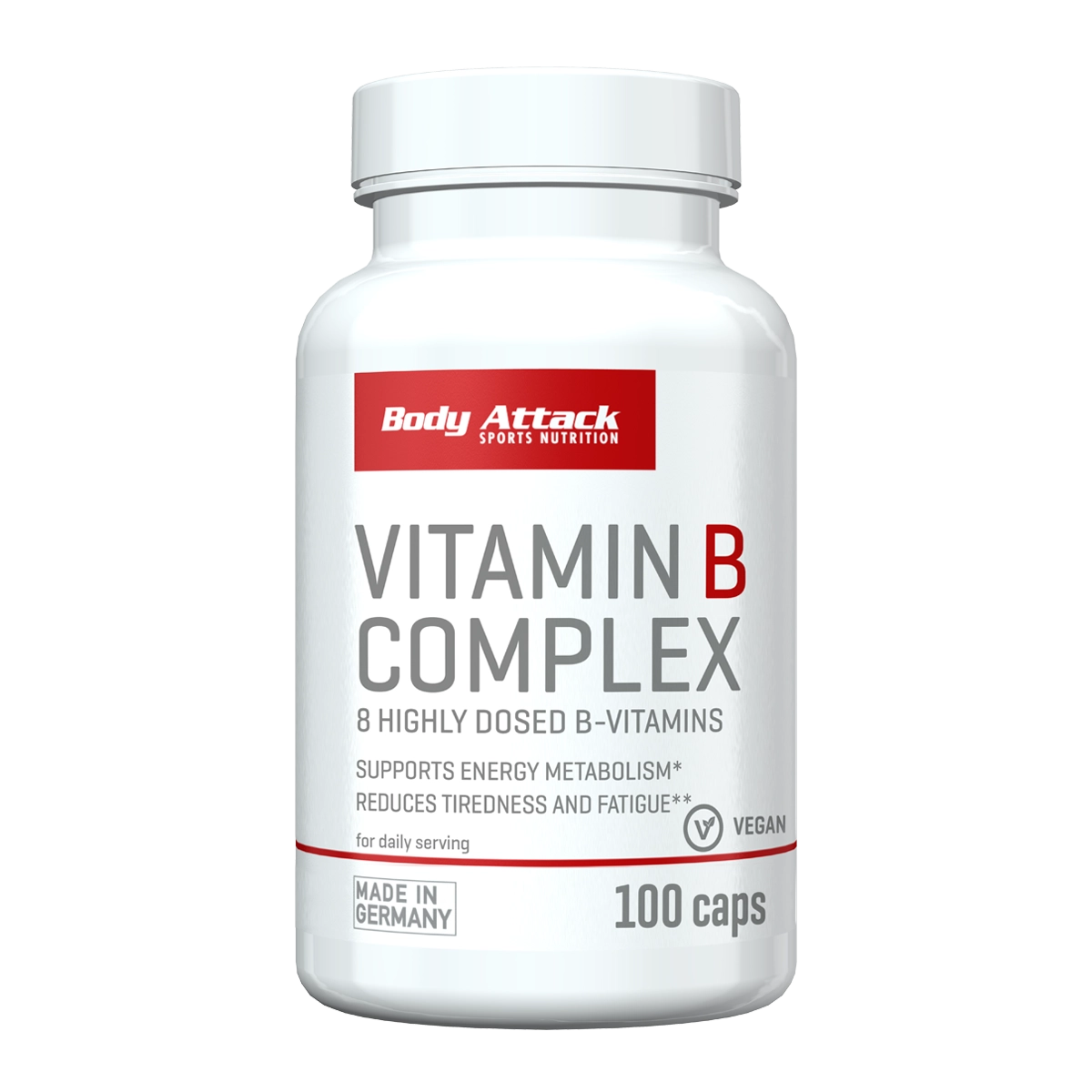
B-Vitamine gehören zur Klasse der sogenannten hydrophilen. Sie sind im Gegensatz zu anderen nicht fett-, sondern wasserlöslich. Im menschlichen Körper erfüllt jedes seine eigene Funktion. Sie sind alle am normalen Energiestoffwechsel und Immunsystem beteiligt. Zudem haben sie Einfluss auf Gehirn und Nerven sowie Muskulatur und Blutbildung. Eine wichtige Rolle spielen sie auch für das Herz-Kreislauf-System. Es trägt nämlich zu einem normalen Homocysteinspiegel bei. Je höher dieser Spiegel ist, desto höher sind häufig auch die Blutwerte.
Sie sind außerdem an verschiedenen Stoffwechselvorgängen beteiligt. So spielen unterschiedliche B-Vitamine sowohl für den Kohlenhydrat- und Proteinstoffwechsel als auch für den Fettstoffwechsel eine Rolle.
Overview
B1, auch Thiamin, trägt zum normalen Nervensystem und zur normalen psychischen Funktion bei. Es wird daher häufig auch als Stimmungsvitamin oder Gute-Laune-Vitamin bezeichnet. In größeren Mengen kommt es in Sonnenblumenkernen und Sojabohnen vor.
B2 wird auch als Riboflavin bezeichnet. Es spielt für den Energie- und Eisenstoffwechsel eine Rolle. Natürliche Quellen sind Milchprodukte, aber auch Gemüse wie Broccoli, Spinat oder Spargel.
B3, bekannter als Niacin, findet sich insbesondere in Fisch, Geflügel und Bohnenkaffee. Es erfüllt ähnliche Funktionen wie das B2. So ist Niacin am Energiestoffwechsel beteiligt, der sich aus dem Kohlenhydrat-, Protein- und Fettstoffwechsel zusammensetzt. Zudem trägt es zur Verringerung von Müdigkeit bei, was besonders für intensive Trainingseinheiten wichtig ist.
B5 wird auch als Pantothensäure bezeichnet. Es ist in Eigelb, Avocados, Nüssen und Reis enthalten. Es setzt sich aus Beta Alanin und Pantoinsäure zusammen. Wirkung hat es als Baustein von Coenzym A, das wiederum aus Pantothensäure, Cystein und ATP besteht. Es trägt zur normalen Synthese und einem normalen Stoffwechsel bei.
B6, auch Pyridoxin genannt, ist am Protein- und Glykogenstoffwechsel beteiligt. Der Bedarf ist von der Proteinzufuhr abhängig. Je eiweißhaltiger die Nahrung, desto mehr Pyridoxin benötigt der Körper. Zudem ist es an der Bildung roter Blutkörperchen beteiligt.
B7 trägt den Beinamen Biotin. Es kommt unter anderem in Schokolade und Nüssen vor. Biotin ist am Stoffwechsel aller Makronährstoffe (Kohlenhydrate, Eiweiße, Fette) beteiligt. Zudem partizipiert es am Erhalt von Haut, Haaren, Schleimhäuten und Nerven.
B9 ist besser als Folsäure bekannt. Es besteht unter anderem aus Glutamat. Folsäure ist an der Zellteilung beteiligt. Insbesondere Knochenmarkszellen, die auch der Blutbildung dienen, benötigen es zur Teilung.
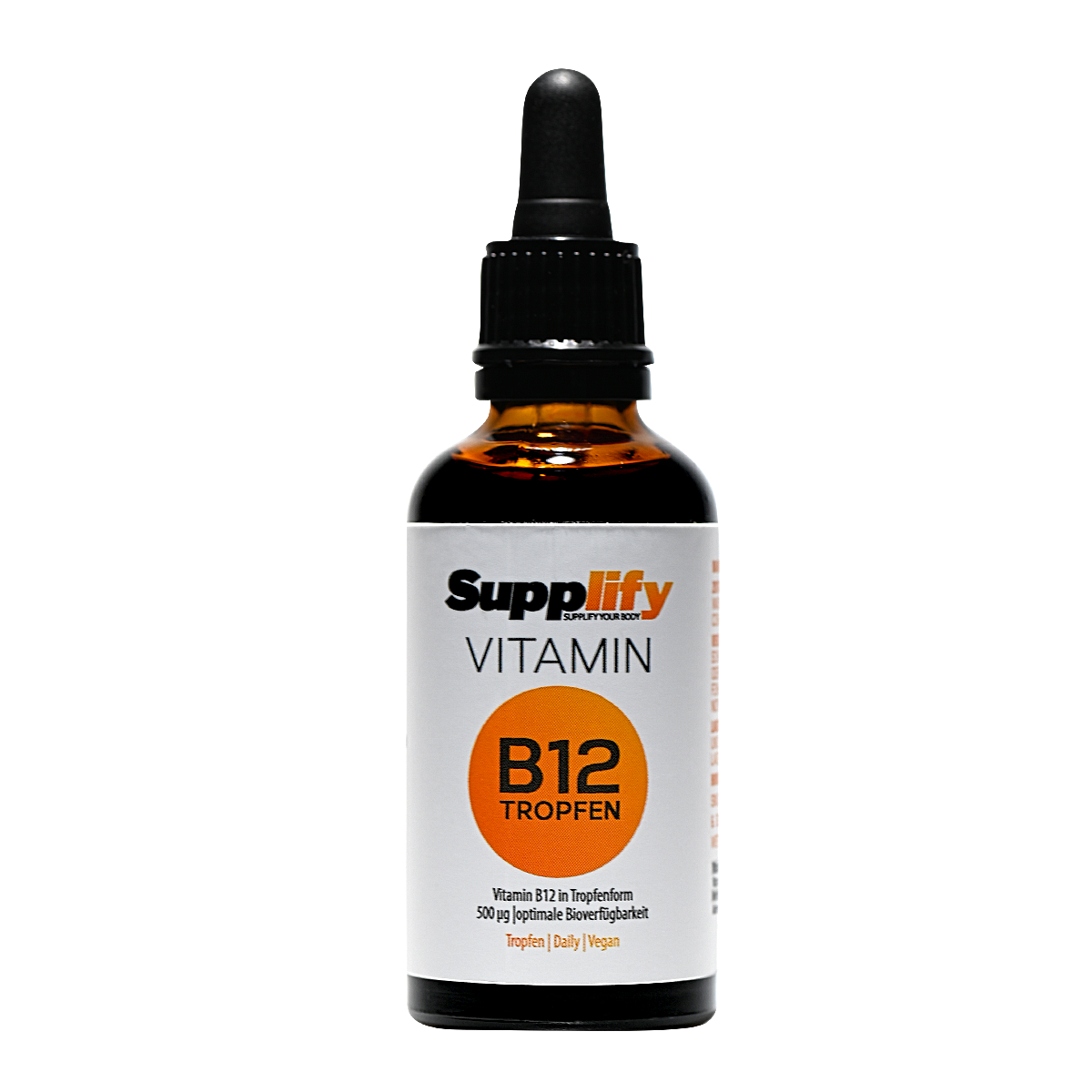
B12, auch Cobalamin genannt, unterscheidet sich in Beschaffenheit und Funktion von allen anderen. Als einziges kommt es ausschließlich in tierischen Produkten vor. Außerdem kann es im Gegensatz zu den anderen B-Vitaminen im Körper gespeichert werden. Es wird auch für zahlreiche Stoffwechselvorgänge benötigt. Die wichtigsten Prozesse sind Zellteilung, Blutbildung und die normale Funktion des Nervensystems.
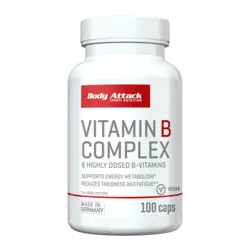
Die Gruppe der B-Vitamine ist unter anderem für den Energiestoffwechsel und die Zellerneuerung im Körper wichtig. Besonders bei Leistungssportlern kann bereits eine geringfügige Unterversorgung zu sportlichen Einschränkungen führen. Sportler brauchen demnach ausreichend. Das ist auch auf den erhöhten Energiebedarf während Trainings- und Wettkampfphasen zurückzuführen. In diesem Zusammenhang spielen die Vitamine B1, B2 und B6 eine zentrale Rolle, da sie für den Energiestoffwechsel von Bedeutung sind. Vitamin B9 und B12 sind für die Zellen und damit auch für die roten Blutkörperchen wichtig.
Zudem gehen über die Schweißfunktion Mikronährstoffe wie diese verloren. Dieser Mikronährstoffverlust muss angemessen ausgeglichen werden. Da die B-Vitamine in vielen Lebensmitteln vorkommen, sind Mangelerscheinungen in den hiesigen Sphären selten. Für Kraft-, Ausdauer- und Leistungssportler, die mehrmals pro Woche aktiv sind, können sich jedoch Vitamin-B-Präparate als sinnvoll erweisen.