





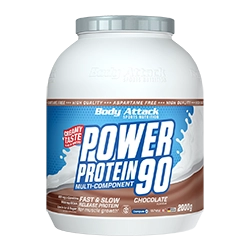
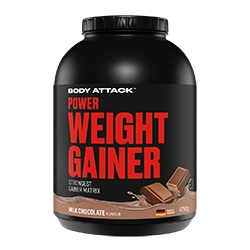

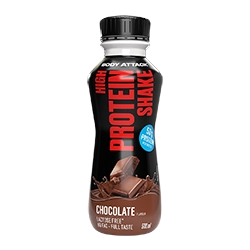








Raw cow’s milk contains 2.6% casein protein in addition to vitamins and minerals. The milk of mammals with only one stomach contains significantly less.
Overview
During digestion, proteins are broken down into amino acids. About 95% of these are found in the muscles. They have a coarse structure and are processed very slowly by the body. This supplies the muscles with amino acids for 6–8 hours. People who perform heavy physical work or, for example, strength athletes, bodybuilders, soccer players, and extreme athletes can maintain performance and delay muscle fatigue through casein proteins. By heating or adding the enzyme pepsin, the proteins can be partially broken down and are then easier for the body to utilize. Allergic reactions to casein can occur, but they are very rare. It is suspected that some people do not fully digest casein and that the remaining exorphins have a pain-relieving effect on the brain and nervous system.
Casein protein contains few carbohydrates and hardly any fat. It is therefore also used as a meal replacement in a calorie-reduced diet.
Due to its slow digestion, casein protein is particularly suitable for overnight supply. That is why it is also referred to as night-time protein. When taken in the evening before going to sleep, the muscles are continuously supplied with protein throughout the night. This can reduce catabolic processes (muscle-breaking processes), since proteins contribute, among other things, to muscle maintenance.
However, it is not only catabolic processes that are reduced—muscle-building processes are also promoted, because as a protein, casein contributes to muscle growth.
Micellar casein is obtained through microfiltration. This is a gentle process in which no chemicals are used. The temperatures used are also comparatively low, which helps preserve the protein components.
Calcium caseinate is obtained through acid precipitation. In this process, casein is separated from the milk. The separated casein is low in fat and carbohydrates, but it is no longer in its natural form—however, this does not make it inferior in quality.
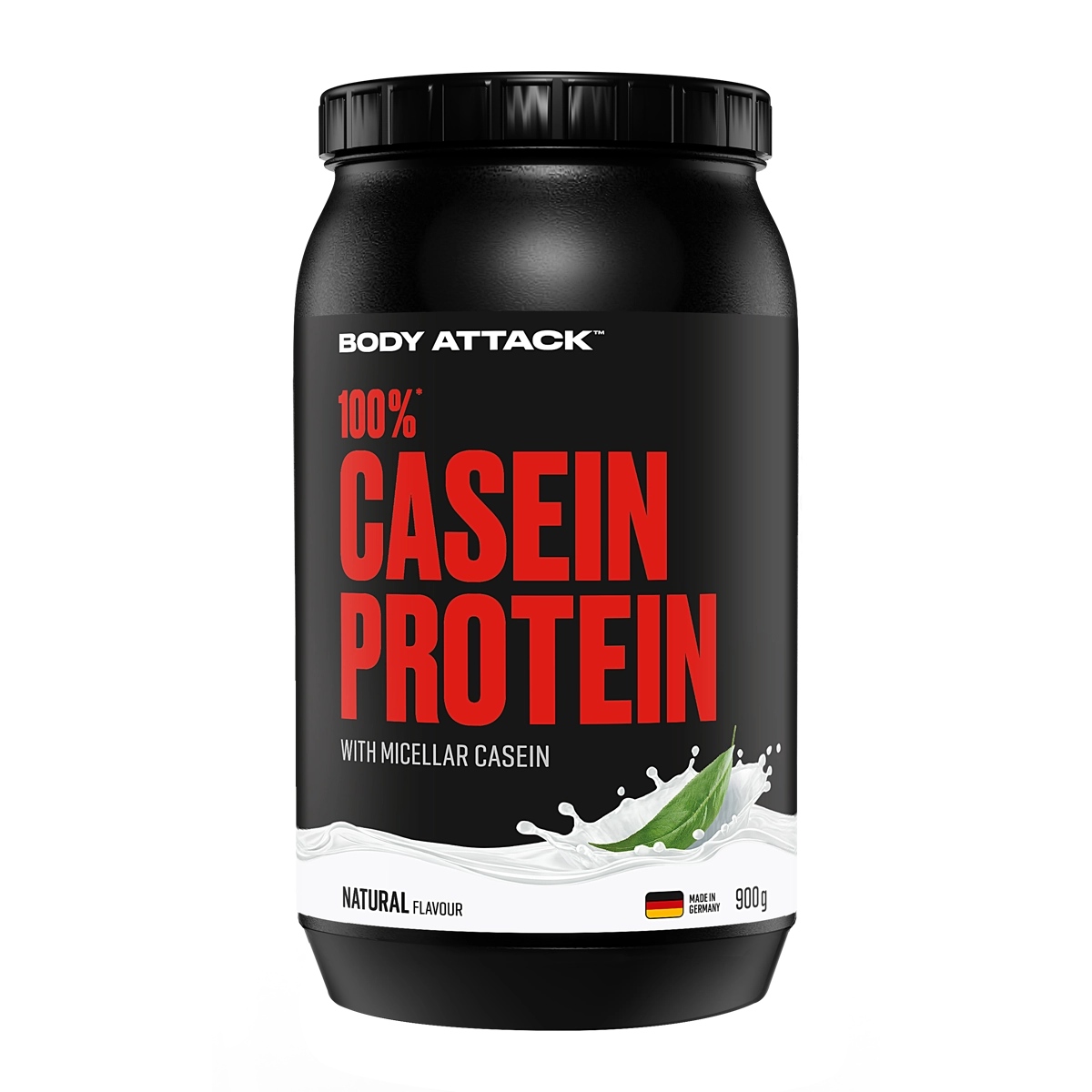
The 100% casein protein from Body Attack consists of 85% calcium caseinate and approx. 9% micellar casein. Both types are digested slowly and therefore provide the body with amino acids over several hours. The included calcium also contributes to normal energy metabolism, normal muscle function, and the maintenance of healthy bones.
20 to 30 g (2–3 tablespoons) of casein protein can be mixed into 200 to 300 ml of water, low-fat milk (1.5%), or a carbohydrate-containing liquid (juice spritzer, fruit juice, shake) and consumed before or after training. 1 measuring scoop corresponds to approx. 30 g of powder. The stated recommended daily intake should not be exceeded.
The taste of casein protein can be varied according to personal preference by adding ingredients of your choice. Cocoa powder works very well, but spices such as cinnamon, chili, or pepper can also create interesting flavors. Using fruit juice is also possible, but it provides additional calories and carbohydrates. Those who want to consume fewer carbohydrates can also mix the powder into tea.
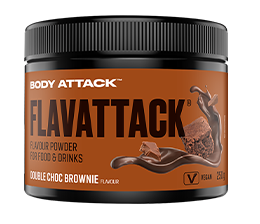
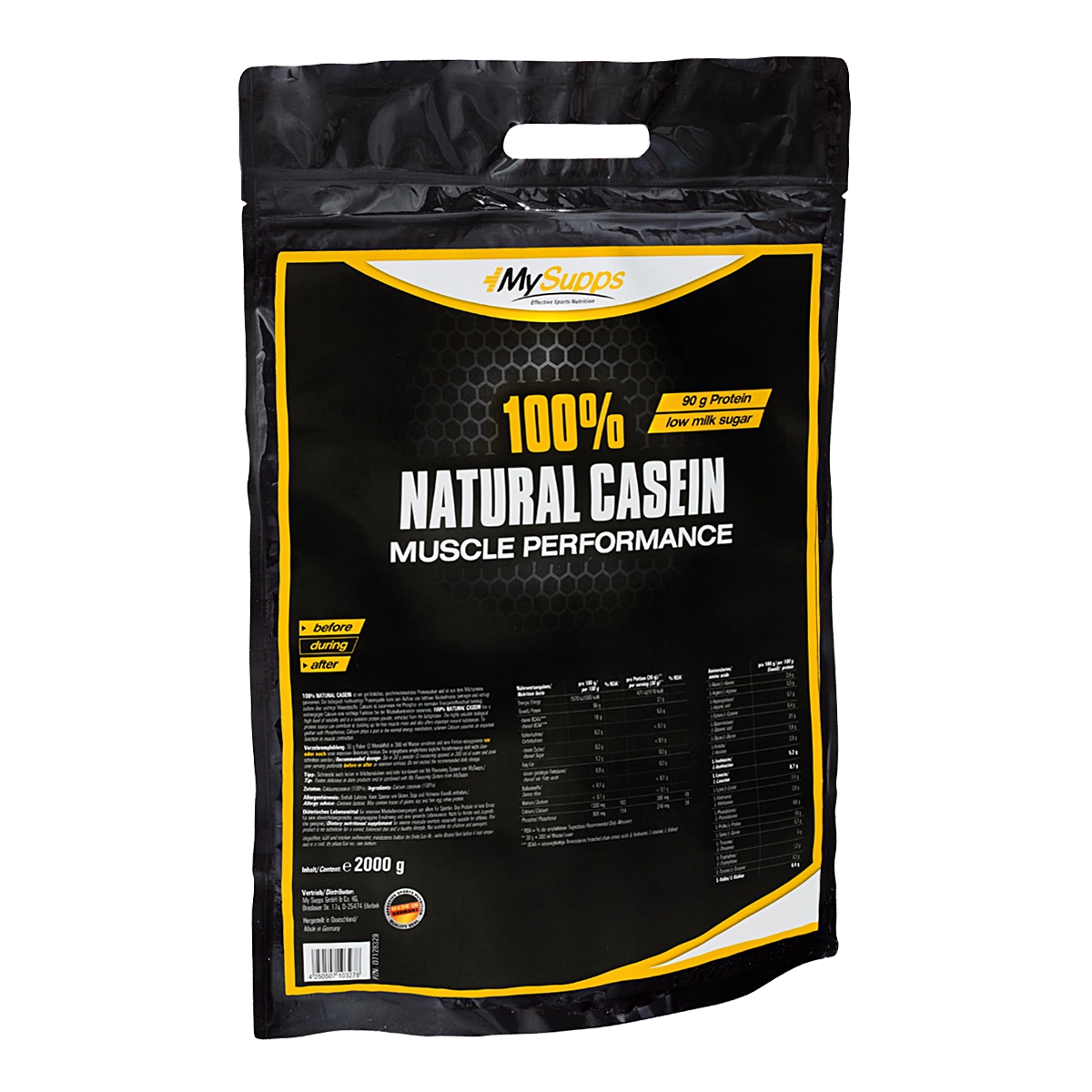
Also new are so-called flavouring systems. With many different flavors available, you can mix a different protein shake every day. The My Supps Flavouring System stands out in particular because it develops its full flavor even when mixed with water.
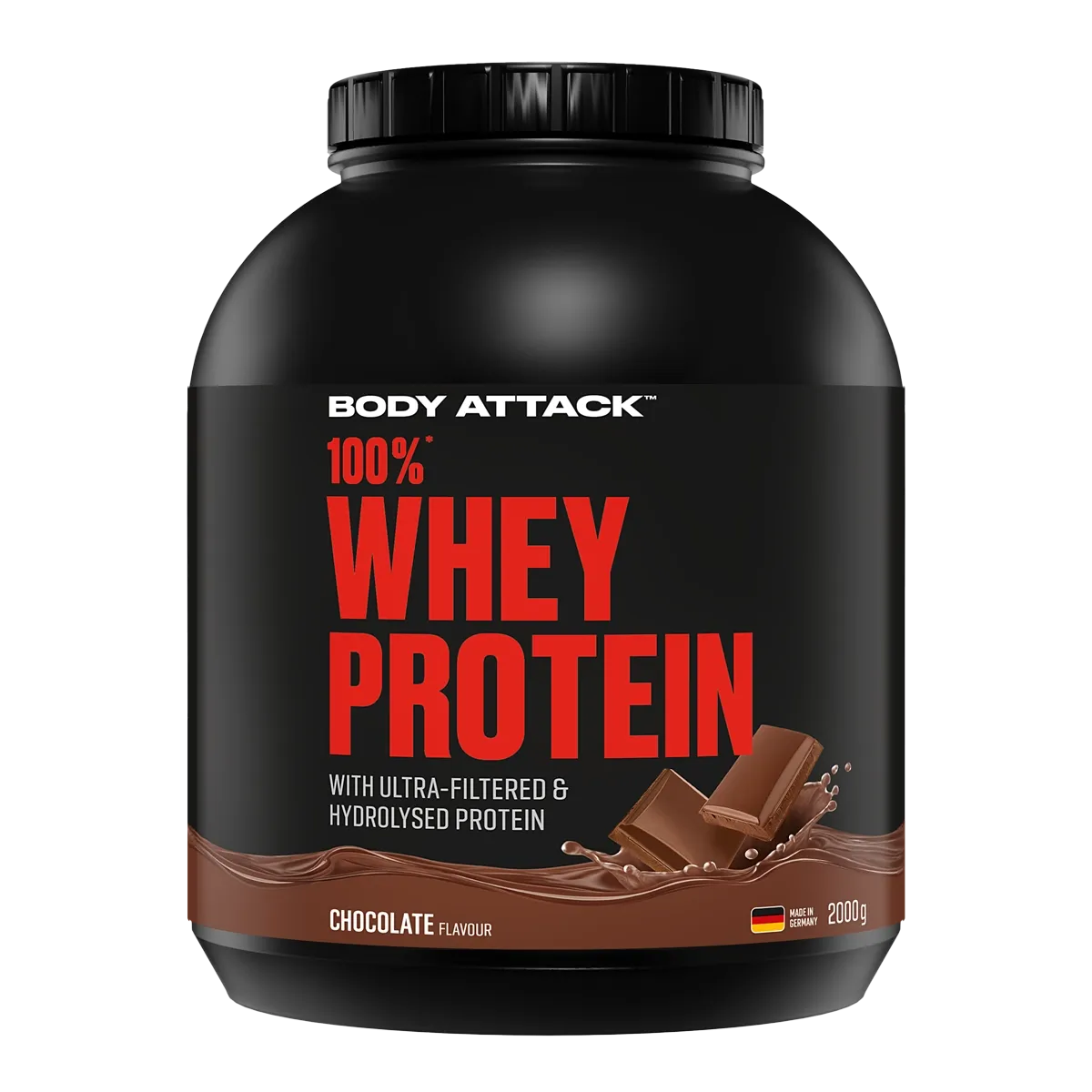
However, the two proteins are absorbed and metabolized by the human body at different speeds. Whey protein is considered the fastest natural protein. It is available to the body immediately after intake. Whey protein is therefore often consumed directly before or after training so that the muscles are supplied with amino acids right away. Casein, on the other hand, is one of the slow proteins. Its metabolism can take several hours. It is therefore also suitable before going to bed to counteract catabolic muscle processes overnight. Casein and whey protein also differ in their biological value. Whey protein reaches the highest value at 104, while casein protein is at 77.