


















23 Articles

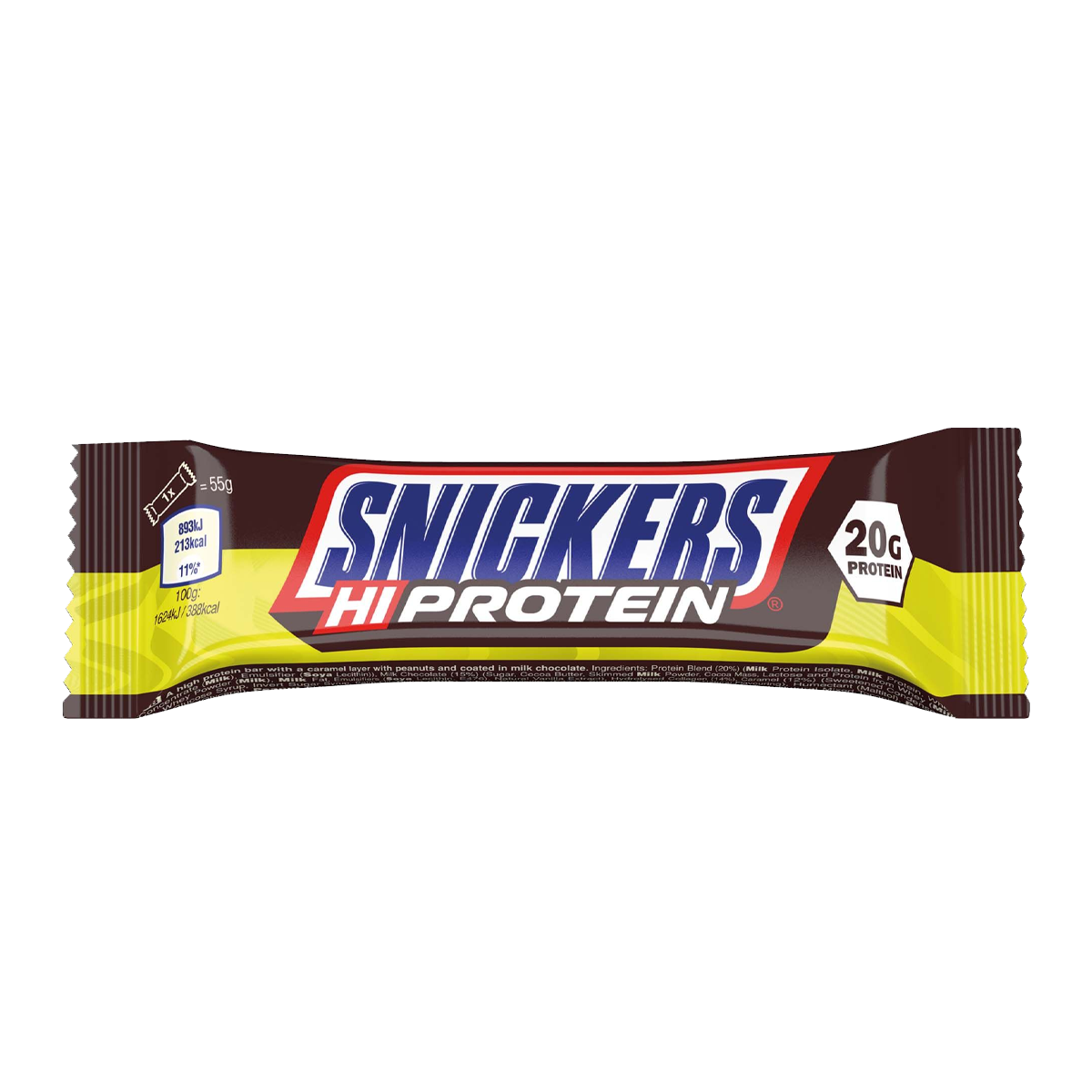
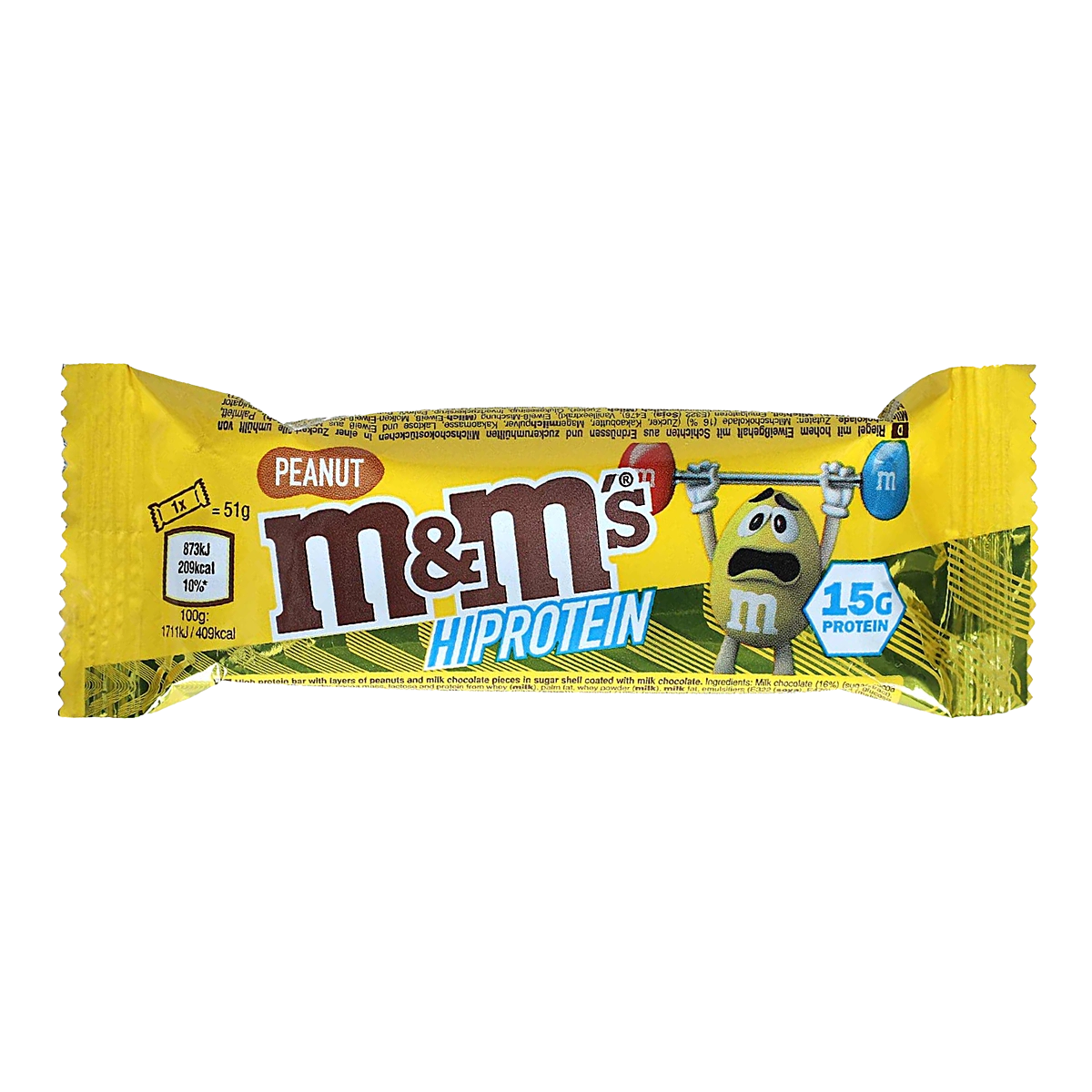
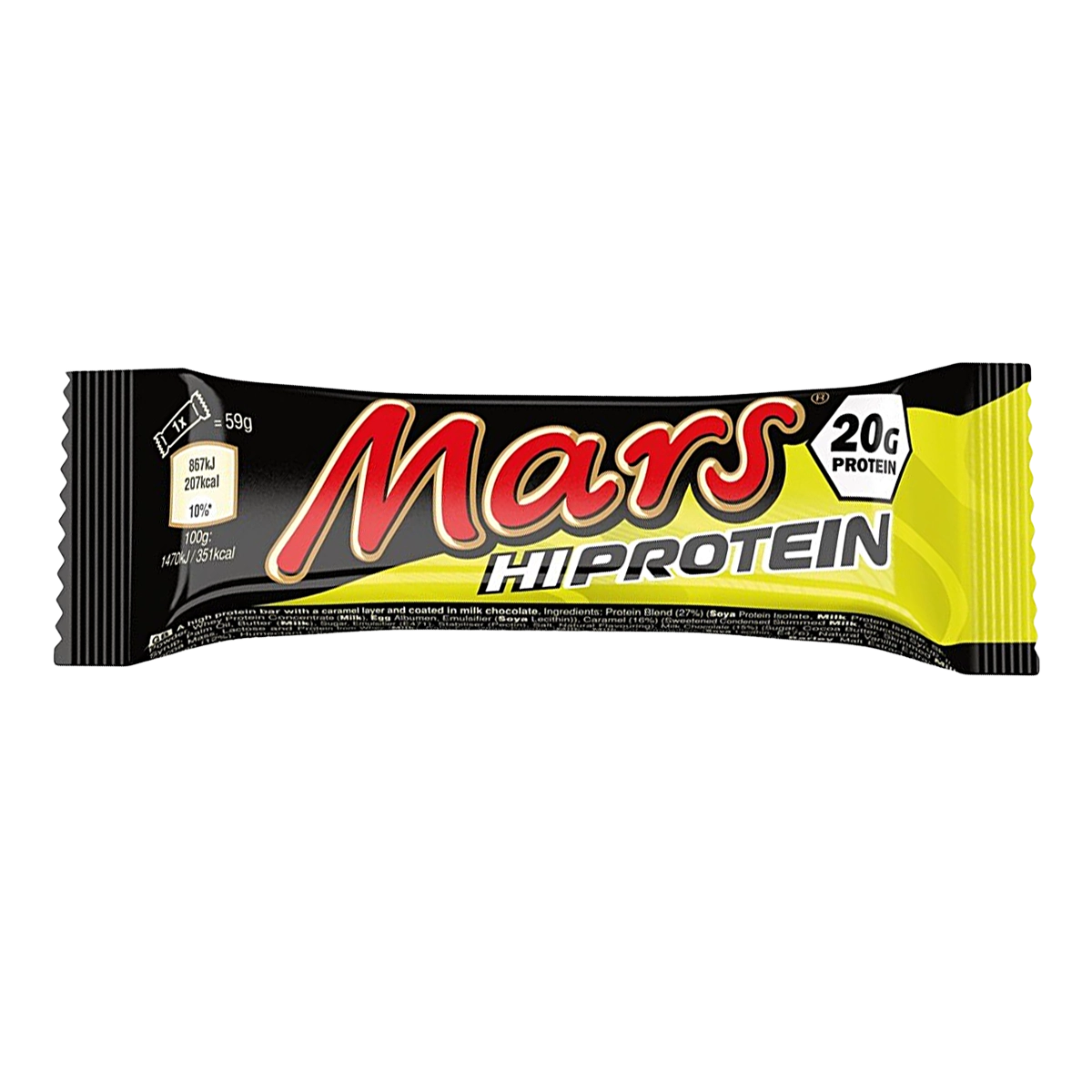
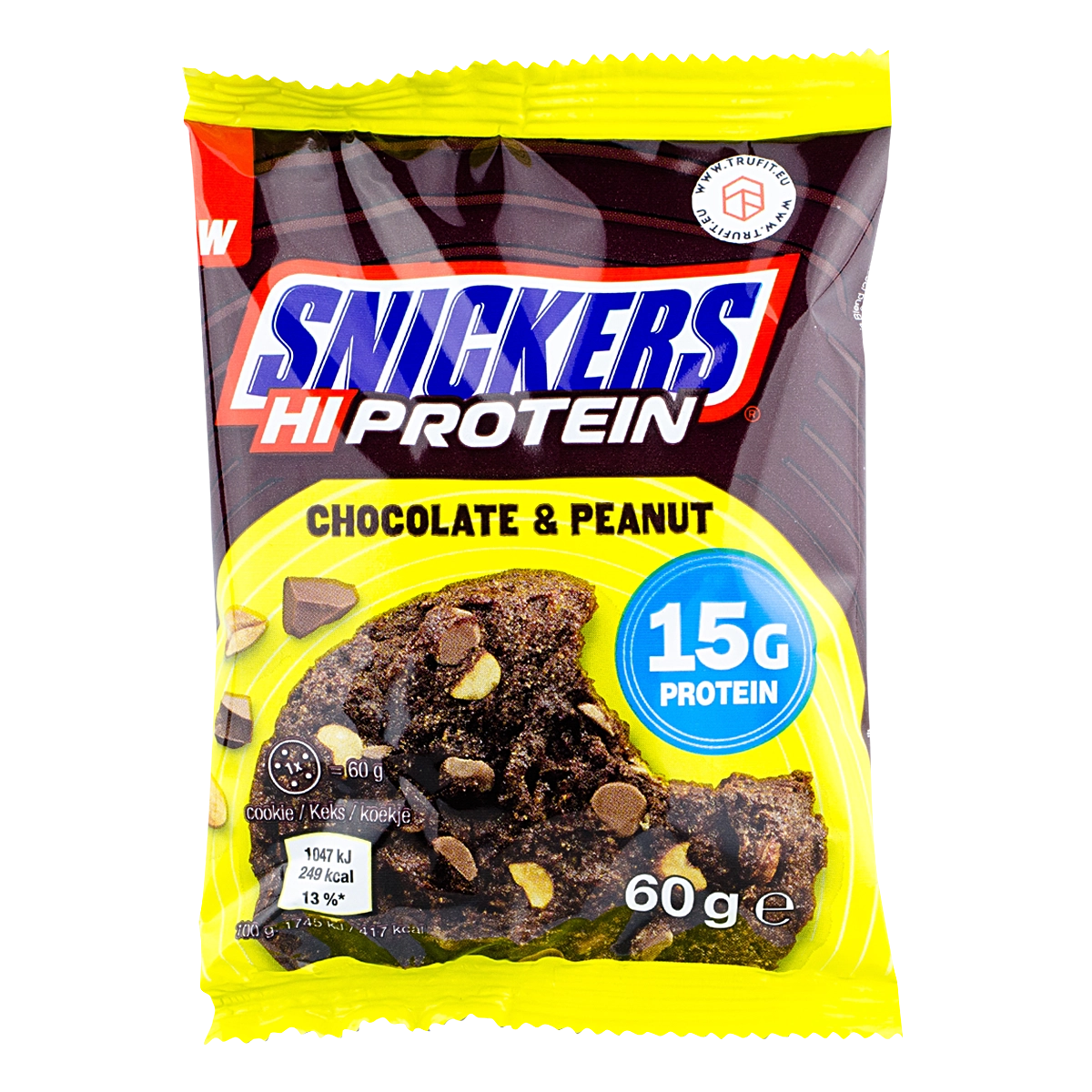
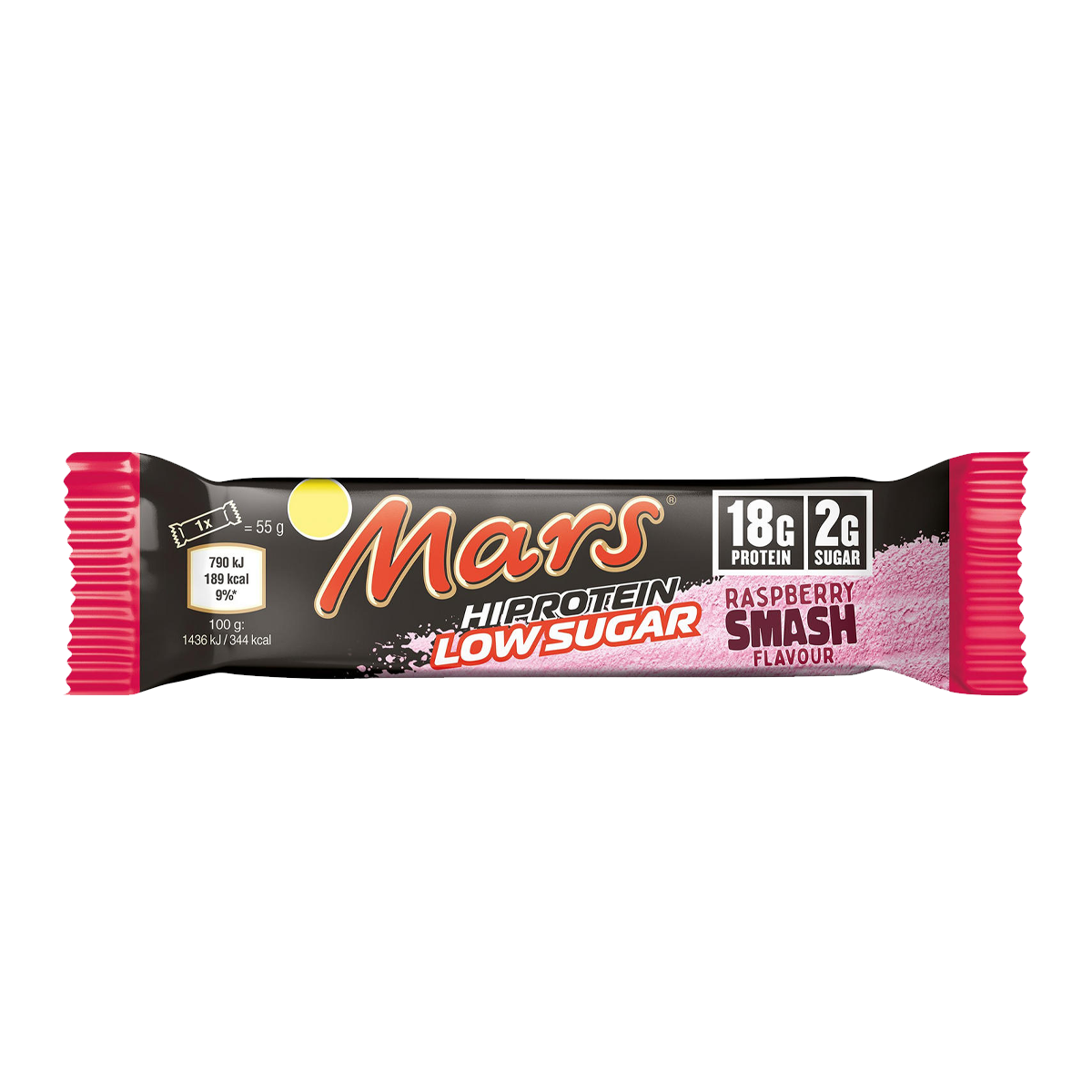
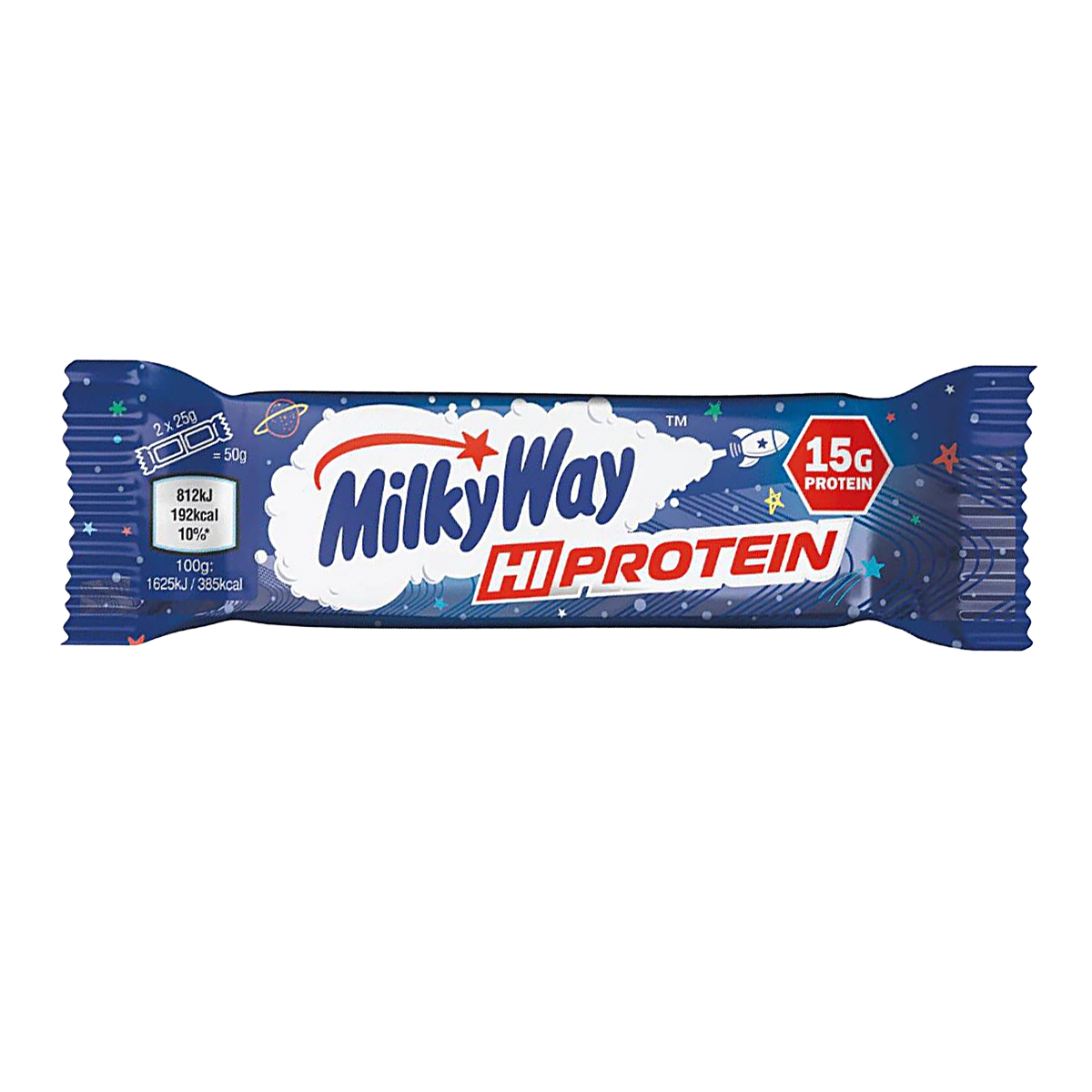
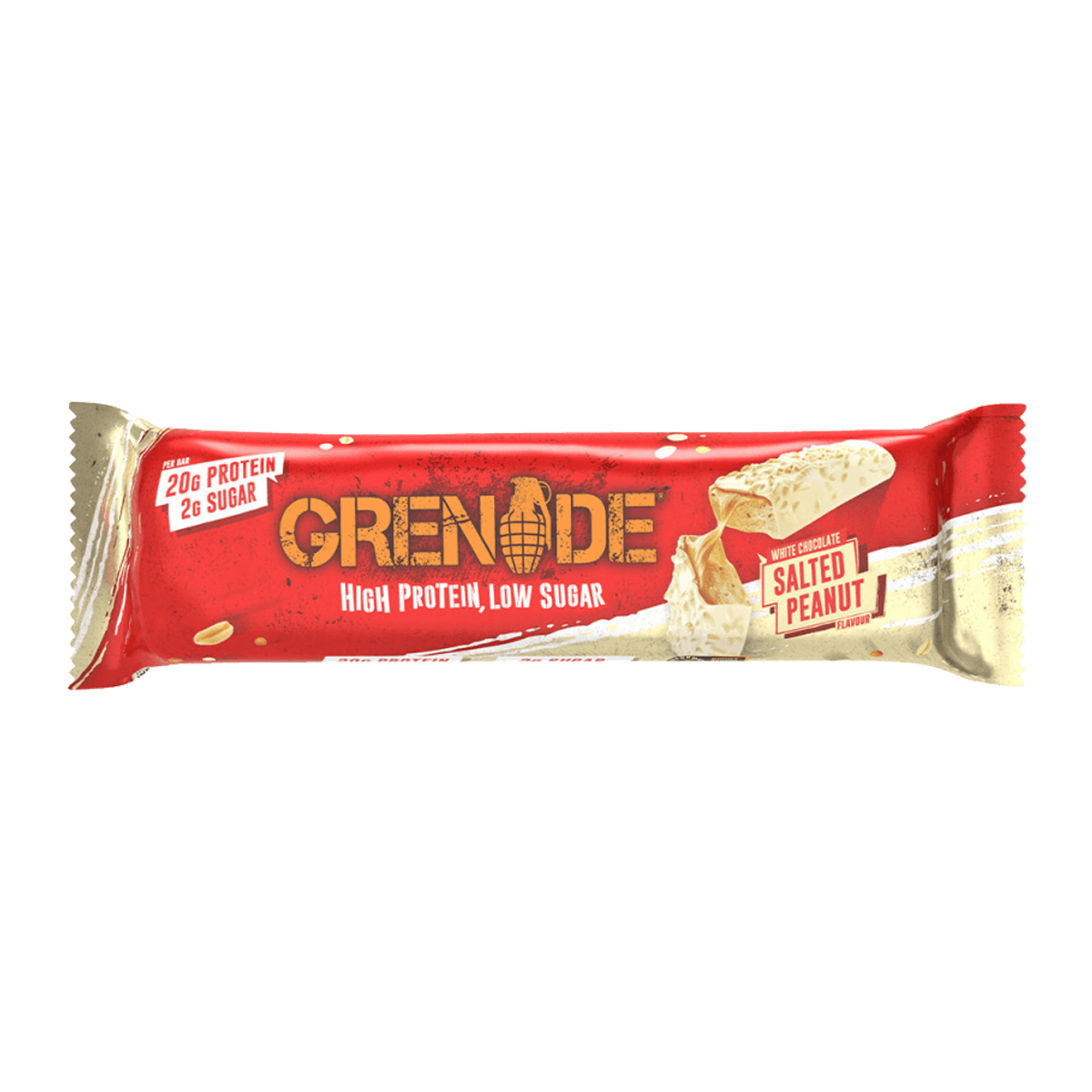
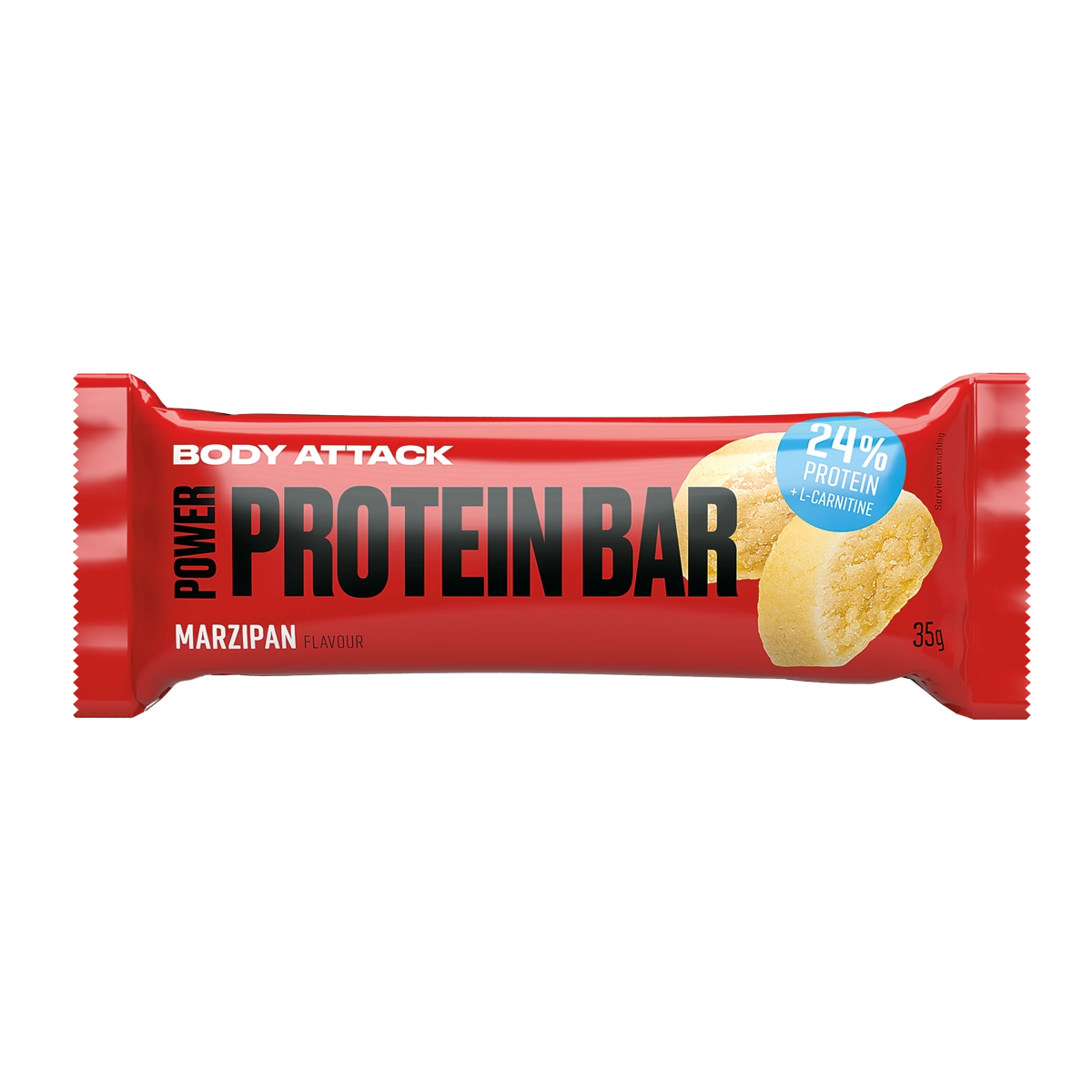
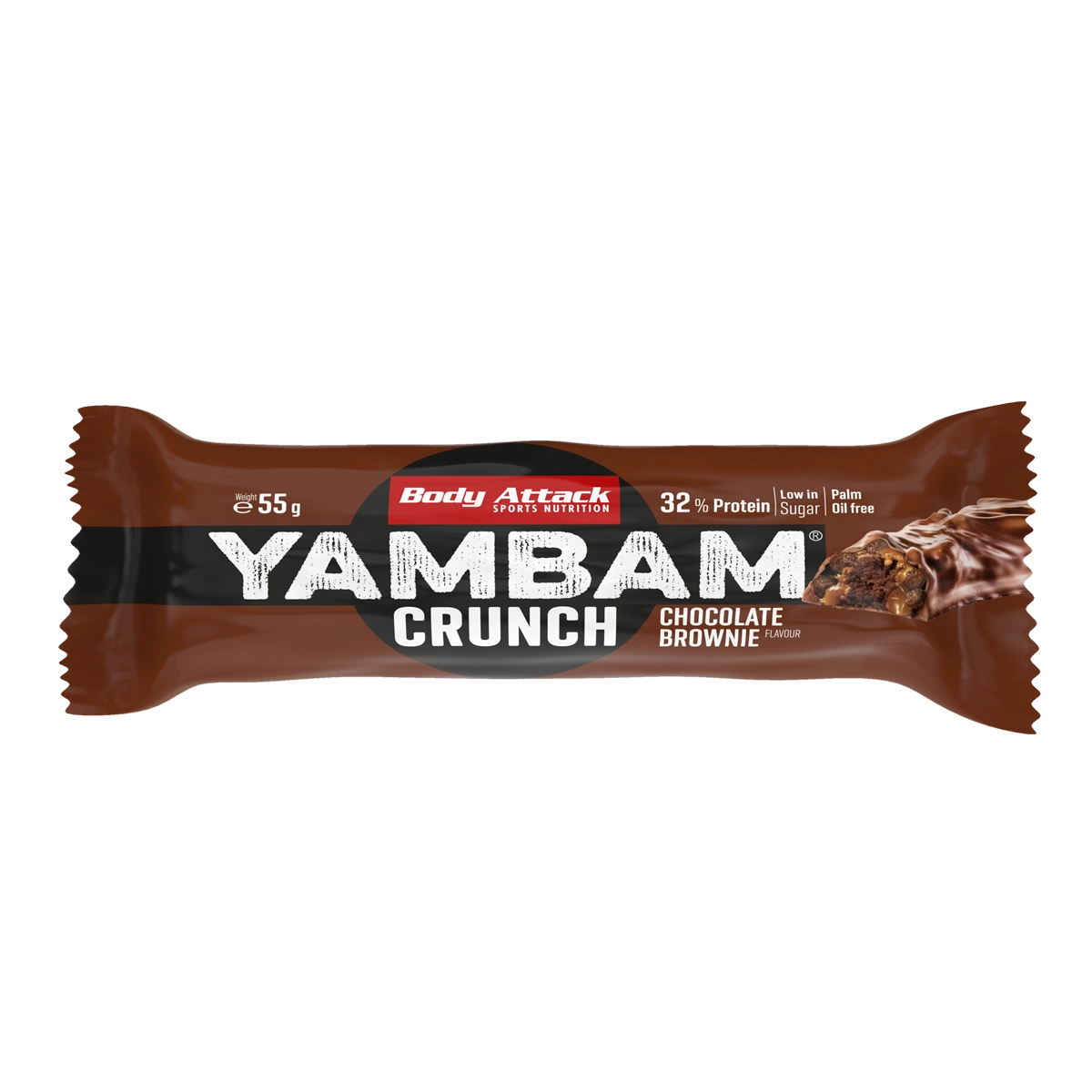
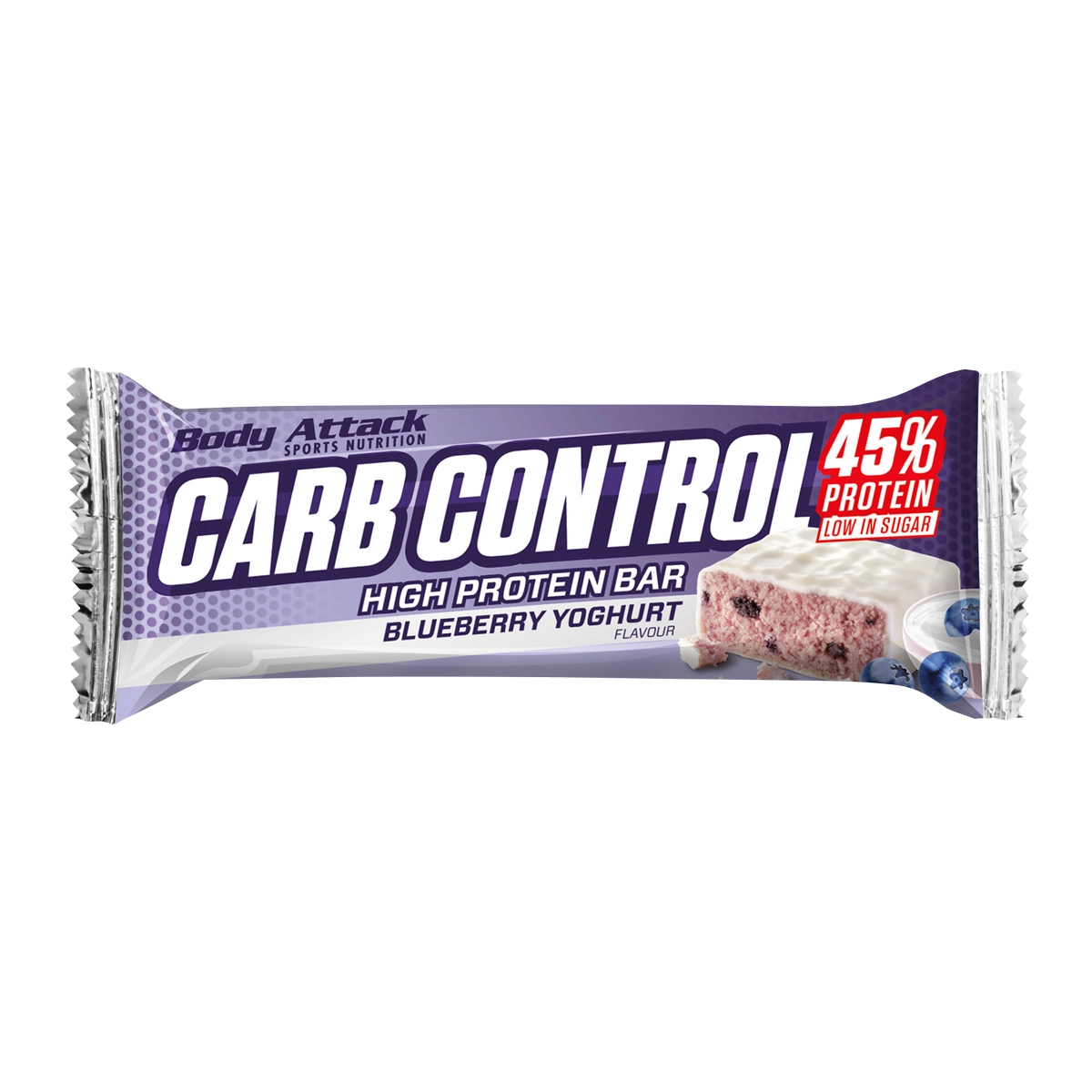
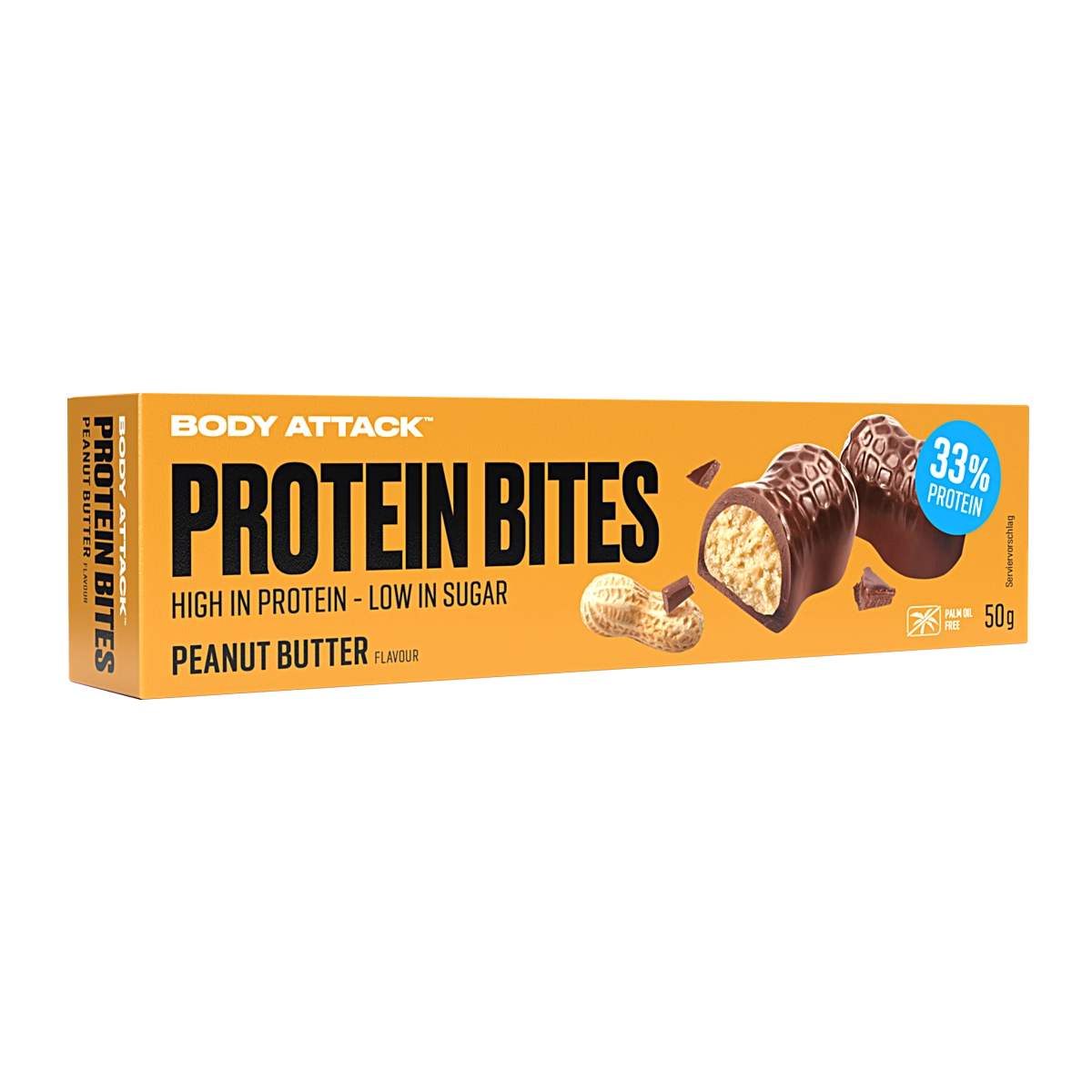
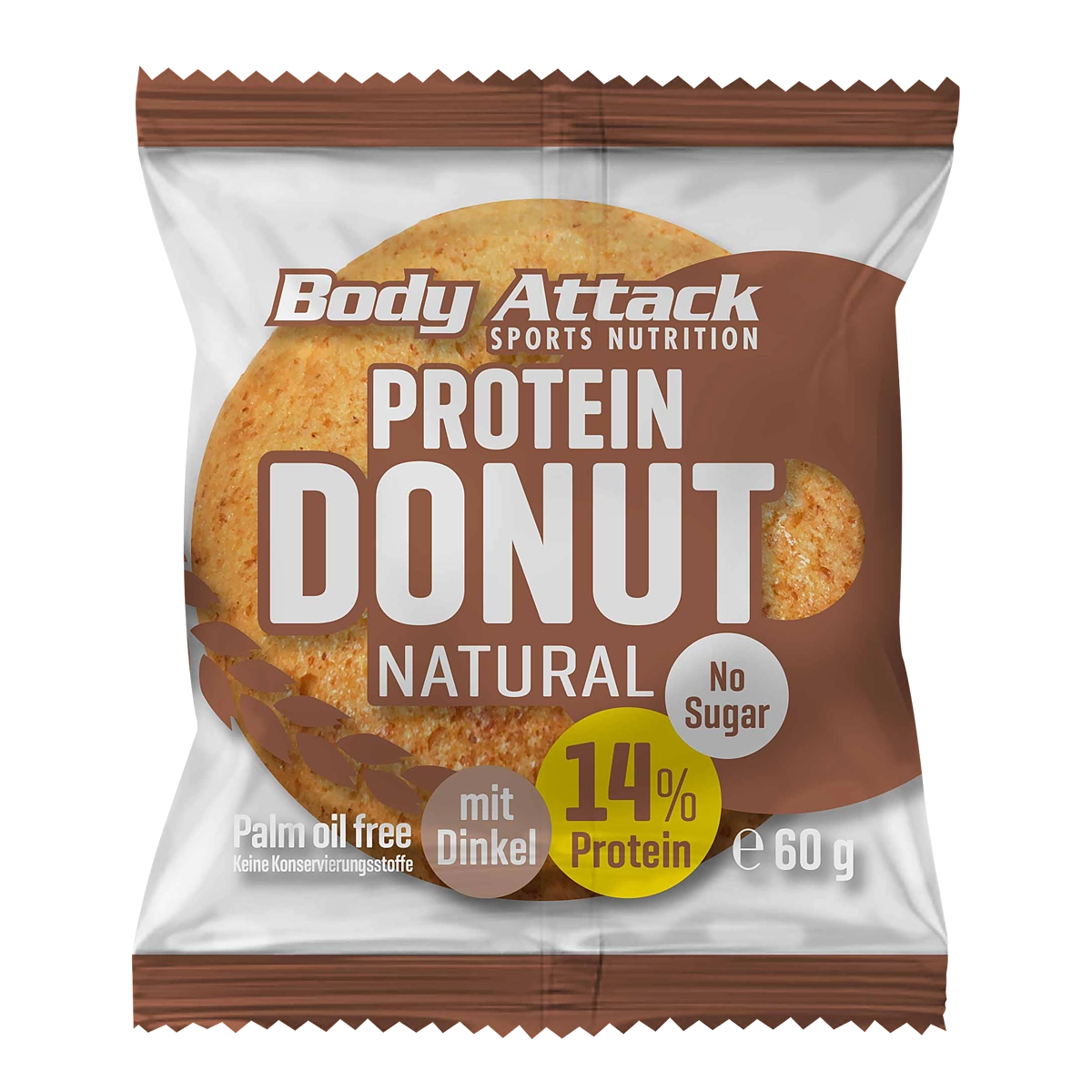
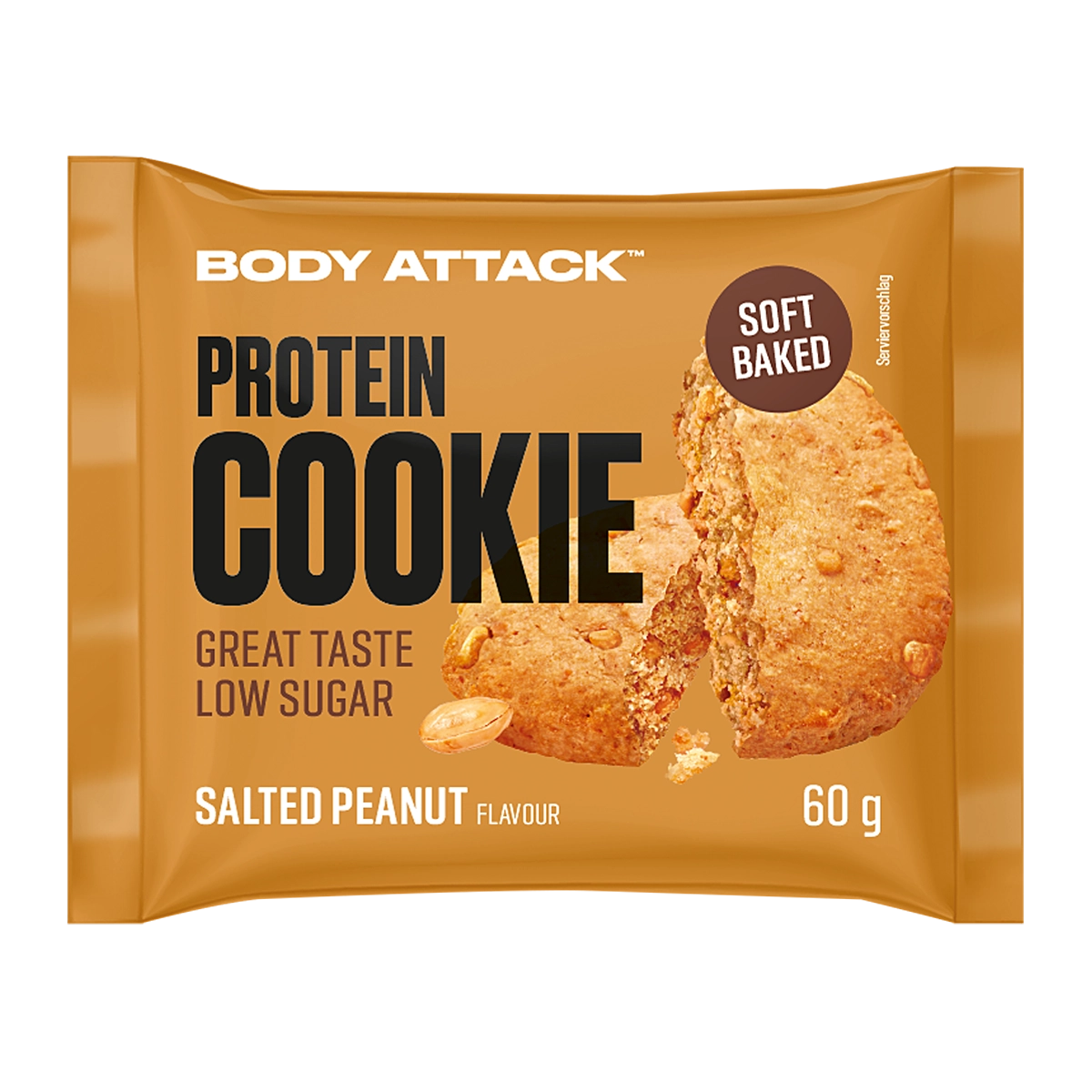
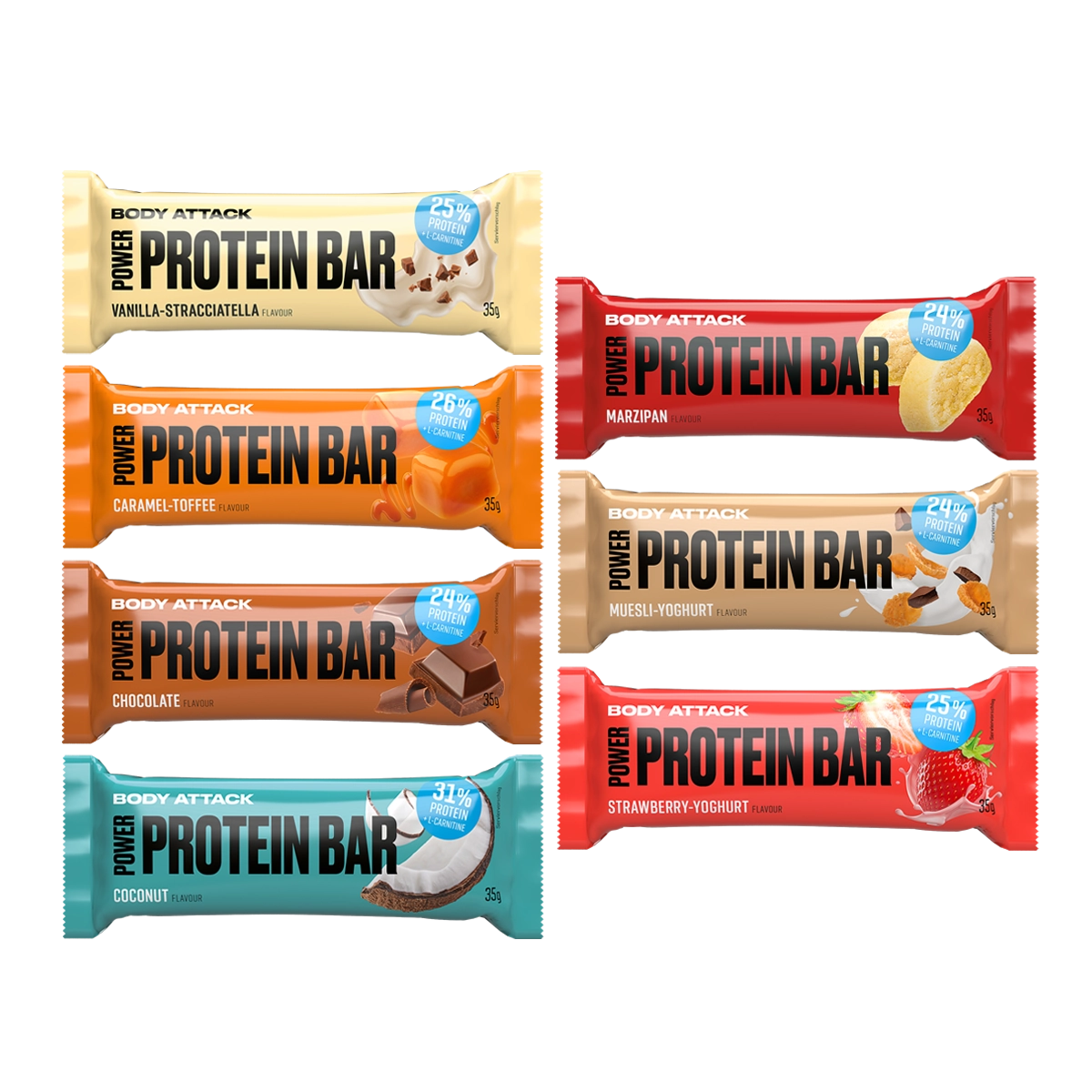
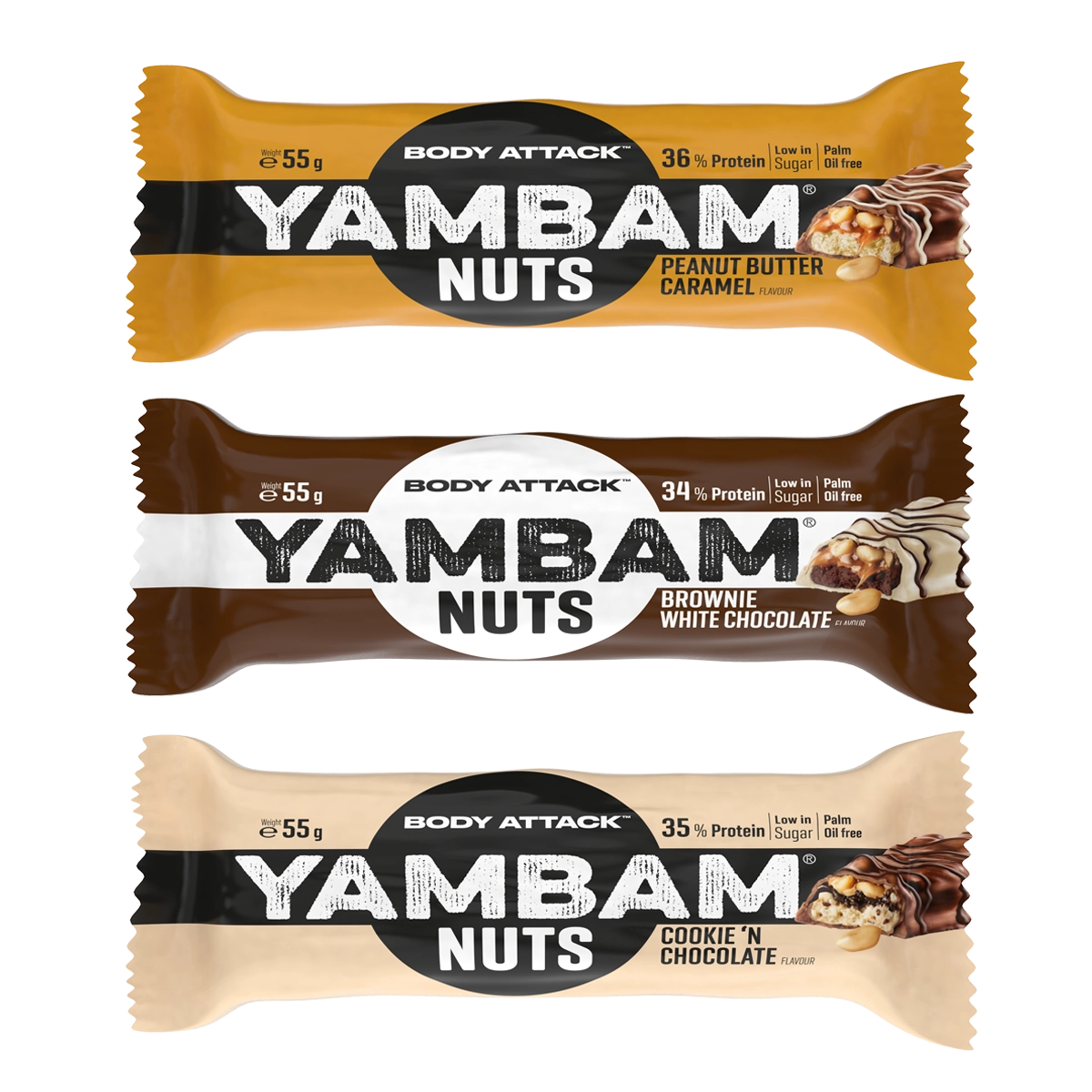
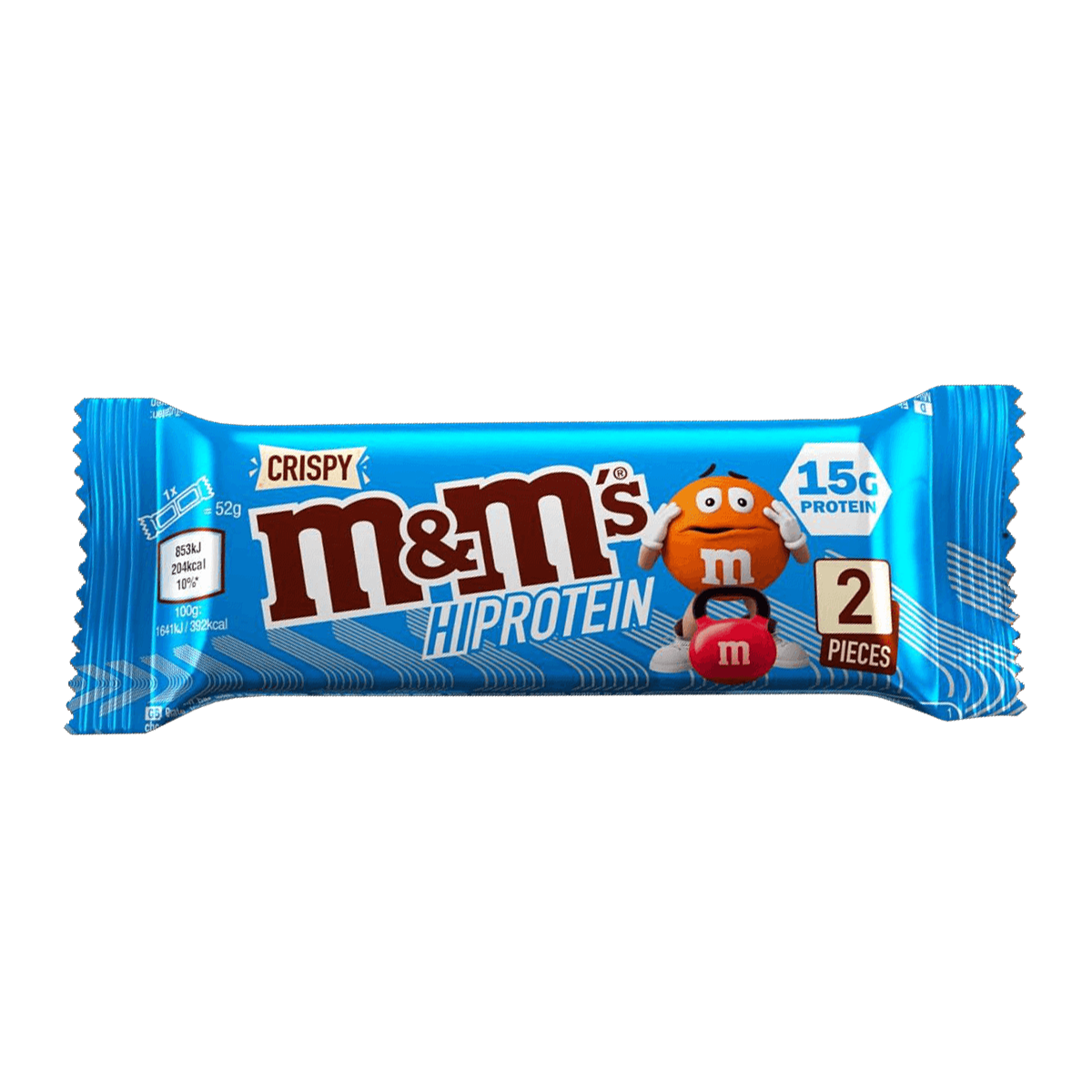
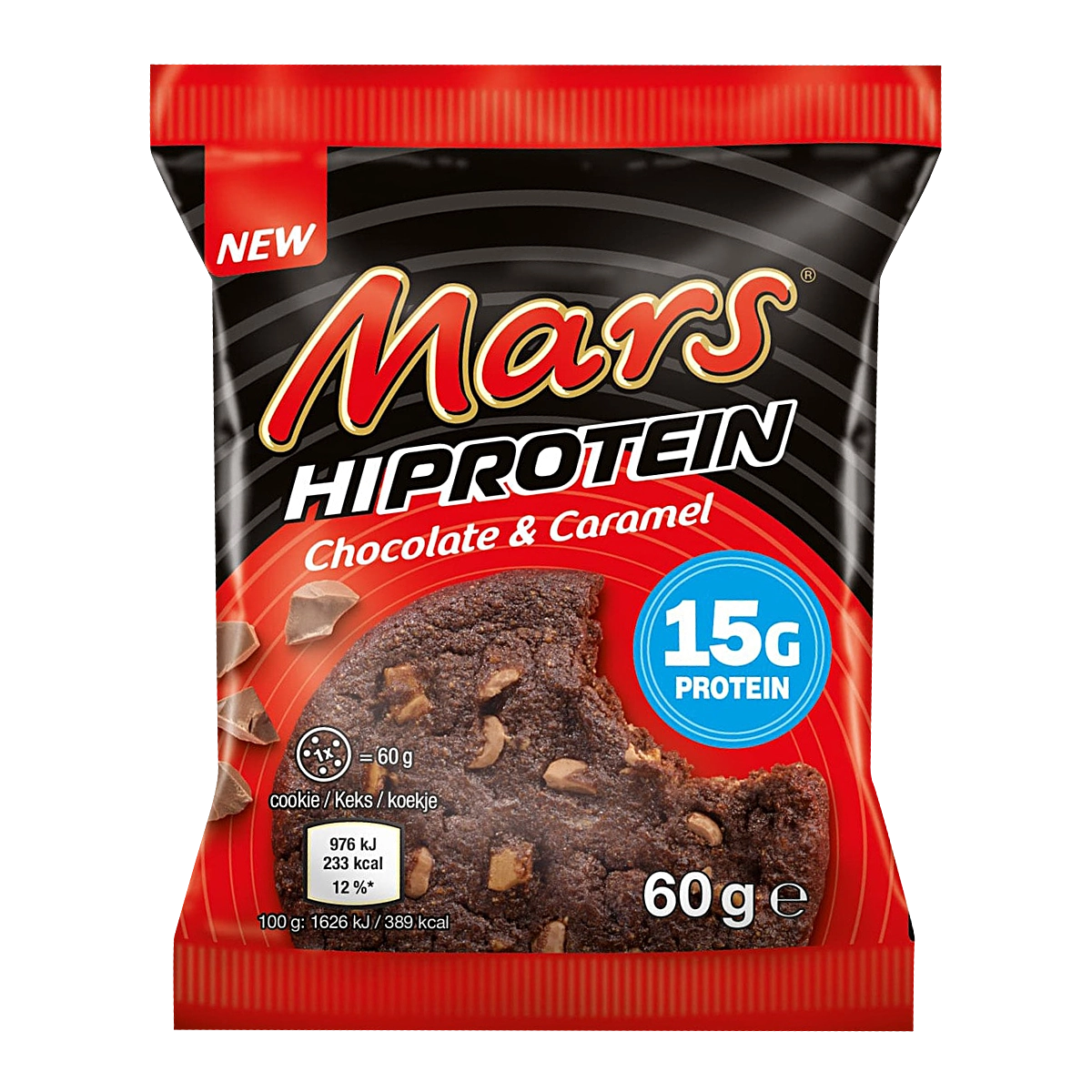
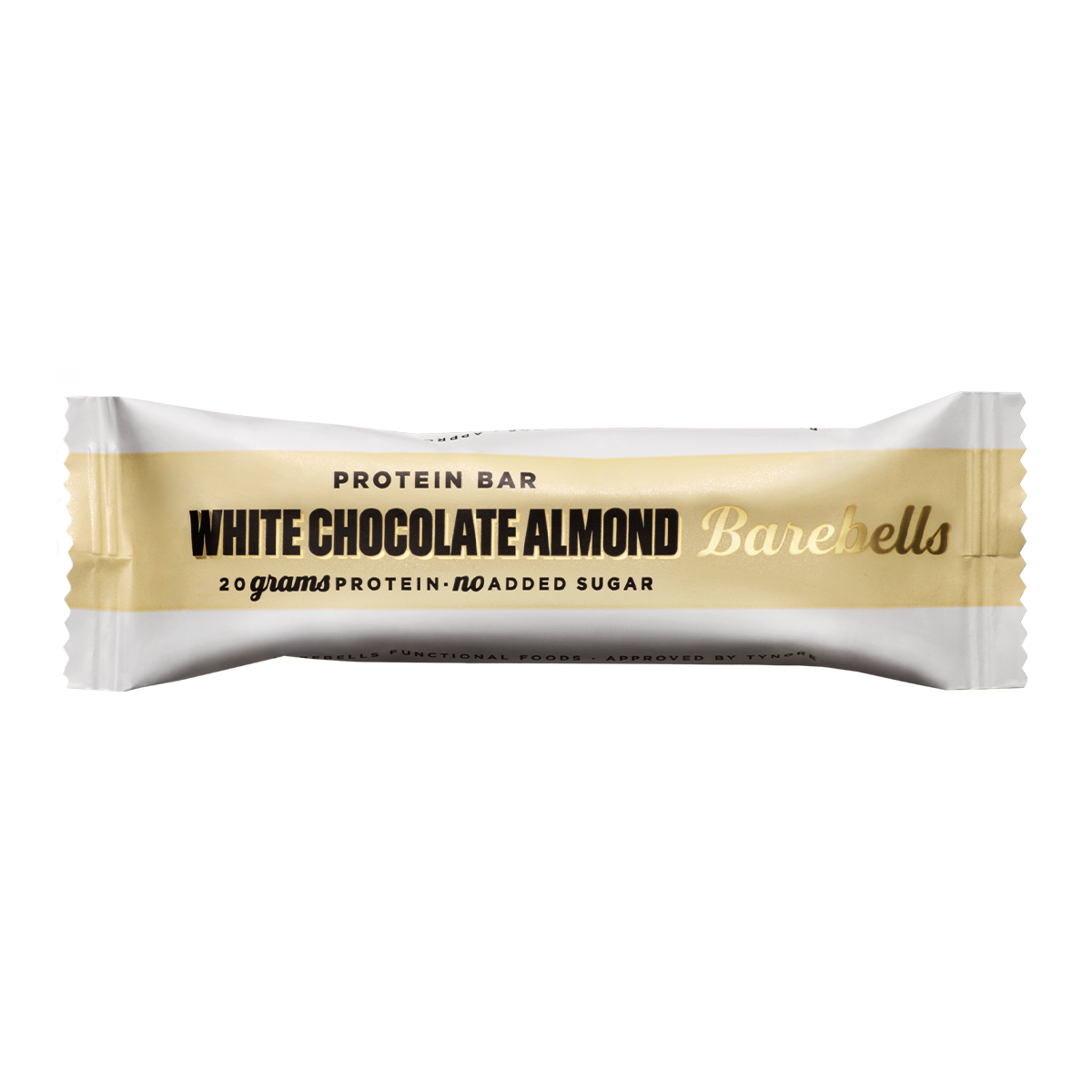
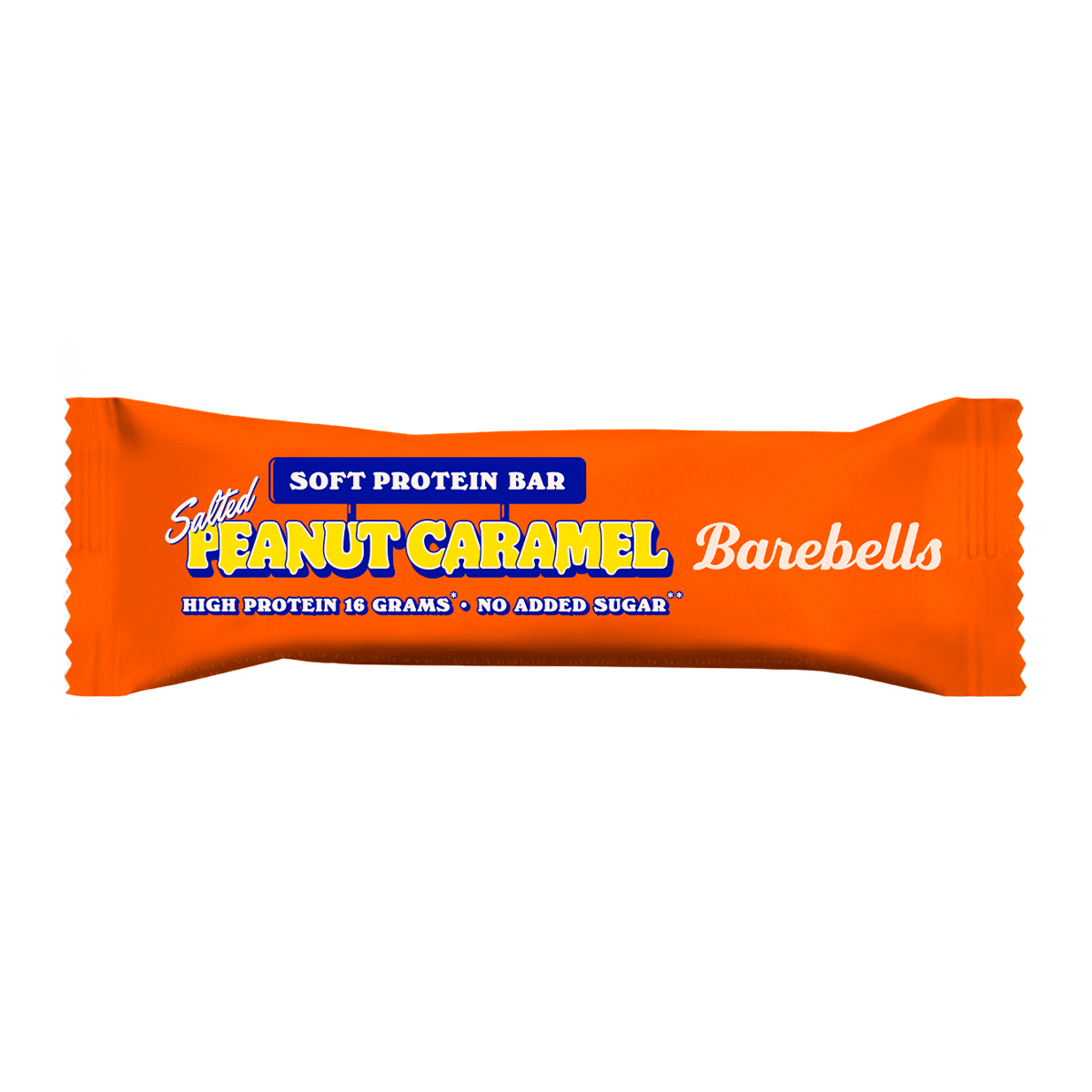
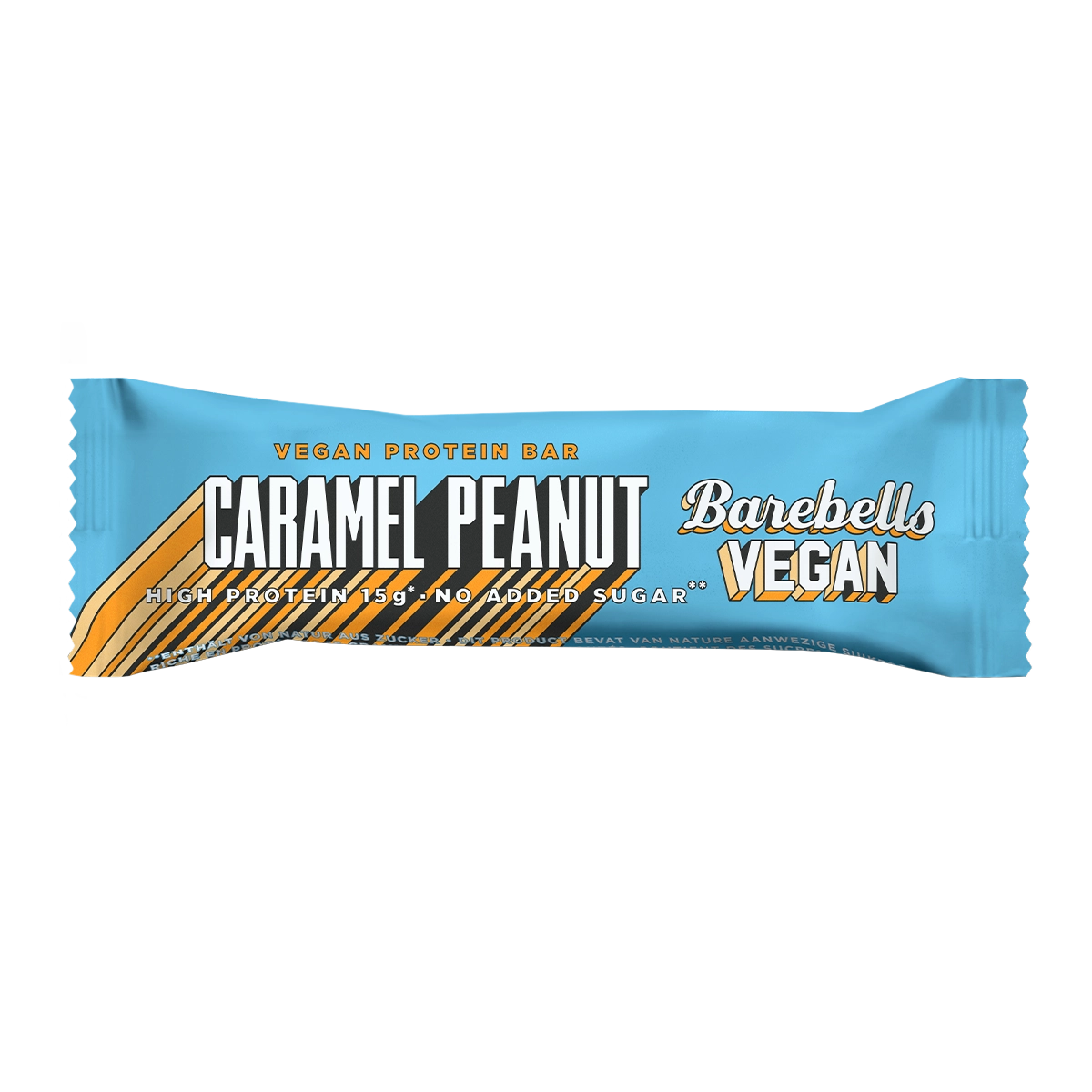

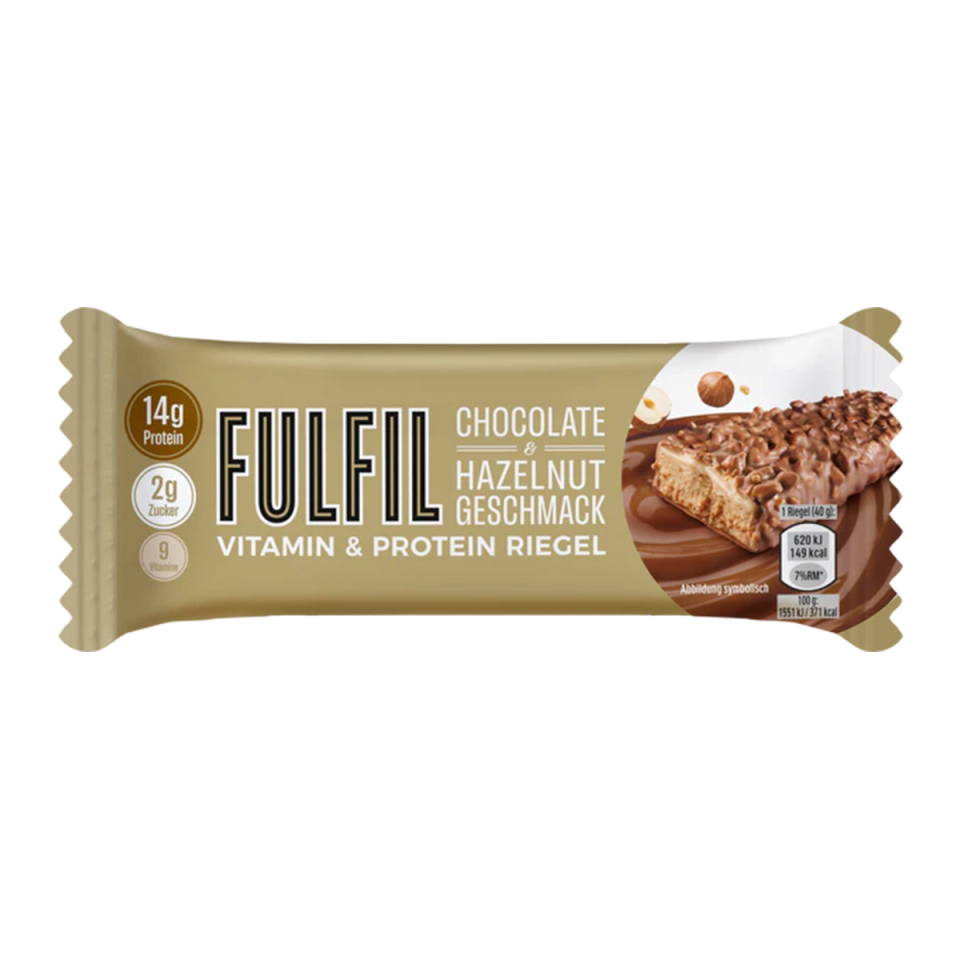
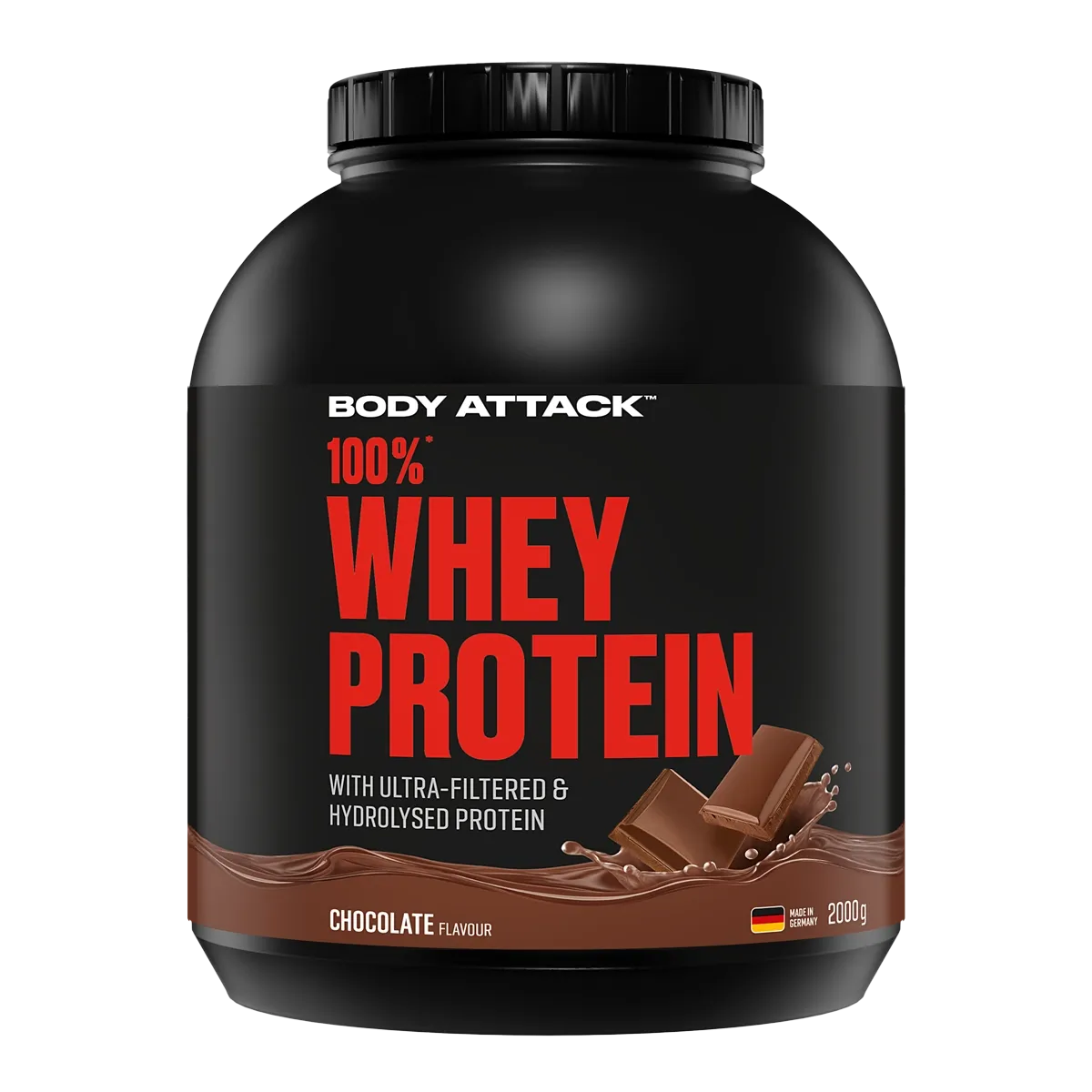
Amino acids form the building blocks of proteins. One important protein, for example, is whey protein. The whey protein contained in protein bars has a high biological value. It is easy to digest and can therefore be processed quickly by the body. Vitamins such as B6, B2, and B1, as well as minerals like calcium and magnesium, help strengthen the body’s immune system.
Protein bars also play a crucial role in sports nutrition or in a training plan during a diet phase due to their low sugar and fat content and their contribution to energy supply. An adequate intake of protein helps build and maintain muscle mass. The latter is particularly important during dieting phases.
Protein bars also play a crucial role in sports nutrition or in a training plan during a diet phase due to their low sugar and fat content and their contribution to energy supply. An adequate intake of protein helps build and maintain muscle mass. The latter is particularly important during dieting phases.
Overview
Protein contributes to muscle growth and to the maintenance of normal bones and muscles. Foods such as meat, fish, eggs, dairy products, and legumes are particularly high in protein. However, if you don’t have time to prepare a meal or need a quick snack in between, a protein bar can be a convenient way to support your body. The protein content in protein bars varies and is always listed. Most bars contain several different protein components. It should be noted that the body can absorb only about 20–40 g of pure protein per meal; any excess will be excreted unused. The higher the protein content in the bar, the faster this absorption limit is reached.
Consuming 1 g of protein per kg of body weight per day is generally considered sufficient. However, physical activity, stress, illness, or dieting can increase protein requirements to up to 2 g.
Consuming 1 g of protein per kg of body weight per day is generally considered sufficient. However, physical activity, stress, illness, or dieting can increase protein requirements to up to 2 g.
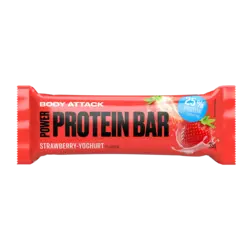
A protein bar contains at least 25% protein. A low-carb bar typically contains around 5–9% protein, but usually provides more fiber and often more fat. Both types of bars contain sugar substitutes to reduce calorie intake. Tooth decay has little chance, even if you can’t brush your teeth immediately after eating. These bars are often available in a variety of different flavors.
Protein can come from animal or plant-based sources. Milk is separated into casein and whey through filtration; the ingredients in protein bars are then referred to as calcium caseinate, micellar casein, whey isolate, whey hydrolysate, or whey concentrate. Egg protein is derived from chicken egg whites. Soy protein (soy isolate) is obtained from non-genetically modified soybeans.
Whey protein contains a very high proportion of essential amino acids and promotes muscle recovery because it is quickly absorbed by the body. Casein, on the other hand, has a coarse structure and is therefore broken down slowly. It supplies the muscles with amino acids over a longer period of time. Soy protein is also easily processed by the body. Biological value is considered a measure of how efficiently protein can be utilized in the human body. By using different protein components in a protein bar, its biological value increases.
If there is no opportunity for a proper meal during work, a protein bar can quickly provide the necessary amino acids and help protect muscles from fatigue. Hikers benefit from carrying little weight while still receiving полноценous nutrition. Vegetarians can obtain sufficient protein. Anyone who loves sweets can choose a healthier alternative.