














35 Articles


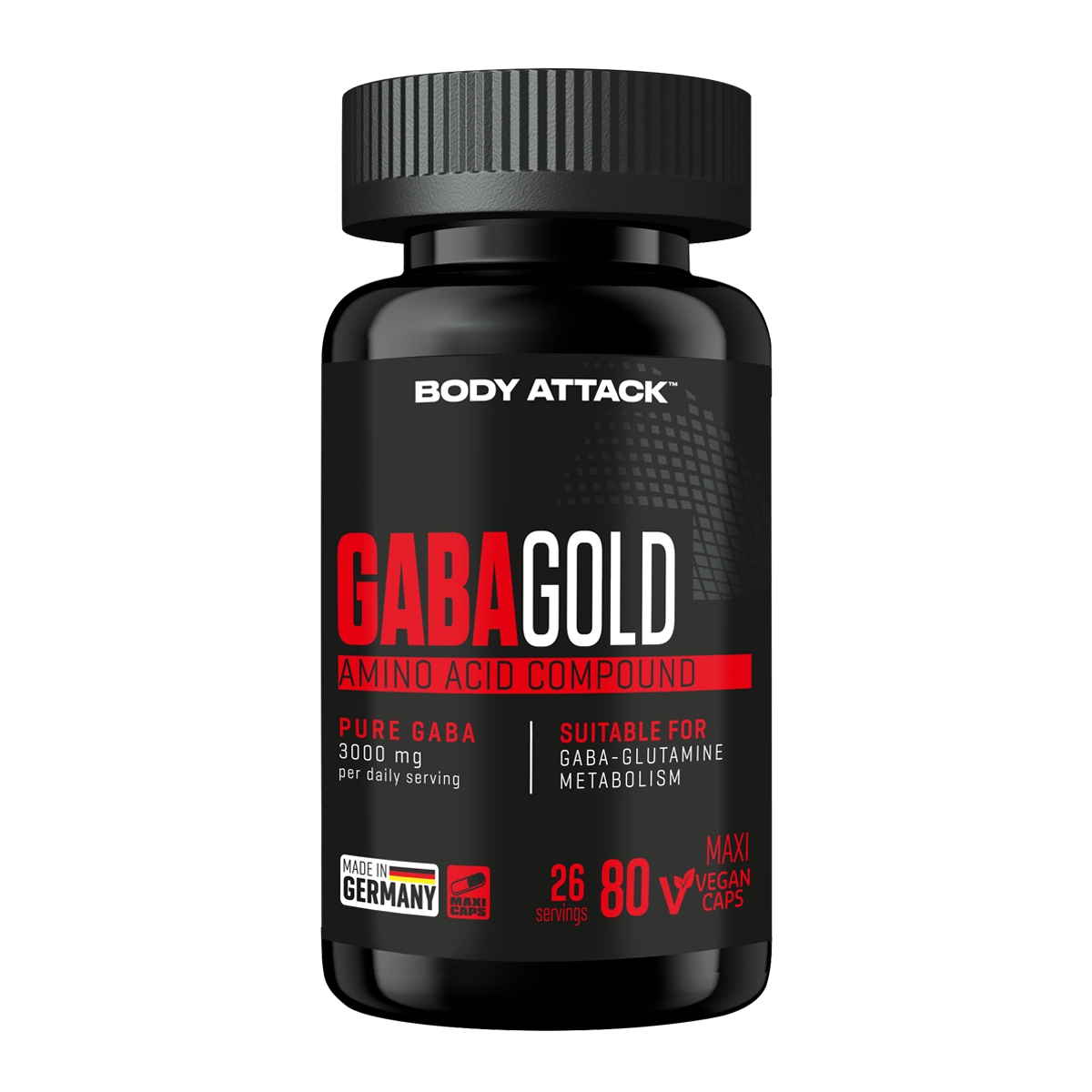
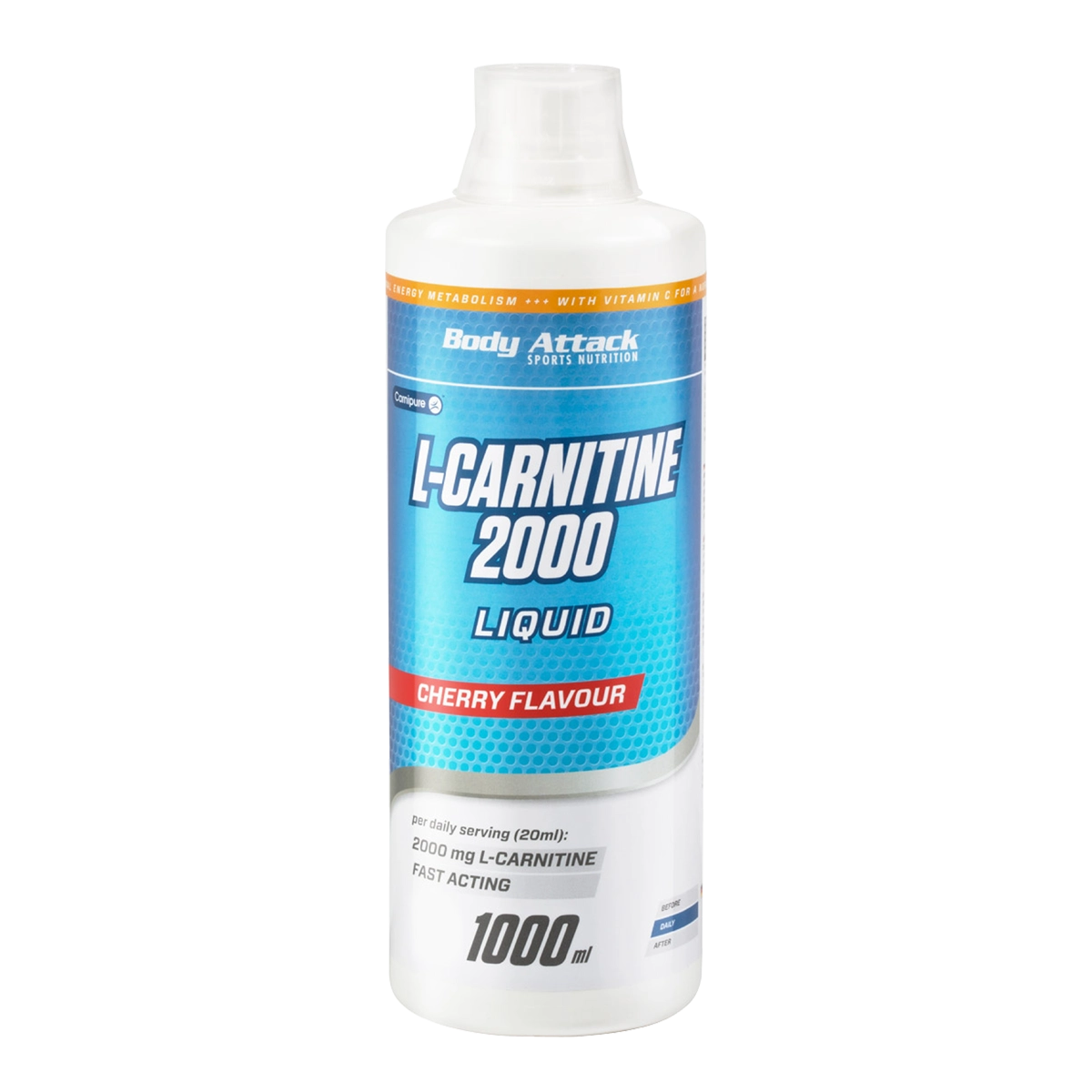
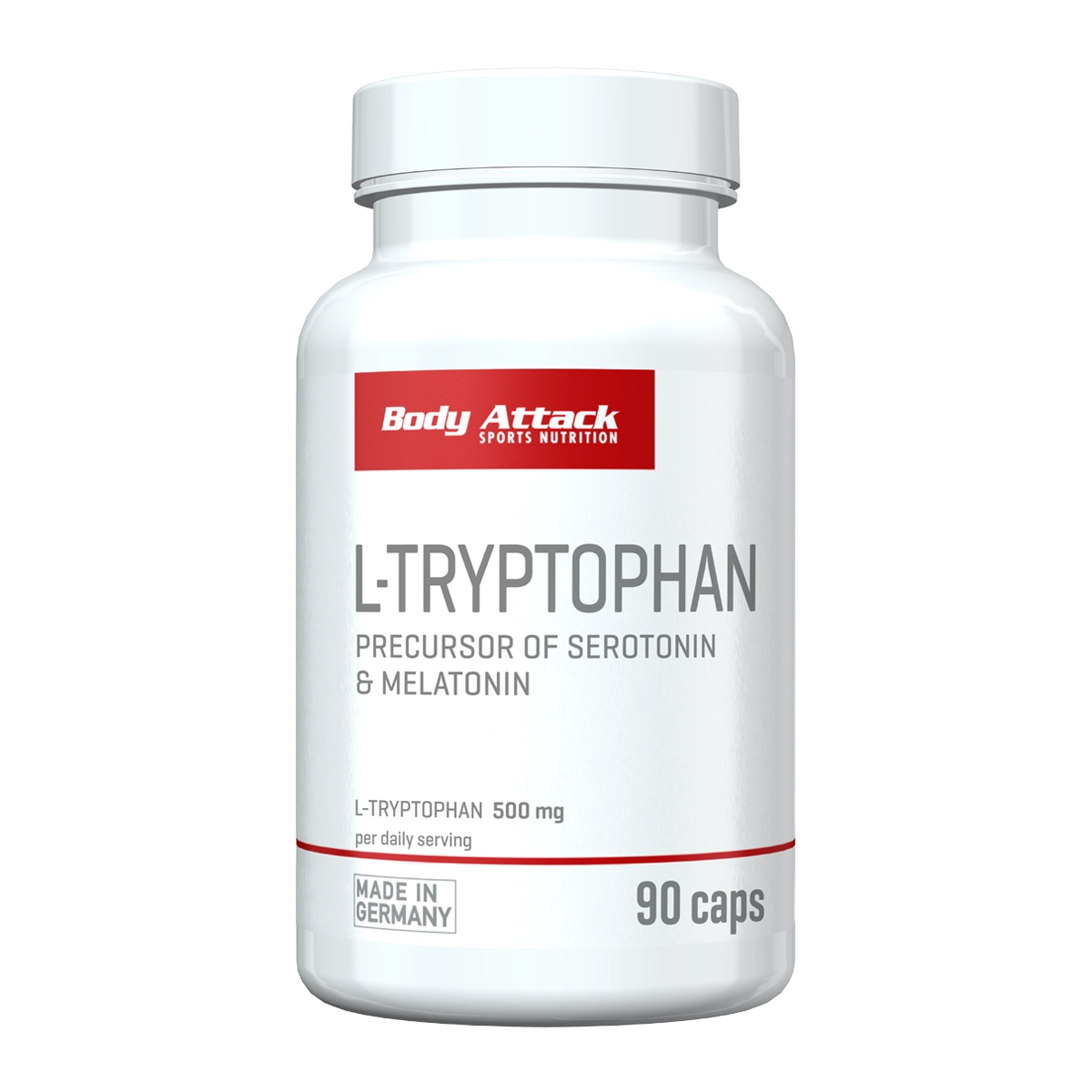
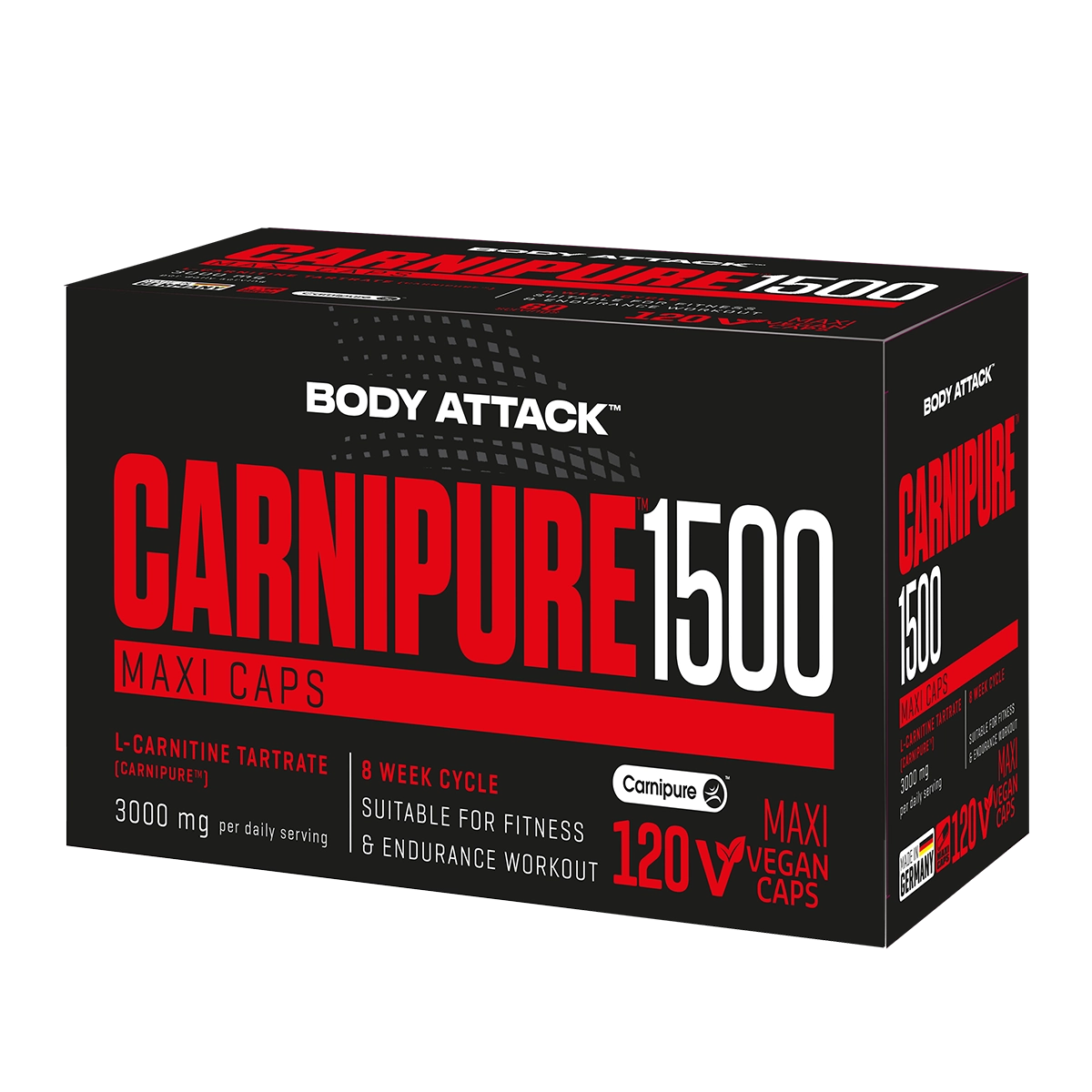
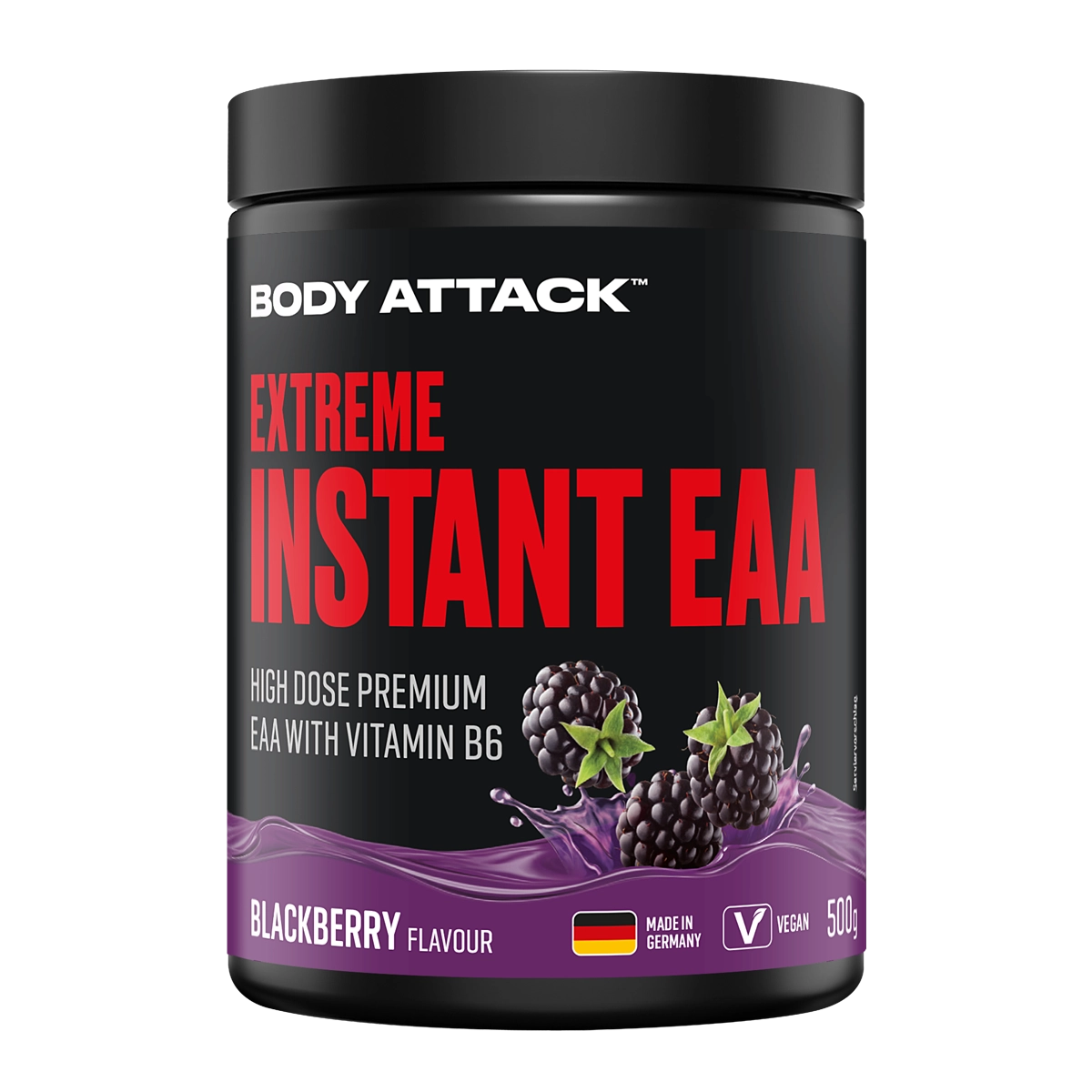
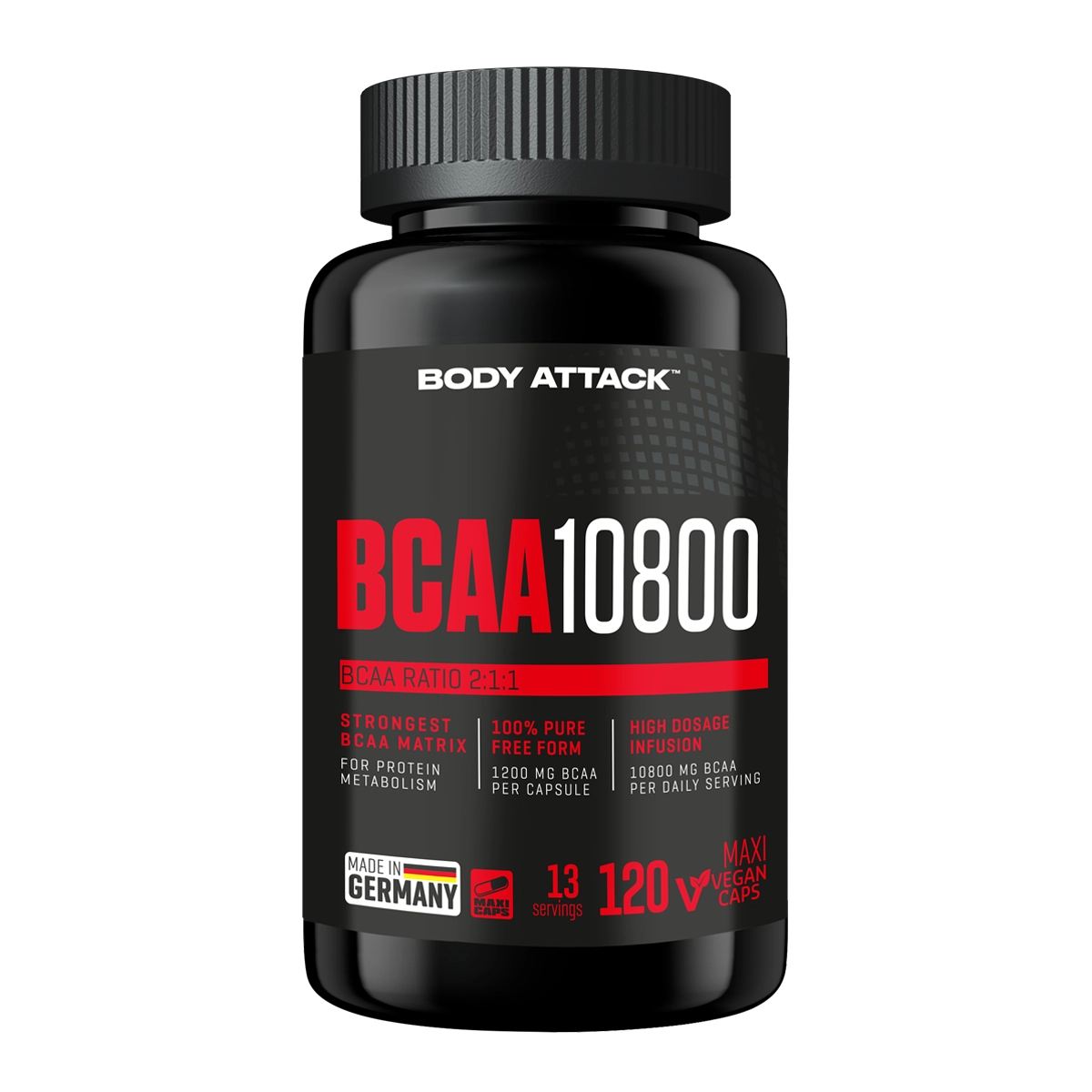
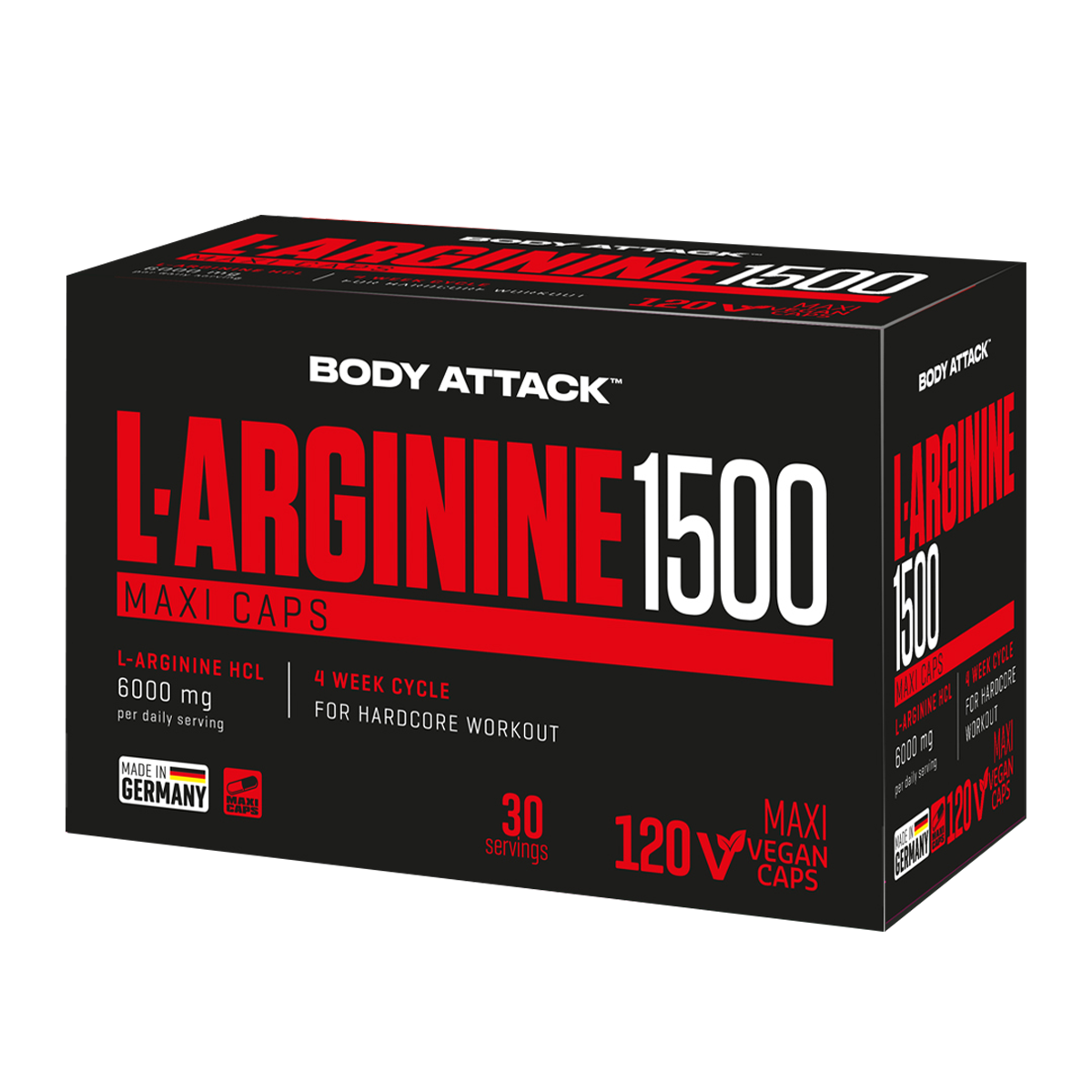
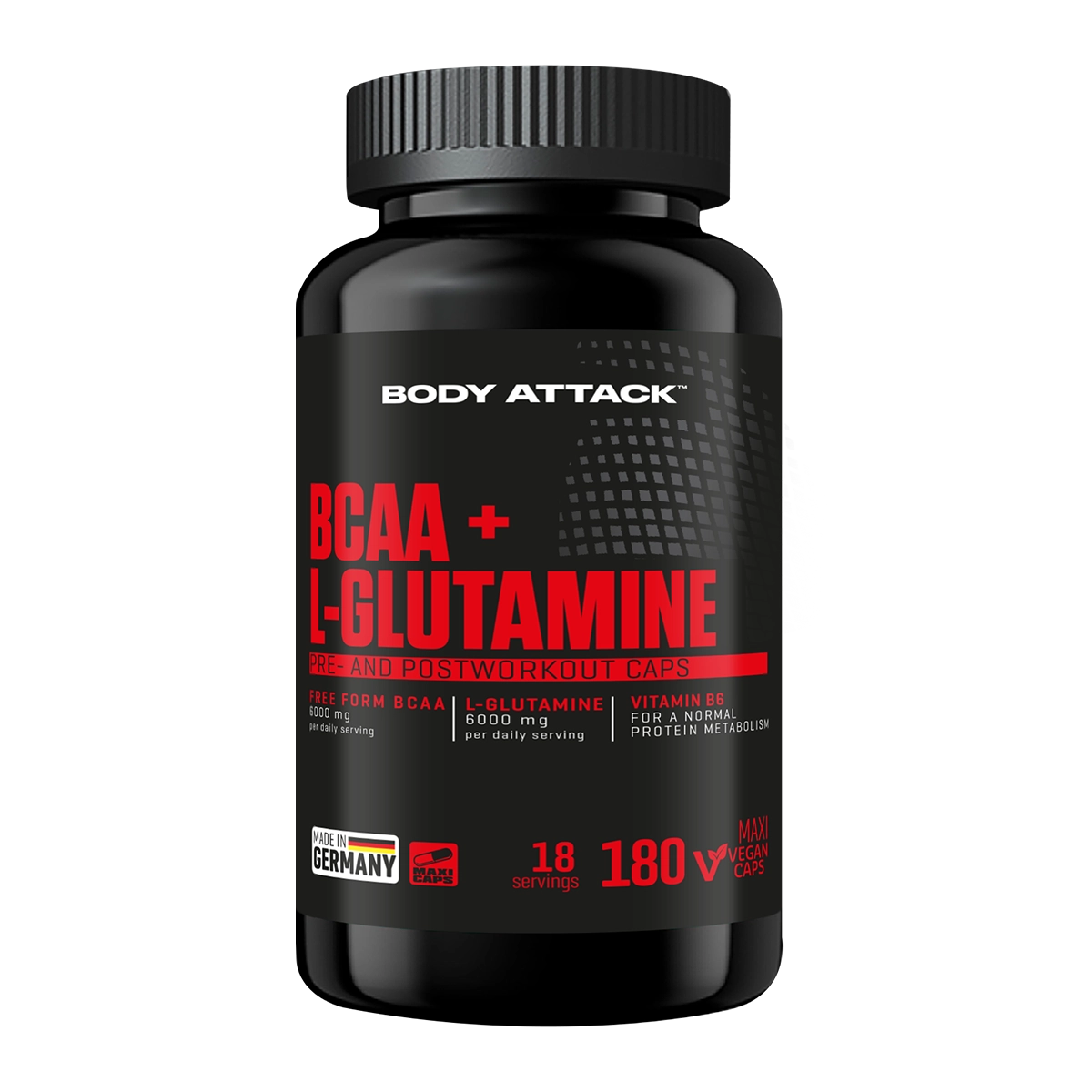

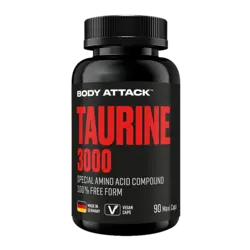
Amino acids are required by our body for every metabolic process. They are responsible for the transport and storage of nutrients. In addition, amino acids act as building blocks of proteins and serve as precursors for enzymes and neurotransmitters.
Overview
1
Amino Acids: Definition
2
Characteristics of Non-Essential, Semi-Essential, and Essential Amino Acids
3
The Most Well-Known Essential Amino Acids
4
The Most Well-Known Semi-Essential Amino Acids
5
THE NO. 1 MUSCLE AMINO ACID AMONG ATHLETES
6
BOOST MUSCLE GROWTH WITH AMINO ACIDS
7
AMINO ACIDS IN THE DIET
8
AMINO ACIDS AS DIETARY SUPPLEMENTS
9
DO AMINO ACIDS HELP WITH WEIGHT LOSS?
10
CONCLUSION: NO MUSCLE GROWTH IS POSSIBLE WITHOUT ESSENTIAL AMINO ACIDS
Amino acids—more precisely: proteinogenic amino acids—are the basic building blocks of proteins. Proteins, in turn, are used by our body to build muscles, bones, cartilage, skin, and hair, as well as blood cells, vitamins, enzymes, and neurotransmitters. For these building processes to take place, a balanced amino acid profile is essential.
In addition to proteinogenic amino acids, there are also non-proteinogenic amino acids. Although these cannot form protein structures in the body, they perform other important functions in a wide variety of bodily processes. There are more than 250 non-proteinogenic amino acids.
Furthermore, amino acids can be classified as essential, semi-essential, and non-essential. We explain the differences in the following text!
In addition to proteinogenic amino acids, there are also non-proteinogenic amino acids. Although these cannot form protein structures in the body, they perform other important functions in a wide variety of bodily processes. There are more than 250 non-proteinogenic amino acids.
Furthermore, amino acids can be classified as essential, semi-essential, and non-essential. We explain the differences in the following text!
Amino acids can be classified according to whether our body can produce them itself or not: essential amino acids must be supplied to our body through food, as we cannot synthesize them on our own. In addition, there are non-essential amino acids, which the body can produce from essential amino acids. Semi-essential amino acids can only be produced in sufficient amounts by the body under normal conditions; in exceptional situations such as high physical stress, the body may not be able to produce enough of them.
Today, 22 types are known that make up proteins. They belong to the so-called alpha-amino acids.
Today, 22 types are known that make up proteins. They belong to the so-called alpha-amino acids.
Essential amino acids are very popular among athletes, as regular and intensive training pushes metabolic processes into high gear and increases demand!
BCAAs are branched-chain amino acids. They consist of the three essential amino acids leucine, isoleucine, and valine. BCAAs are building blocks of protein and make up around one-third of the protein found in our muscle tissue.
Methionine is an essential amino acid and must therefore be consumed in sufficient quantities through the diet. This sulfur-containing amino acid plays a role in building important proteins (proteinogenic amino acid) and is often used as support during dieting phases.
From the proteinogenic amino acid tryptophan and vitamin B6, our body produces the “happiness hormone” serotonin. An insufficient supply of tryptophan can therefore lead to low serotonin levels, which may affect mood and sleep in the long term. Niacin (vitamin B3) can also be produced from this amino acid.
What are BCAAs?
What is methionine?
What is tryptophan?
What is arginine?
What is cysteine?
What is tyrosine?
Among athletes, so-called BCAAs are particularly popular. This stands for the English term branched-chain amino acids and refers to the essential branched-chain amino acids leucine, isoleucine, and valine. Due to their structure, BCAAs hold a special position: unlike amino acids such as arginine, they are not metabolized via the liver but instead travel directly to the muscles.
BCAAs are also referred to as muscle amino acids because they make up around one third of muscle proteins. In cases of energy deficiency, they can be converted into the amino acid alanine. G-acid and beta-alanine can also enter the energy metabolism and be converted into glucose or ketones. This discovery was made by a married couple named Cori, after whom the metabolic cycle is named: the Cori cycle.
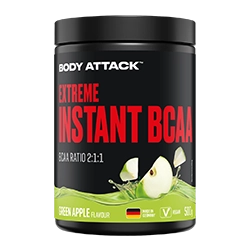
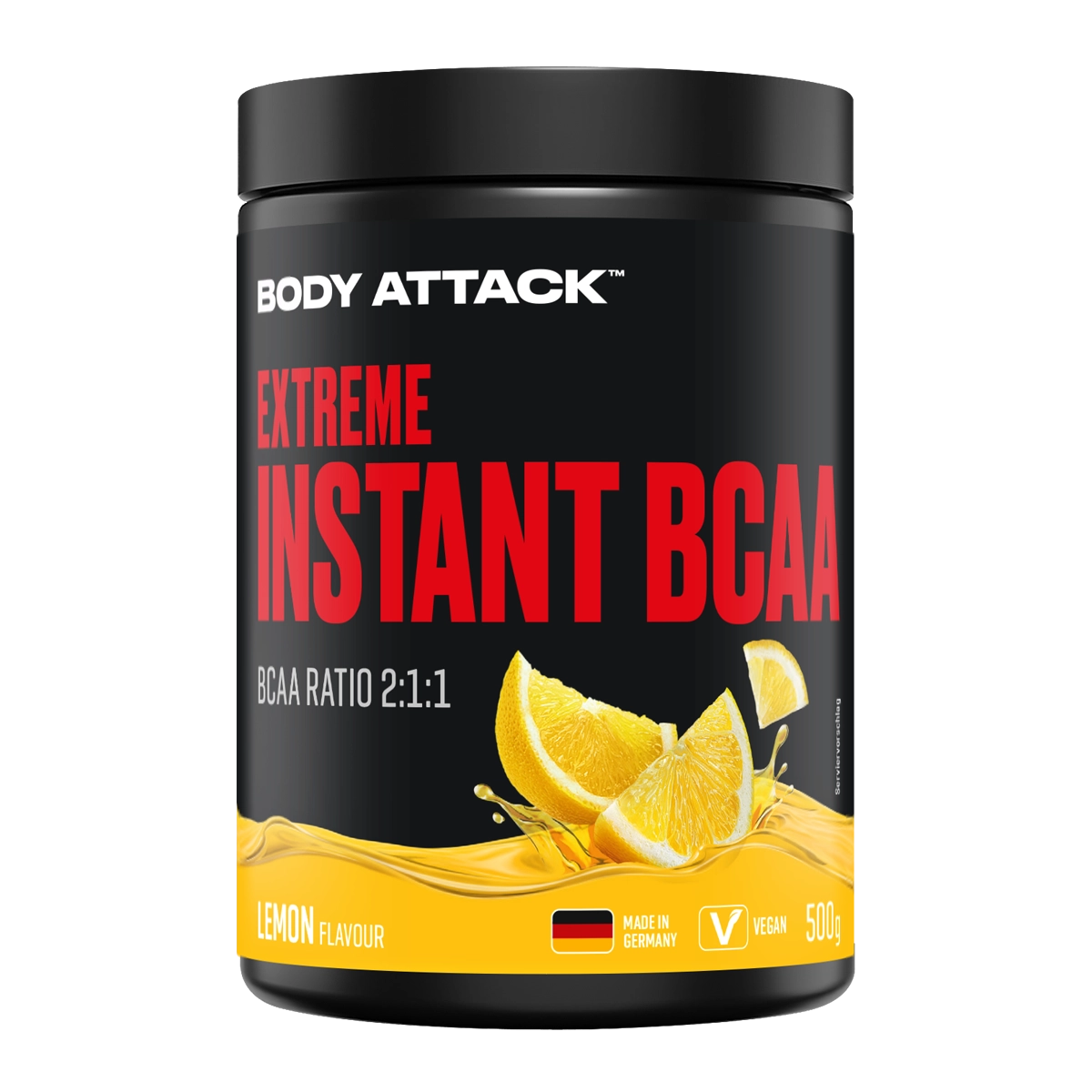
The optimal ratio of the amino acids leucine, isoleucine, and valine is 2:1:1. In this specific composition, BCAAs are utilized most efficiently by the body. A product containing 4000 mg of BCAAs should ideally provide 2000 mg leucine and 1000 mg each of isoleucine and valine. Some manufacturers rely on significantly higher leucine dosages, but this often appears excessive. Both isoleucine and valine are also essential for the body and are needed just as much as leucine. The 2:1:1 ratio corresponds to our physiological needs.
BCAAs belong to the proteinogenic amino acids that are incorporated into body proteins. Milk protein and whey protein, for example, are among the best sources. These proteins have high biological value and contribute to muscle growth and maintenance.
BCAAs are also referred to as muscle amino acids because they make up around one third of muscle proteins. In cases of energy deficiency, they can be converted into the amino acid alanine. G-acid and beta-alanine can also enter the energy metabolism and be converted into glucose or ketones. This discovery was made by a married couple named Cori, after whom the metabolic cycle is named: the Cori cycle.
The optimal ratio of 2:1:1
BCAAs belong to the proteinogenic amino acids that are incorporated into body proteins. Milk protein and whey protein, for example, are among the best sources. These proteins have high biological value and contribute to muscle growth and maintenance.
Protein contributes to muscle growth and the maintenance of muscle mass (cf. Health Claims Regulation, 2012). The building blocks of proteins are proteinogenic amino acids, which are also found in dietary proteins. This is why many athletes follow a high-protein diet and often supplement it with essential amino acid powders or special capsules—because muscles can only grow if sufficient building blocks are available.
The demand for amino acids depends on physical and mental stress. During performance-oriented training, protein turnover is usually higher, partly due to increased muscle activity. Athletes therefore have an increased need for protein, or rather amino acids. This additional demand must be met to prevent a negative nitrogen balance. A negative nitrogen balance means that the body breaks down more protein than it builds up. Protein provides nitrogen, which is needed for new protein synthesis. Therefore, the body relies on an adequate intake of proteinogenic amino acids. This relationship can be summarized in a simple formula:
Amino acids = protein building blocks = muscle growth and maintenance
Please note: Muscles do not grow solely through the intake of protein or proteinogenic amino acids. Training remains essential. The combination of regular strength training with an adequate supply of protein and essential amino acids is ideal for promoting muscle growth.
The demand for amino acids depends on physical and mental stress. During performance-oriented training, protein turnover is usually higher, partly due to increased muscle activity. Athletes therefore have an increased need for protein, or rather amino acids. This additional demand must be met to prevent a negative nitrogen balance. A negative nitrogen balance means that the body breaks down more protein than it builds up. Protein provides nitrogen, which is needed for new protein synthesis. Therefore, the body relies on an adequate intake of proteinogenic amino acids. This relationship can be summarized in a simple formula:
Amino acids = protein building blocks = muscle growth and maintenance
Please note: Muscles do not grow solely through the intake of protein or proteinogenic amino acids. Training remains essential. The combination of regular strength training with an adequate supply of protein and essential amino acids is ideal for promoting muscle growth.
The eight essential amino acids must be obtained through your diet, as the body cannot produce them on its own. They are found in protein-rich foods. Supplementation can be particularly beneficial for athletes, people who place heavy physical demands on their bodies at work, or those following a diet.
Amino acids are primarily found in animal-based foods, but there are also some plant-based sources:
Natural sources of amino acids such as meat or dairy products, which are important for muscles, often have a high fat content. In contrast, dietary supplements are typically produced with low fat content. This allows you to supply your body with high-quality amino acids while maintaining a low-fat diet. Athletes can meet their increased protein requirements and ensure optimal supply.
But is it possible without animal sources? Yes! However, vegan proteins are often incomplete, meaning they may be limited in one or more essential amino acids. Amino acid supplements, such as capsules or powders, are therefore ideal as a complement. Many amino supplements also contain additional vitamins and minerals. A popular ingredient is vitamin B6, which contributes to a normal protein metabolism, supports immune function, and is required for cysteine synthesis.
Amino acids are primarily found in animal-based foods, but there are also some plant-based sources:
- Meat and meat products
- Fish
- Eggs
- Milk and dairy products (e.g. quark, yogurt, cheese)
- Legumes (e.g. lentils, peas, beans, and soy)
- Nuts and walnuts
Natural sources of amino acids such as meat or dairy products, which are important for muscles, often have a high fat content. In contrast, dietary supplements are typically produced with low fat content. This allows you to supply your body with high-quality amino acids while maintaining a low-fat diet. Athletes can meet their increased protein requirements and ensure optimal supply.
But is it possible without animal sources? Yes! However, vegan proteins are often incomplete, meaning they may be limited in one or more essential amino acids. Amino acid supplements, such as capsules or powders, are therefore ideal as a complement. Many amino supplements also contain additional vitamins and minerals. A popular ingredient is vitamin B6, which contributes to a normal protein metabolism, supports immune function, and is required for cysteine synthesis.
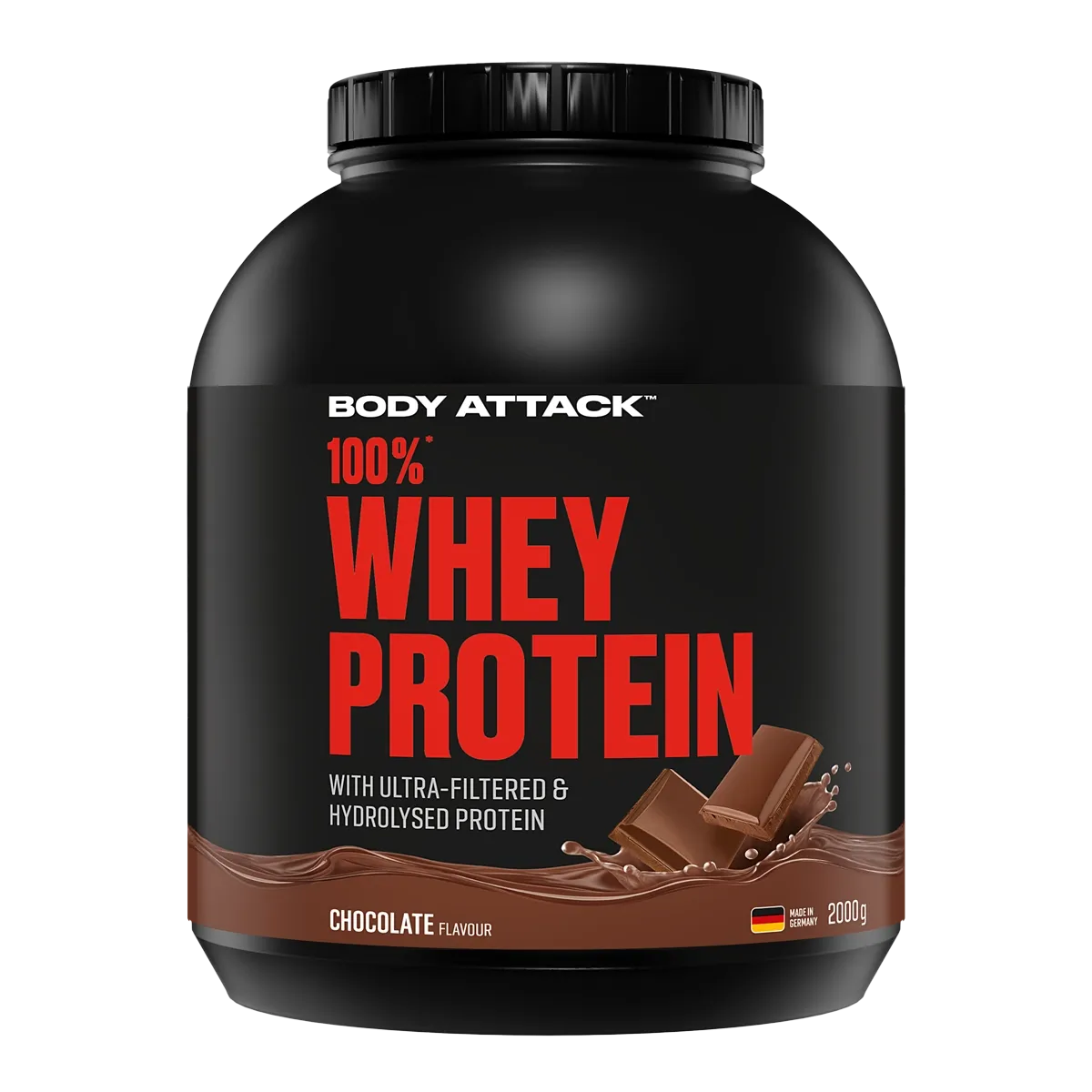
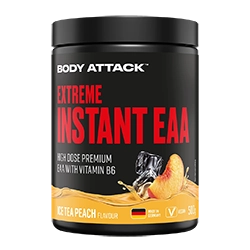
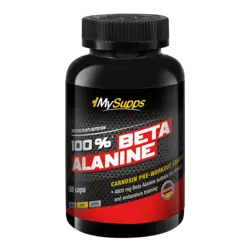
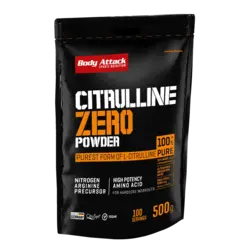
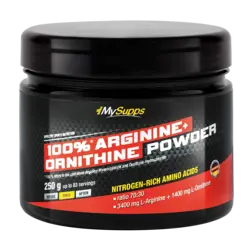
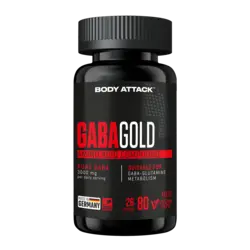
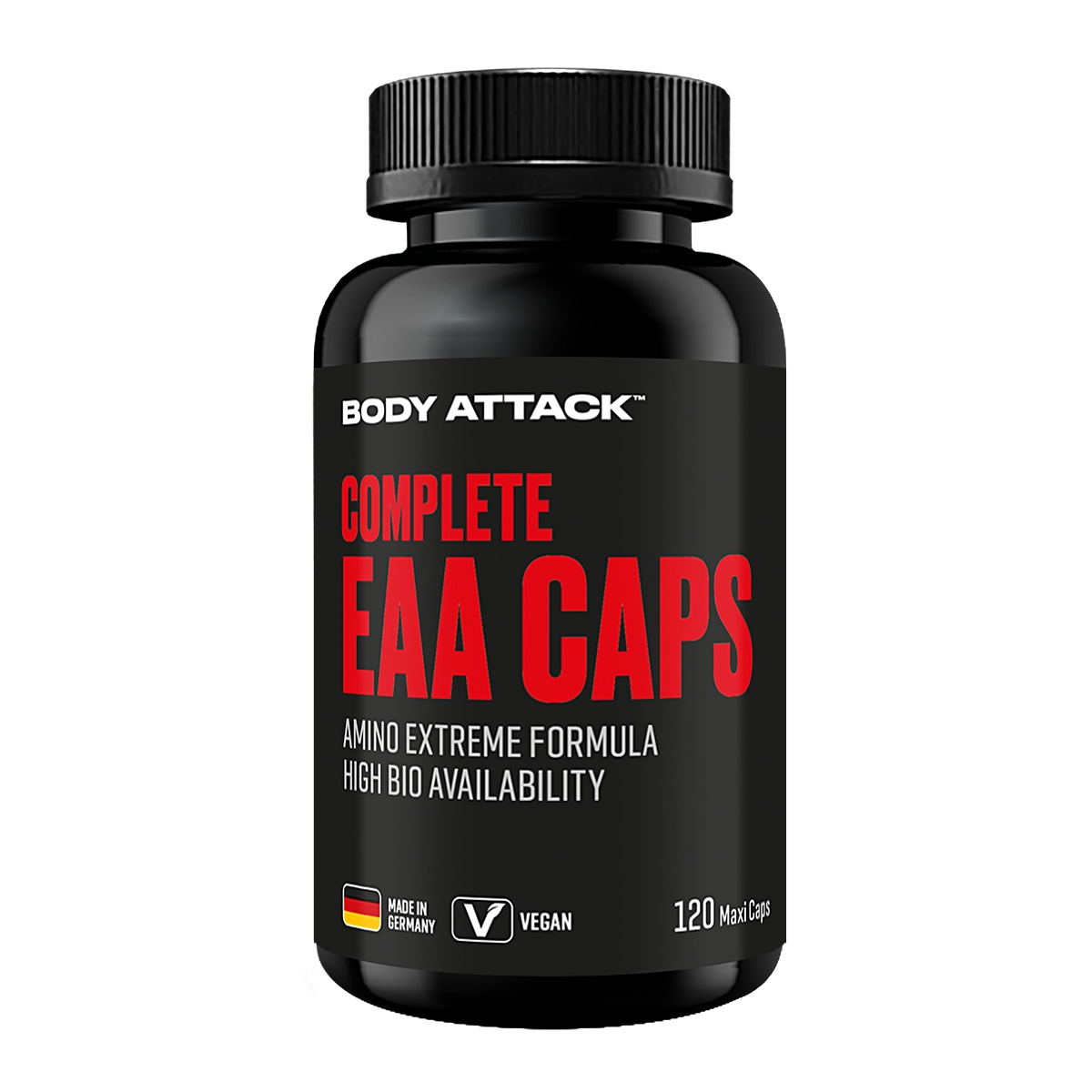
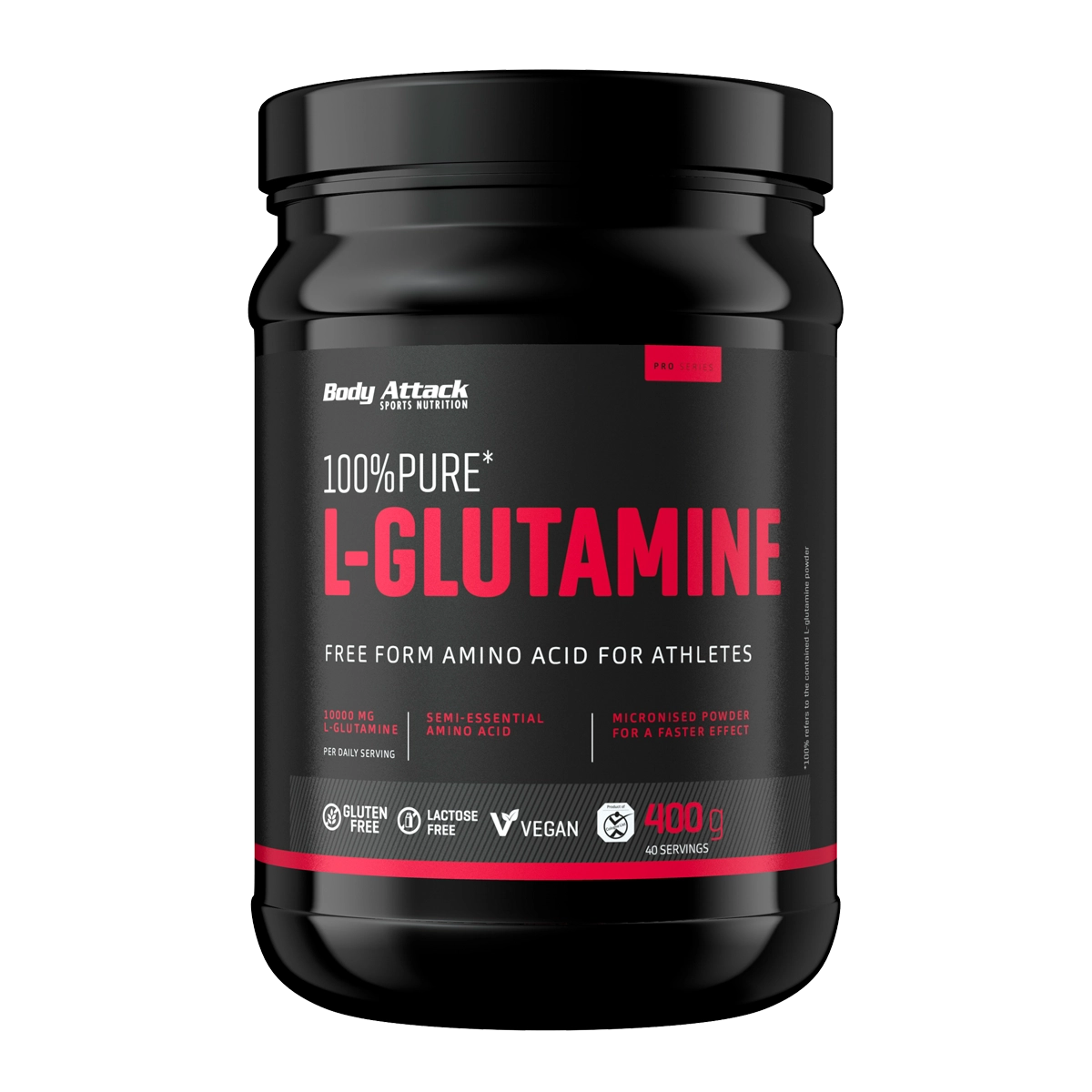
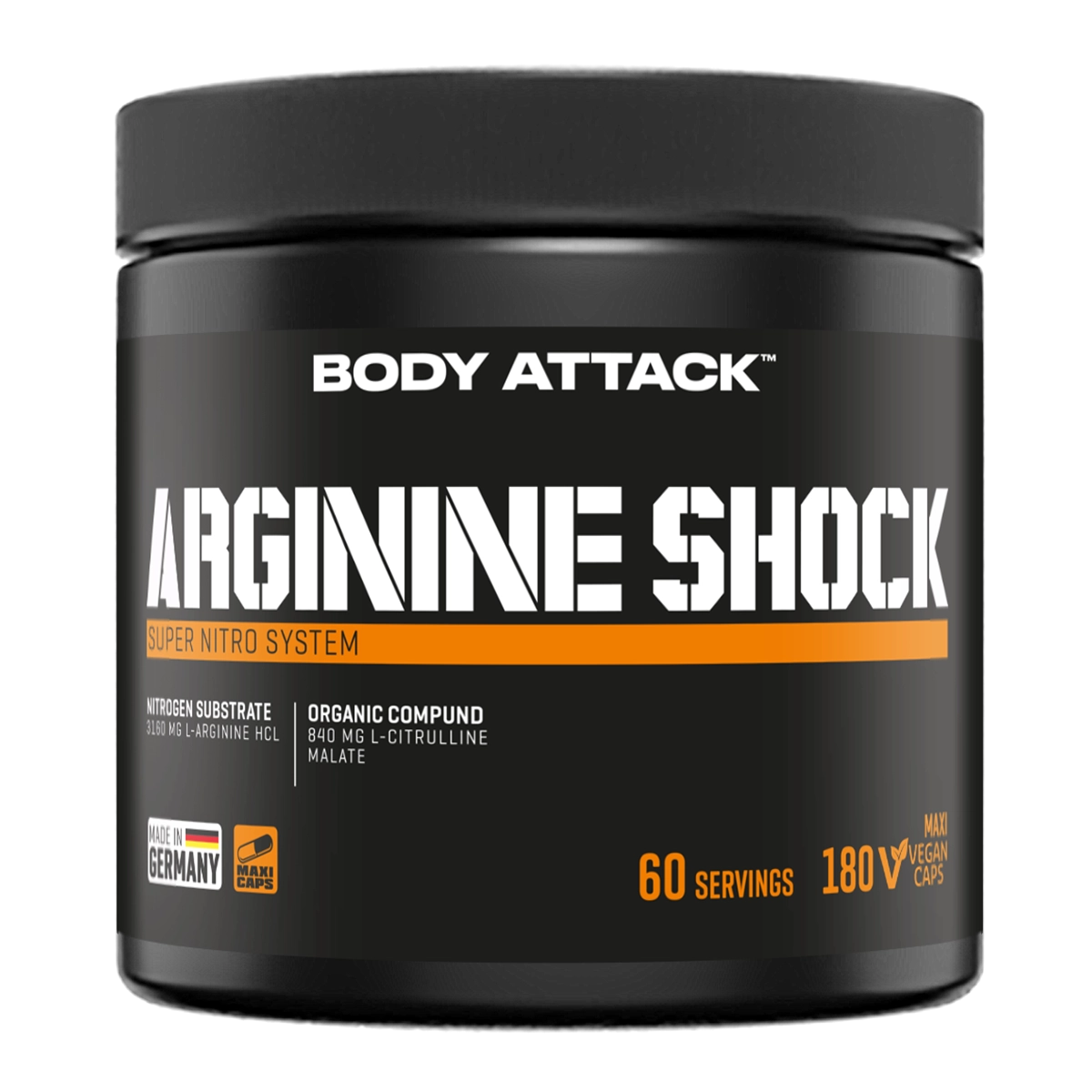
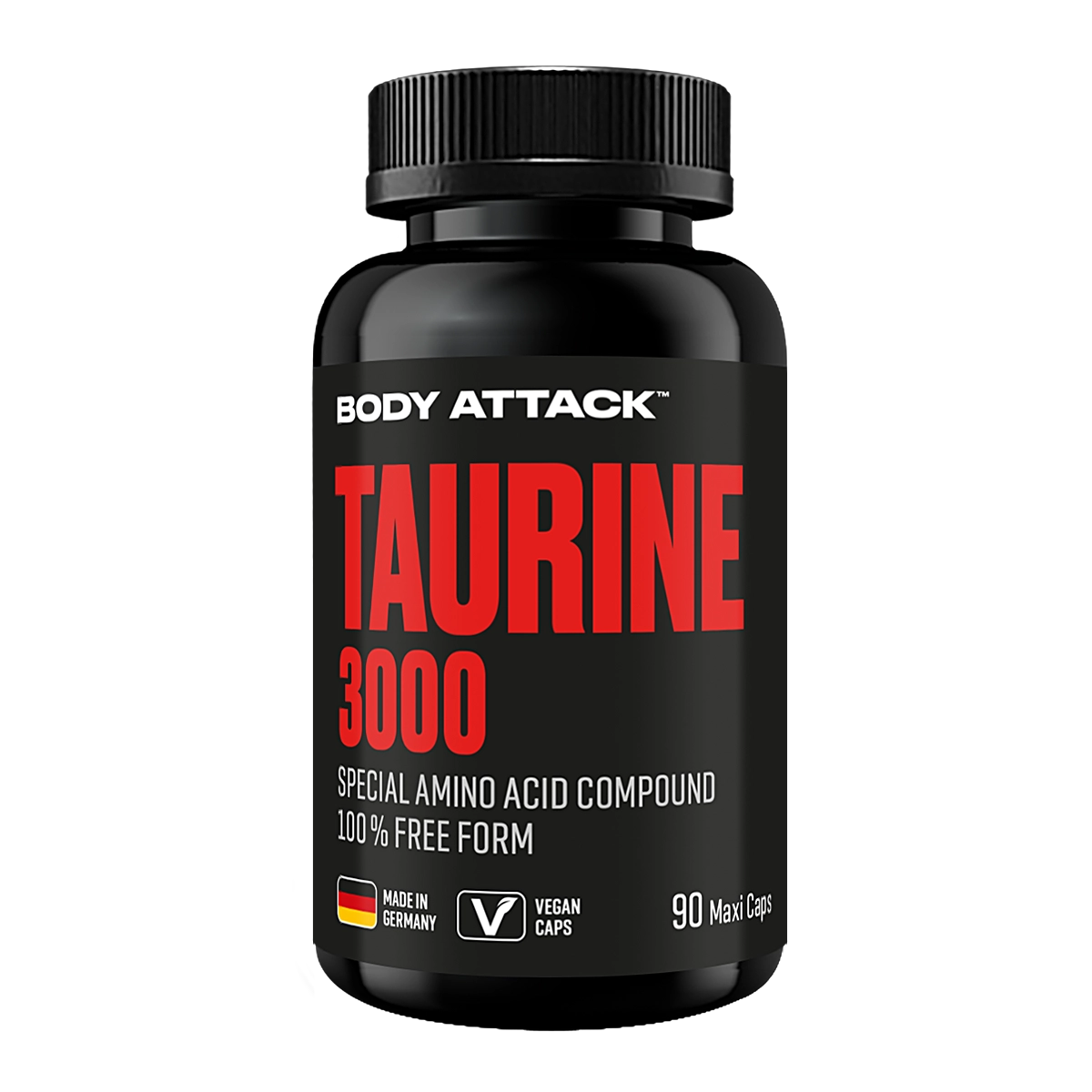
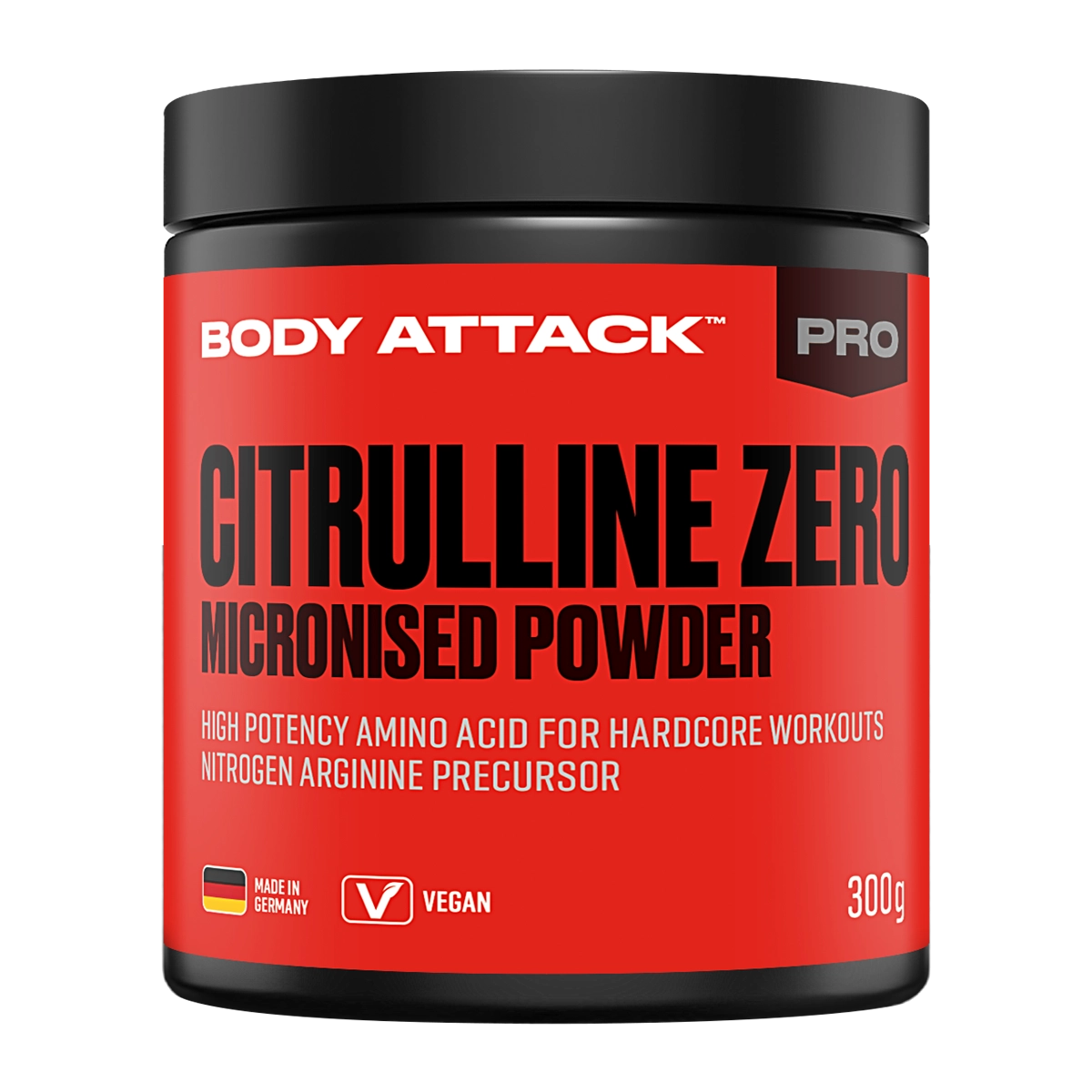
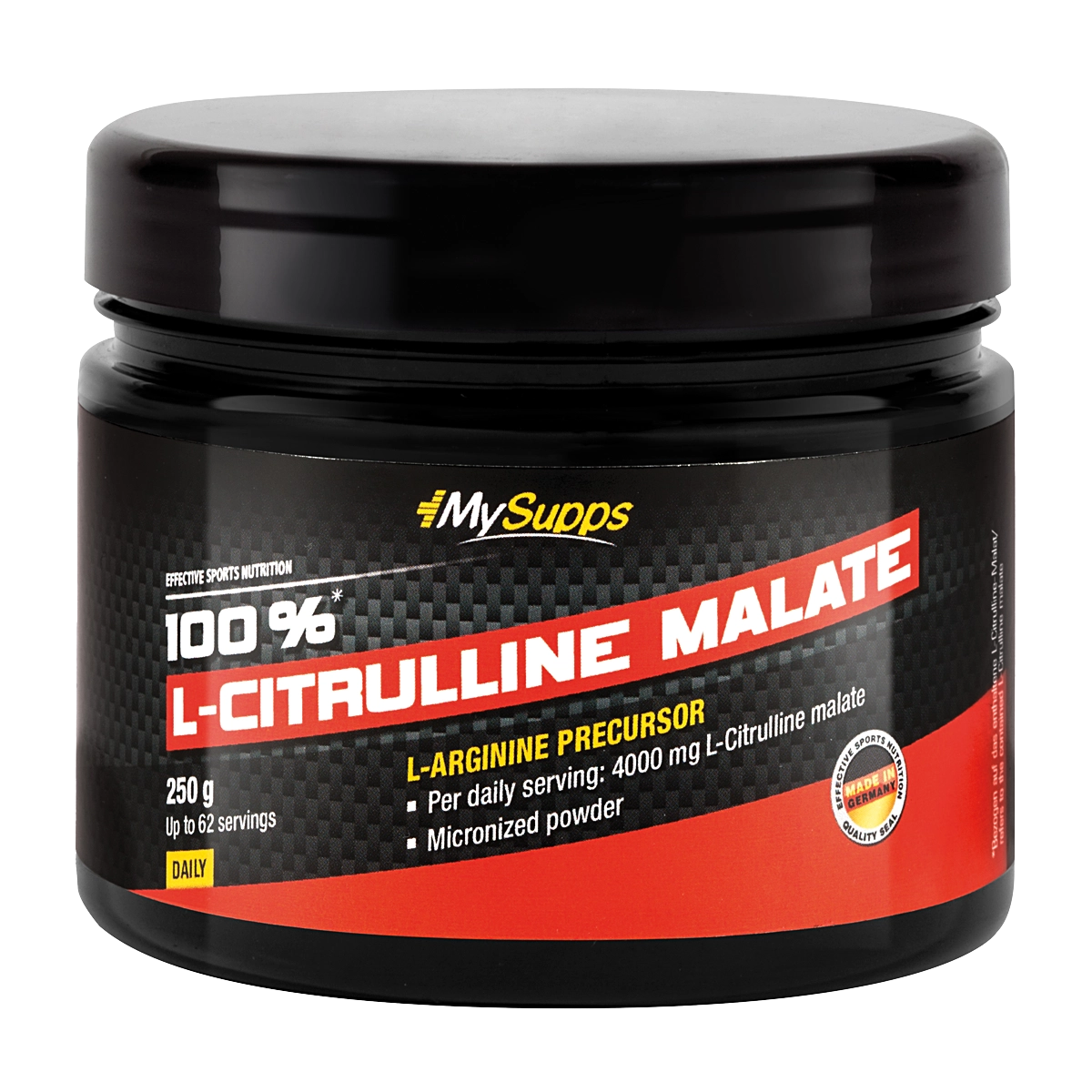
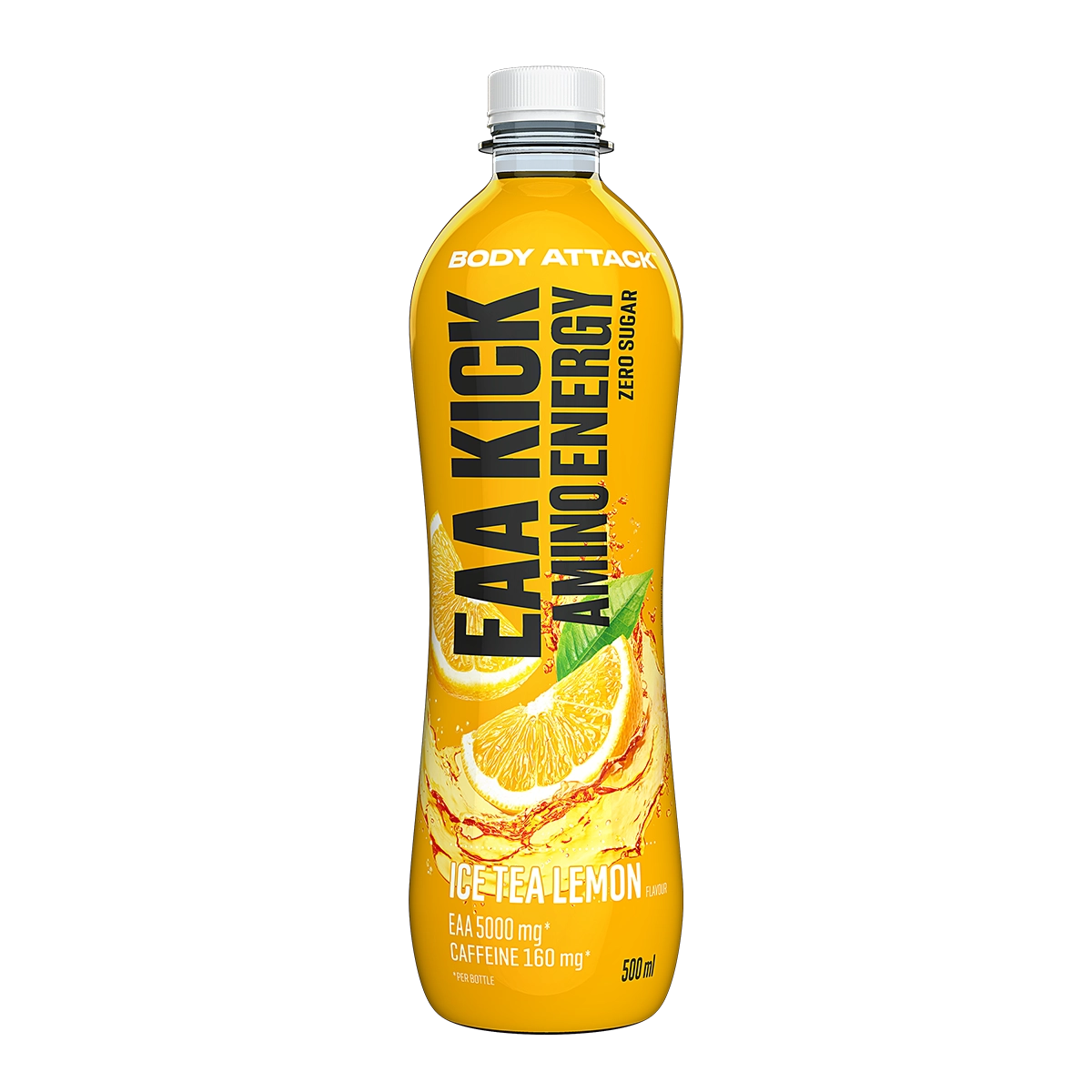
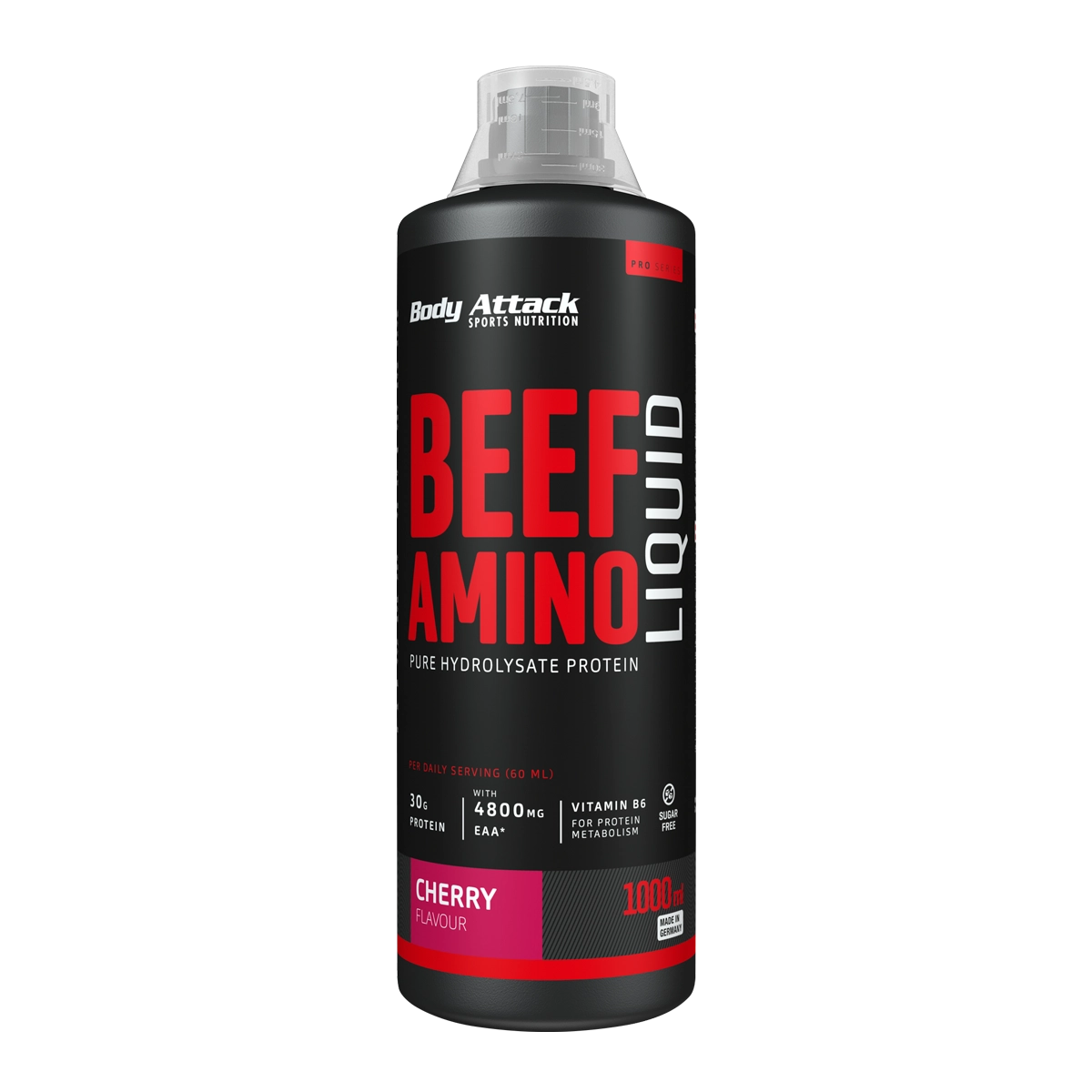
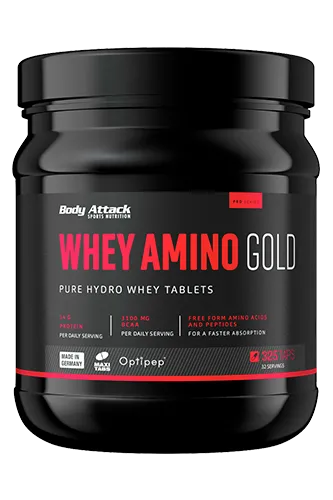
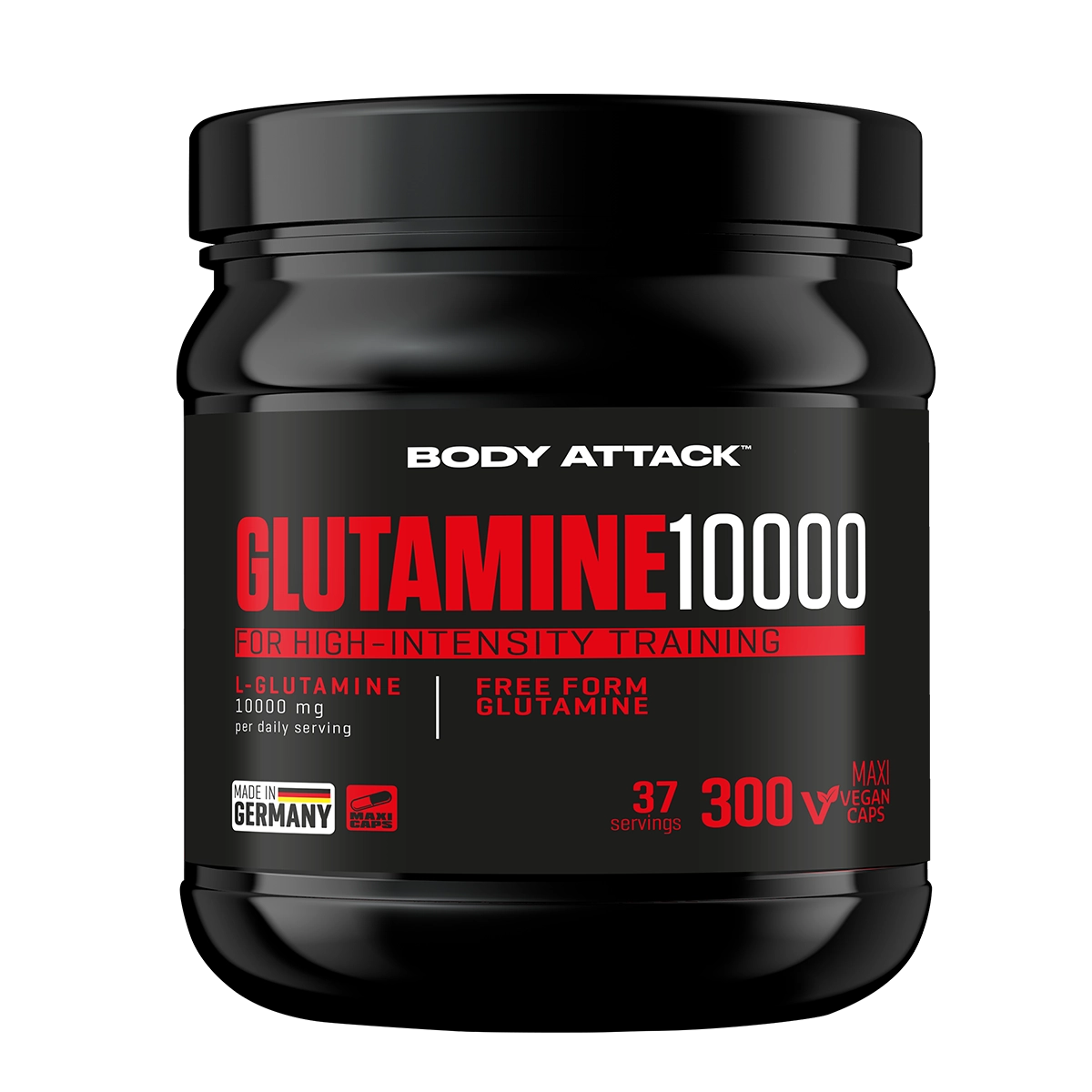
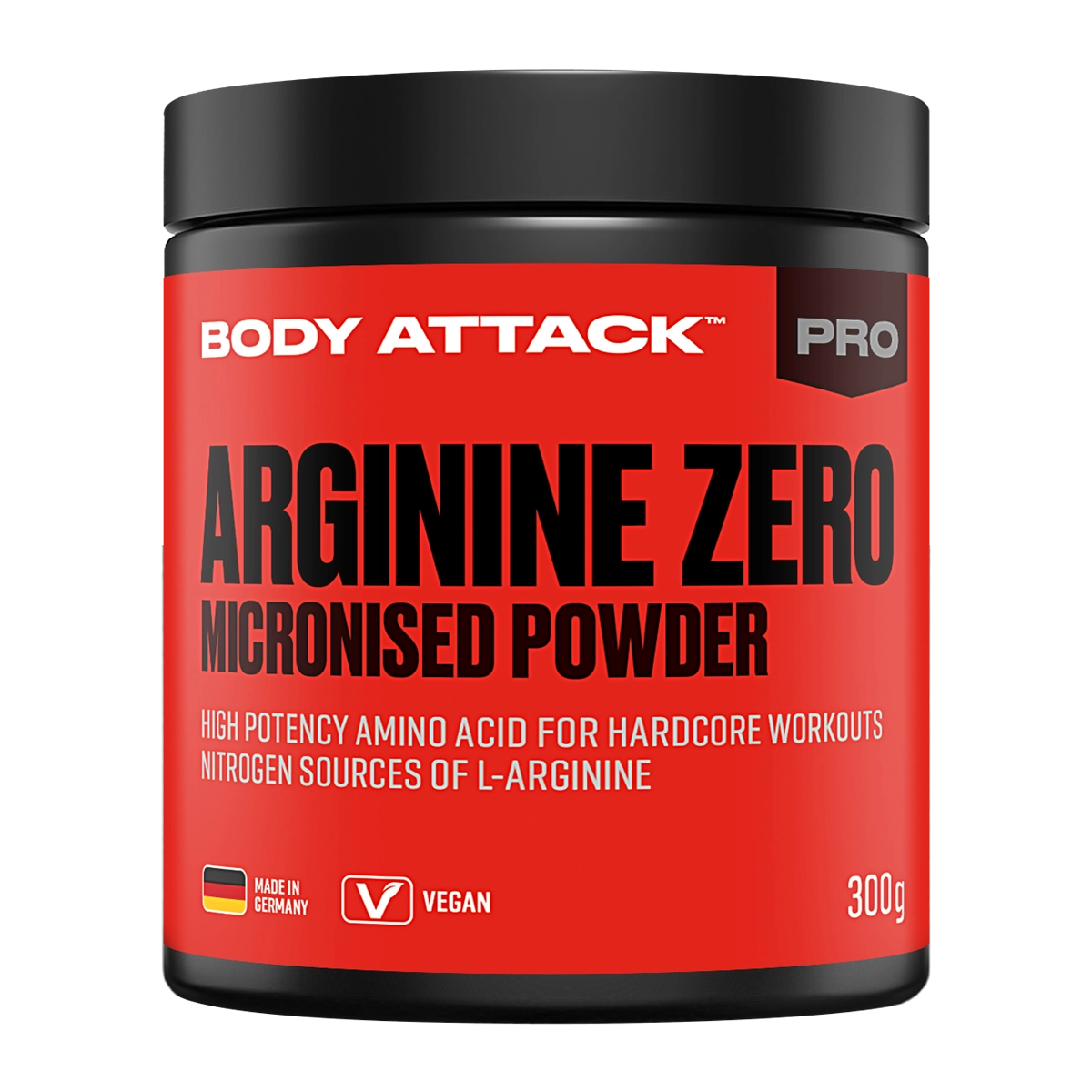
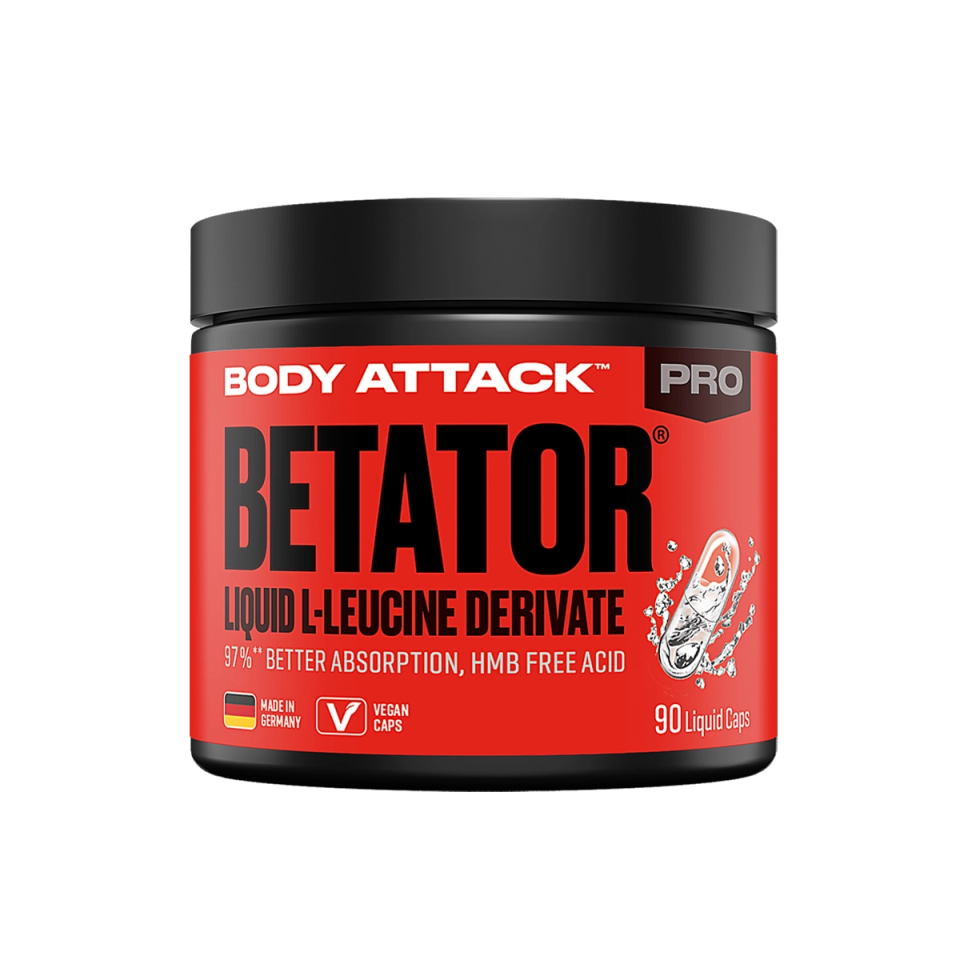
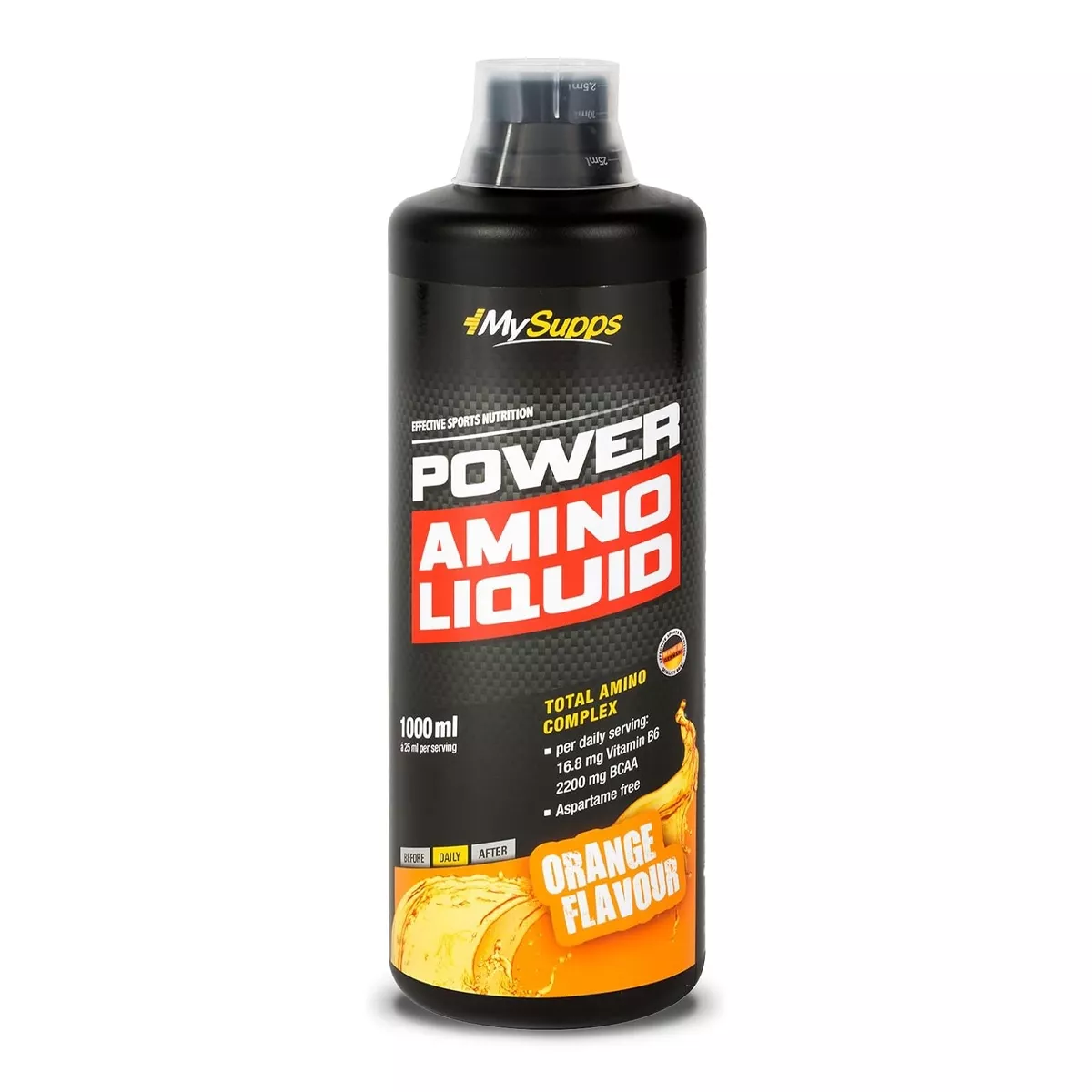
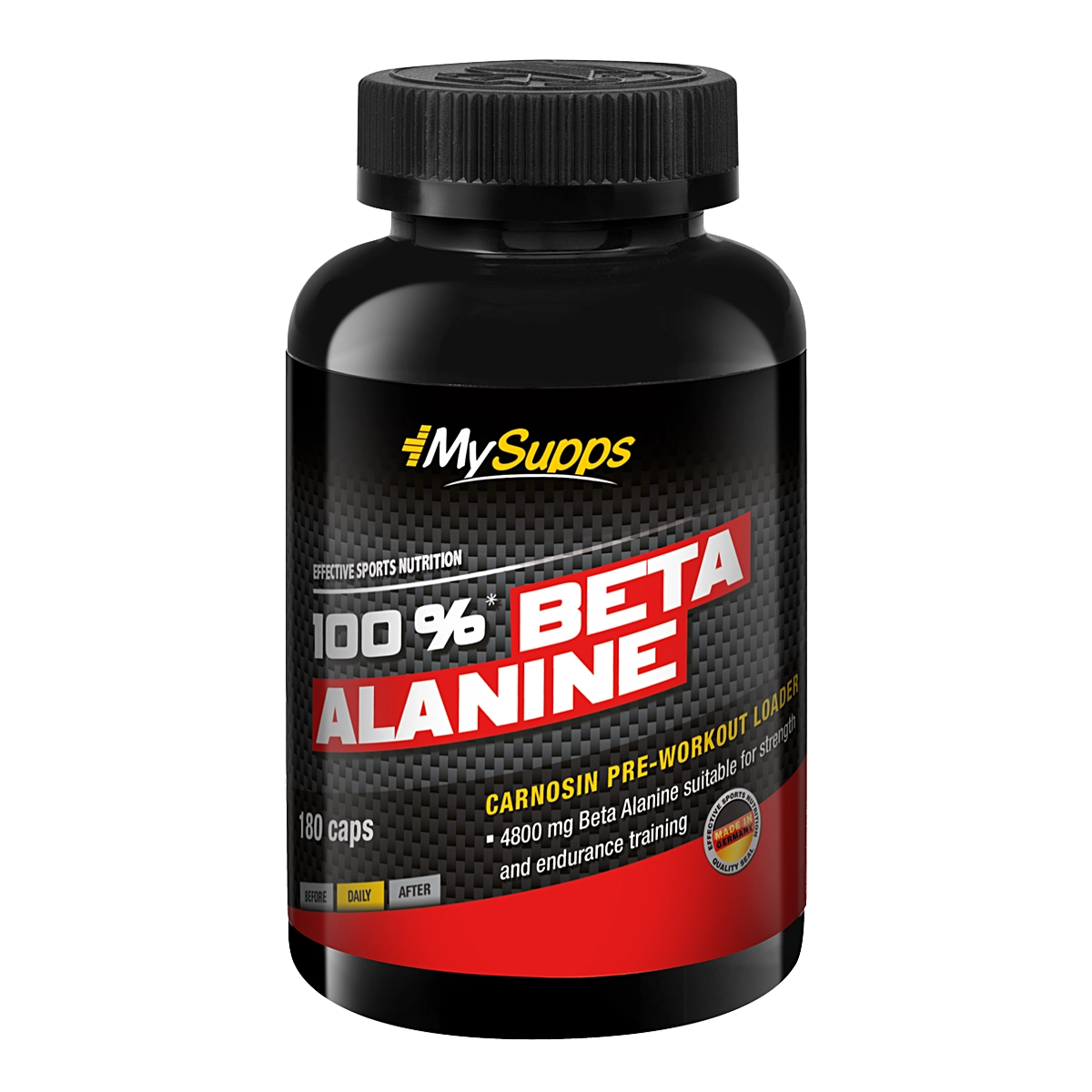
Proteins contain a high amount of amino acids. If you regularly consume whey protein, for example, you automatically supply your body with amino acids as well. Pure amino acids are usually available as capsules, powders, or liquids. Their composition can vary widely: some products provide only one amino acid in a highly concentrated form, such as arginine, tryptophan, or branched-chain BCAAs. Others combine all essential amino acids, for example. Combinations such as beta-alanine with citrulline are also popular; both belong to the non-proteinogenic amino acids. Some amino acid products are vegan and therefore suitable for vegetarians and vegans.
In supplements, amino acids are essentially pre-digested. All the work our digestive system normally does to break down proteins into amino acids has already been done. This means the body can absorb and utilize them directly. Another advantage: you can supply exactly the amino acids your body needs in a concentrated form.
In supplements, amino acids are essentially pre-digested. All the work our digestive system normally does to break down proteins into amino acids has already been done. This means the body can absorb and utilize them directly. Another advantage: you can supply exactly the amino acids your body needs in a concentrated form.
As building blocks of protein, amino acids play a role not only in muscles and muscle growth, but also during dieting and weight loss. Various hormones are active in fat metabolism, and certain amino acids are involved in their production, making them relevant for weight management as well.
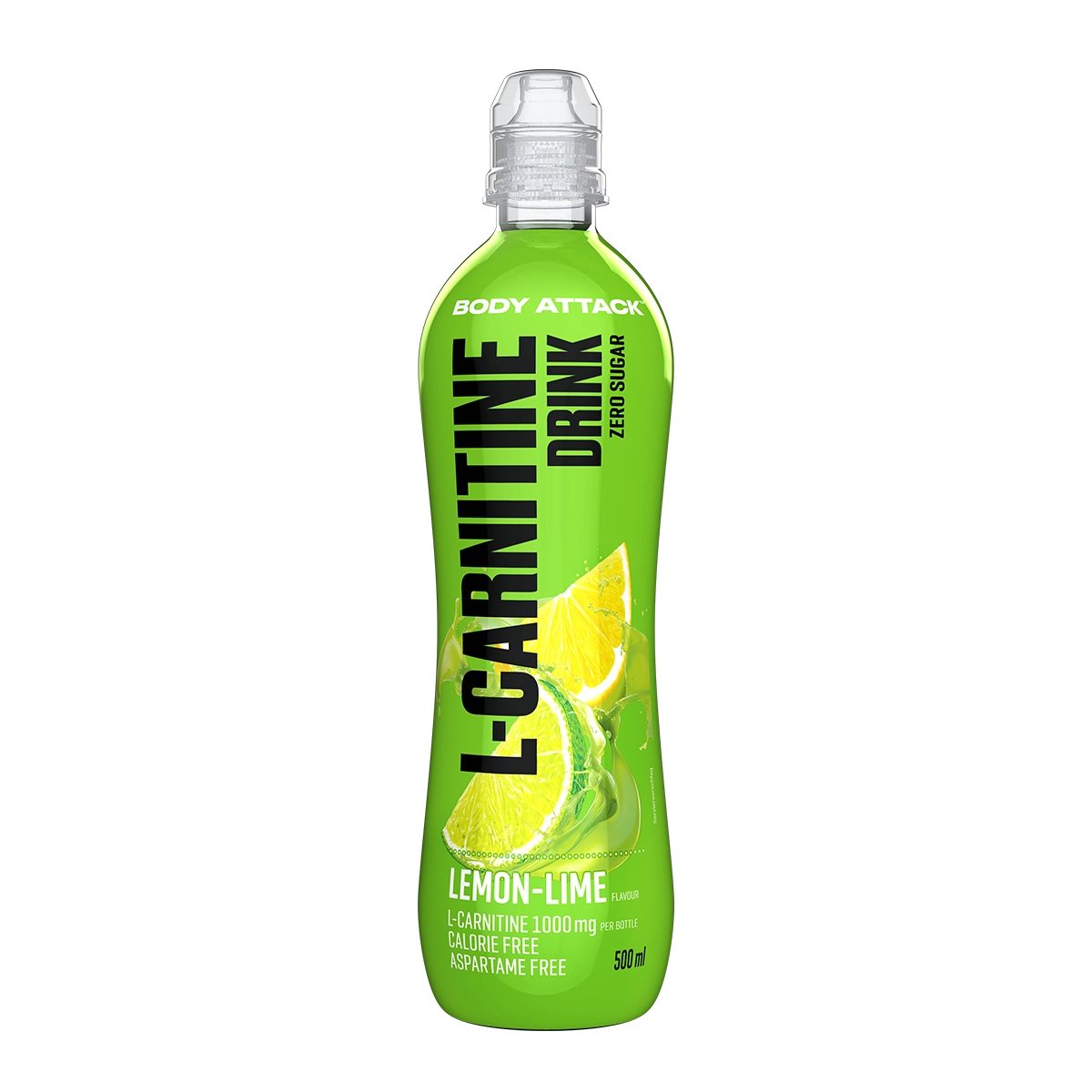
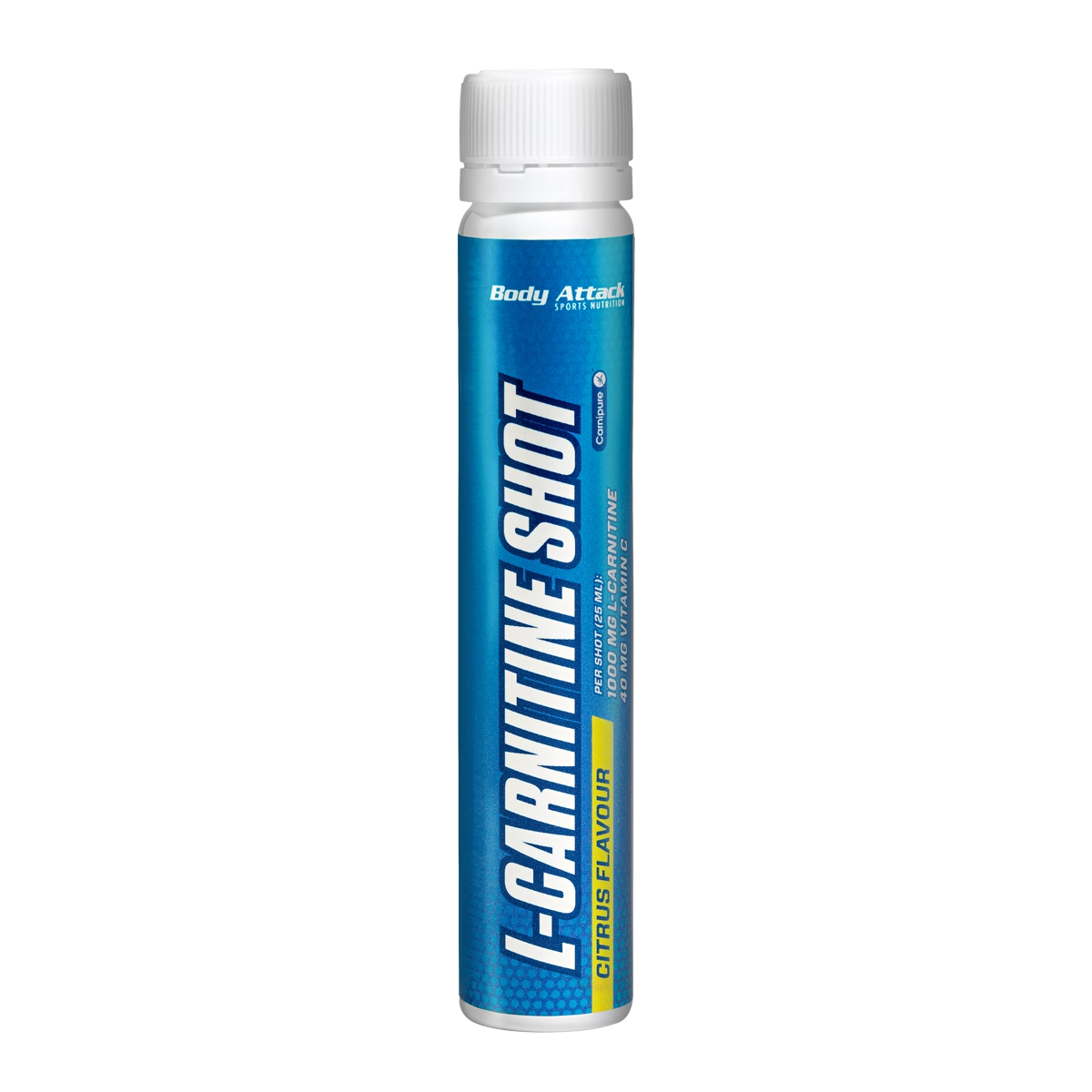
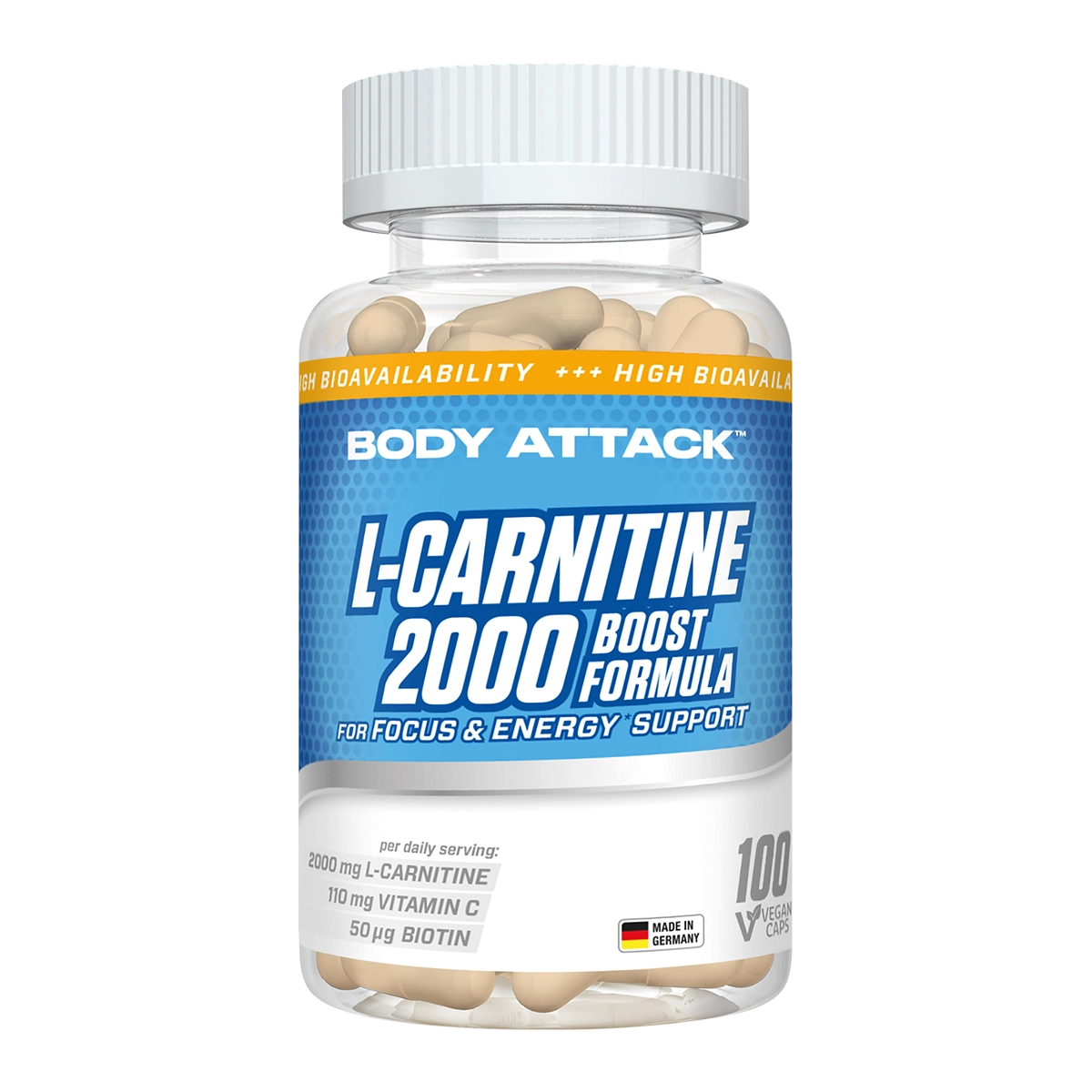
Amino acids such as arginine, G-acid, as well as ornithine, tyrosine, and tryptophan are involved in the formation of hormones and neurotransmitters that are important for energy metabolism. However, amino acids are not only used to form hormones—other protein compounds can also be synthesized from them. For example, methionine and lysine are used to produce L-carnitine. Carnitine is a vitamin-like substance that plays a role in fat metabolism as a transport compound. Most carnitine is stored and used in the muscles. As a dietary supplement, carnitine is often used alongside intensive fat-burning training sessions and during dieting.
Amino acids such as arginine, G-acid, as well as ornithine, tyrosine, and tryptophan are involved in the formation of hormones and neurotransmitters that are important for energy metabolism. However, amino acids are not only used to form hormones—other protein compounds can also be synthesized from them. For example, methionine and lysine are used to produce L-carnitine. Carnitine is a vitamin-like substance that plays a role in fat metabolism as a transport compound. Most carnitine is stored and used in the muscles. As a dietary supplement, carnitine is often used alongside intensive fat-burning training sessions and during dieting.
For optimal muscle growth, you need not only sufficient energy but also enough protein from your diet. What matters most about protein is the content of essential amino acids, as this determines how well your body can utilize the protein you consume. Supplementation can therefore be particularly useful, especially around your training sessions. So why not conveniently buy amino acids online now!