


















14 Articles
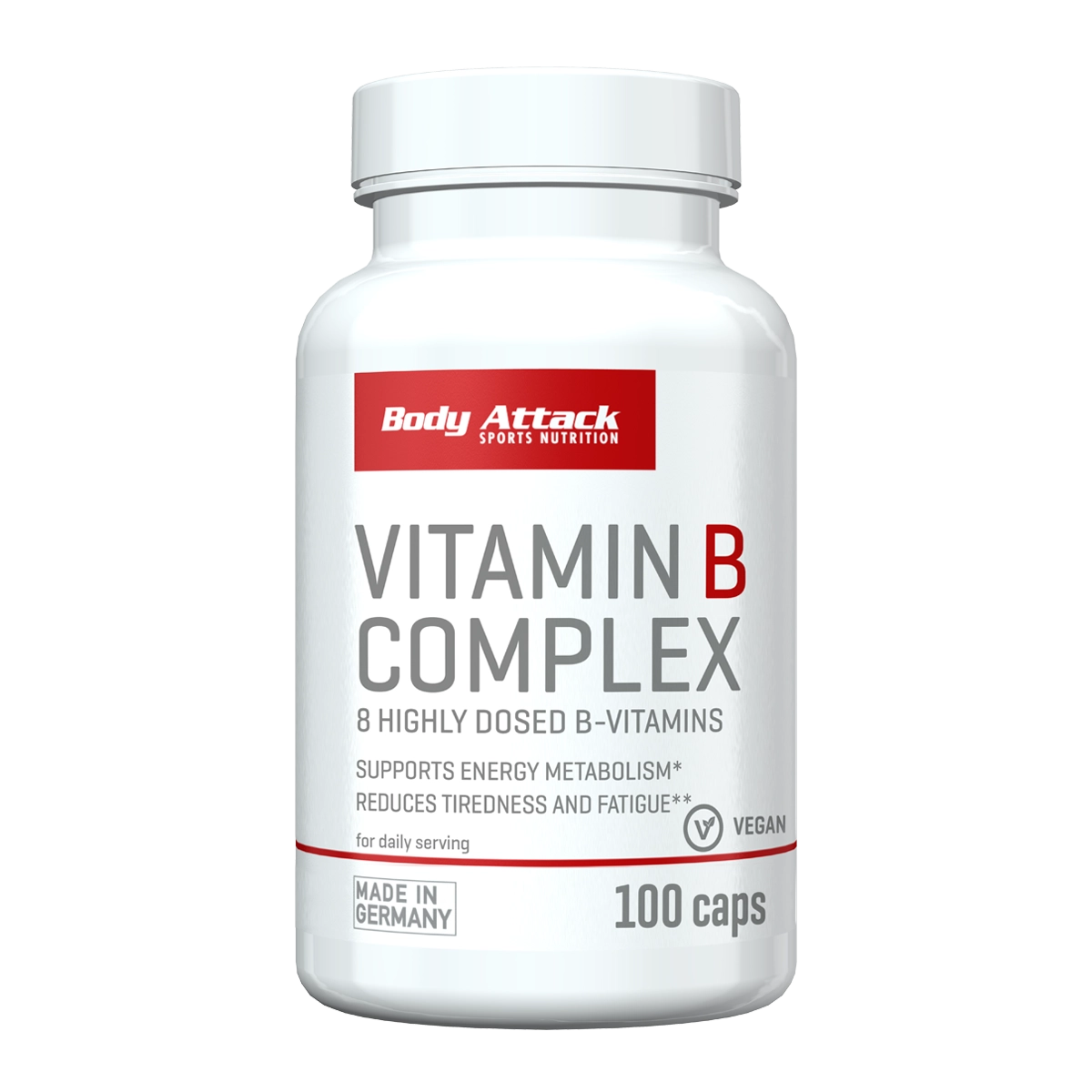
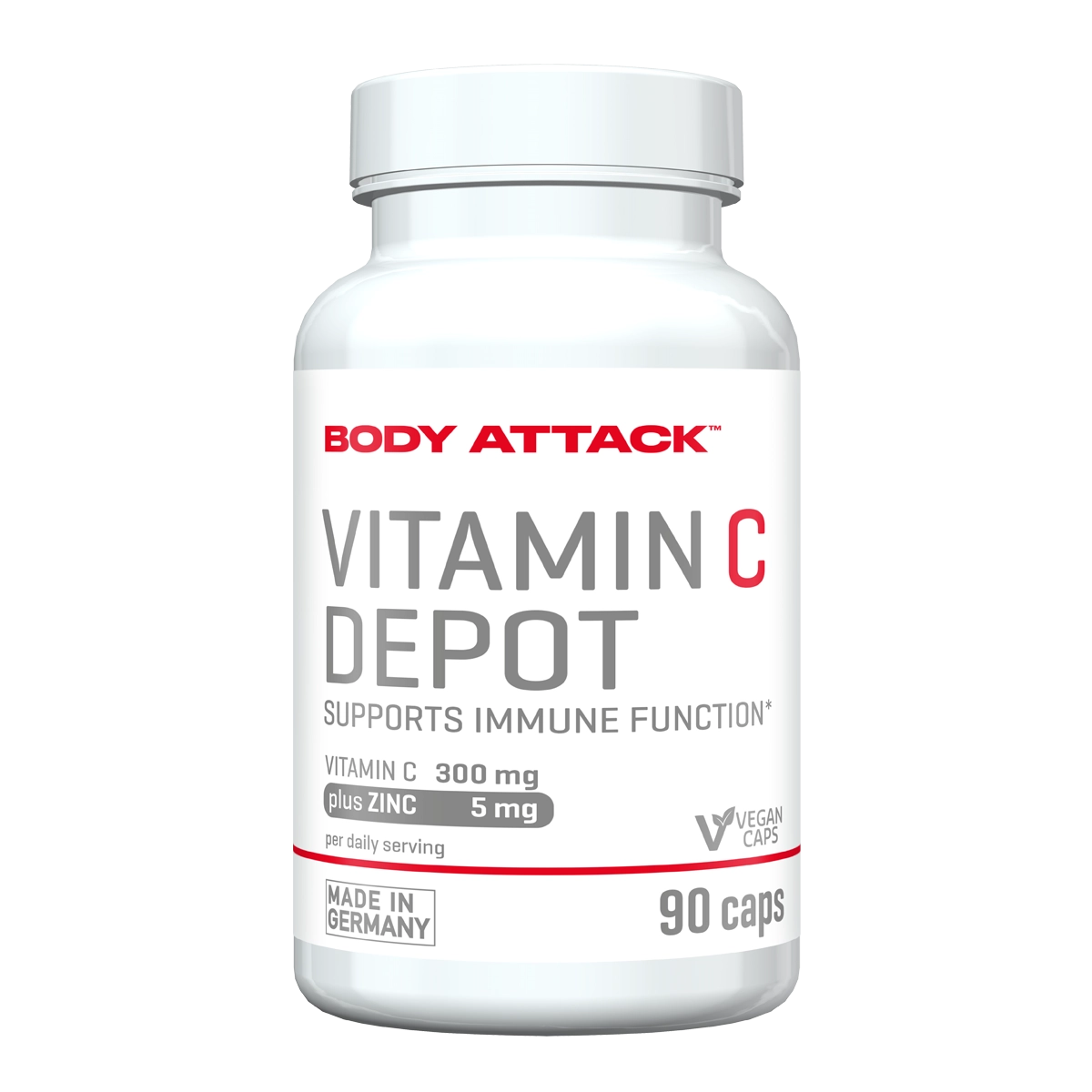
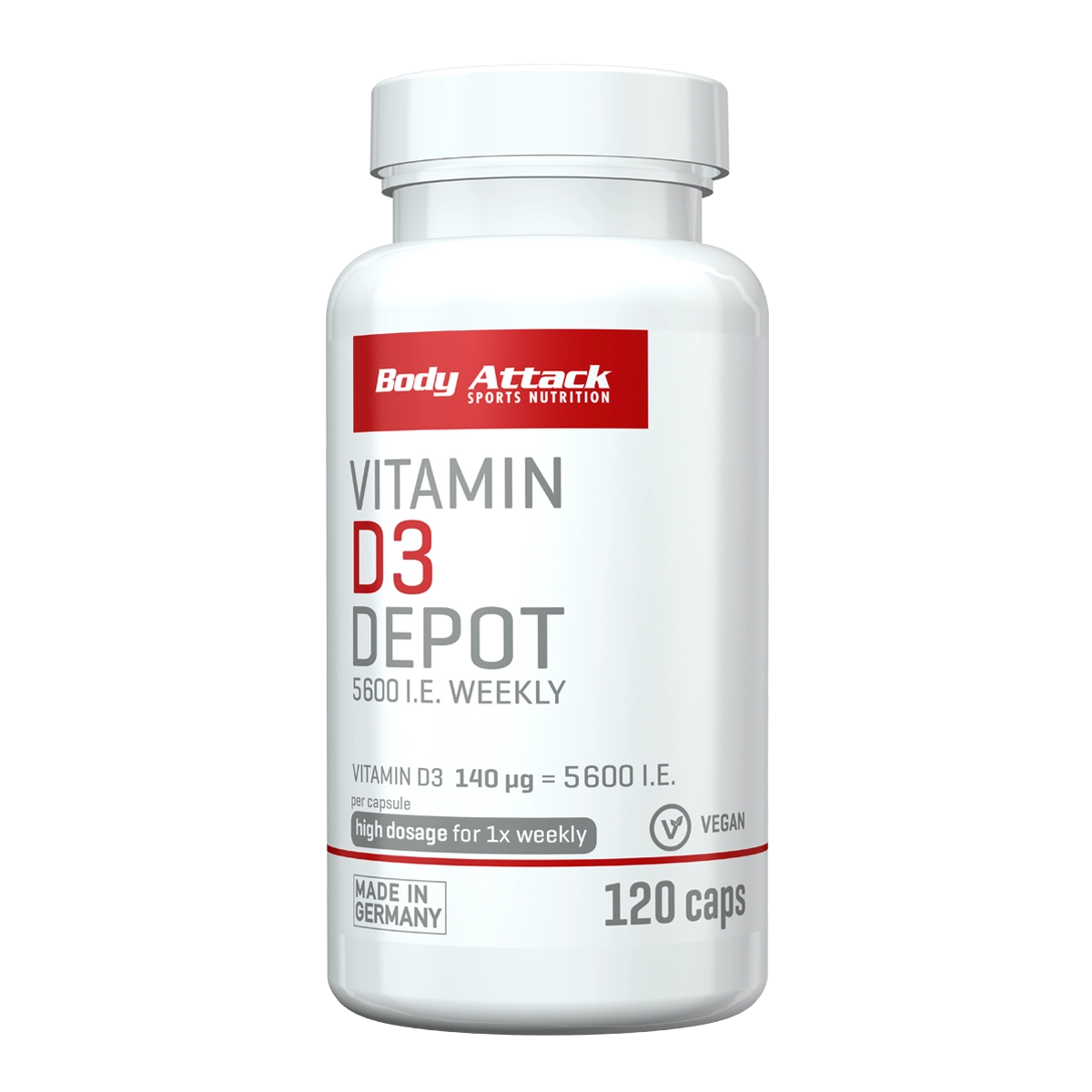
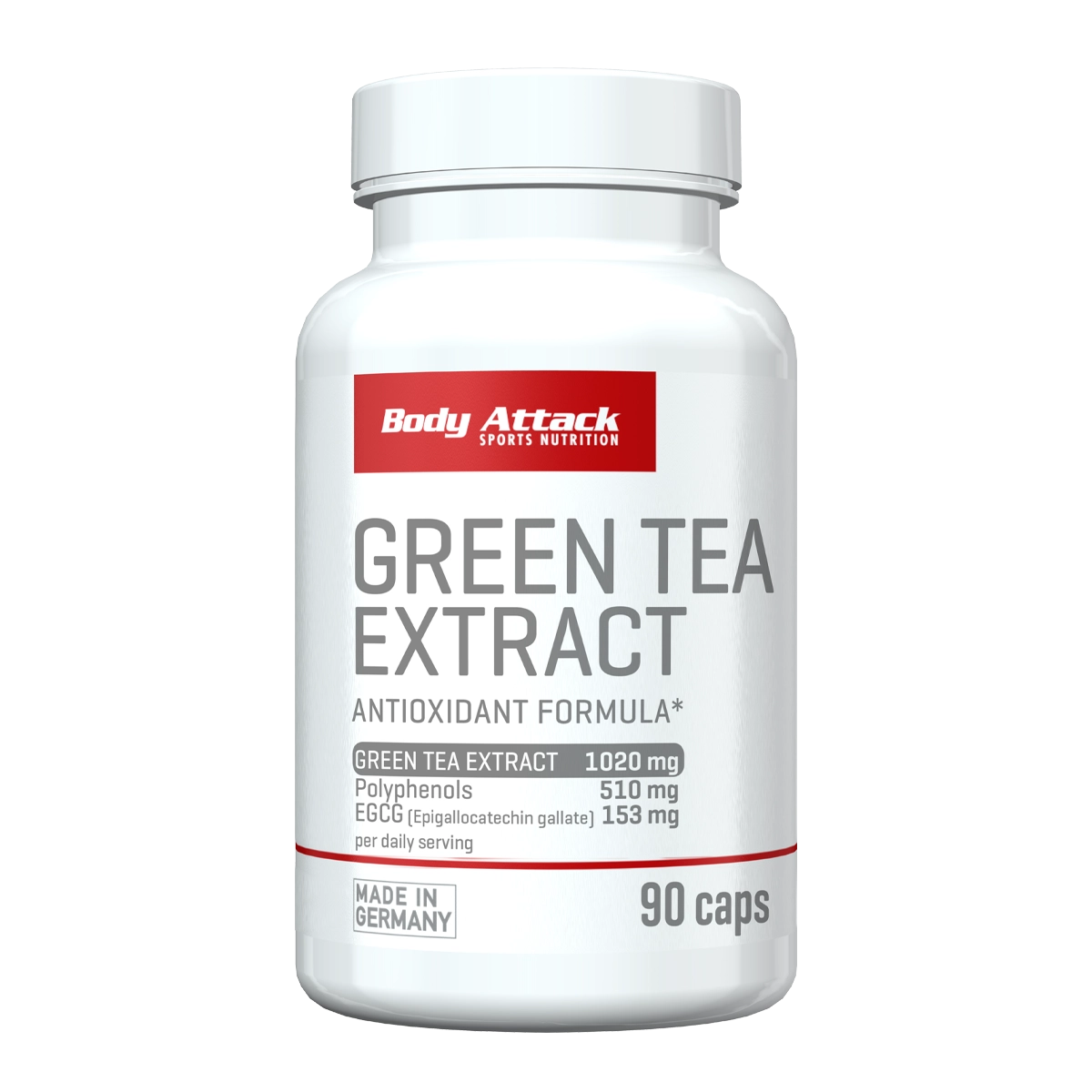
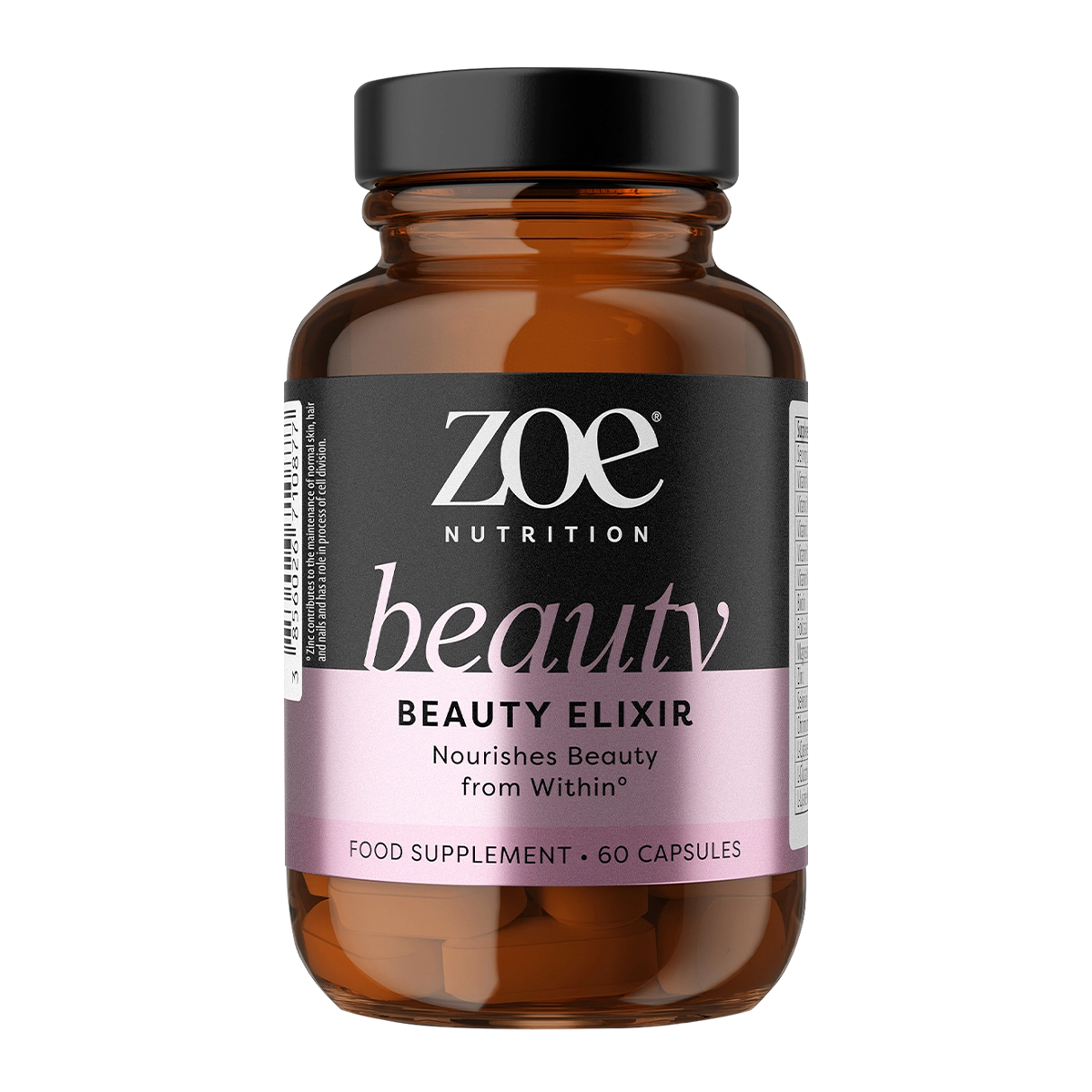
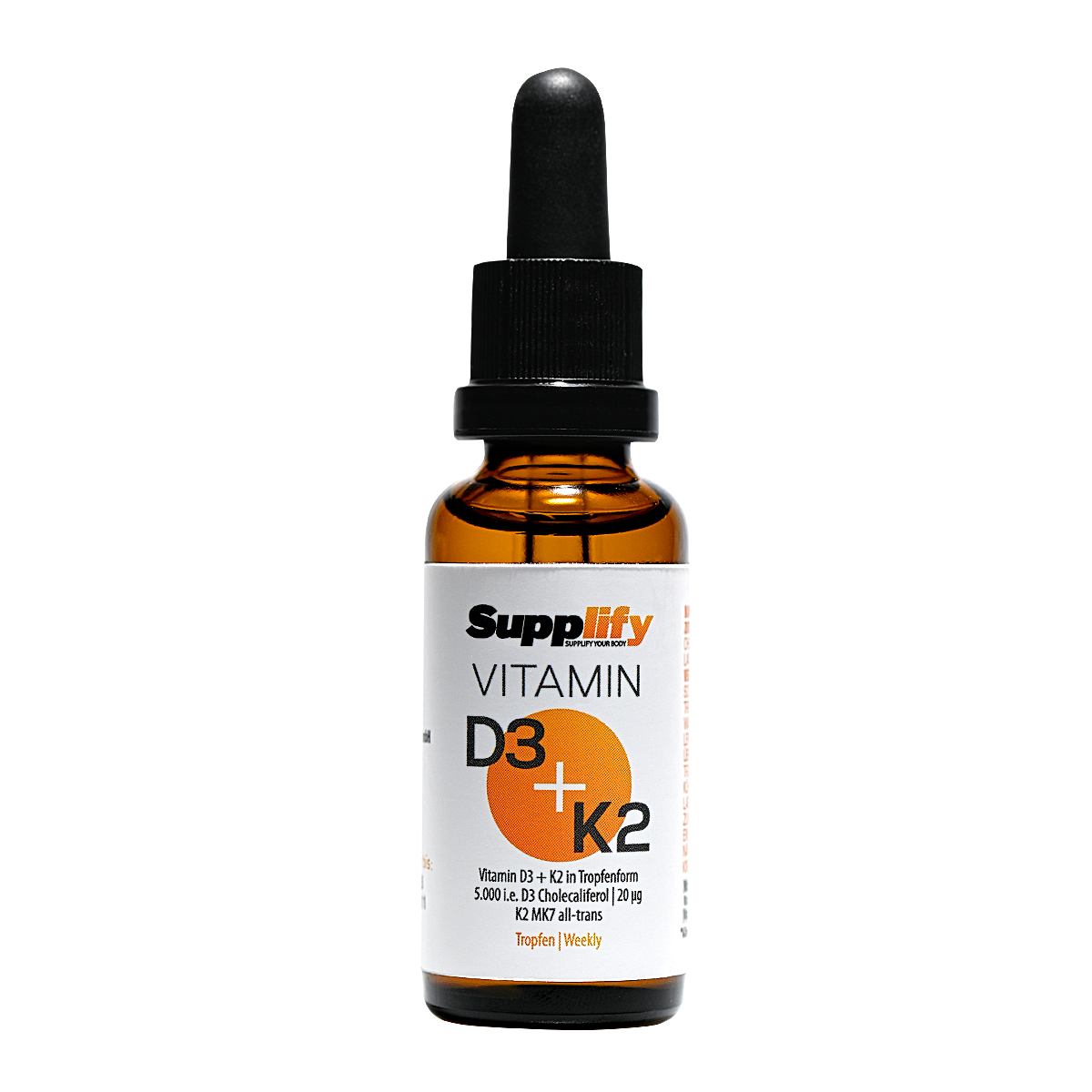
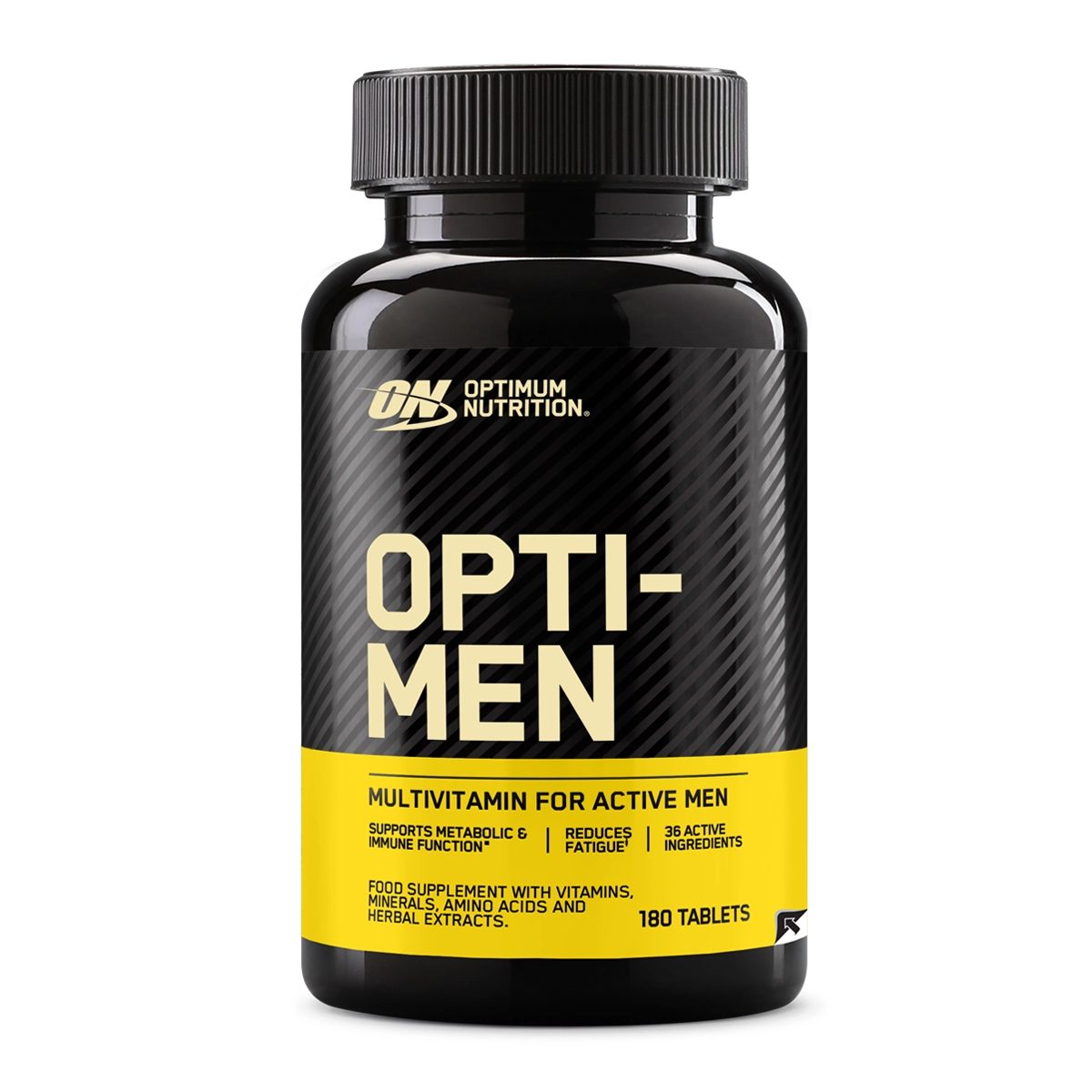
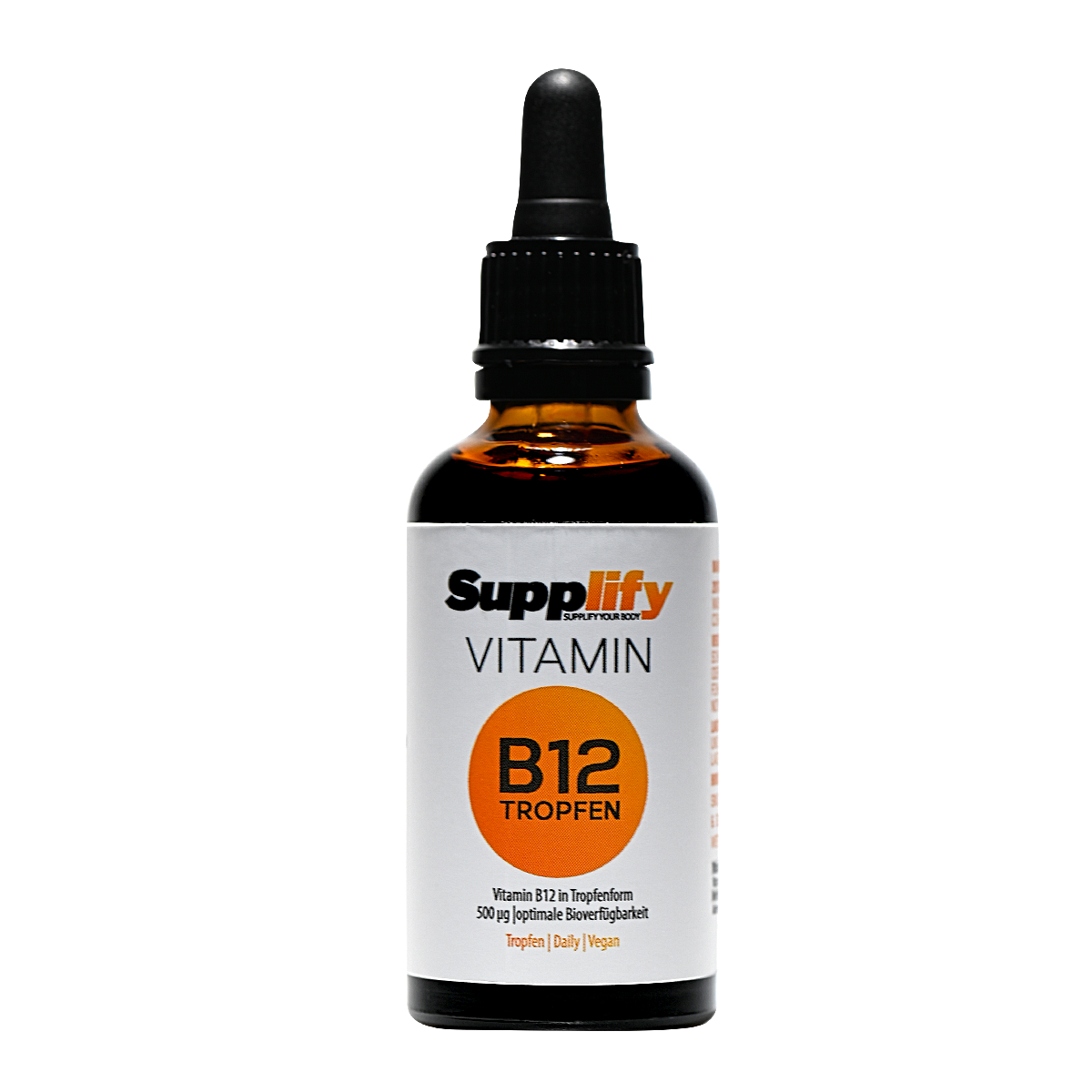
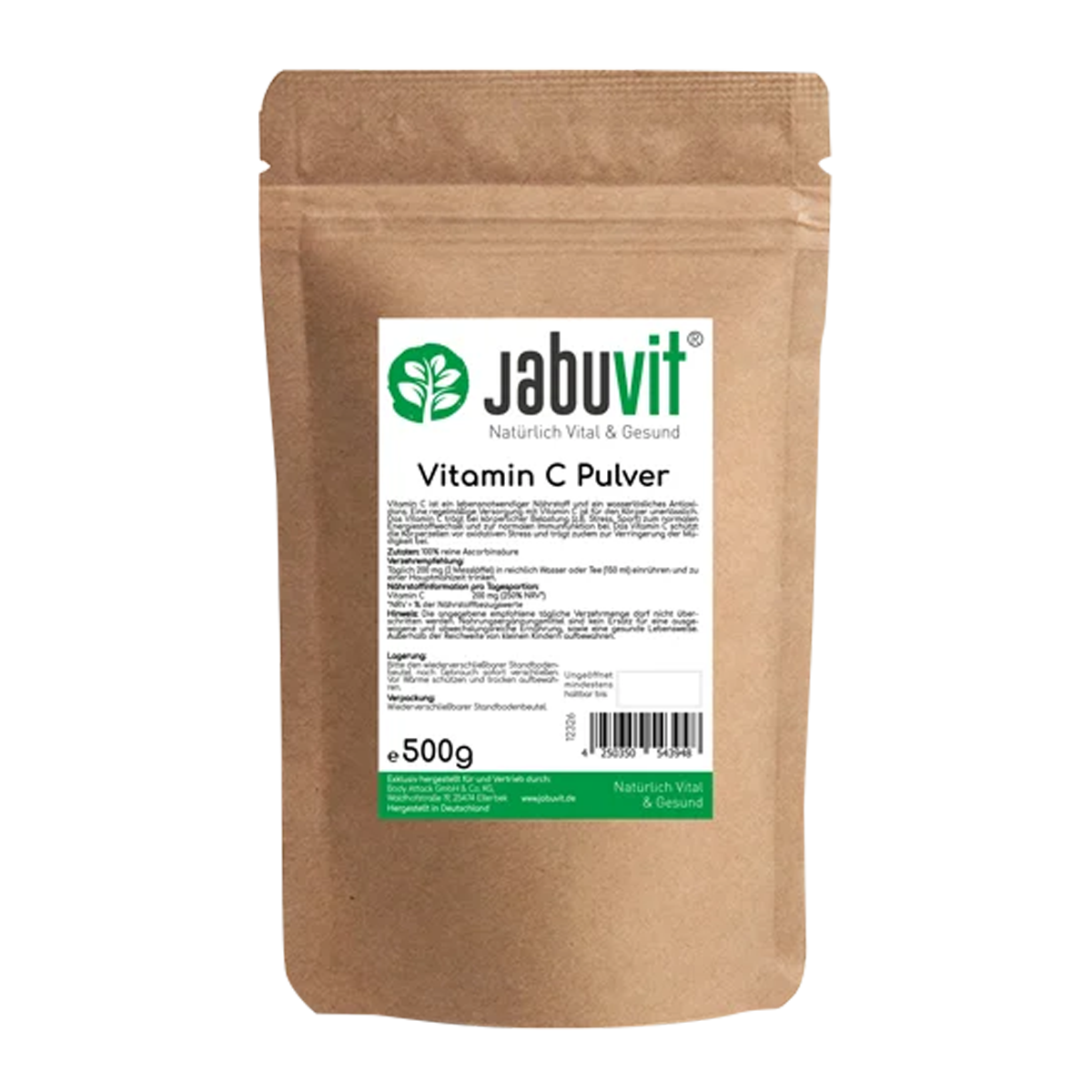

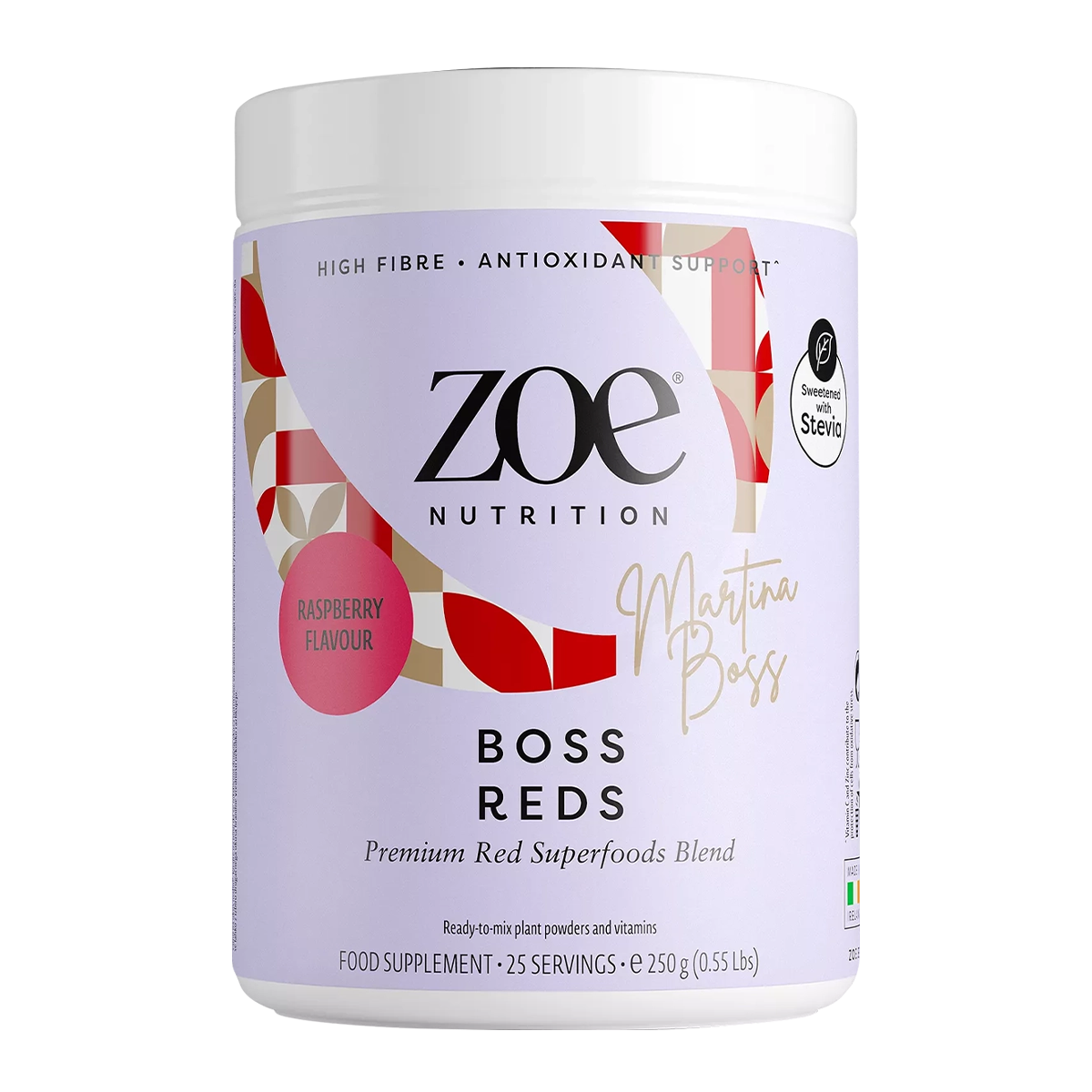
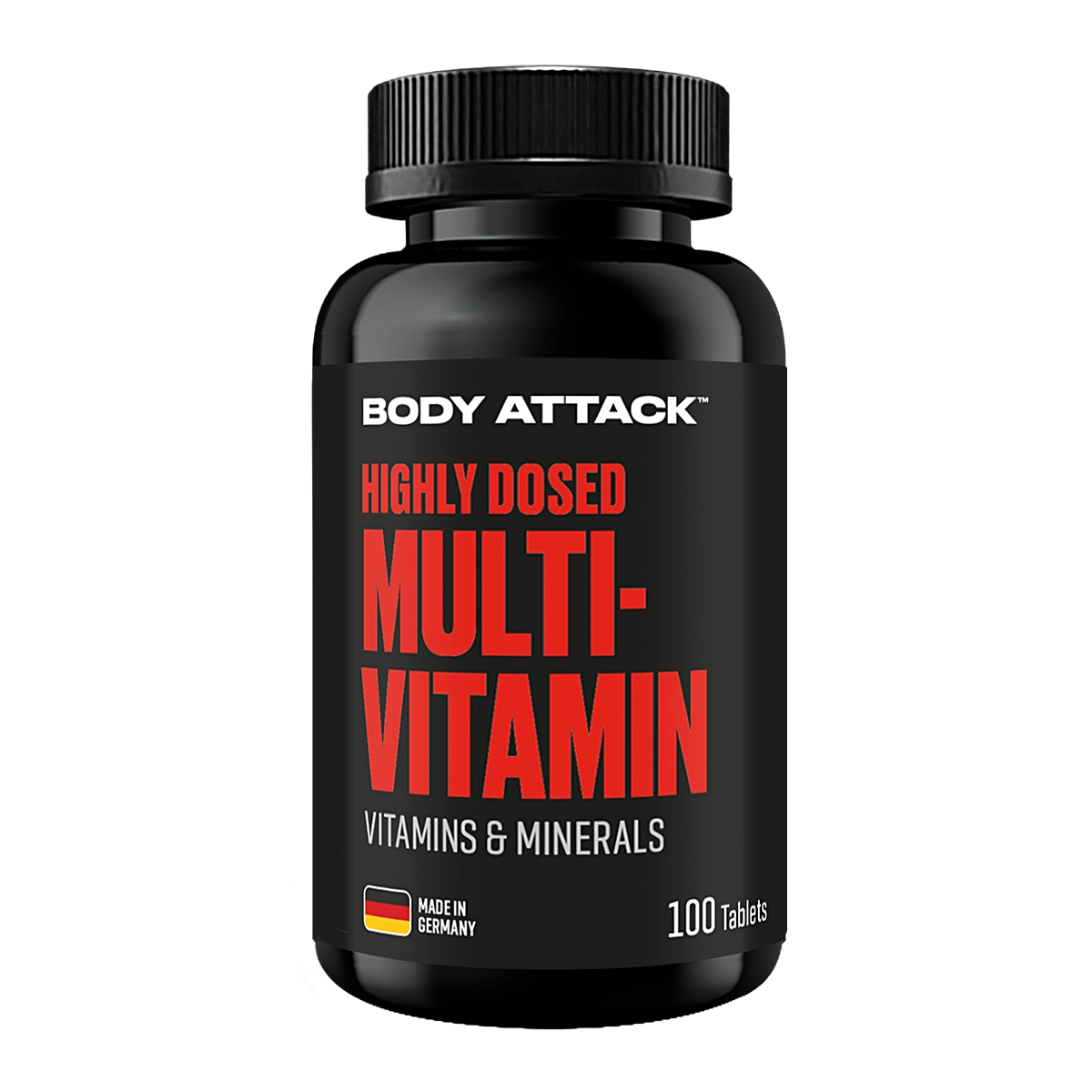
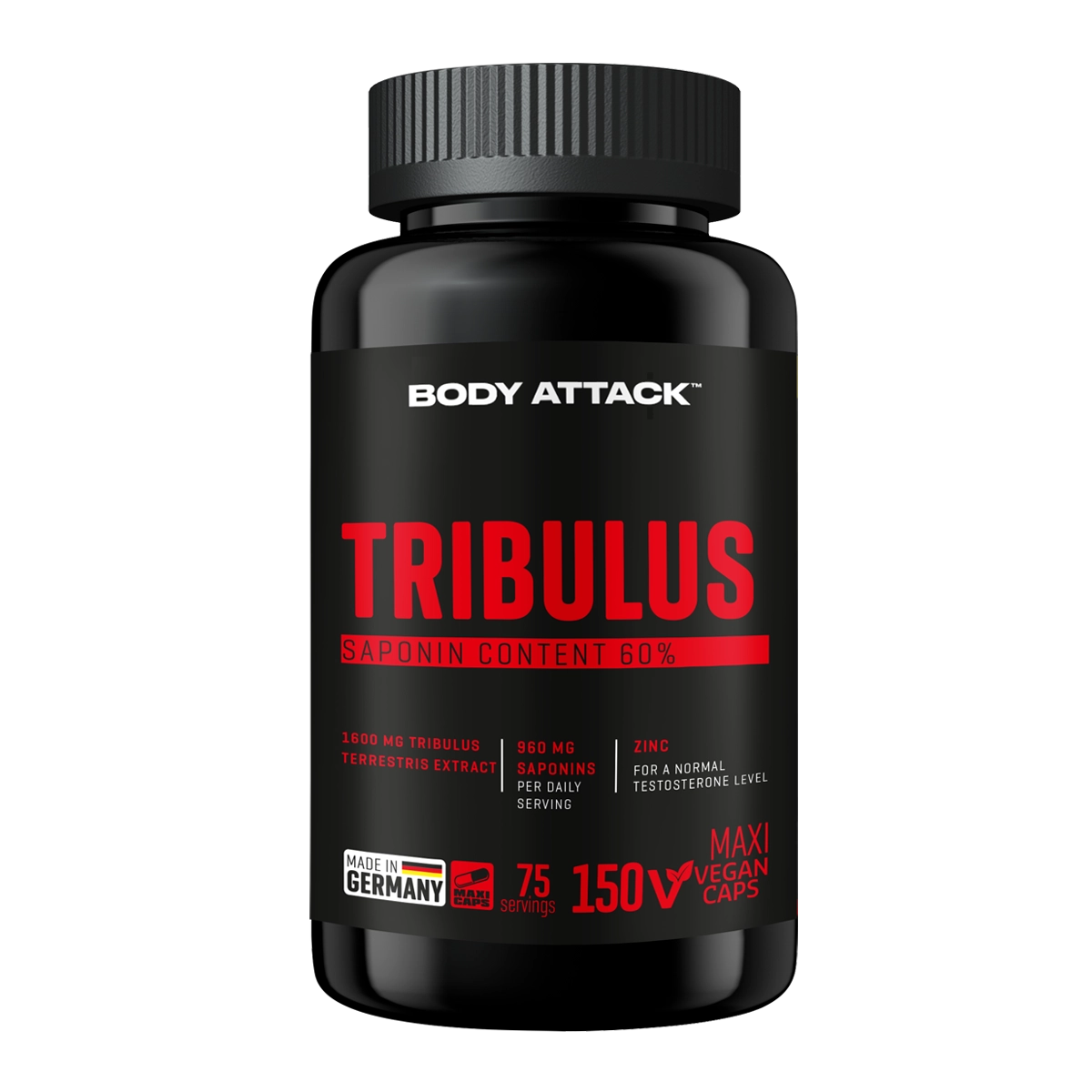
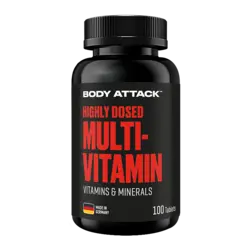
As an athlete, you know how important vitamins and minerals are in your diet and that the demand for them increases with high physical exertion. With us, you get vital nutrients and superfoods to optimally support your nutrition. Vitamins are required in the body for all metabolic processes. Whether for the immune system, the defense against free radicals, the conversion and breakdown of nutrients, or strong connective tissue – they act as catalysts and are essential for the human body.
However, a regular intake of essential vitamins, minerals, and secondary plant substances through diet is not always achievable. Often, too little is consumed through food. Fruits and vegetables are frequently harvested unripe. Due to long transport routes, improper storage, or unfavorable preparation, many valuable ingredients are lost. A deficiency can be prevented or balanced with vitamin products from Body Attack. We offer a range of different supplements.
However, a regular intake of essential vitamins, minerals, and secondary plant substances through diet is not always achievable. Often, too little is consumed through food. Fruits and vegetables are frequently harvested unripe. Due to long transport routes, improper storage, or unfavorable preparation, many valuable ingredients are lost. A deficiency can be prevented or balanced with vitamin products from Body Attack. We offer a range of different supplements.
Vitamins belong to the so-called micronutrients. In contrast to macronutrients (carbohydrates, protein, and fats), vitamins do not provide energy. They cannot be produced by the body in sufficient quantities and must therefore be regularly supplied through the diet.
A deficiency is referred to in technical jargon as hypovitaminosis and can have dangerous consequences for the body. A well-known related disease is scurvy, which can occur with chronic vitamin C deficiency. Common symptoms include bleeding gums, fatigue, muscle wasting, and joint inflammation. Vitamins are divided into water-soluble and fat-soluble categories. The most well-known are the water-soluble vitamins B and C as well as the fat-soluble vitamins A, D, E, and K.
A deficiency is referred to in technical jargon as hypovitaminosis and can have dangerous consequences for the body. A well-known related disease is scurvy, which can occur with chronic vitamin C deficiency. Common symptoms include bleeding gums, fatigue, muscle wasting, and joint inflammation. Vitamins are divided into water-soluble and fat-soluble categories. The most well-known are the water-soluble vitamins B and C as well as the fat-soluble vitamins A, D, E, and K.
They perform essential functions in metabolism. They can be compared to catalysts that accelerate metabolic processes. They regulate the utilization of carbohydrates and proteins, act as coenzymes, strengthen the immune system, and are involved in the formation of cell structures, blood cells, bones, and teeth. Each of them has its own specific tasks in metabolism.
Functions of fat-soluble vitamins
Fat-soluble vitamins include vitamins A, D, E, and K.
Vitamin A is also known as retinol. In the diet, it is present as provitamin A. It is an important component of visual pigments and therefore contributes to vision. It is also important for iron metabolism, cell specialization, and the immune system.
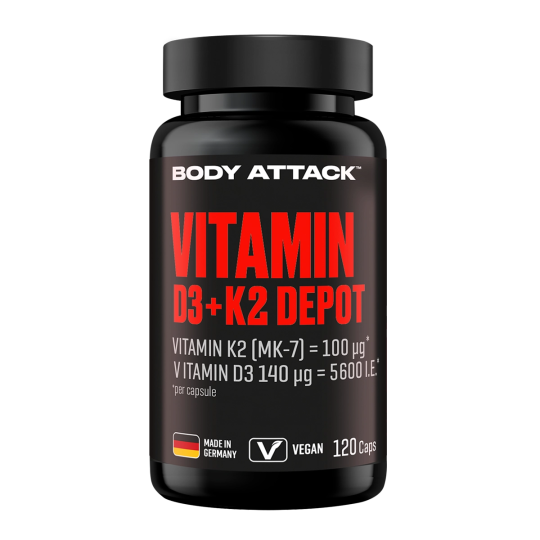
Vitamin D, also known as calciferol, regulates calcium balance in the body. Unlike other vitamins, it can be produced through sunlight exposure. It is involved in cell division, muscle function, maintaining calcium levels, and the maintenance of healthy teeth.
Vitamin E, also called tocopherol, is known as an antioxidant. It helps protect body cells from oxidative stress caused by free radicals.
Vitamin K, known in the industry as phylloquinone, is found in almost all green vegetables such as spinach or cabbage. It contributes to the maintenance of normal bones and normal blood clotting.
Functions of water-soluble vitamins All eight B vitamins as well as vitamin C are water-soluble.
Vitamin B1, also known as thiamine, acts as a coenzyme. It contributes to normal energy metabolism, the nervous system, and heart function.
Vitamin B2, also called riboflavin, also functions as a coenzyme derivative. It is involved in iron metabolism, the maintenance of red blood cells, and energy metabolism. Furthermore, it acts as an antioxidant and protects cells from oxidative damage.
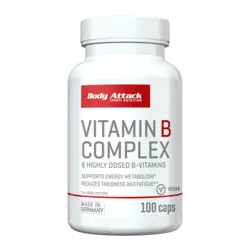
Vitamin B6 (pyridoxine) plays an important role as a coenzyme in amino acid metabolism. Protein and glycogen metabolism are regulated by it. In addition, vitamin B6 helps reduce fatigue and regulates hormonal activity.
Vitamin B12, also known as cobalamin, is found exclusively in animal products. It contributes to energy metabolism and therefore influences carbohydrate and protein metabolism. Unlike other B vitamins, it can be stored in the body with an appropriate diet.
Niacin, pantothenic acid, biotin, and folic acid also belong to the B vitamins. All four are involved in energy metabolism and are of central importance for metabolic rate.
Vitamin C, also known as ascorbic acid, is important for collagen synthesis. It also protects the body from free radicals. In addition, it is involved in hormone synthesis and metabolic processes. Citrus fruits are particularly rich in vitamin C.
Functions of fat-soluble vitamins
Fat-soluble vitamins include vitamins A, D, E, and K.
Vitamin A is also known as retinol. In the diet, it is present as provitamin A. It is an important component of visual pigments and therefore contributes to vision. It is also important for iron metabolism, cell specialization, and the immune system.
Vitamin D, also known as calciferol, regulates calcium balance in the body. Unlike other vitamins, it can be produced through sunlight exposure. It is involved in cell division, muscle function, maintaining calcium levels, and the maintenance of healthy teeth.
The human body can synthesize vitamin D itself when exposed to UV light. Therefore, vitamin D deficiency can quickly develop in winter and autumn or in people who generally spend a lot of time indoors and should be compensated for through diet.
Vitamin E, also called tocopherol, is known as an antioxidant. It helps protect body cells from oxidative stress caused by free radicals.
Vitamin K, known in the industry as phylloquinone, is found in almost all green vegetables such as spinach or cabbage. It contributes to the maintenance of normal bones and normal blood clotting.
Functions of water-soluble vitamins All eight B vitamins as well as vitamin C are water-soluble.
Vitamin B1, also known as thiamine, acts as a coenzyme. It contributes to normal energy metabolism, the nervous system, and heart function.
Vitamin B2, also called riboflavin, also functions as a coenzyme derivative. It is involved in iron metabolism, the maintenance of red blood cells, and energy metabolism. Furthermore, it acts as an antioxidant and protects cells from oxidative damage.
Vitamin B6 (pyridoxine) plays an important role as a coenzyme in amino acid metabolism. Protein and glycogen metabolism are regulated by it. In addition, vitamin B6 helps reduce fatigue and regulates hormonal activity.
Vitamin B12, also known as cobalamin, is found exclusively in animal products. It contributes to energy metabolism and therefore influences carbohydrate and protein metabolism. Unlike other B vitamins, it can be stored in the body with an appropriate diet.
Niacin, pantothenic acid, biotin, and folic acid also belong to the B vitamins. All four are involved in energy metabolism and are of central importance for metabolic rate.
Vitamin C, also known as ascorbic acid, is important for collagen synthesis. It also protects the body from free radicals. In addition, it is involved in hormone synthesis and metabolic processes. Citrus fruits are particularly rich in vitamin C.
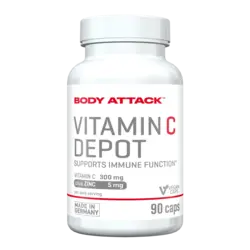
Body Attack vitamin products, such as the Vitamin C Depot, ensure a supply throughout the entire day.
- are involved in the formation of body tissue
- strengthen and protect the immune system
- improve energy and nutrient metabolism
- support the formation of hormones and enzymes
- promote the body's detoxification function
- contribute to well-being
Vitamins are indispensable for all vital functions of the human body. They boost metabolism, strengthen the immune system, and are involved in the formation of bones, teeth, and cells.
Body Attack products support the body in staying healthy despite high muscular strain. Since vitamins usually cannot be produced by the body itself, they must be supplied through the diet.
Water-soluble vitamins in particular are quickly excreted through the kidneys, so regular intake as part of the diet is necessary. This especially applies to vitamin B and vitamin C, which are responsible, among other things, for promoting concentration and strengthening the immune system.
A healthy and balanced mixed diet usually provides people with the required amount of vitamins. Pregnant women, children and adolescents, as well as people who perform heavy physical work—and therefore also athletes such as strength and endurance athletes and bodybuilders—have an increased requirement.
Body Attack products support the body in staying healthy despite high muscular strain. Since vitamins usually cannot be produced by the body itself, they must be supplied through the diet.
The German Nutrition Society (DGE) recommends a daily vitamin C intake of 100 mg for adolescents and adults.
Water-soluble vitamins in particular are quickly excreted through the kidneys, so regular intake as part of the diet is necessary. This especially applies to vitamin B and vitamin C, which are responsible, among other things, for promoting concentration and strengthening the immune system.
A healthy and balanced mixed diet usually provides people with the required amount of vitamins. Pregnant women, children and adolescents, as well as people who perform heavy physical work—and therefore also athletes such as strength and endurance athletes and bodybuilders—have an increased requirement.
Joint nutrition – Active ingredients for your joints
In addition to muscles, bones and joints are also challenged during sports. Joints make human movement possible in the first place. In many sports they are strengthened but also heavily stressed. For this reason, athletes should be particularly mindful of their joints. Ingredients such as glucosamine and chondroitin are popular as so-called joint nutrition, as they are components of connective tissue and joint fluid. Furthermore, minerals such as calcium, magnesium, and zinc are considered important for the joints.