

















25 Articles
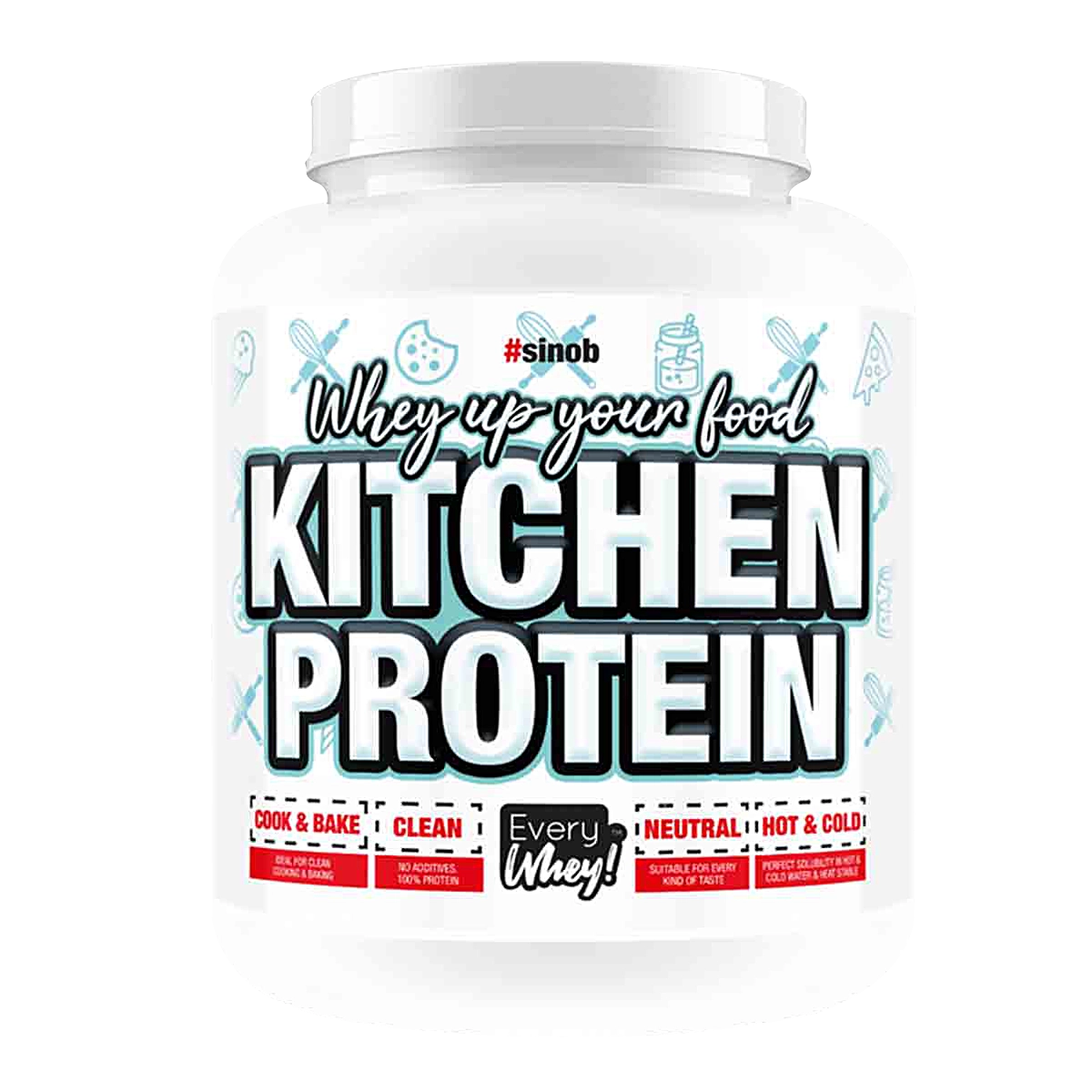
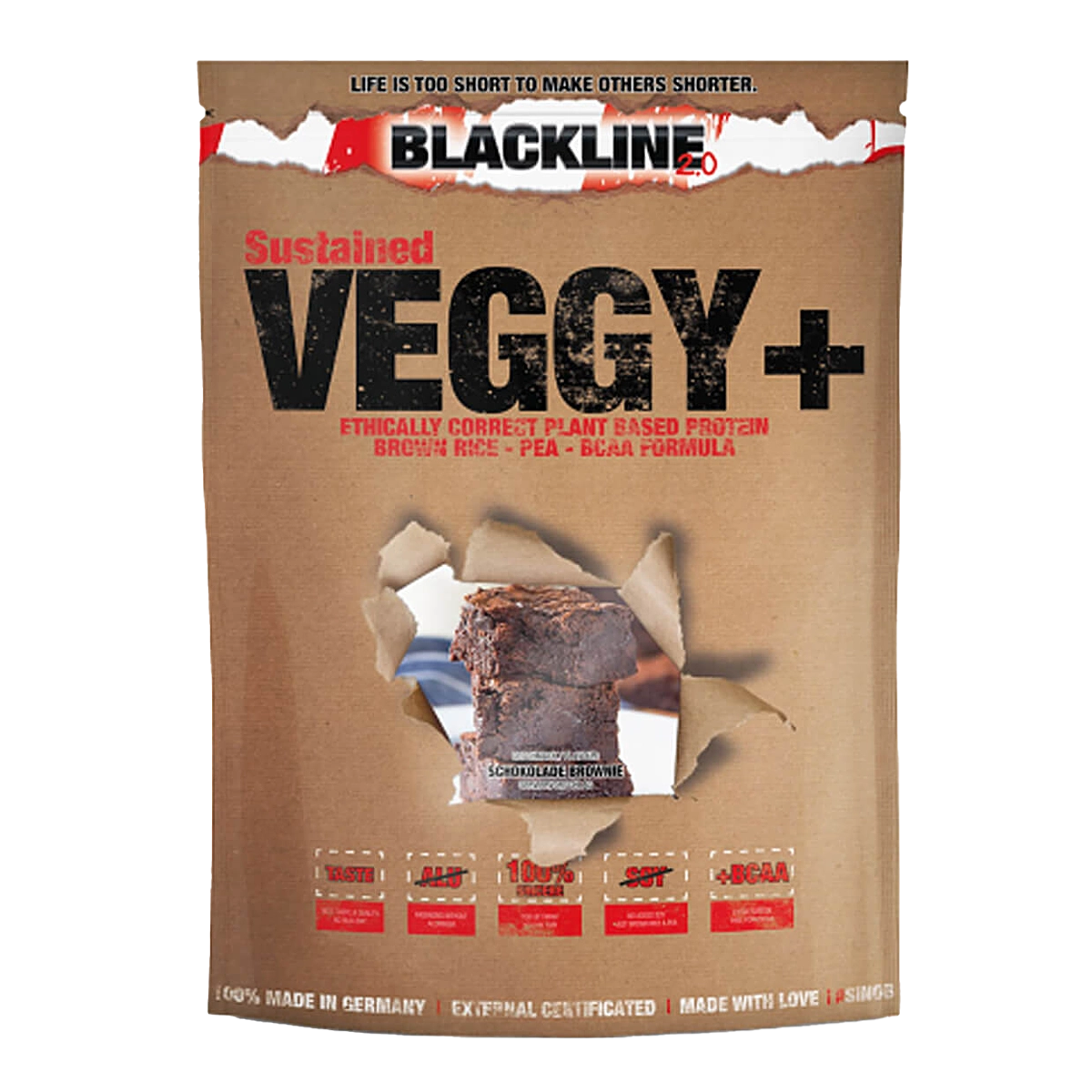
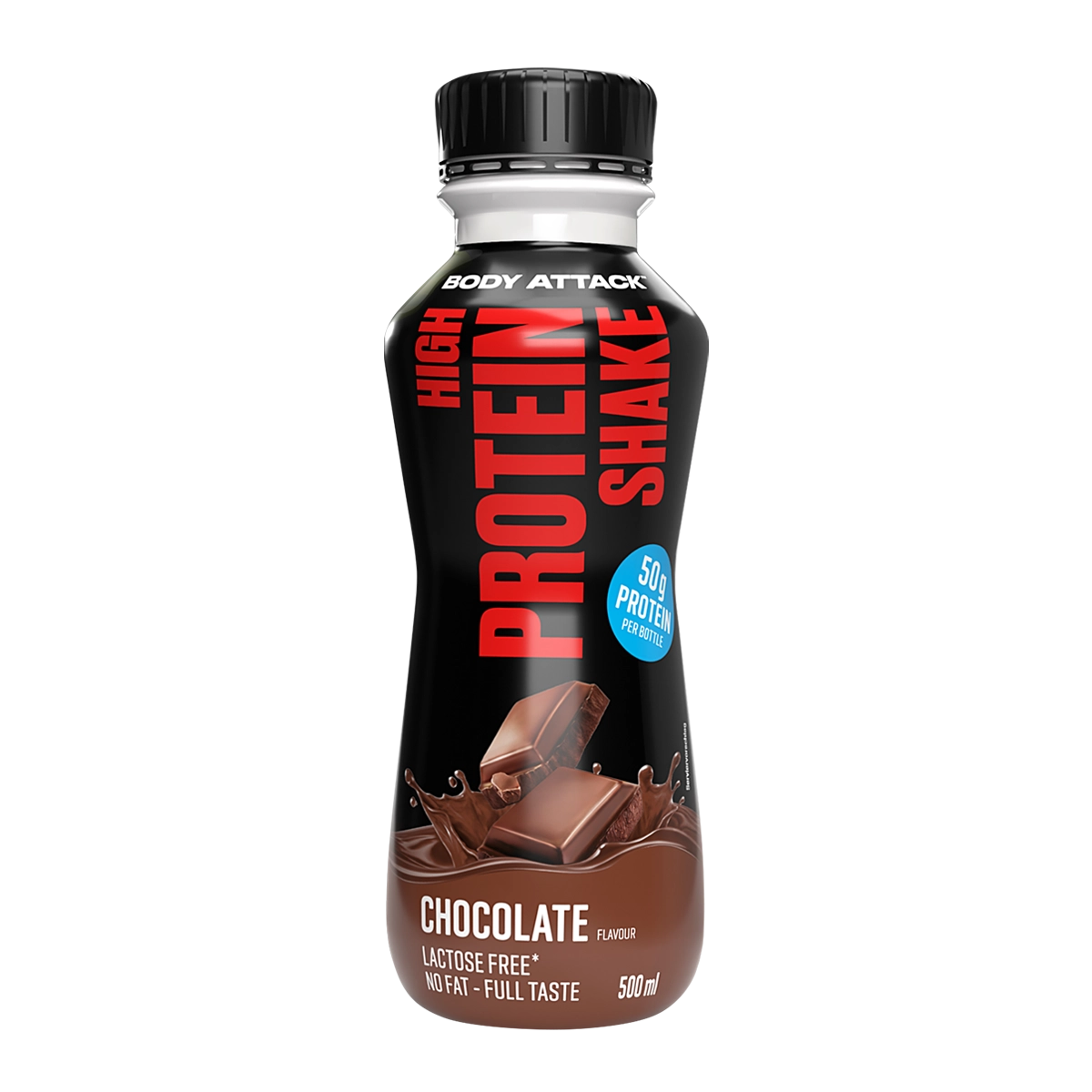
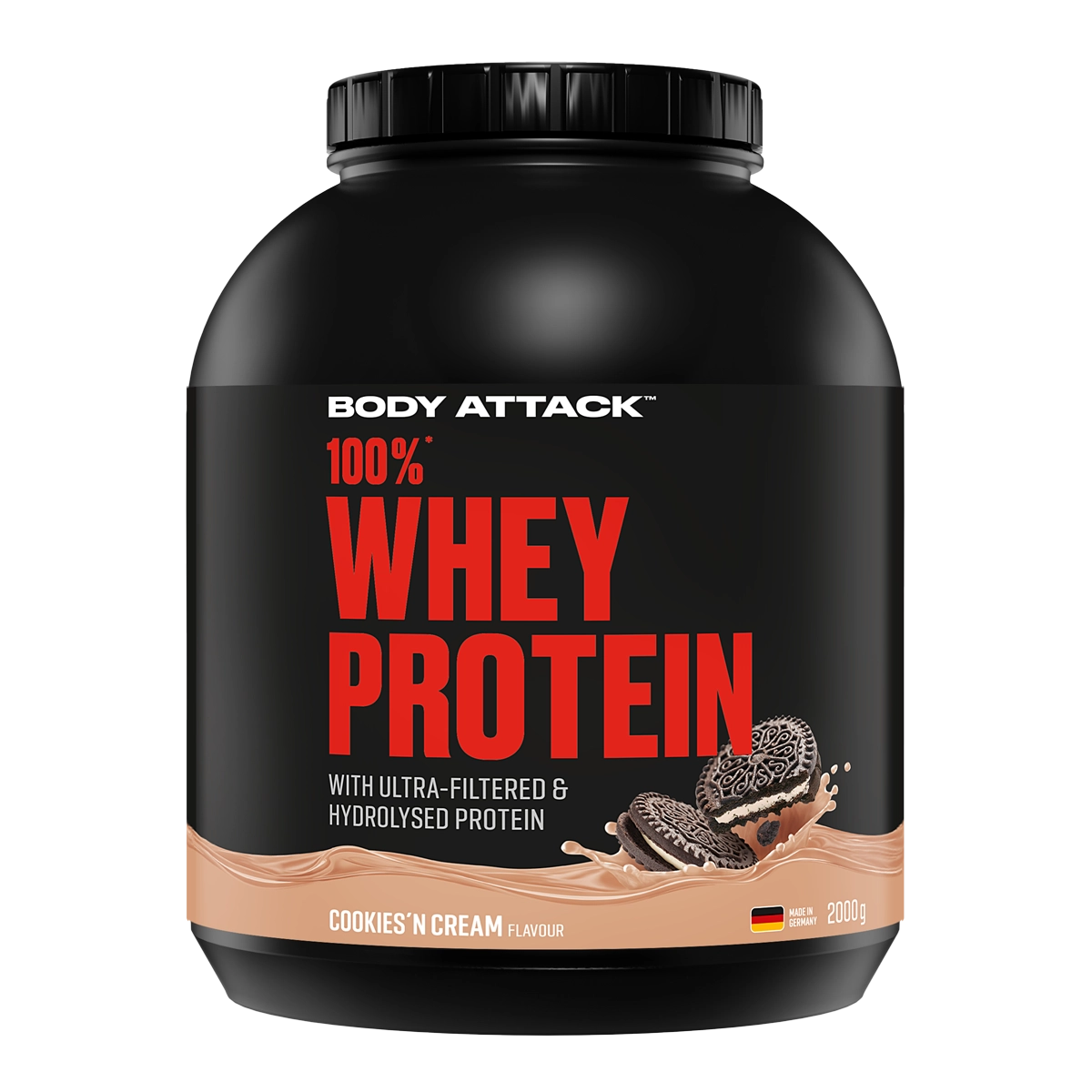
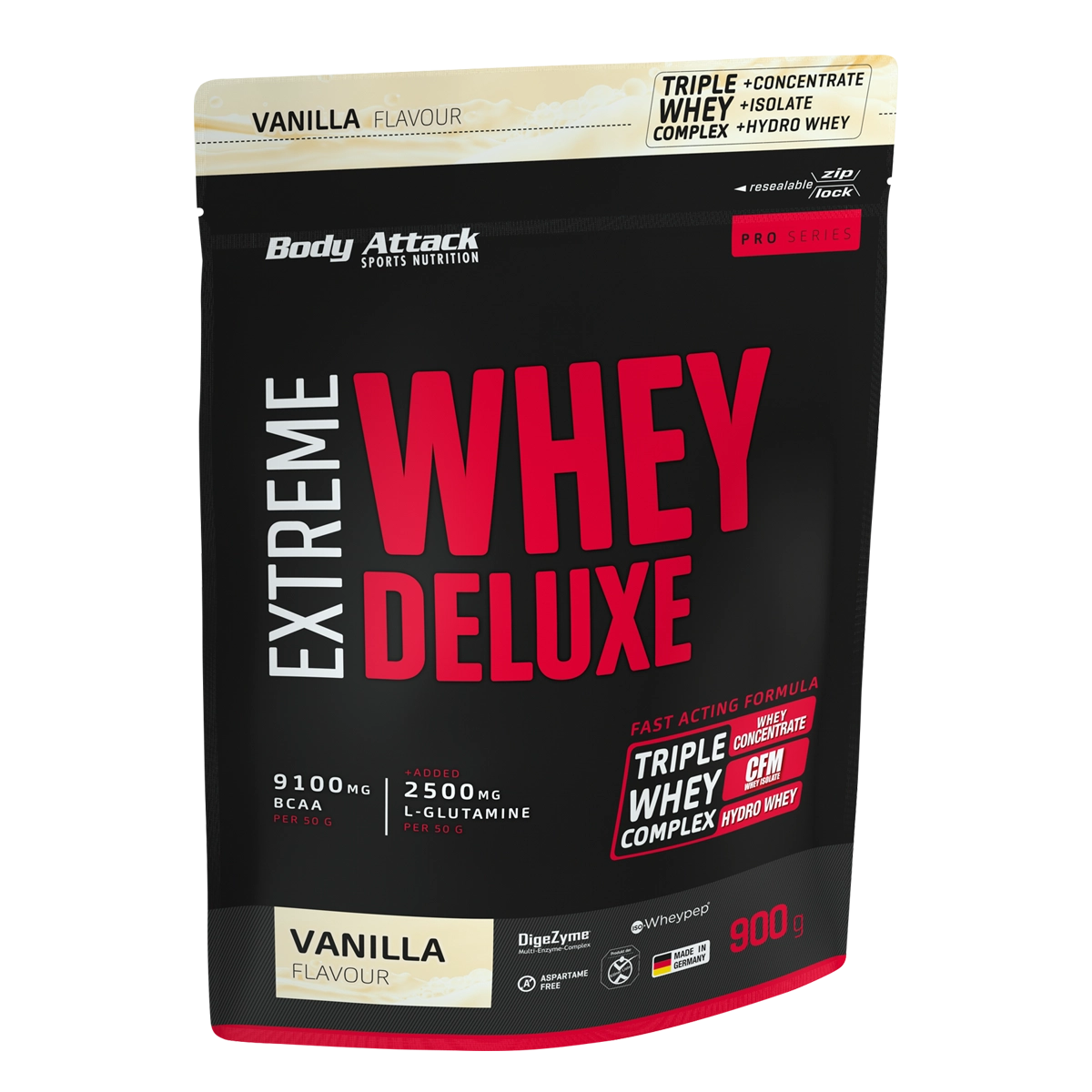


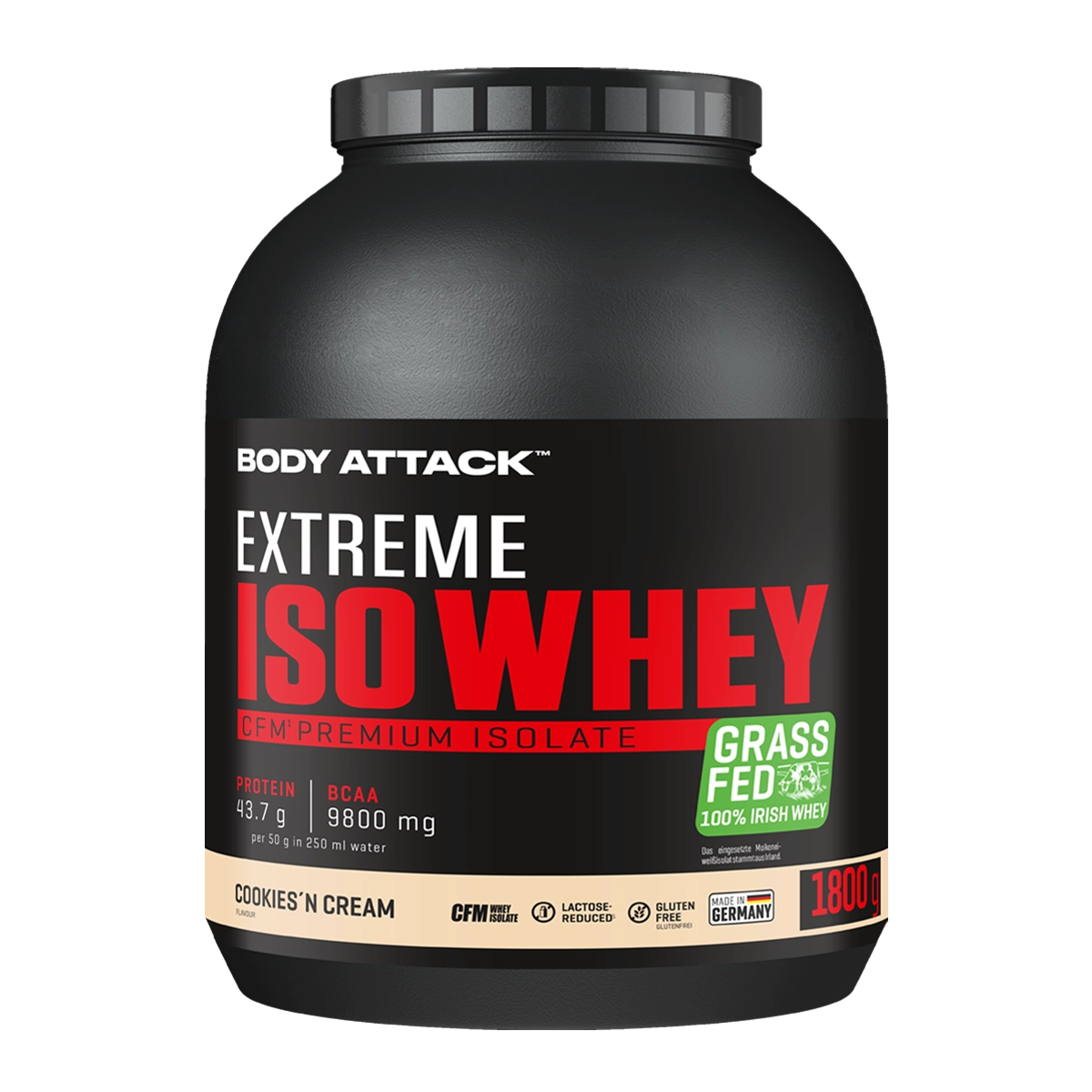
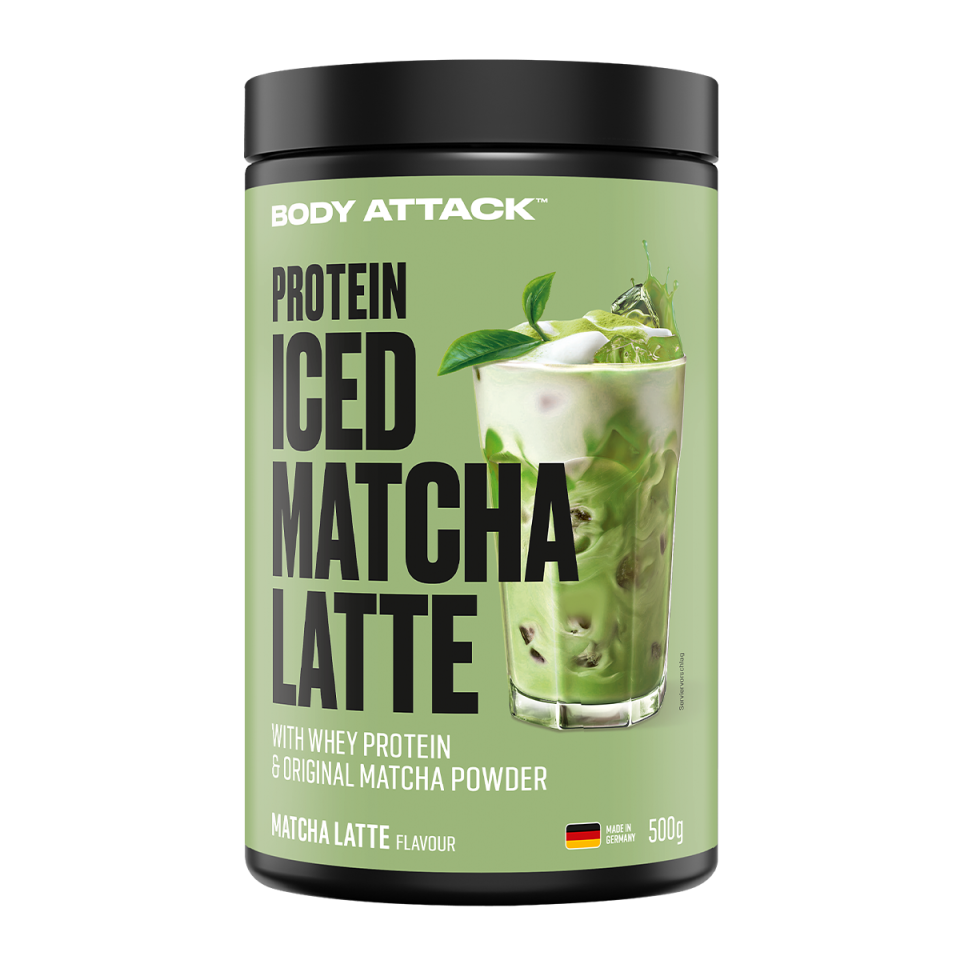
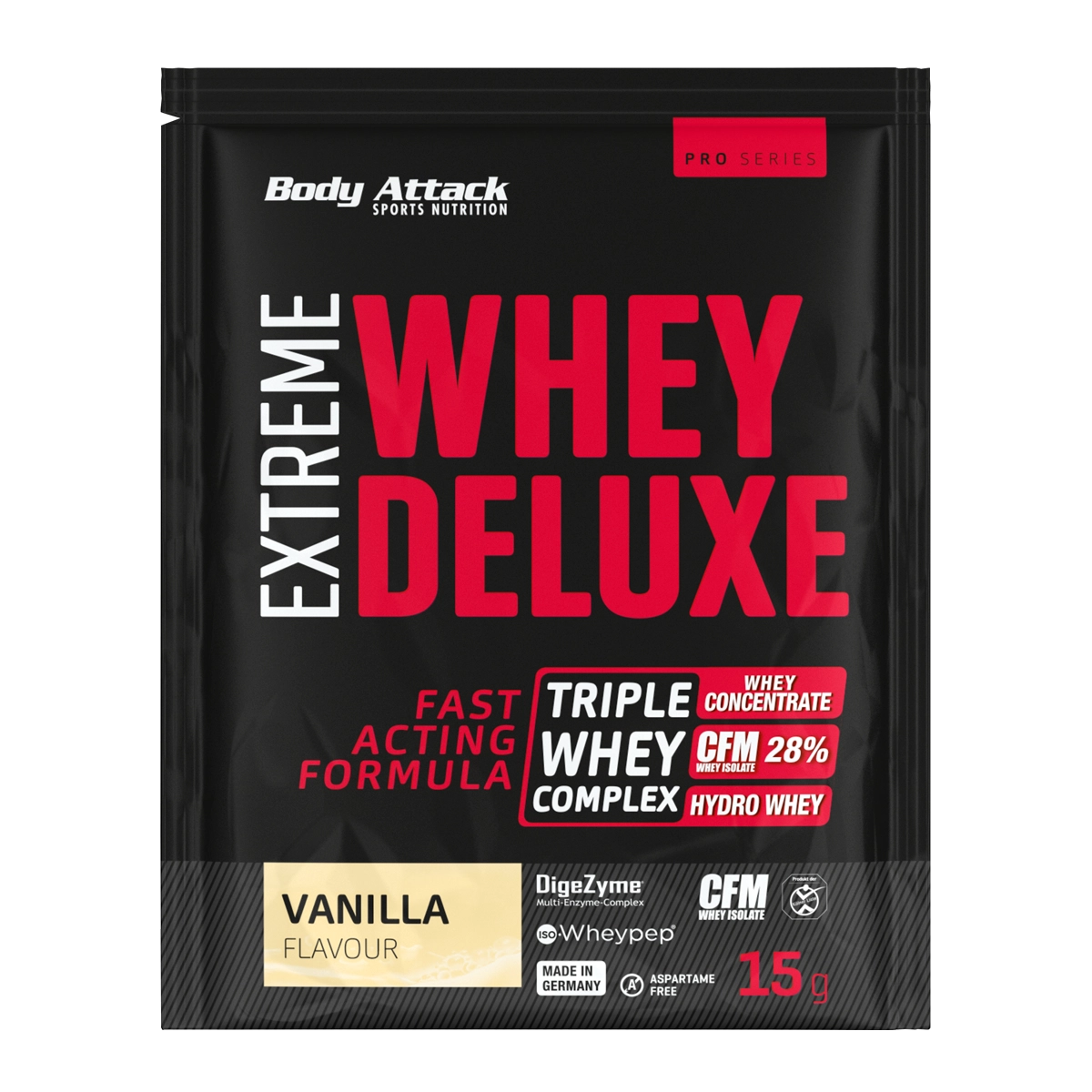
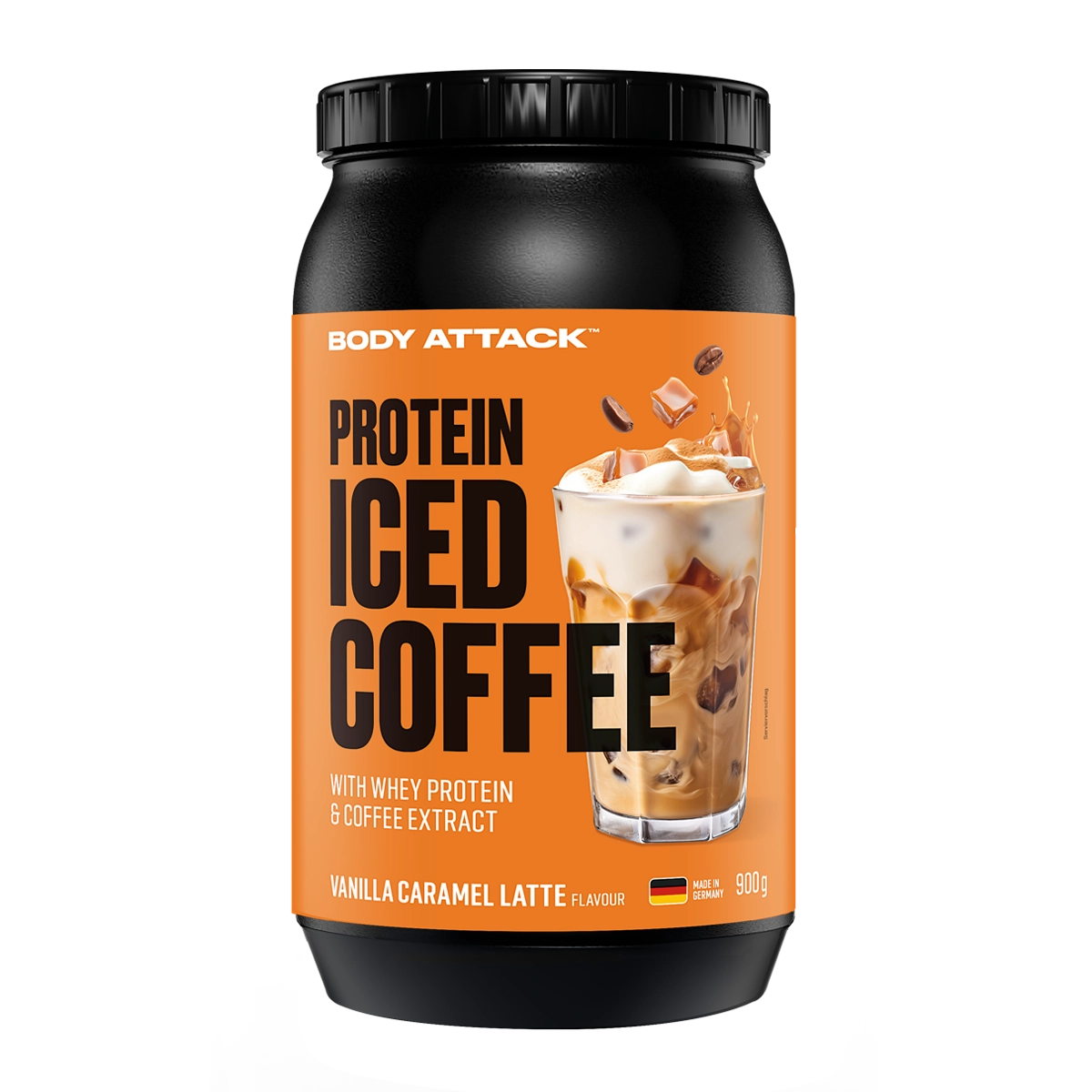
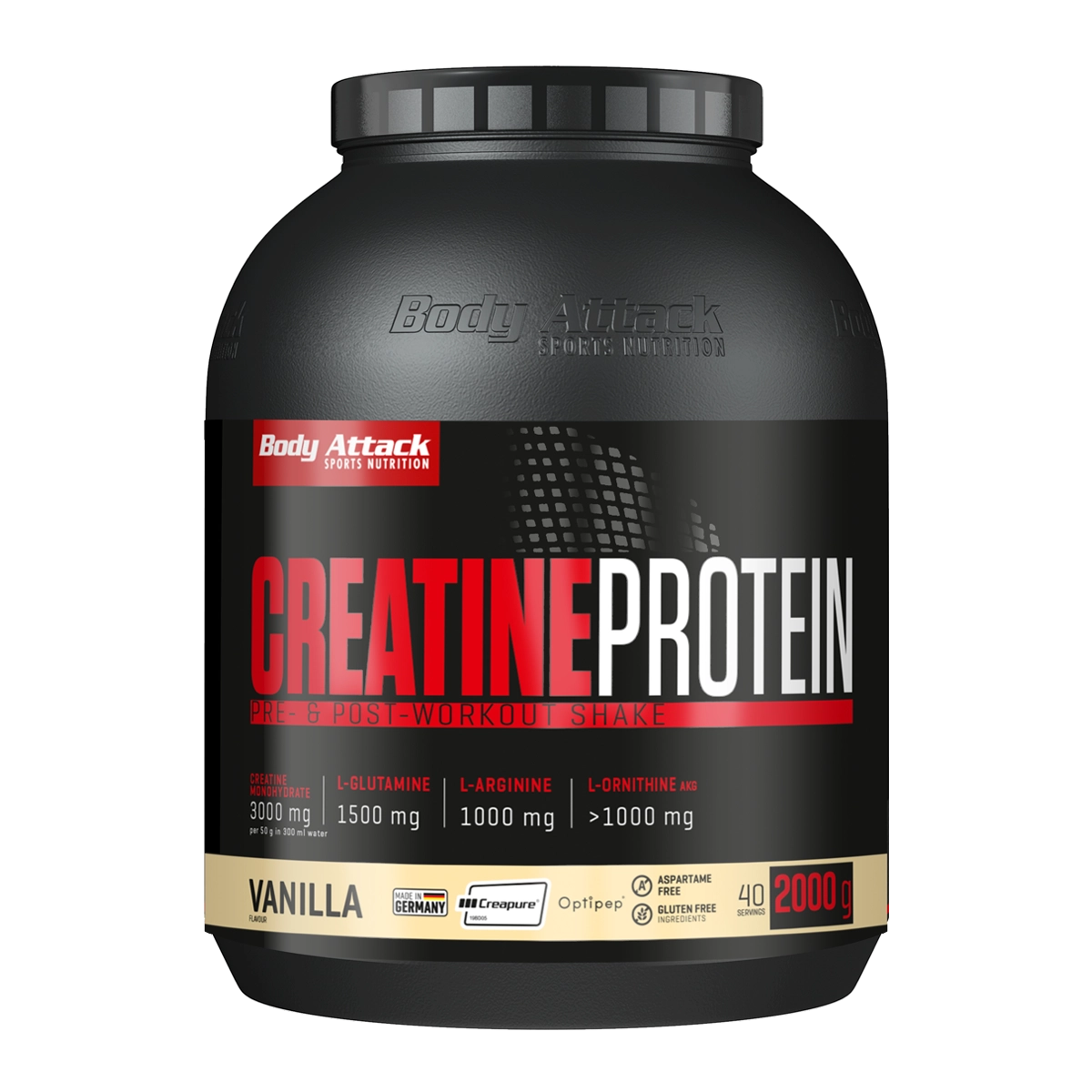
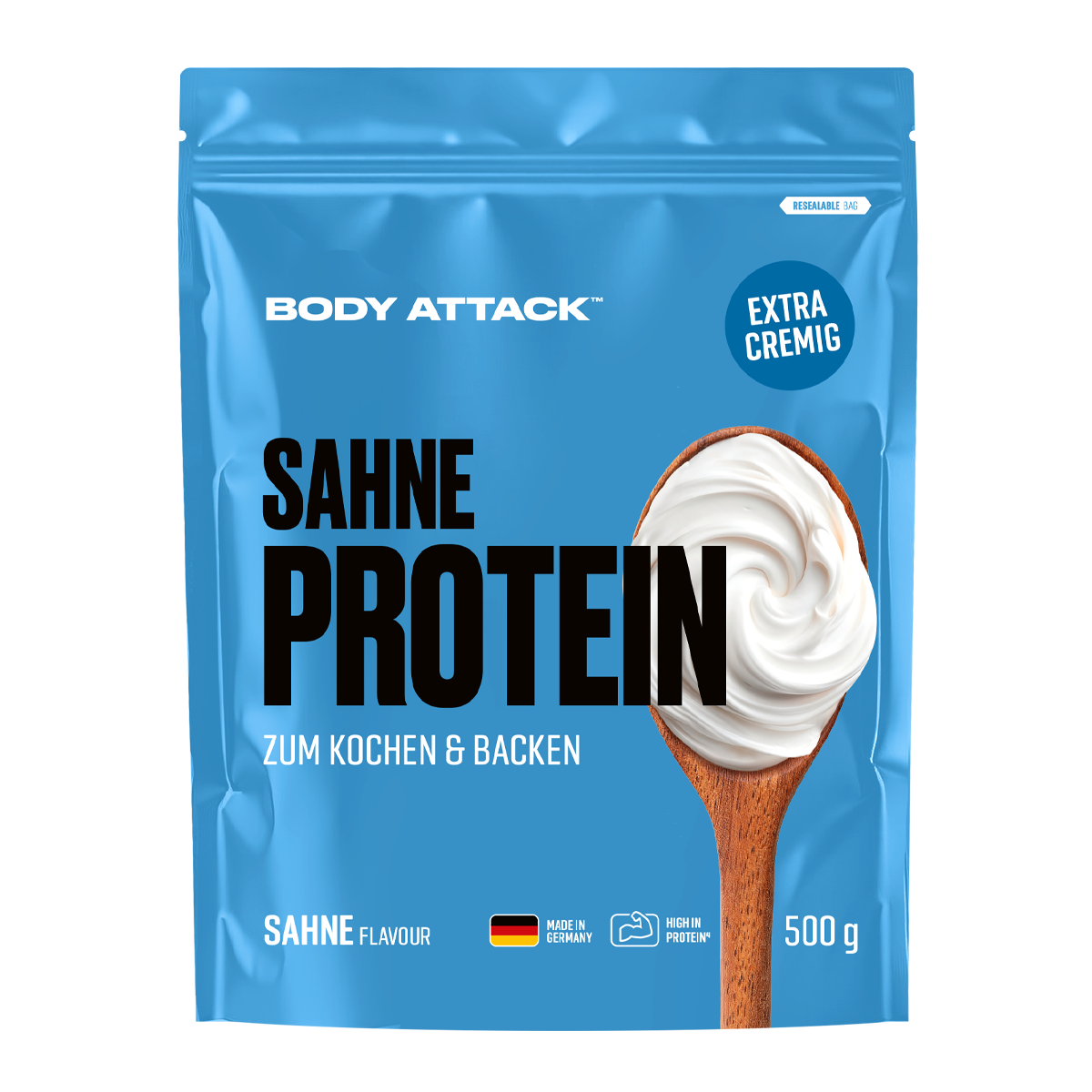
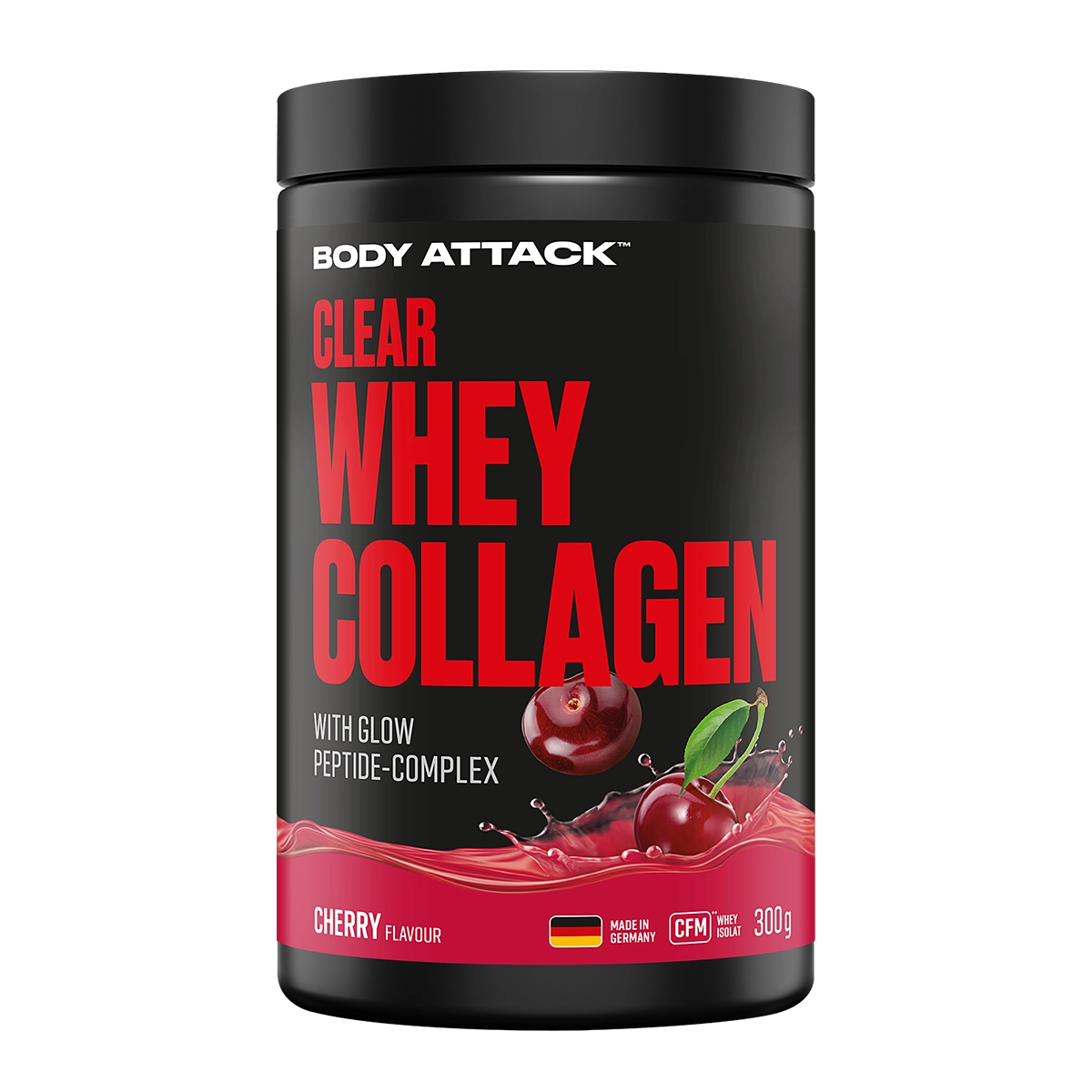
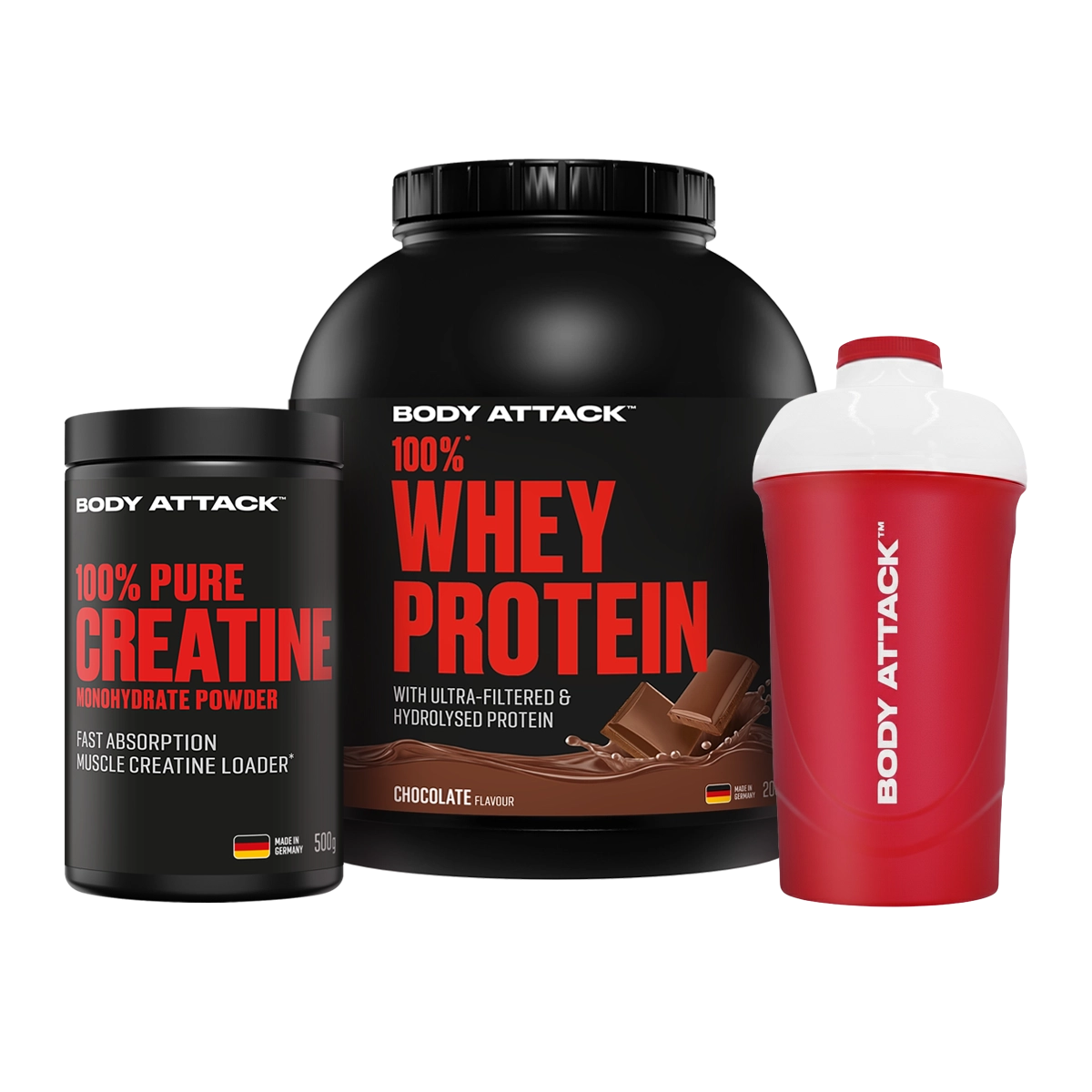
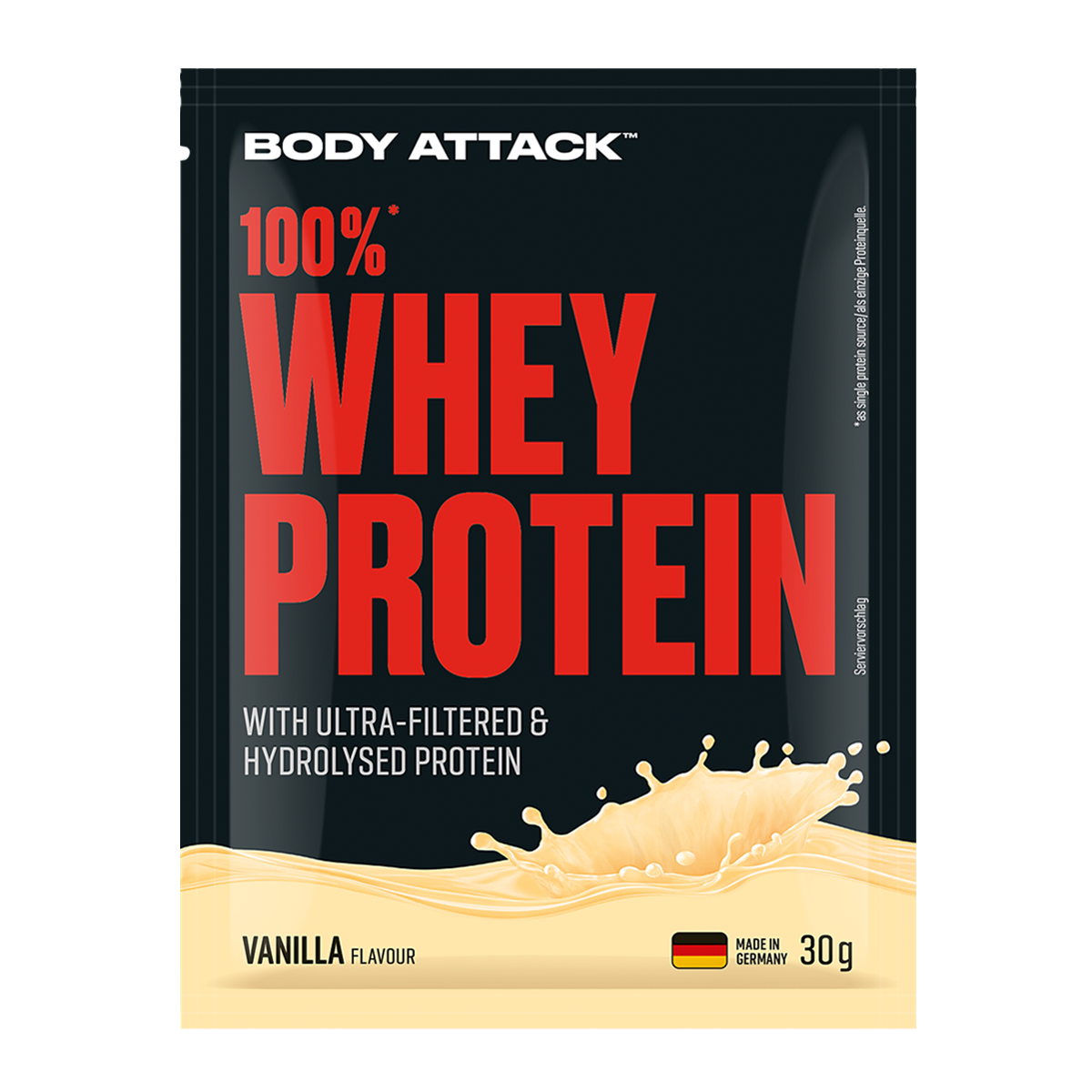
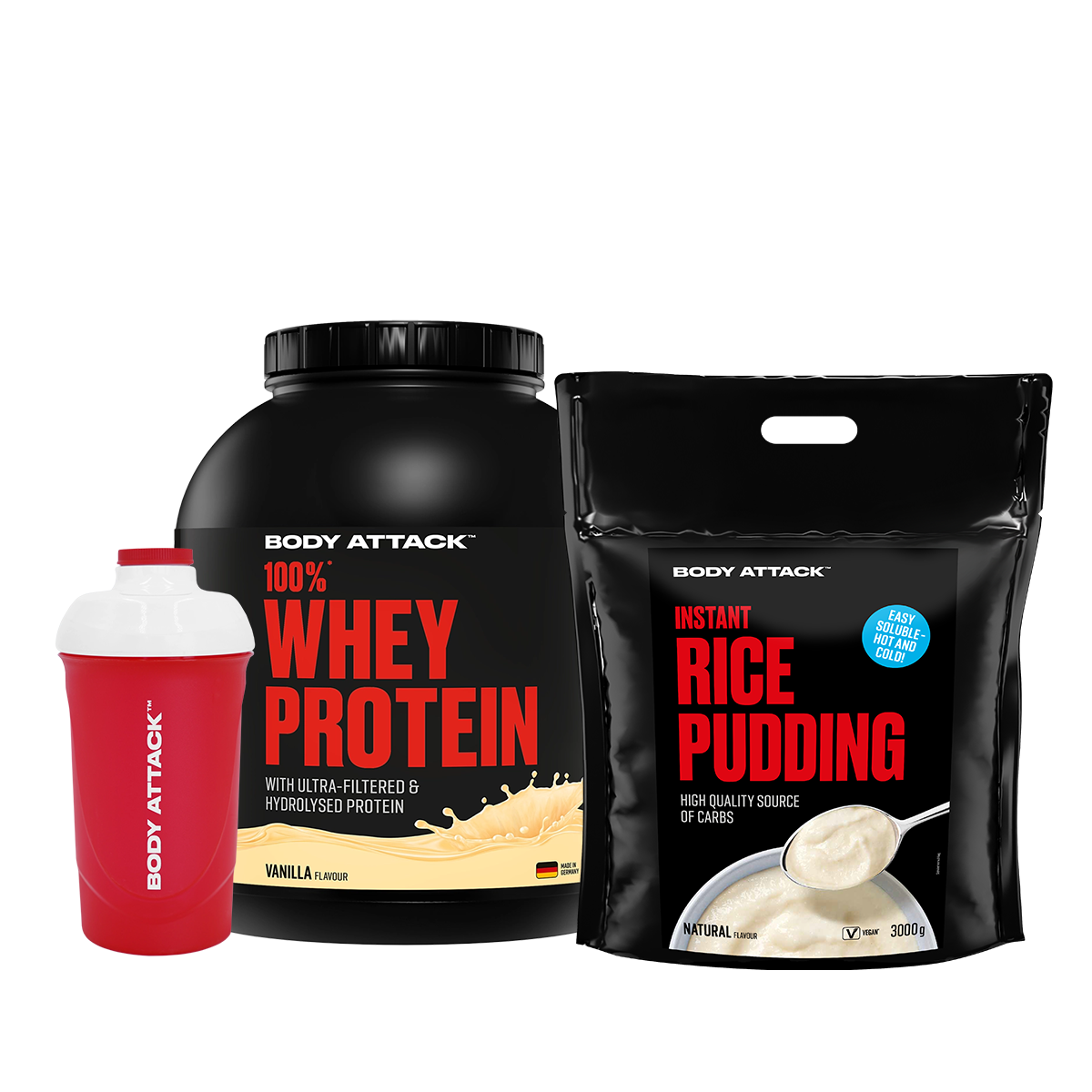
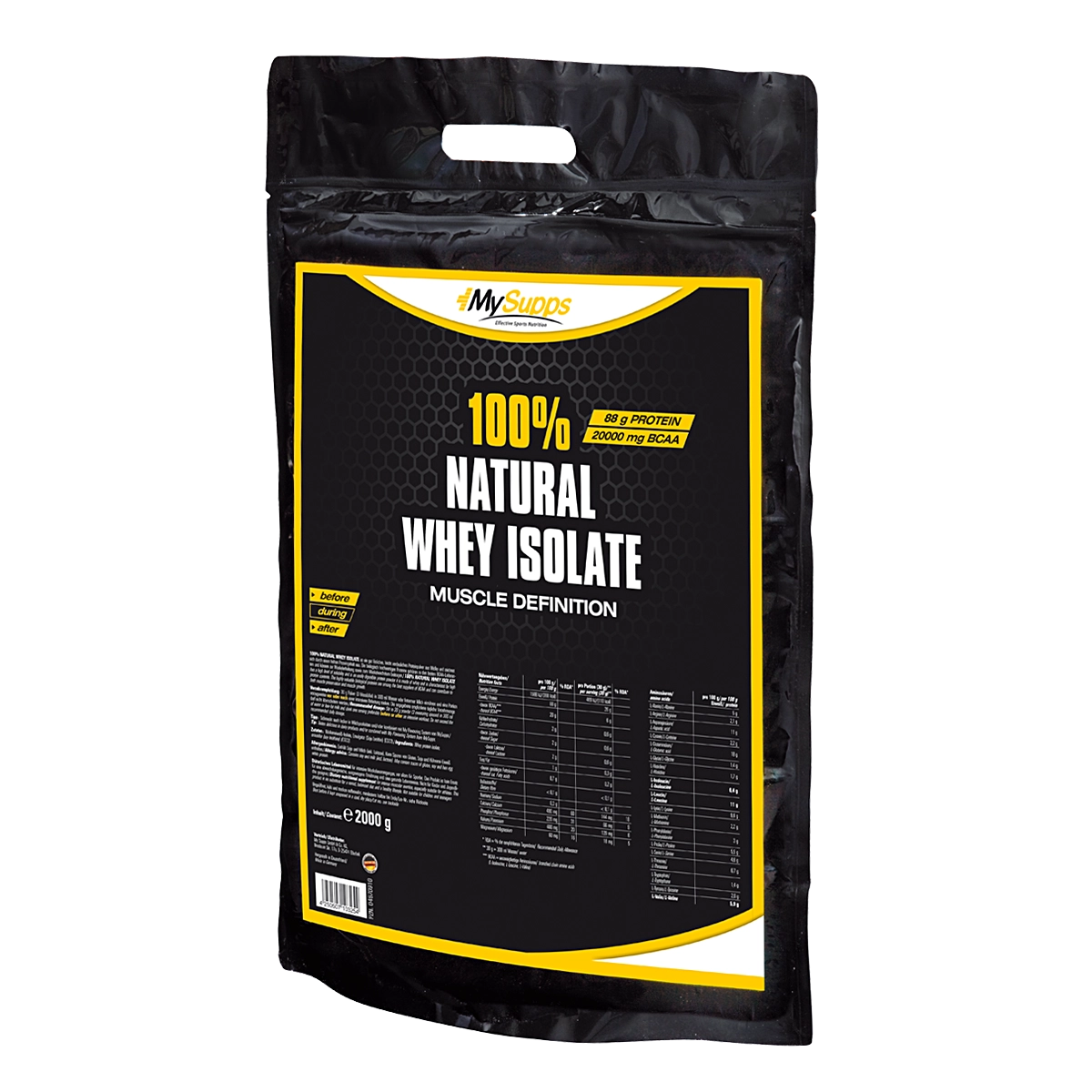
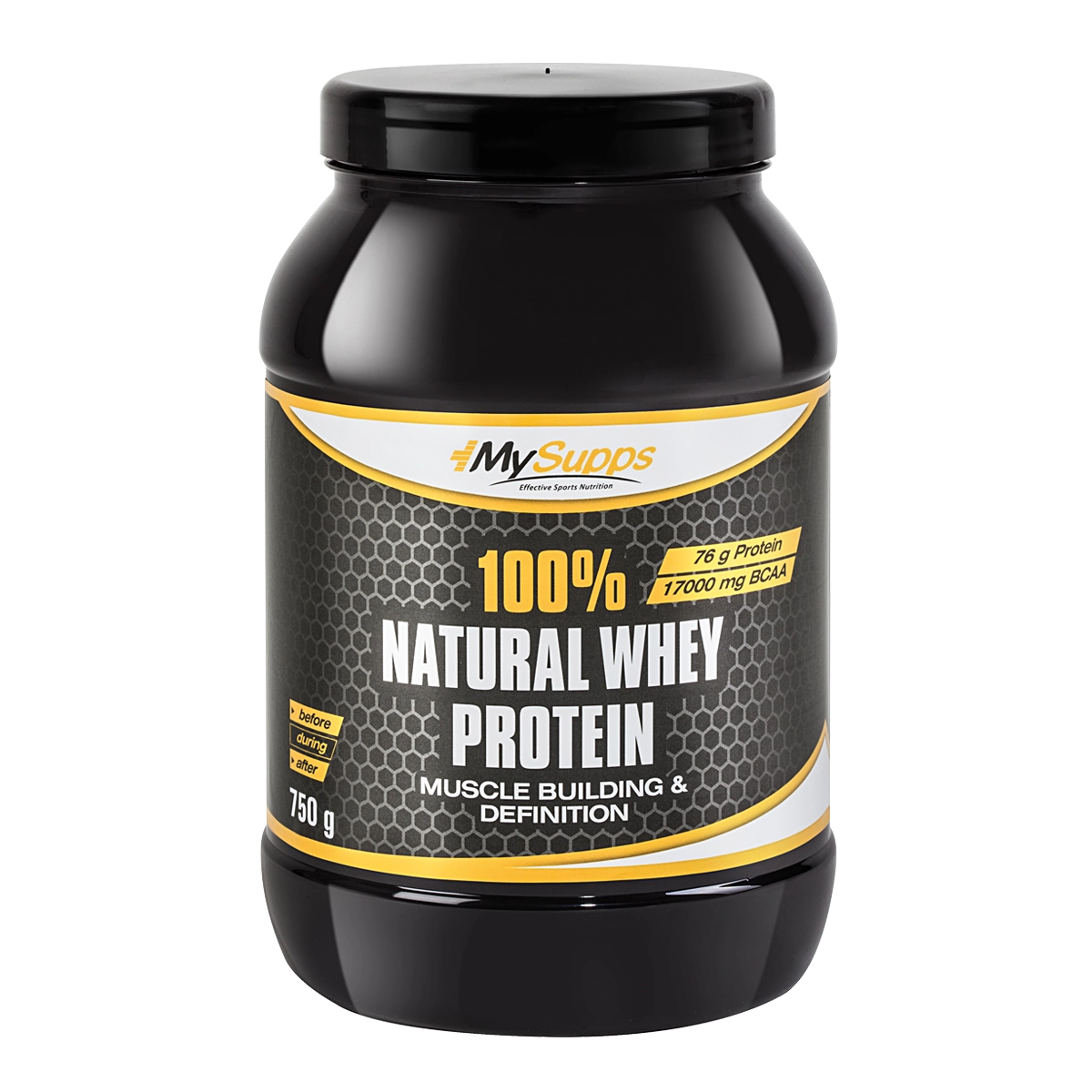
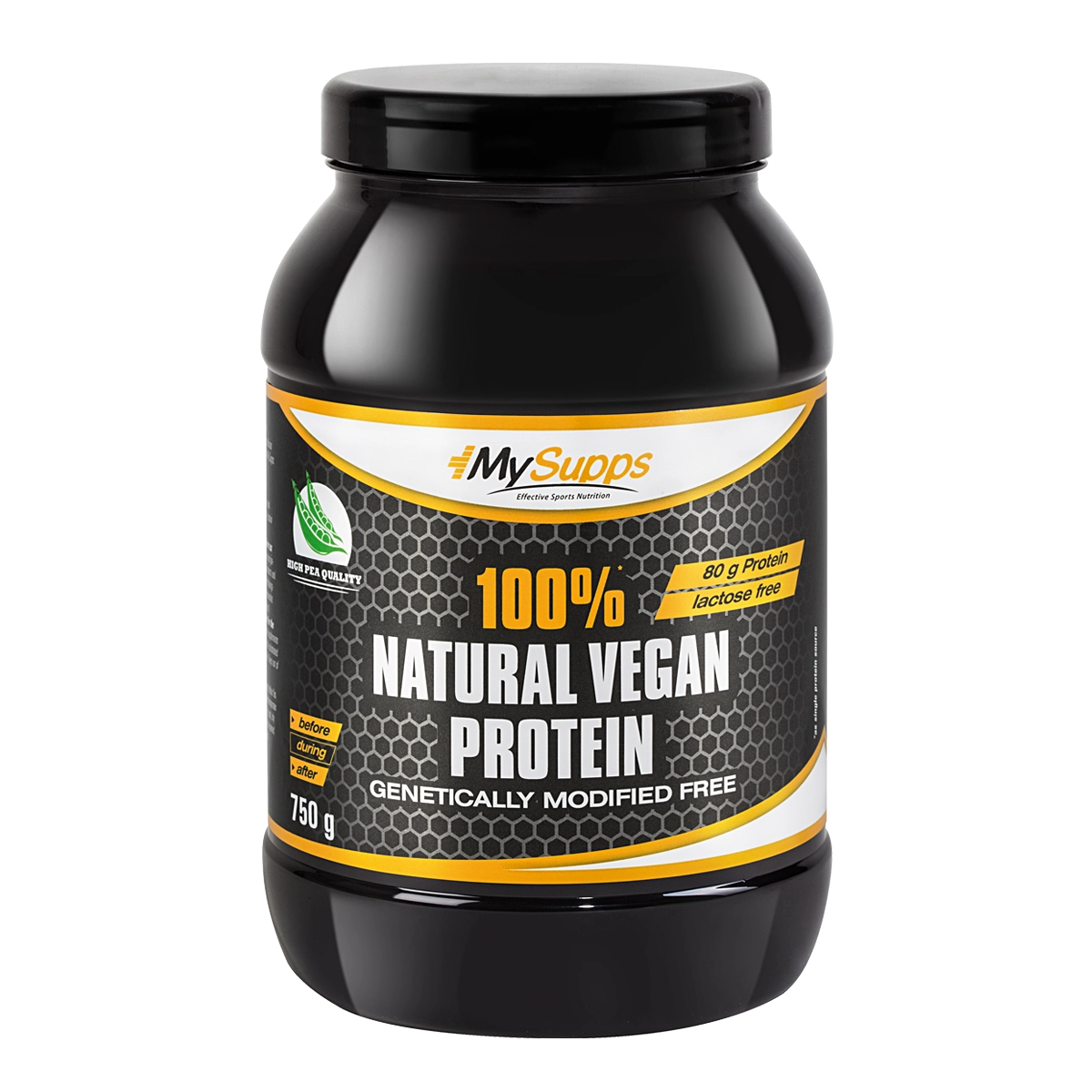
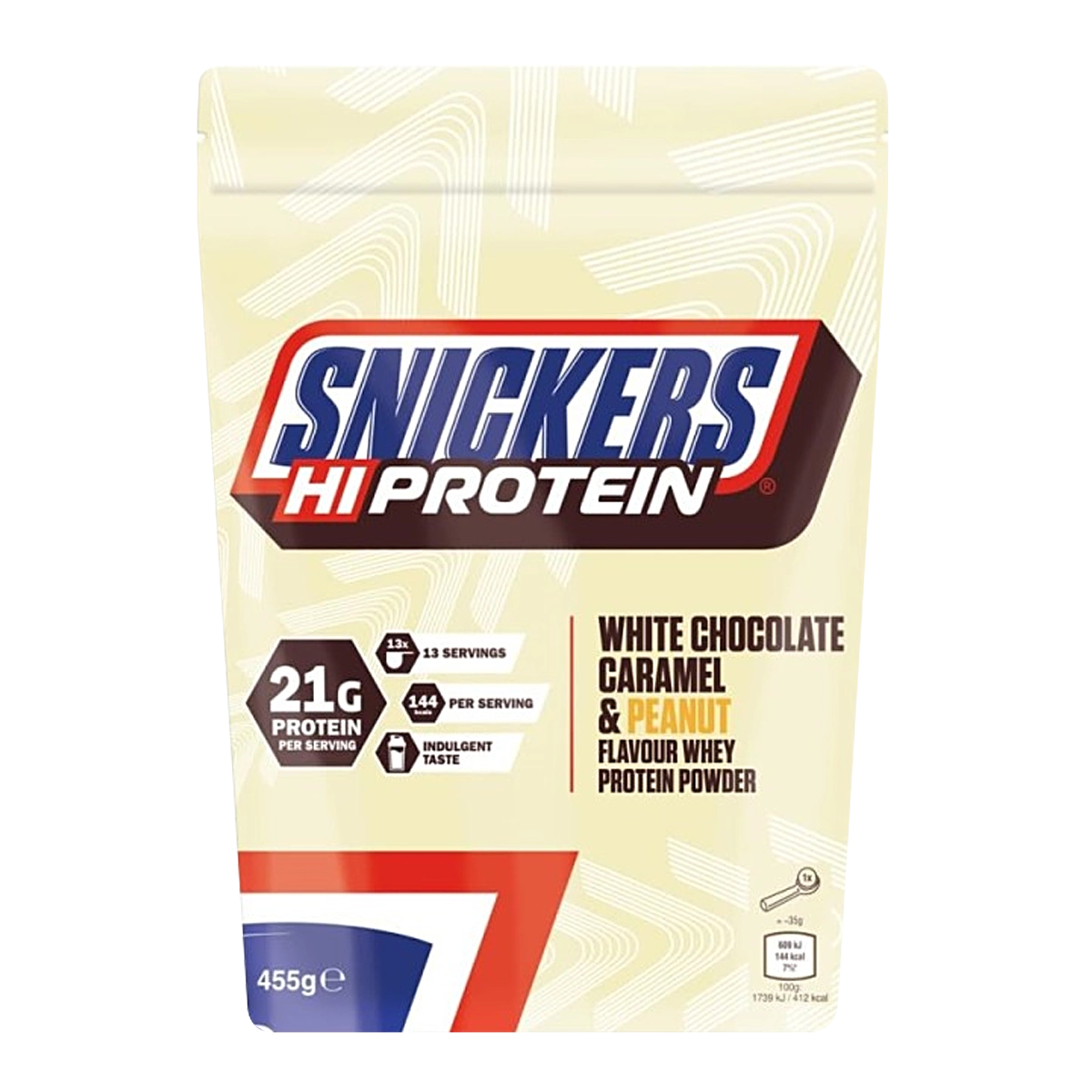
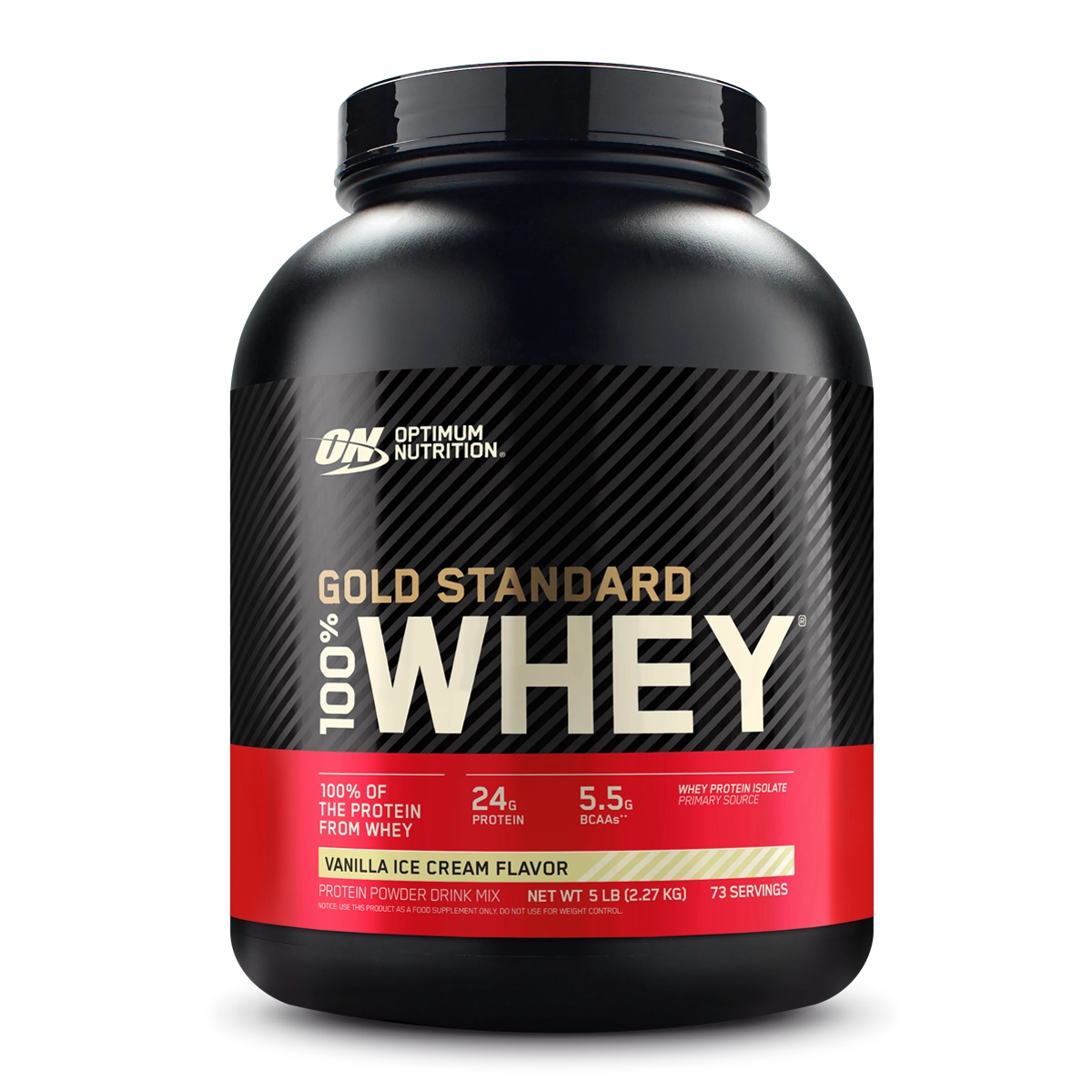
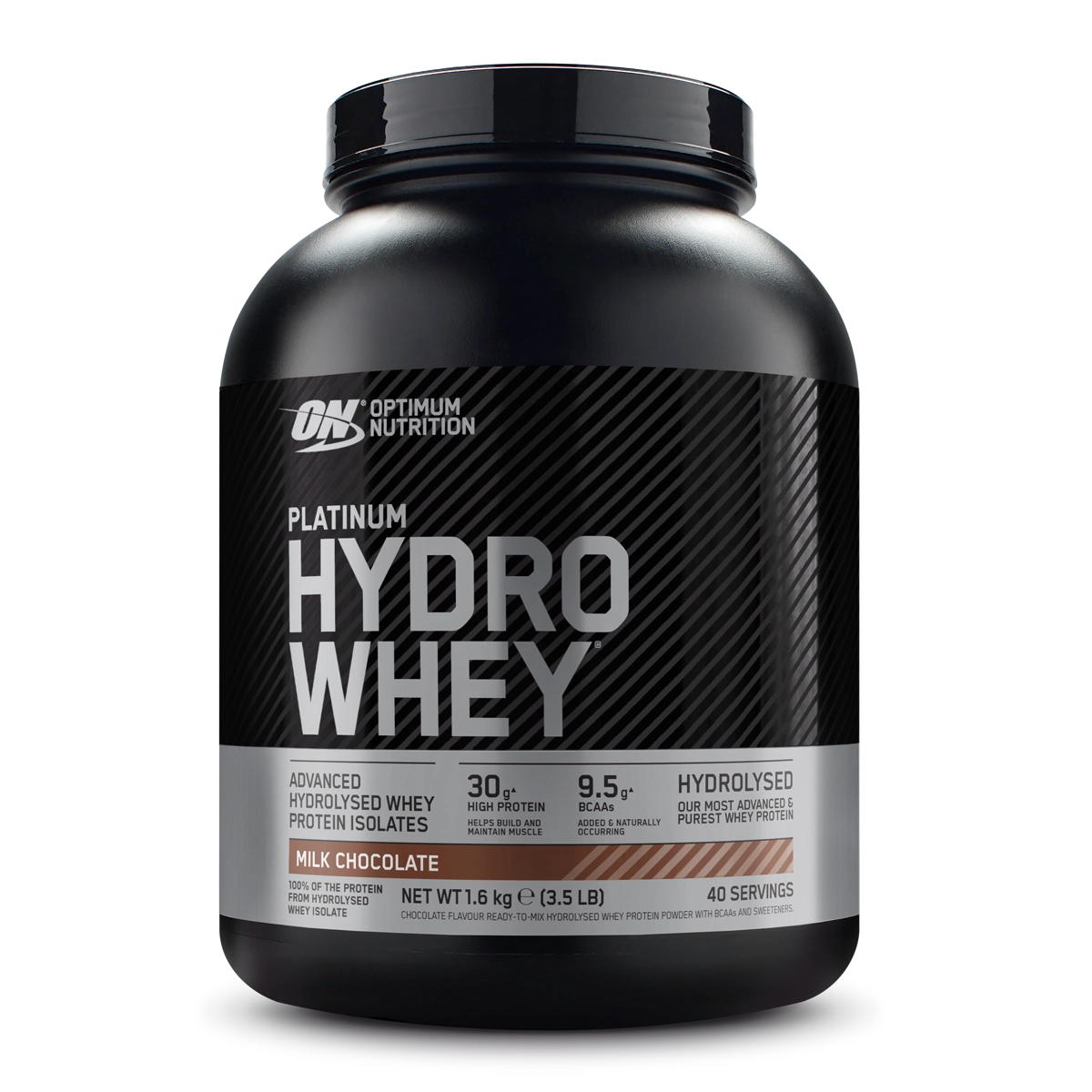

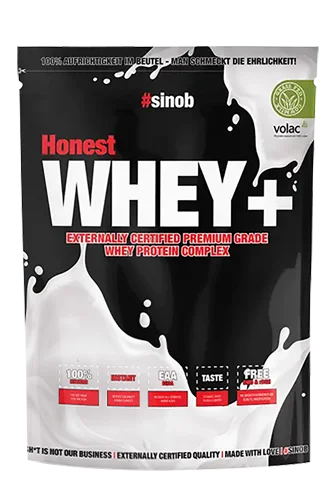
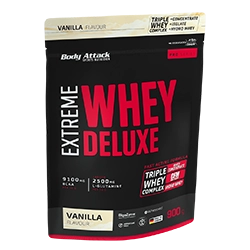
Whey is almost fat-free. In addition to water, milk sugar and lactic acid, it also contains minerals such as potassium, calcium, iron and phosphorus, as well as vitamins B1, B2 and B6. In addition, whey contains valuable whey proteins, which are filtered from the remaining liquid using various processes.
When choosing the right whey protein, the production method, the price and of course the taste play a major role. Price matters, but the quality of the whey protein powder should be even more important. We’ll explain what really matters!
Tip: Whey protein is made from milk and is therefore not suitable for vegans. So if you follow a vegan diet, you should not buy classic whey protein – but luckily we have an alternative for you. Take a look here!
When choosing the right whey protein, the production method, the price and of course the taste play a major role. Price matters, but the quality of the whey protein powder should be even more important. We’ll explain what really matters!
Tip: Whey protein is made from milk and is therefore not suitable for vegans. So if you follow a vegan diet, you should not buy classic whey protein – but luckily we have an alternative for you. Take a look here!
BUT WAIT: WHAT IS WHEY PROTEIN?
The term whey protein comes from the word whey. Whey is the clear yellowish liquid that is produced as a by-product during cheese production. By using various techniques, whey protein can be extracted from this remaining liquid. A distinction is made between sweet whey and acid whey. Sweet whey is produced when the milk is mixed with the thickening enzyme rennet. To produce acid whey, sweet whey is mixed with lactic acid bacteria.Overview
- Provides the strongest leucine peak
- The highest biological value
- Highest BCAA content
- Whey protein is absorbed by the body the fastest
- Best amino acid profile
- The proportion of essential amino acids is 50 percent
Whey proteins, alongside casein, are the second-largest protein fraction in cow’s milk. Milk has a protein content of around 3.4%. About 80% of the pure protein in milk is casein, and around 20% is made up of whey proteins. These values can vary depending on farming conditions, production methods, and species.
All of these protein components are made up of amino acids. Whey proteins therefore also contain a high concentration of essential BCAAs (branched-chain amino acids). These branched-chain amino acids make up about one third of muscle protein. In addition, whey protein contains an adequate amount of cysteine. Cysteine is a proteinogenic amino acid that is involved in the formation of a tripeptide.
All of these protein components are made up of amino acids. Whey proteins therefore also contain a high concentration of essential BCAAs (branched-chain amino acids). These branched-chain amino acids make up about one third of muscle protein. In addition, whey protein contains an adequate amount of cysteine. Cysteine is a proteinogenic amino acid that is involved in the formation of a tripeptide.
Whey protein has a number of properties that are of interest for strength training. It is a highly concentrated source of protein that can supply the body with important building blocks for muscle growth. Protein is especially needed in the process of protein biosynthesis, where it is converted into muscle cells. Since an insufficient protein supply could slow down or even prevent muscle growth, supplementing your diet with whey protein can make sense! This is particularly true for athletes who find it difficult to consume large amounts of protein through normal food alone.
Proteins contribute to muscle growth and also help maintain existing muscle mass. Anyone who takes whey protein powder before training prevents the body from having to draw on energy stores in the muscles, which could otherwise be broken down. After training, it is needed so the body can repair the muscles and build new muscle. However, protein also helps maintain normal bones. This is important for maintaining the musculoskeletal system, which is heavily stressed during strength training. Consuming protein via whey protein therefore not only supports stronger muscle growth, but also helps maintain overall physical health.
Proteins contribute to muscle growth and also help maintain existing muscle mass. Anyone who takes whey protein powder before training prevents the body from having to draw on energy stores in the muscles, which could otherwise be broken down. After training, it is needed so the body can repair the muscles and build new muscle. However, protein also helps maintain normal bones. This is important for maintaining the musculoskeletal system, which is heavily stressed during strength training. Consuming protein via whey protein therefore not only supports stronger muscle growth, but also helps maintain overall physical health.
Depending on the production method, several types of whey protein can be distinguished. Whey, the by-product of cheese production, has little in common with the high-quality protein used by athletes. Depending on the technique, it becomes whey protein concentrate, whey protein isolate, or whey protein hydrolysate. These differ in their ingredients, taste, and price.
During microfiltration, the proteins retain their natural form. Even bioactive protein fractions remain intact with this technique. Lactose and fat are almost completely captured and eliminated through the complex filtration process. The latter also applies to isolate extracted via the ion exchange process. This makes it suitable for people with lactose intolerance as well. During filtration, some components are separated that can negatively affect taste. In addition, it is of higher quality and purer than concentrate and has a better amino acid profile. The body can absorb it faster, which can stimulate muscle-building metabolic processes.
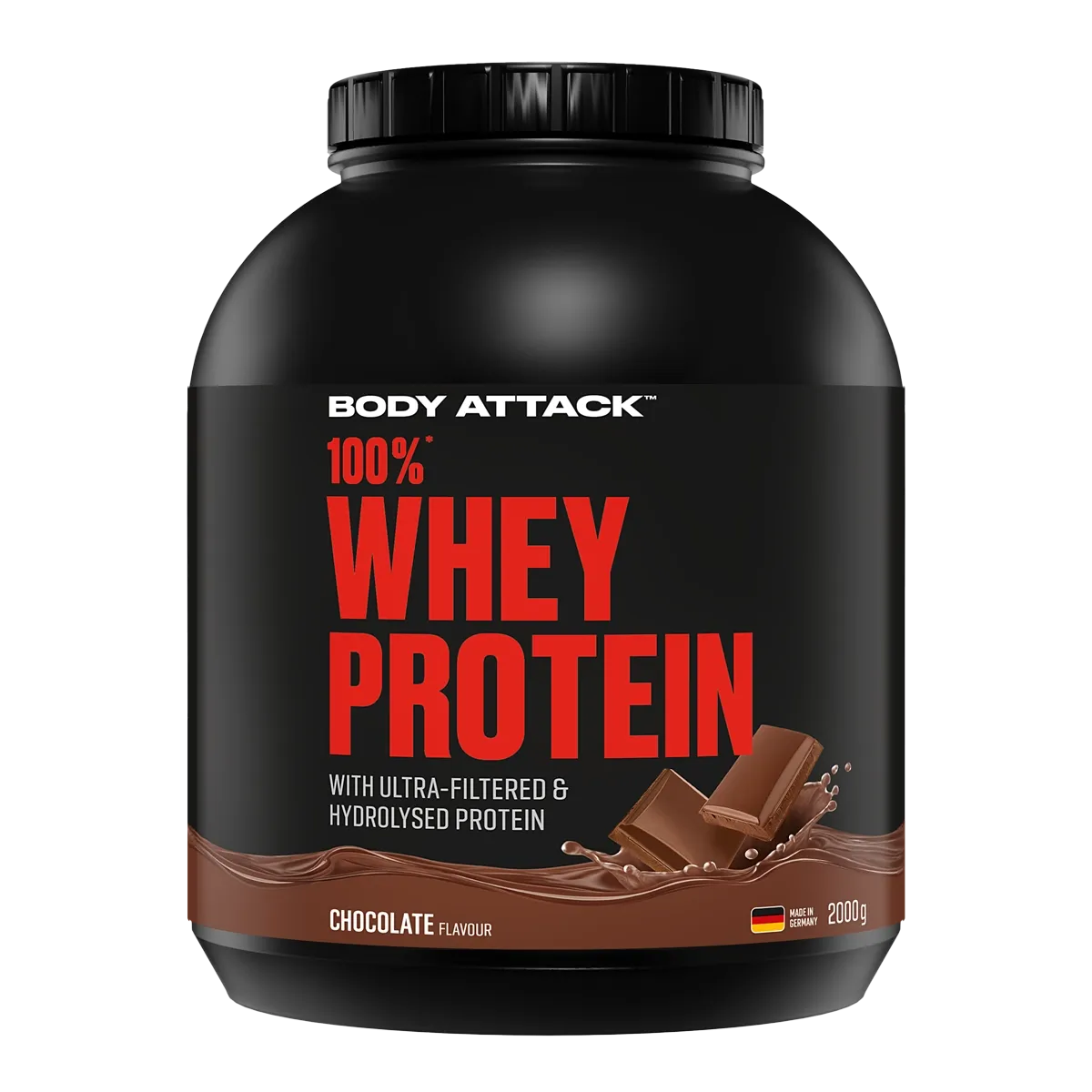
BODY ATTACK offers whey protein products that are manufactured using the patented CFM process. This results in a significantly higher protein content than other comparable whey isolates.
CONCENTRATE
Whey proteins in the form of concentrate are obtained from sweet or acid whey through ultrafiltration. With this technique, the water, lactose, and mineral content is reduced, while the protein and fat content usually increases. Concentrate is the simplest and most cost-effective form of whey protein production, but it contains fewer amino acids and more fat than, for example, whey protein isolate.ISOLATE
Whey isolate is the purest form of whey protein. Whey protein isolates have a protein concentration of more than 90%. Isolate can be produced via ion exchange or microfiltration processes. Both procedures are nutrient-preserving production methods.During microfiltration, the proteins retain their natural form. Even bioactive protein fractions remain intact with this technique. Lactose and fat are almost completely captured and eliminated through the complex filtration process. The latter also applies to isolate extracted via the ion exchange process. This makes it suitable for people with lactose intolerance as well. During filtration, some components are separated that can negatively affect taste. In addition, it is of higher quality and purer than concentrate and has a better amino acid profile. The body can absorb it faster, which can stimulate muscle-building metabolic processes.
BODY ATTACK offers whey protein products that are manufactured using the patented CFM process. This results in a significantly higher protein content than other comparable whey isolates.
HYDROLYSATE
The word hydrolysis refers to the splitting of a compound with the help of water. Enzymes are used for this purpose, controlling the breakdown process. Whey protein hydrolysate therefore refers to whey protein in which the proteins have already been broken down into peptide chains and can thus be absorbed more quickly. The finer the segments into which the proteins are broken down, the better the hydrolysate can be absorbed by the body, as the proteins are essentially "pre-digested" and therefore especially bioavailable. The taste of hydrolysate can be slightly bitter, which is why it is usually taken in capsule form or mixed with other whey protein types until a pleasant taste is achieved.
In order for proteins, like those found in whey, to contribute to muscle growth, muscle maintenance, and bone protection, you should make sure to take the supplements correctly. This ensures that the protein enters the metabolism at the right time and is available, for example, for protein biosynthesis.
Proteins are especially needed when the muscles have to perform a lot of work or when the body is building new structures. For this reason, whey protein should be taken either directly before or after training. This way, the muscles have enough energy available during intense training sessions. After training, proteins are also needed so that recovery can take place and new muscle can be built.
To consume it, whey protein powder is mixed into a liquid such as milk, fruit juice, or water. This allows athletes to control the final nutritional value of the supplement. If you are currently dieting and want to avoid calories as much as possible, water is a suitable option. Fruit juice, on the other hand, is particularly interesting after training because the sugar quickly replenishes carbohydrate stores.
Proteins are especially needed when the muscles have to perform a lot of work or when the body is building new structures. For this reason, whey protein should be taken either directly before or after training. This way, the muscles have enough energy available during intense training sessions. After training, proteins are also needed so that recovery can take place and new muscle can be built.
To consume it, whey protein powder is mixed into a liquid such as milk, fruit juice, or water. This allows athletes to control the final nutritional value of the supplement. If you are currently dieting and want to avoid calories as much as possible, water is a suitable option. Fruit juice, on the other hand, is particularly interesting after training because the sugar quickly replenishes carbohydrate stores.