






















Im Kontext des Abnehmens, also der Gewichtreduzierung, bedeutet Diät, dass wir über einen gewissen Zeitraum hinweg Körpergewicht verlieren wollen. Und zwar idealerweise unsere Fettreserven! An die geht unser Körper aber nur, wenn wir ihm auf Dauer weniger Energie zur Verfügung stellen, als wir benötigen - warum sollte er auch auf kostbare Reserven zurückgreifen, wenn er stetig genügend Energie geliefert bekommt? Auch wenn man den Begriff mit Lebensweise gleichsetzen könnte, bezeichneter heute in der Regel eine mehrwöchige Phase, in welcher Du gezielt wenigerKalorien aufnimmst, um abzunehmen. Das kann ästhetische oder auch gesundheitlicheGründe haben.
Bevor Du nun aber wie wild Kalorien und Lebensmittel aus Deinem Alltag verbannst,solltest Du weiterlesen. Bei einer Diät gibt es einiges zu beachten (und falsch zu machen). Eine erfolgreiche Diät ist beispielsweise nicht das komplette Streichen eines gesamten Makronährstoffs. Oftmals werden Fette oder Kohlenhydrate einfach in Gänze vom Ernährungsplan gestrichen. Dadurch gehen Dir nicht nur Vitamine und Mineralien verloren, sondern dein Hormonhaushalt wird ebenfalls massiv darunter leiden.
Eine Diät mit dem Ziel der Körperfettreduktion fußt primär auf vier Säulen:
- Training
- Ernährung
- Regeneration
- Motivation
Der wohl wichtigste Faktor ist aber die Motivation. Der beste Ernährungs- und Trainingsplan nutzt Dir nichts, wenn Du nicht standhaft bleiben kannst. Nur, wenn Du wirklich dauerhaft Durchhaltevermögen aufbringen kannst, wirst Du Erfolge erzielen.Alle vier Säulen müssen aufeinander abgestimmt werden.
Overview
Die beliebtesten Diäten im Überblick
Vor- und Nachteile von Low Fat Ernährung
Vor- und Nachteile von Formula Diäten
Vor- und Nachteile der Eiweißshake Diät
Welche Diät ist die beste?
Welche Diät passt zu mir?
Zehn Abnehm Tipps
Schnell abnehmen - wie sinnvoll sind Crash Diäten?
Fazit
FAQ
Atkins
Die Atkins Diät geht auf Robert Atkins zurück und sieht eine kohlenhydratarme Ernährung vor; frei nach dem Motto schlank mit Fett und Proteinen. Häufig wird sie auch als Fleisch Diät bezeichnet, da sehr hohe Mengen Fleisch konsumiert werden. Die starke Einschränkung der Kohlenhydrate soll den Körper dazu bewegen, eine alternative Energiequelle zu bilden, nämlich die Ketonkörper, welche aus Fettzellen gewonnen werden.
Darüber hinaus soll durch den hohen Fettkonsum ein sehr starker Sättigungsgrad entstehen, sodass die Diäthaltenden mit wenig Kalorien auskommen, ohne Hunger zu verspüren.
Das Prinzip der Atkins-Diät ist also schnell zusammengefasst: Protein und Fette sind erlaubt, Kohlenhydrate werden komplett weggelassen. Manchen Protokollen zufolge sind Mengen über 5 g Kohlenhydrate am Tag schon zu viel! Darüber hinaus unterteilt sich die Atkins-Diät in vier Phasen:
- Phase: Einleitung.
Über 14 Tage soll sich Dein Körper an die neue Ernährung gewöhnen. Das heißt, es dürfen täglich nur maximal 20 g Kohlenhydrate gegessen werden. Du solltest Dich schon mal an viel Fleisch, Eier und sonstige tierische Produkte gewöhnen, denn diese machen den Großteil in der Atkins-Diät aus. Weiterhin darfst Du hier noch Gemüse und Salat essen, um Verstopfung zu vermeiden und ausreichend Mikronährstoffe aufzunehmen. - Phase Reduktion
Nach der ersten Phase, welche maßgeblich der Gewöhnung dient, fängt das eigentliche Abnehmen erst an. Je nachdem, wie Du Dich vorher ernährt hast, ist es aber sehr wahrscheinlich, dass Du auch in Phase 1 schon etwas Gewicht verlieren wirst.Du darfst in Phase 2 pro Woche die Kohlenhydrate um 5g erhöhen. Dabei solltest Du aber auf Nüsse, Gemüse oder Samen setzen, primäre Kohlenhydratquellen wie Reis sind nach wie vor tabu. Sobald Du nicht mehr weiter abnimmst, solltest Du die Kohlenhydrate wieder reduzieren.
- Phase: Erhaltungskalorien
Die 2. Phase der Atkins-Diät ist die eigentliche Phase des Abnehmens. Sobald Du Dein Wunschgewicht erreicht hast und nicht weiter abnehmen willst, gehst Du in Phase 3 über. Hier geht es darum, Deinen Körper langsam aber sicher wieder an die Kohlenhydrate zu gewöhnen.Im Wochentakt erhöhst Du die Carbs also um 5-10 g. Du kannst auch wieder damit anfangen, kohlenhydratreichere Lebensmittel in Deinen Ernährungsplan zu integrieren. - Phase: Lebenslange Umstellung
Die letzte Phase ist dann Deine zukünftige, dauerhafte Ernährungsweise. Nach wie vor wird sich low carb ernährt, aber Fisch, Gemüse und auch Obst werden empfohlen. Kartoffeln, Reis und Co. dürfen in Ausnahmefällen gegessen werden.
Vor- und Nachteile der Atkins
Vorteile:
- Kalorienzählen nicht notwendig
- Es werden viele herzhafte Lebensmittel gegessen
- Hoher Sättigungsgrad durch Fett und Protein (also auch kein Hungern!)
Nachteile:
- Häufig kommt es zur Unterversorgung der Mikronährstoffe und Ballaststoffe
- Sehr starke Restriktion der Lebensmittel
- Wird häufig abgebrochen
Unter dem Strich ist die Atkins-Art der Ernährung eine beliebte Diätform und wird von vielenauch als die wirksamste Diät bezeichnet. Wenn man sehr gerne herzhaft isst undkeine Kalorien zählen möchte, kann man diese testen. Wer von vornherein sagt,dass er gerne Kohlenhydrate isst, sollte jedoch Abstand nehmen!
Die aufbauende Diät
Diese ist in Bodybuilderkreisen sehr beliebt. Viele schwören Stein und Bein auf diese Form der Ernährung und sind fest davon überzeugt, dass es die beste und wirksamste Form ist. Ganz einfach aus dem Grund, dass man hier durch den sehr hohen Fettkonsum ein sehr vorteilhaftes hormonelles Umfeldschafft und den Körper dazu zwingt, Fett als Energiequelle zu benutzen.
Das klingt schon fast zu gut, um wahr zu sein. Man erschafft ein muskelaufbauendenHormonhaushalt und zwingt den Körper gleichzeitig dazu, seine Kalorien ausden Fettdepots zu entnehmen? Schauen wir uns diese Diätform mal etwas genaueran.
Oftmals wird die aufbauende Diät mit der Ketogenen verglichen. Dieser Vergleich ist auch ziemlich treffend, da beide Formen ähnlich funktionieren. Beide setzen auf die Ketose. Während der Ketose gewinnt Dein Körper Energie aus den Fettzellen. Das passiert allerdings nur in Abwesenheit von Kohlenhydraten. Sind Zucker vorhanden, greift der Körper immer erst darauf zurück.
Hierbei wird auf eine klare Makroverteilung gesetzt:
- 65-70% Fett
- 25-30% Protein
- 0-5% Kohlenhydrate
Vielleicht ein paar Stückchen Brokkoli oder etwas Paprika, aber das wars. Die Kohlenhydrate werden auf ein absolutes Minimum reduziert und nur die gegessen, welche in den erlaubten Lebensmitteln zwangsweise enthalten sind. Bei einer so geringen Zufuhr von Kohlenhydraten schaltet dein Körper zwangsweise in die Ketose, da sonst das Hirn, welches auf Glukose angewiesen ist, verhungern würde.
Neben Glukose können die Ketonkörper (die Energie, welche aus den Fettzellengewonnen wird) ebenfalls dazu dienen, das Hirn mit Energie zu versorgen.
Auch diese Form wird in zwei Phasen unterteilt:
Unter der Woche ernährst Du Dich streng nach Vorgaben. Keine Kohlenhydrate,sehr viel Fett, moderat Protein. Keine Ausnahmen! Am Wochenende jedoch beginnt der sogenannte Refeed. Hier füllst Du Deine Glykogenspeicher so richtig auf und gewinnst bis zu 60% der Kalorien aus Kohlenhydraten. Die aufbauende Diät bewirbt den Refeed als regelrechtes Schlemmerfest. Eis, Pizza, Pudding - alles erlaubt und erwünscht!
- Sehr bewährte Art der Diät, gerade in Bodybuilder-Kreisen
- Mehr Kalorien für energieliefernde Kohlenhydrate
- Einfach umzusetzen
Nachteile:
- Gegebenenfalls Schlappheit
- Abnahme der Libido
- Das Essen schmeckt sehr trocken und wenig aufregend
Low-Fat Diäten sind ein simpler Ansatz, der gerade in der Welt der Bodybuilder viel Anklang findet. Tatsächlich sind die meisten Reis/Huhn Diäten im Kern Low-Fat. Man sollte nur aufpassen, dass man nicht zu wenig Fette zu sich nimmt, um einen funktionierenden Hormonhaushalt sicherzustellen.
Low Carb
Kommen wir nun zum Klassiker unter den Diäten. Sie besteht schon extrem lange und kommt vermutlich so schnell nicht aus der Mode: die Low Carb Diät. Dabei handelt es sich um eine kohlenhydratarme Ernährung, die phänomenale Abnehmergebnisse verspricht.
Ihre Beliebtheit wird auch durch die Massen an Low Carb Produkten, welche mittlerweile auf dem Markt verkauft werden, bestätigt. Von Low Carb Pizza, Low Carb und Low Carb Brötchen oder Low Carb Proteinbrot u.v.m Es gibt es wirklich alles, was das Herz begehrt.
Hierbei reduziert man die aufgenommenen Kohlenhydrate stark, eliminiert sie aber nicht vollständig aus seinem Ernährungsplan. Jede strengere Bodybuilder-Diät endet zwangsweise mit wenigen Kohlenhydraten, da man Fett und Proteine irgendwann nicht mehr senken kann. Die kohlenhydratarme Ernährung ist also nicht nur in der Allgemeinheit, sondern auch im Leistungssport vertreten.
Die Frage ist nur, wie man Low Carb definiert. Leider lassen die allermeisten einfach komplett alle primären Kohlenhydrate weg. Das ist aber kein Low Carb, sondern No Carb. Der Sinn von Low Carb ist jedoch, dass man die zugeführten Kalorien bewusst über die Carbs steuert, aber dennoch ausreichend Energie zur Verfügung hat, um beispielsweise genügend Dampf für das Training zu haben.
Man muss bedenken, dass das Hirn ebenfalls von Glucose als Energielieferant abhängig ist (es sei denn, Du befindest Dich in der Ketose) und je nach Gewicht und Geschlecht benötigt dieses 120-150g Kohlenhydrate jeden Tag. Der größte Kohlenhydratfresser ist tatsächlich nicht Deine Muskulatur - nein, es ist das Gehirn. Und das solltest Du auch tagtäglich mit der geforderten Menge versorgen, damit es nicht zu Konzentrationsschwächen, Müdigkeit oder Motivationslosigkeit kommt.
Hinweis: Es macht keinen Sinn, im Rahmen einer kohlenhydratarmen Ernährung weniger als 120-150g Carbs am Tag zu konsumieren, da das Hirn diese benötigt. Es sei denn, Du willst einen extrem niedrigen Körperfettanteil erreichen!
Vorteile:
- können als Mahlzeitenersatz dienen
- volle Kontrolle über die Kalorienzufuhr
- leicht in den Alltag integrierbar
- haben einen hohen Sättigungseffekt
- zeitsparend
- schnelle Gewichtsreduktion
- hemmen den Heißhunger
- können den Muskel vor Abbau schützen
- enthalten kaum Kohlenhydrate und kaum Fett
- kann lange durchgehalten werden
- kann eintönig werden, daher immer wieder neue Geschmacksrichtungen probieren.
- Ernährung muss danach tatsächlich umgestellt werden, ansonsten droht der gefürchtete Jo-Jo-Effekt
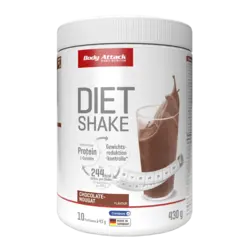
Die Eiweißshake Variante
Ein Eiweißshake zum abnehmen, wäre das nicht super? So oder so ähnlich funktioniert die Eiweißshake Diät (auch Formula Diät genannt). Es handelt sich um eine sehr anfängerfreundliche und einfach umzusetzende Nahrungsumstellung, die besonders für Menschen im höheren Alter oder starkem Übergewicht geeignet ist.
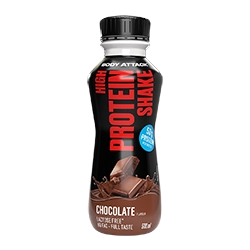
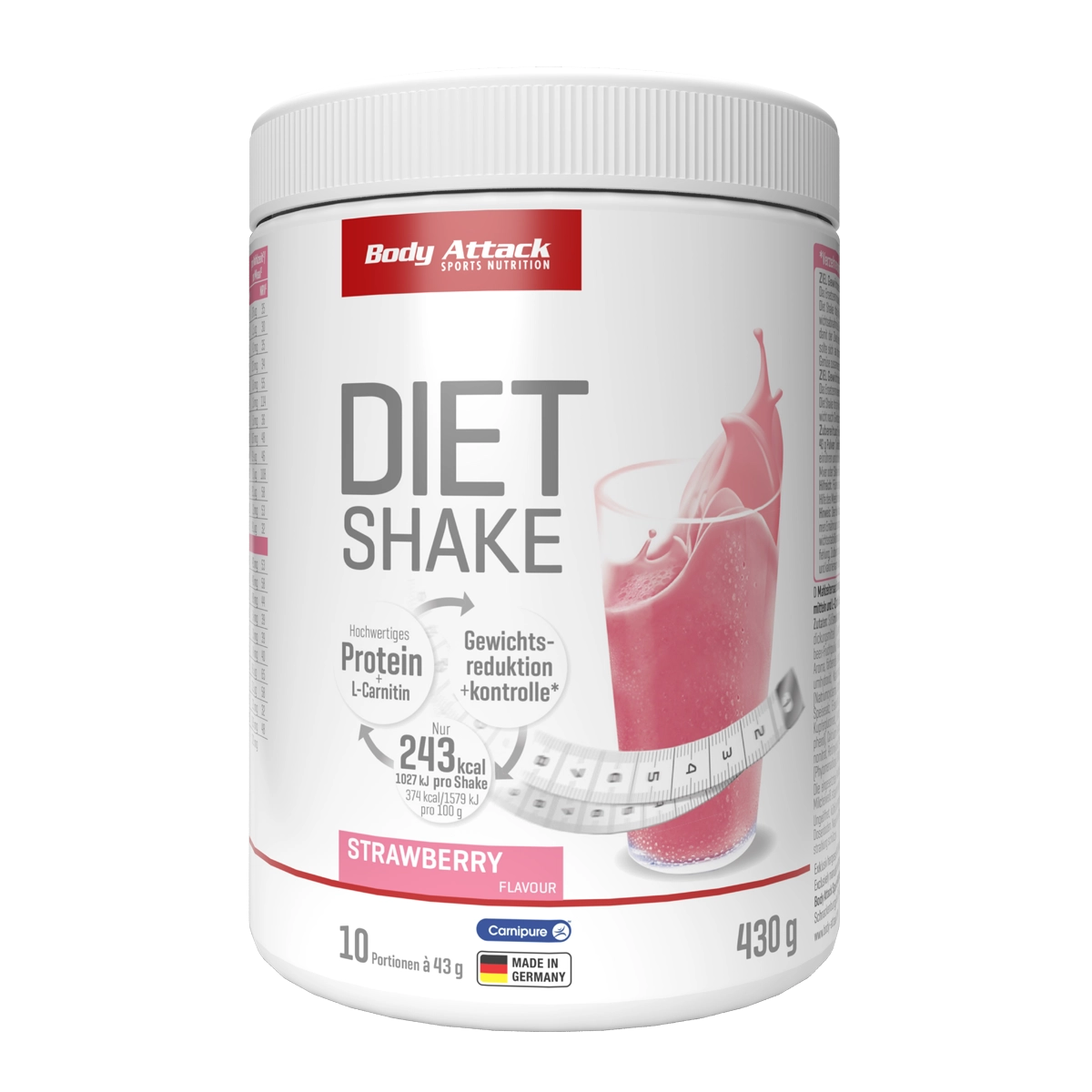
Die Idee dahinter ist simpel: Du ersetzt Deine kalorienreichste Mahlzeit des Tages durch einen simplen Proteinshake, der Dir beim Abnehmen hilft. Die Proteinshakes helfen beim Muskelaufbau, dem Muskelerhalt und sättigen natürlich durch den hohen Proteingehalt sehr stark. Du wirst Dich wundern, wie sehr ein Proteinshake mit nur 200 Kalorien sättigen kann!
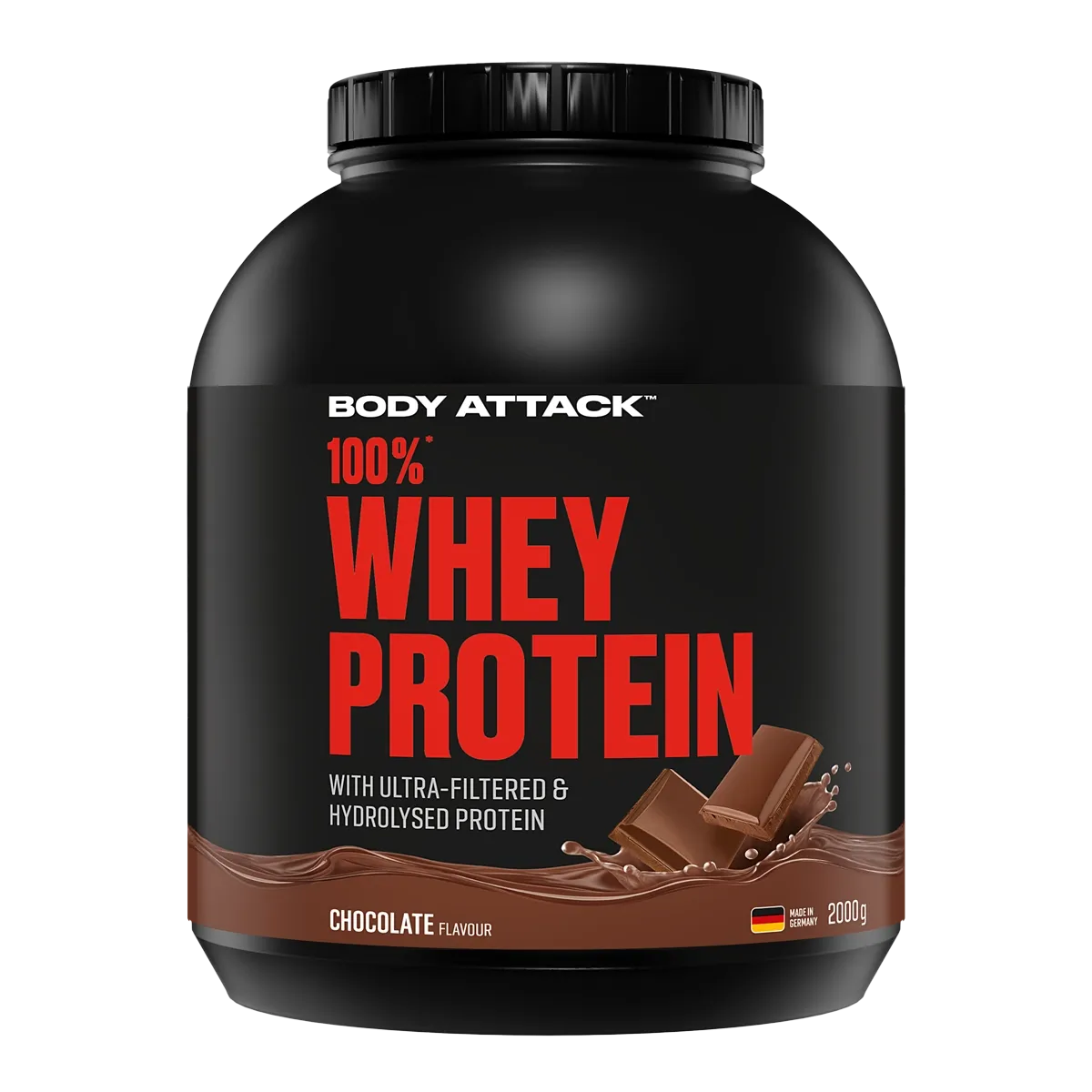
Mehr Eiweiß zum Abnehmen ist immer sinnvoll - und genau das erreichst Du mit der Eiweißshake Diät. Natürlich solltest Du im Rahmen einer Diät auch bewusster essen und nicht in der Hoffnung, der eine Eiweißshake am Tag würde Dich abnehmen lassen, den Süßigkeitenschrank plündern. Im Übrigen brauchst Du kein spezielles Proteinpulver zum Abnehmen dafür. Ein gewöhnlicher Whey Shake oder ein Casein Protein reicht vollkommen aus!
- Extrem einfach umzusetzen und für fast jeden geeignet
- Sehr geringe Startkosten
- Sehr einfache Methode, seine Proteinzufuhr zu erhöhen
- Kein Kalorienzählen notwendig
Nachteile:
- Risiko, trotzdem zu viele Kalorien aufzunehmen
- Ungenau; es ist sehr schwer, sehr geringe Körperfettanteile zu erreichen
Wie Du siehst, ist das Ganze eher etwas für Menschen, die nur ein wenig abspecken möchten. Und genau für diese Zielgruppe ist die Proteinshake Diät bestens geeignet, da sie so einfach umgesetzt werden kann. Sie ist ein guter Start in ein gesünderes Leben mit bewussterem Lebensmittelumgang.
Wer hingegen wirklich ambitioniert im Fitnessstudio trainiert, Kalorien zählt und strikte Diät hält, wird mit der Eiweißshakes früher oder später an seine Grenzen kommen. Für hohe Ziele ist diese nicht geeignet, da man in der Regel keine Kalorien zählt.
Oftmals wird bei der Wahl der Ernährungsform nur auf darauf geachtet, dass sie möglichst schnell möglichst großartige Ergebnisse liefert. Man traut seinem zukünftigen Ich einfach selbstbewusst zu, dass man die Strapazen und Quälereien einfach durchhalten wird und stets das Licht am Ende des Tunnels sieht, woraus man neue Hoffnung und Motivation schöpft.
Leider ist genau das der falsche Ansatz. Wenn Deine Ernährungsumstellung nicht auf Deine persönlichen Vorlieben und Bedürfnisse Rücksicht nimmt, wirst Du sie auf Dauer nicht aushalten-und genau das muss passieren, damit Du dein Ziel auch erreichst.
Folgende Parameter sollten erfüllt sein, damit sie wirksam ist, wirklich Fett verbrennt und Du sie auch durchhalten kannst:
- Du solltest Deine Proteinzufuhr auf 1,5g - 2,0g pro Kilogramm Körpergewicht erhöhen (2,0g, falls Du Kraftsport betreibst)
- Du musst Dich im Kaloriendefizit befinden. Am Ende des Tages alsoweniger Energie aufgenommen, als verbraucht haben
- Die Diät muss durchhaltbar sein. Wenn Du gerne Kohlenhydrate isst,solltest Du keine Atkins-Diät machen!
Im Rahmen einer kilokalorienreduzierten Diät macht es definitiv Sinn, seine Proteinzufuhr zu erhöhen. Eiweiße sind sehr sättigend, daher hilft Dir eine erhöhte Zufuhr beim Kampf gegen den Hunger. Darüber hinaus schützen Proteine Deine Muskulatur und helfen auch dabei, neue aufzubauen. Ganz klar: Wer Diät hält, sollte mehr Proteine essen.
Voraussetzung für ein erfolgreiches Definieren oder Abnhemen ist ein Kaloriendefizit. Immer! Von dieser Regel gibt es keine Ausnahmen. Wenn Du zu viele Kalorien aufnimmst, wirst Du nicht abnehmen. Der Energieerhaltungssatz sagt, dass Energie nicht einfach aus dem Nichts entstehen oder einfach so verschwinden kann. Eigentlich ist das nur fair: Wenn Du Dich an die Regeln hältst, hast Du auch Erfolg.
Last, but not least: Deine Diät musst Du durchhalten können. Gehen wir einmal von dem Fall aus, dass Du zehn Wochen im Keller eingesperrt wirst und täglich nur 500 Kalorien zu essen bekommst. Wirst Du dann abnehmen? Selbstverständlich, das lehrt uns der Energieerhaltungssatz. Wirst Du danach wieder zunehmen? Selbstverständlich, da Du Dich so für gewöhnlich nicht ernährst (und es auf Dauer nicht aushalten würdest). Finde also die Diät, die zu Dir passt.
Am Ende des Tages kommt es immer darauf an, welche Diät Du auf Dauer durchhalten kannst. Es gibt keine eindeutig beste Ernährungsform. Solange Du Deine Diät durchhalten kannst und ein Kaloriendefizit erzielst, wirst Du abnehmen!
In der Praxis hat sich Low Carb für die meisten Menschen bewährt, da
- es sehr einfach umzusetzen ist
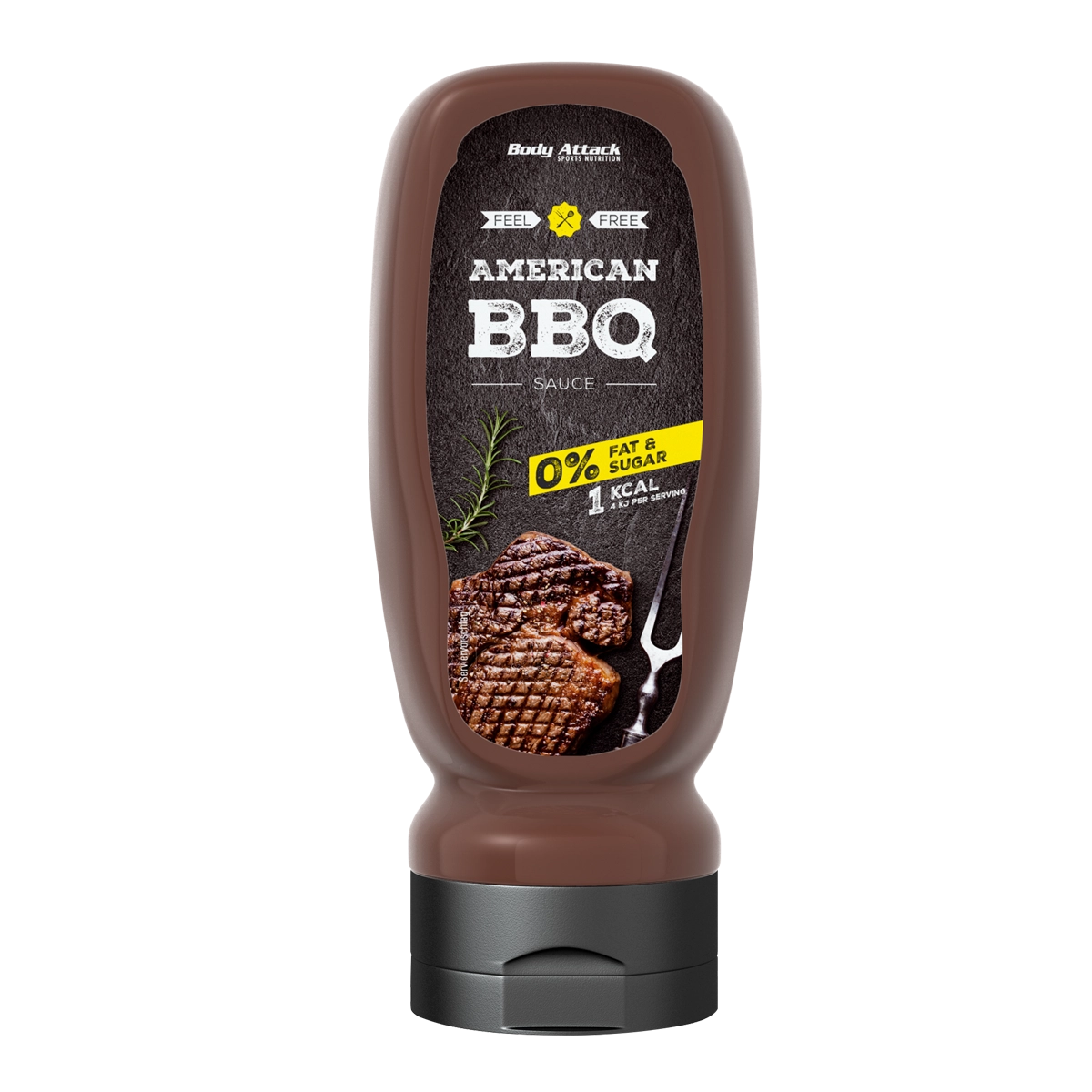
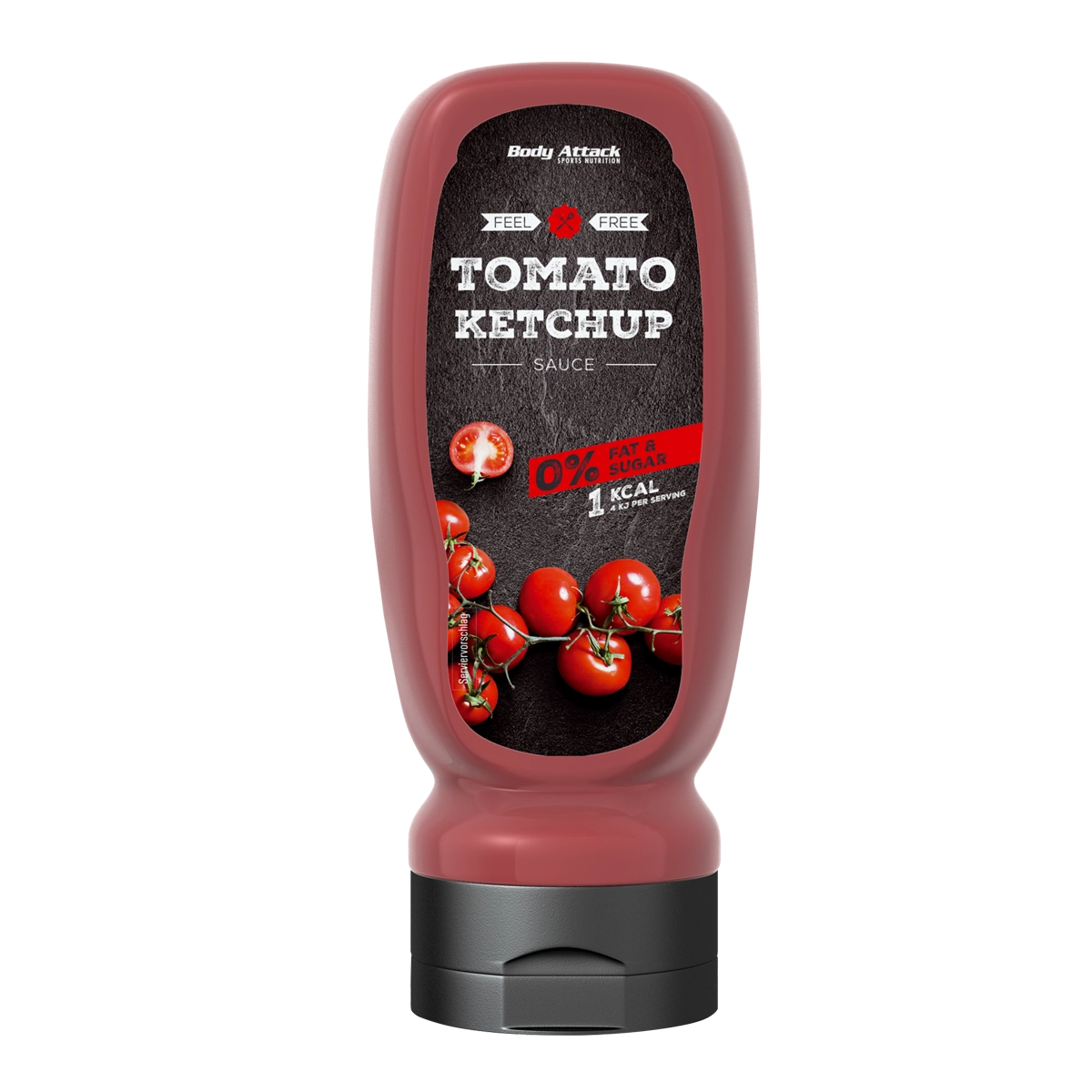
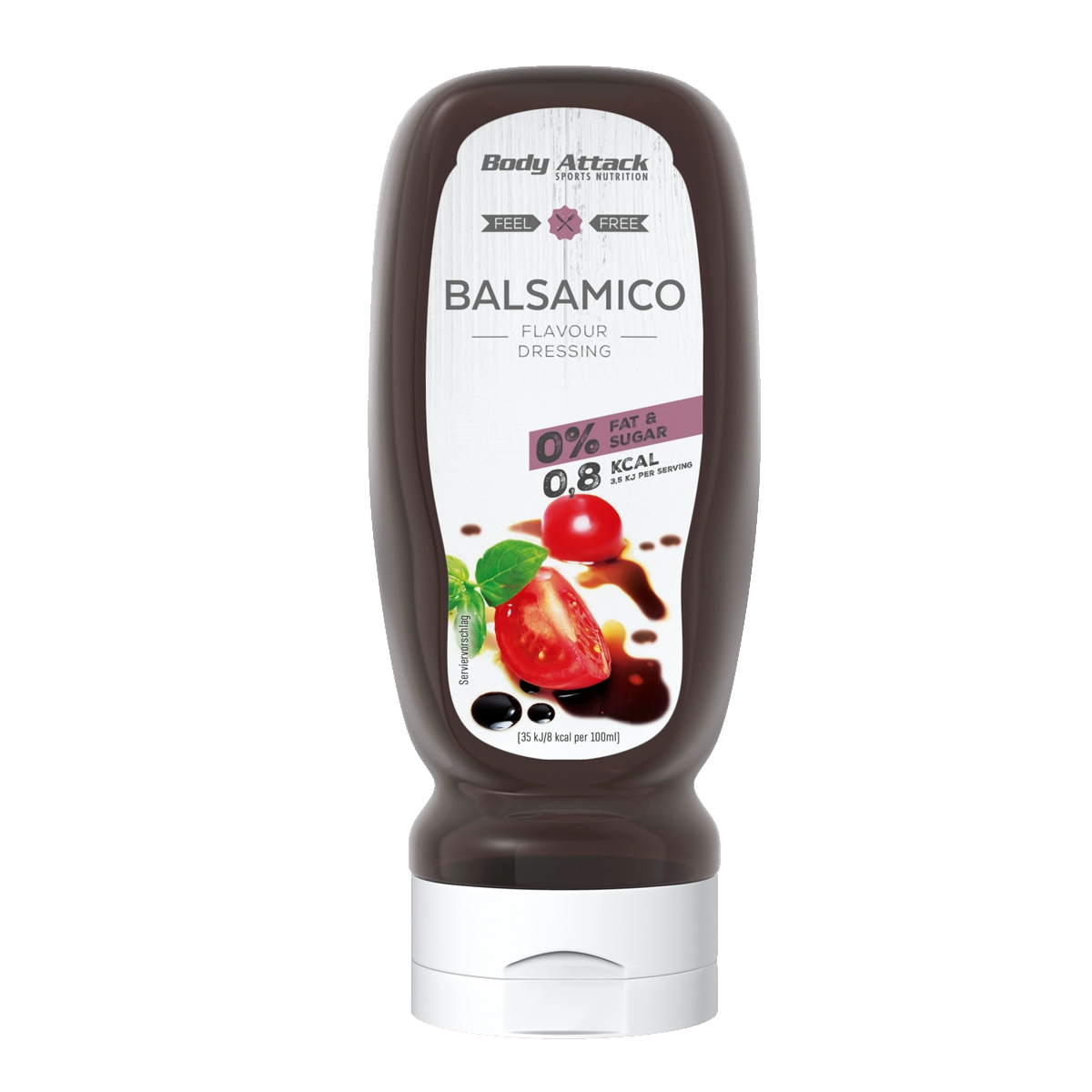
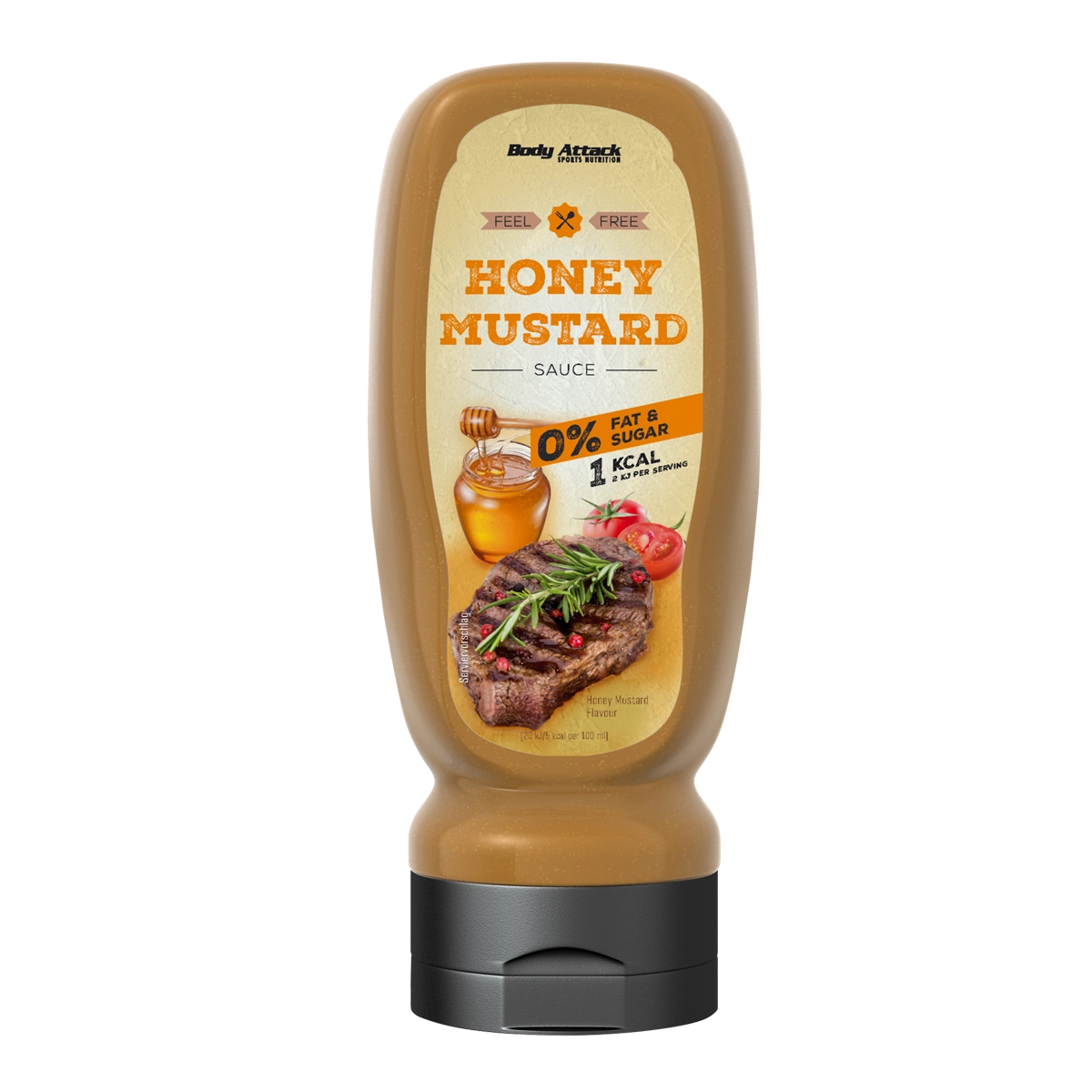
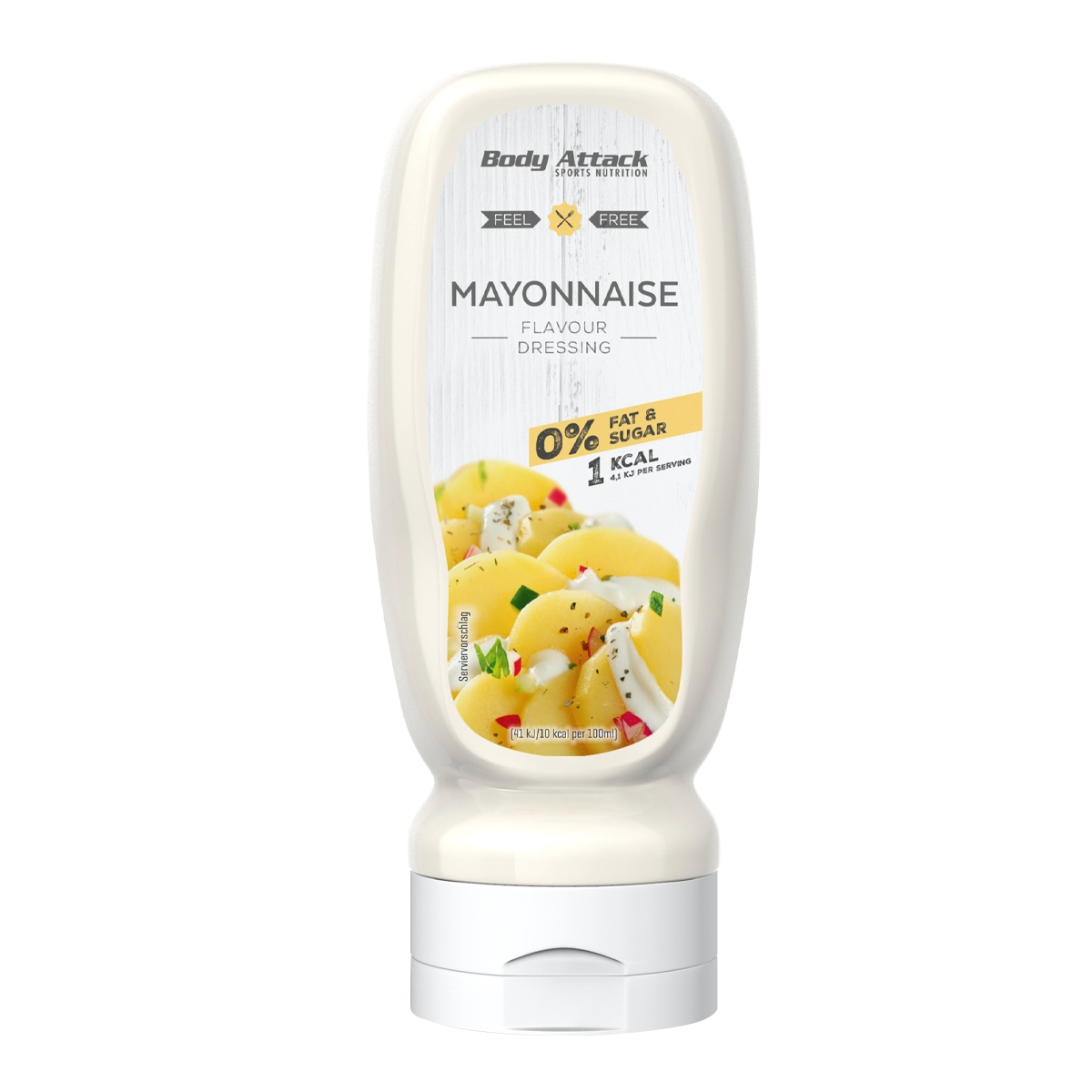
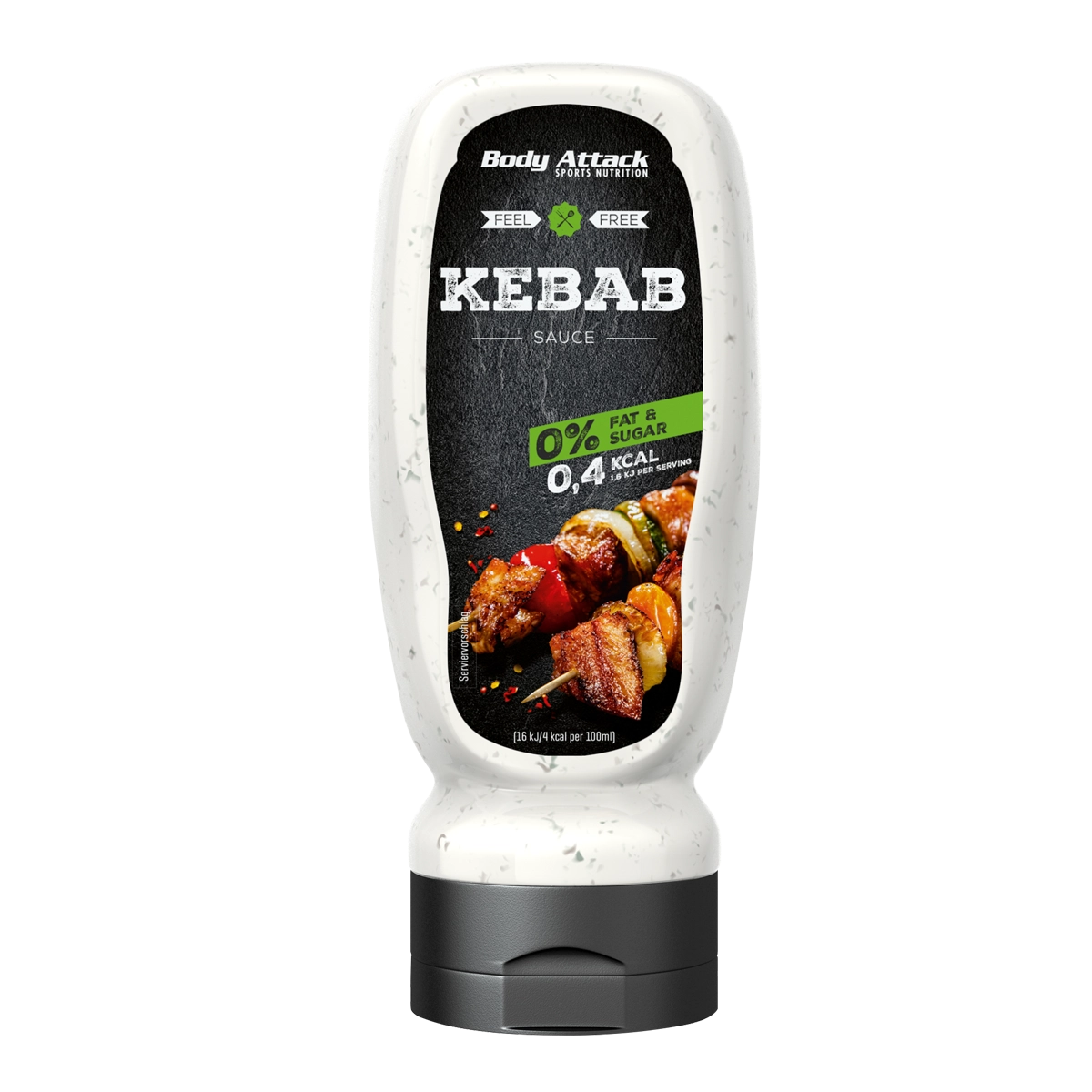
- man automatisch zusätzliche Kalorien in Form von Saucen und Aufstrichen einspart
- Du prinzipiell auf nichts verzichten musst
- es mittlerweile sehr viele Low Carb Produkte gibt, welche Dir durch die Diät helfen
Falls Du Dir Deinen eigenen Ernährungsplan zum Abnehmen erstellen möchtest, findest Du hier eine Schritt-für-Schritt Anleitung. Wie Du Dir einen eigenen Trainingsplan erstellst, findest Du hier.
- Trinke viel Wasser
Es gibt keine einfachere Methode mehr für seine Gesundheit und den Abnehmerfolge zu tun, als mehr Wasser zu trinken. Eine Unterversorgung mit Wasser kann nicht nur zu Krämpfen führen, sondern auch zu Kopfschmerzen, Konzentrationsschwächen und vielem mehr. Dein Körper benötigt Wasser als Transportmittel für Vitamine und Mineralien-darüber hinaus ist Wasser an unzähligen Prozessen im Körper beteiligt. Trinke mindestens 1 Liter Wasser pro 25 Kilogramm Körpergewicht jeden Tag! - Befolge die 80/20 Regel
Solange Du Dich zu 80% der Zeit an Deinen Ernährungsplan hältst (und Deine Gesamtkalorien im Auge hast!), darfst Du zu 20% auch etwas essen, was normalerweise verboten wäre. Das kann sich in ein bisschen Schokolade jeden Tag äußern oder einem Cheat Meal in der Woche. Falls es Dir hilft, die Diät über die gesamte Zeit durchzuhalten, solltest Du diese kleinen Hilfen einbauen. - Iss ausreichend Obst und Gemüse
Gerade in Diäten, also niedrigkalorischer Ernährung, kann es zu einer Unterversorgung von Vitaminen und Mineralien kommen. Daher ist es umso wichtiger, dass wir ausreichend Obst und Gemüse essen. Jeden Tag 500g Gemüse (das Gemüse gerne wöchentlich durchwachsen) und 1 Stück Obst sollten es sein. So nimmst Du gleichzeitig auch wichtige Ballaststoffe auf. - Iss mehr Ballaststoffe
Oft unterschätzt, aber extrem wichtig: Genügend Ballaststoffe. Gerade in Low Carb Diäten kommen früher oder später Ballaststoffe zu kurz. Daraus resultiert dann häufig Verstopfung. Ballaststoffe regen die Verdauung stark an und helfen genau bei diesem Problem. Weiterhin verbraucht die Verarbeitung von Ballaststoffen viel Energie, was Dir ebenfalls bei einer wirksamen Diät helfen wird. - Erhöhe Deine Eiweißzufuhr
Mehr Protein in der Diät wird Dir mit dem Muskelaufbau und -erhalt helfen. Überdies müssen Proteine erst in ihre Bestandteile (den Aminosäuren) zerkleinert werden. Ein Prozess, der lange andauert und Kalorien verbrennt. Das wiederum hilft, den Hunger zu unterdrücken. - Erhöhe Deine Bewegung im Alltag
Kleinvieh macht auch Mist. Sogar eine Menge Mist. Nimm statt dem Aufzug die Treppe, geh hin und wieder im Wald spazieren und fahre mit dem Fahrrad statt Auto. Das mag an den einzelnen Tagen keinen großen Unterschied machen, aber auf die gesamte Diät gerechnet kommt einiges zusammen. Bis zu 1-2 Kilo zusätzlichem Fettverlust! - Setze Dir ein smartes Ziel
Dein Ziel sollte ambitioniert, aber nicht unmöglich sein. Es sollte eine klare Deadline haben (Zu meinem Geburtstag...in 12 Wochen...bis zu meiner Hochzeit...) und Du solltest eine klare Vorstellung vom SOLL-Zustand haben. Was willst Du erreichen? Zwei Kleidergrößen weniger, wieder in die alte Jeans passen oder einfach zehn Kilo abnehmen? Habe eine genaue Vorstellung, was Du in welcher Zeit erreichen willst. - Gehe nicht hungrig einkaufen
Stelle sicher, dass Du nicht hungrig bist, wenn Du Dich zu Deinem Wocheneinkauf begibst. Es wird fast unweigerlich darin enden, dass Du Lebensmittel einkaufst, die in Deiner Diät nichts zu suchen haben. Denk immer daran: Wenn Du keine Süßigkeiten im Haus hast, kannst Du sie auch nicht essen. - Schlafe ausreichend
Unter einem Schlafmangel leidet nicht nur Deine Regeneration, sondern auch die Konzentration und Motivation. Wenn Du nicht genügend schläfst, steigt die Wahrscheinlichkeit von Heißhungerattacken. Stelle daher sicher, dass Du mindestens 7-8 Stunden jeden Tag schläfst. Weniger zu schlafen und sich dafür mehr zu bewegen zeugt von falschem Ehrgeiz. - Iss abwechslungsreich
Dieser Punkt greift auf die durchführbarkeit Deiner Diät zurück. Du wirst nur erfolgreich abnehmen, wenn Du dein Essen genießt. Wenn Du nicht der Typ für 3x täglich Reis, Huhn und Brokkoli bist, dann solltest Du es auch nicht forcieren. Du kannst Kohlenhydrat- und Proteinquellen auswechseln. Anstatt Reis kannst Du Kartoffeln oder Haferflocken, anstatt Huhn auch Pute oder Rind essen.
Es gibt durchaus Ansätze, mit denen Du in kürzester Zeit sehr viel Gewicht verlierst. Dir sollte aber bewusst sein, das alles, was schnell kommt, auch vergänglich ist. Der häufigste Grund für den Jo-Jo-Effekt ist ein zu großer Eifer bei dem Gewichtsverlust.
Der Jo-Jo-Effekt tritt dann auf, wenn Du Dich für eine sehr niedrigkalorische Diät entscheidest und nach der Diät wieder isst, wie vorher. Daher sollte das Ziel Deiner Diät sein, eine langfristige Umstellung der Ernährungsgewohnheiten zu erreichen. Nur, wenn Du Deine Beziehung zu Essen langfristig änderst, kannst Du dem Jo-Jo-Effekt entfliehen.
Eine Diät mit nur 500 Kalorien am Tag funktioniert (der Energieerhaltungssatz lässt grüßen) und Du wirst schnell an Gewicht verlieren. Oftmals besteht das verlorene Gewicht dann aber aus Muskelmasse und Wasser. Das Ergebnis? Die Zahl auf der Waage sinkt, aber Du wirst nicht merklich besser aussehen. Diesen Zustand nennt man Skinny Fat. In Klamotten siehst Du dann zwar besser aus, aber unter den Klamotten hat sich dann kaum etwas getan.
Hinweis: Crash Diäten sind niemals von langanhaltendem Erfolg gekrönt. Nur, wenn Du Dich auf ein einmaliges Ereignis (beispielsweise Deine Hochzeit) vorbereiten willst, solltest Du auf Crash Diäten setzen. Sonst folgt auf diese fast immer der Jo-Jo-Effekt.
- Erhöhte Proteinzufuhr
- Ein gesundes Kaloriendefizit
- Durchführbarkeit
Es bringt nichts, Dir eine Diät aufzuzwingen, welche zwar wunderbare Ergebnisse verspricht. Wenn Du mit den Ernährungsvorschriften nicht zurechtkommst und Dich durch jeden Tag quälen musst, wirst Du keinen Erfolg haben. Dennoch verlangen Diäten ein gewisses Grad an Disziplin und Durchhaltevermögen. Mache es Dir so einfach wie möglich, die Diät bis ans bittere Ende durchziehen zu können. Dein Ziel sollte kein möglichst schneller Gewichtsverlust sein, sondern eine langfristige Umstellung der Ernährungsgewohnheiten.
Wie lange sollte ich Diät halten?
Das kommt immer auf dein Ziel an. Bei sehr strikter Diät und anstrengendem Training kannst Du maximal mit 1 Kilogramm die Woche (reines Fett) rechnen. Diesen Wert erreichen allerdings meist nur Bodybuilder, die sich auf einen Wettkampf vorbereiten. Bei langfristigem, gesunden Abnehmen solltest Du mit 500-700 Gramm die Woche rechnen - natürlich abhängig von Deinem Startgewicht. Für viele sind 20 Wochen Diät schon sehr lange, aber durchaus realistisch.Kann ich ohne Sport abnehmen?
Solange Du ein Kaloriendefizit erreichst, kannst Du auch ohne Sport abnehmen.Das heißt aber noch lange nicht, dass das auch sinnvoll ist. Sport-insbesondere Krafttraining führt zu einem gesünderen und leistungsfähigeren Körper. Darüber hinaus kannst Du auch etwas mehr essen, wenn Du Dich mehr bewegst. Eine große Motivation für viele, Sport in die Diät zu integrieren.
Kann ich gezielt am Bauch abnehmen?
Nein. Der Mythos der Spot-reduction, also dem gezielten Abnehmen an einer Stelle des Körpers ist genau das: ein Mythos. Dein Körper entscheidet selber, woher er das Fett bezieht, das er benötigt. Gerade am Bauch dauert es meist etwas länger. Je länger und disziplinierter Du Diät hältst, desto wahrscheinlicher ist es aber, dass die Rettungsringe verschwinden.
Was sollte ich abends essen?
Solange Du mit Deinem Abendessen Deine Kalorien für den Tag nicht sprengst,kannst Du essen, was Du möchtest. Das kann sogar die kohlenhydratreichste Mahlzeit des Tages sein. Es hat sich allerdings bewährt, vor dem Schlafengehen eine caseinhaltige Mahlzeit zu essen. Casein ist das Protein, welches in Milchprodukten vorkommt. Magerquark mit Nüssen oder ein Caseinshake eignet sich hervorragend.
Muss ich Kalorien tracken?
Das ist abhängig von Deinem Ziel. Grundlegend kann man aber sagen, dass dasAufzeichnen der Kalorien nicht zwingend notwendig ist. Du kannst hervorragendeErgebnisse erzielen, indem Du mit gesundem Menschenverstand isst. Natürlichbist Du aber auch der sicheren Seite, wenn Du einen Überblick darüber hast, was alles in Deinem Körper landet. Spätestens, wenn es Dir um einen Sixpack geht, kommst Du um das Tracken vermutlich nicht herum.