













35 Articles
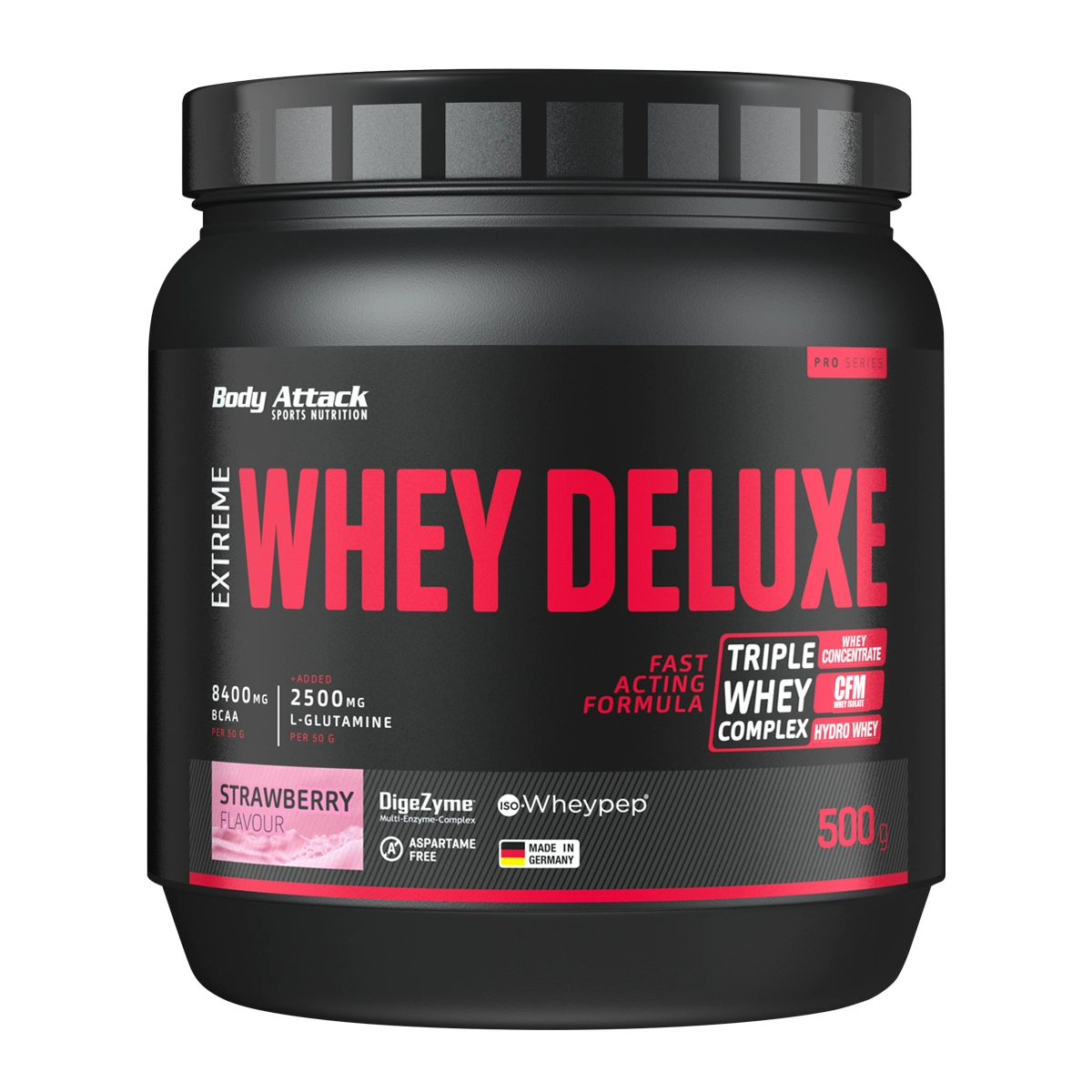

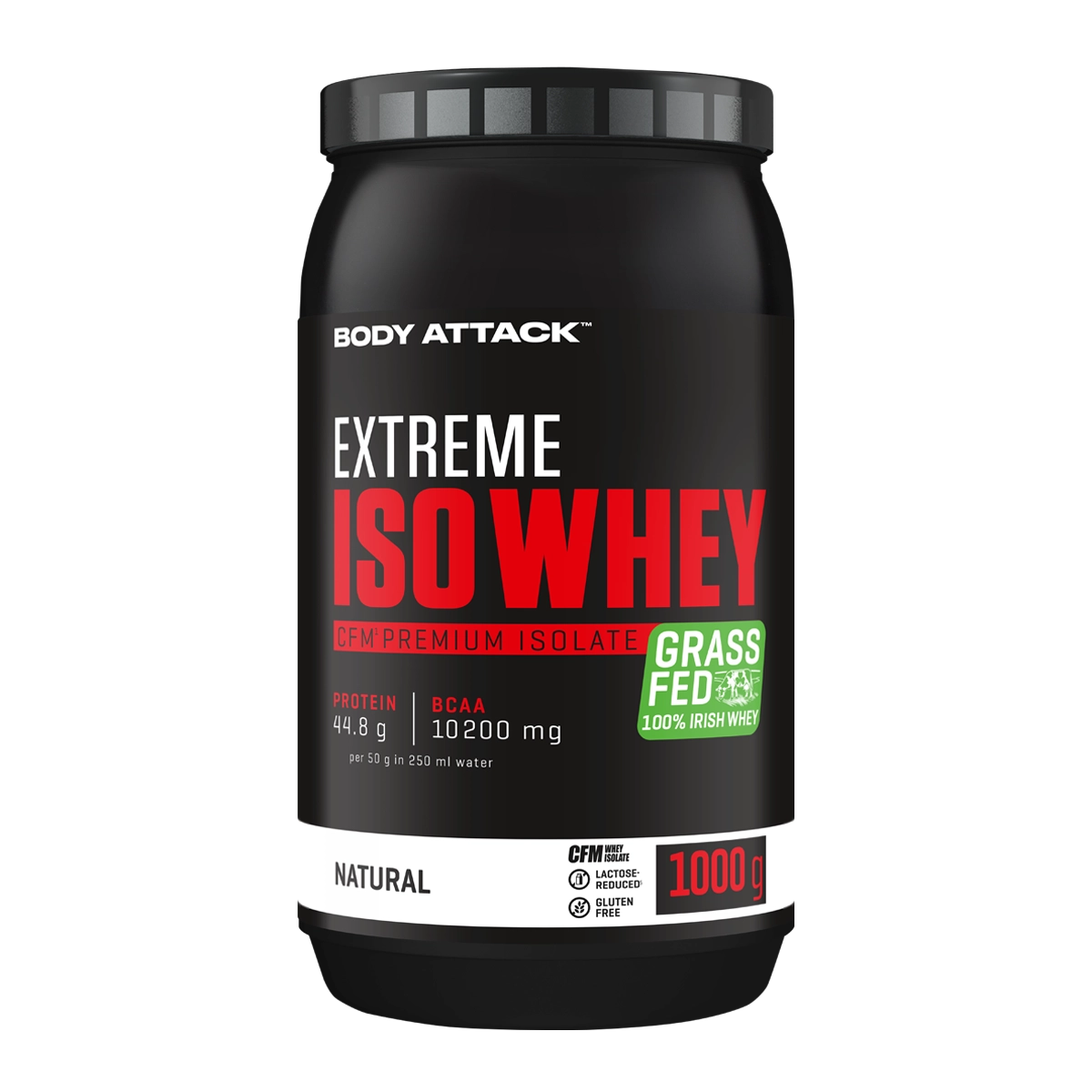
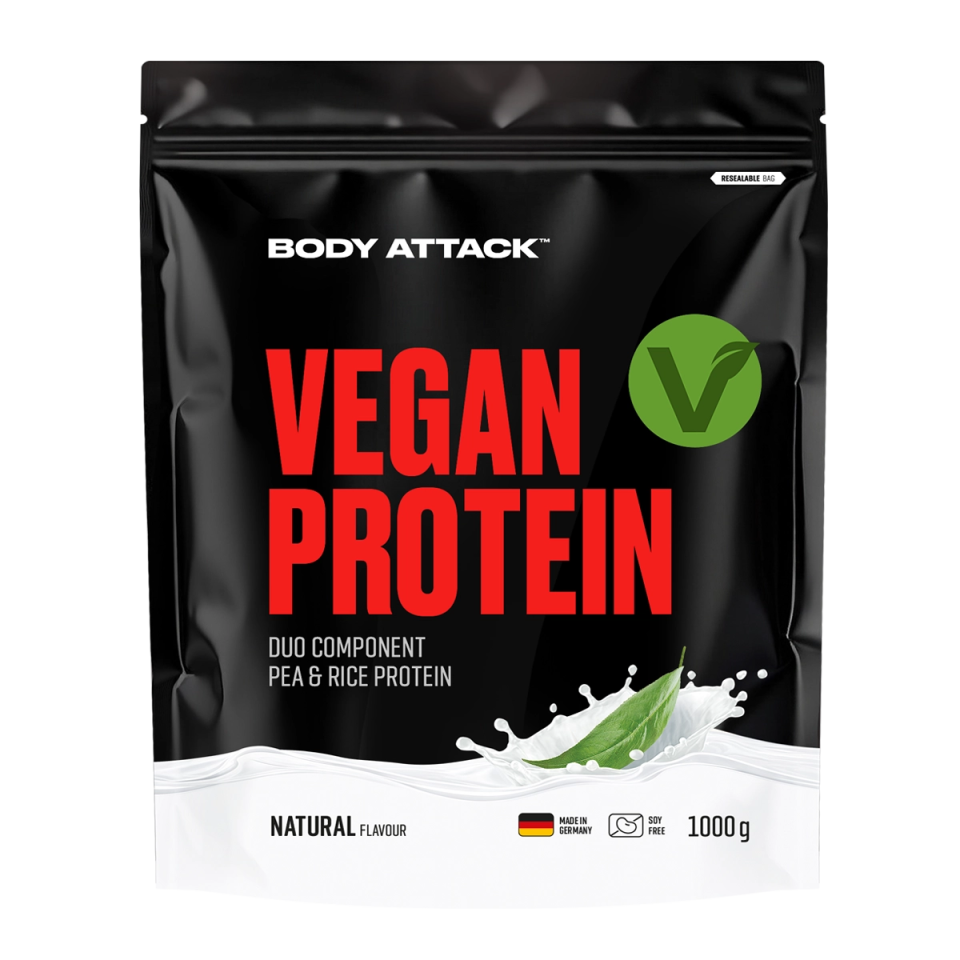
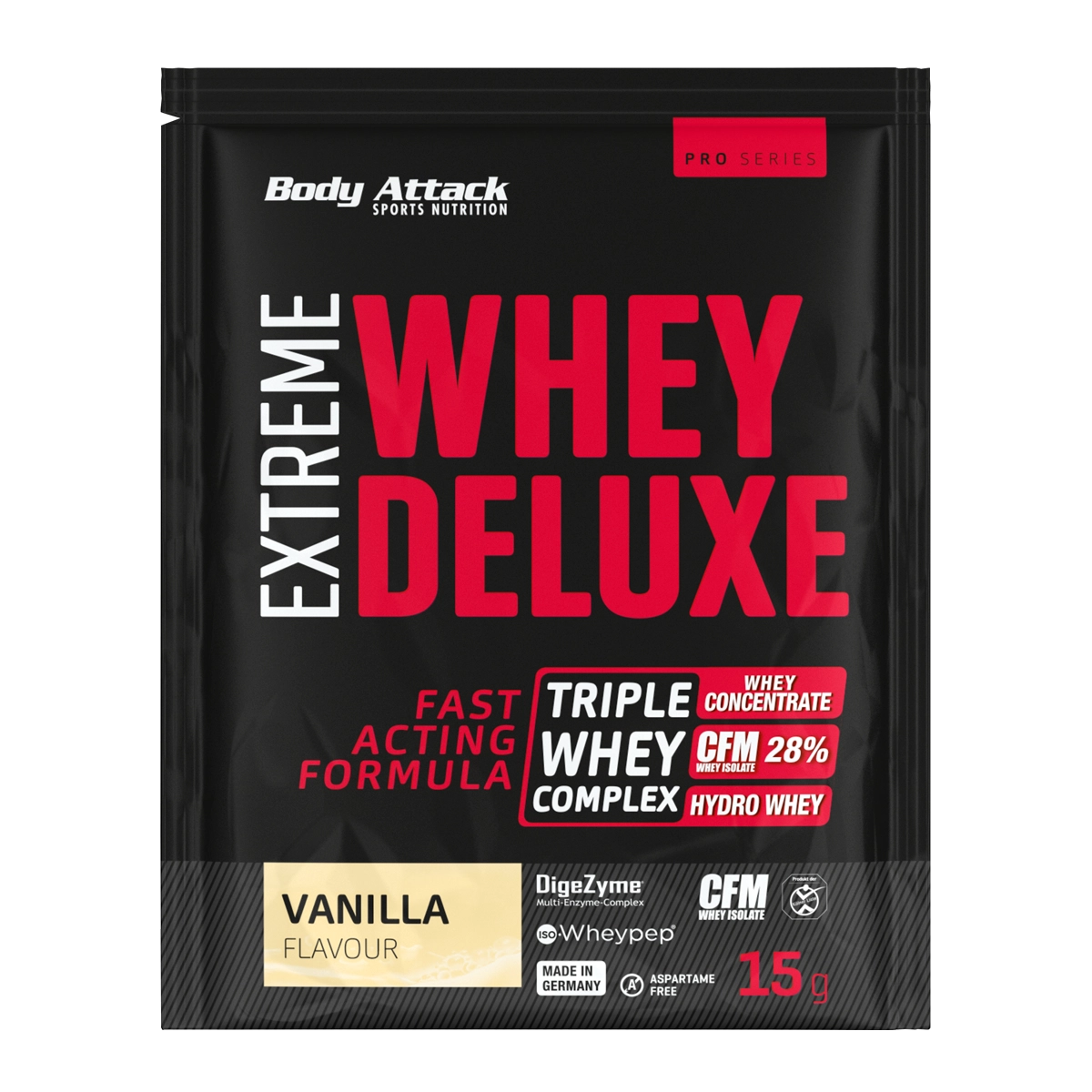
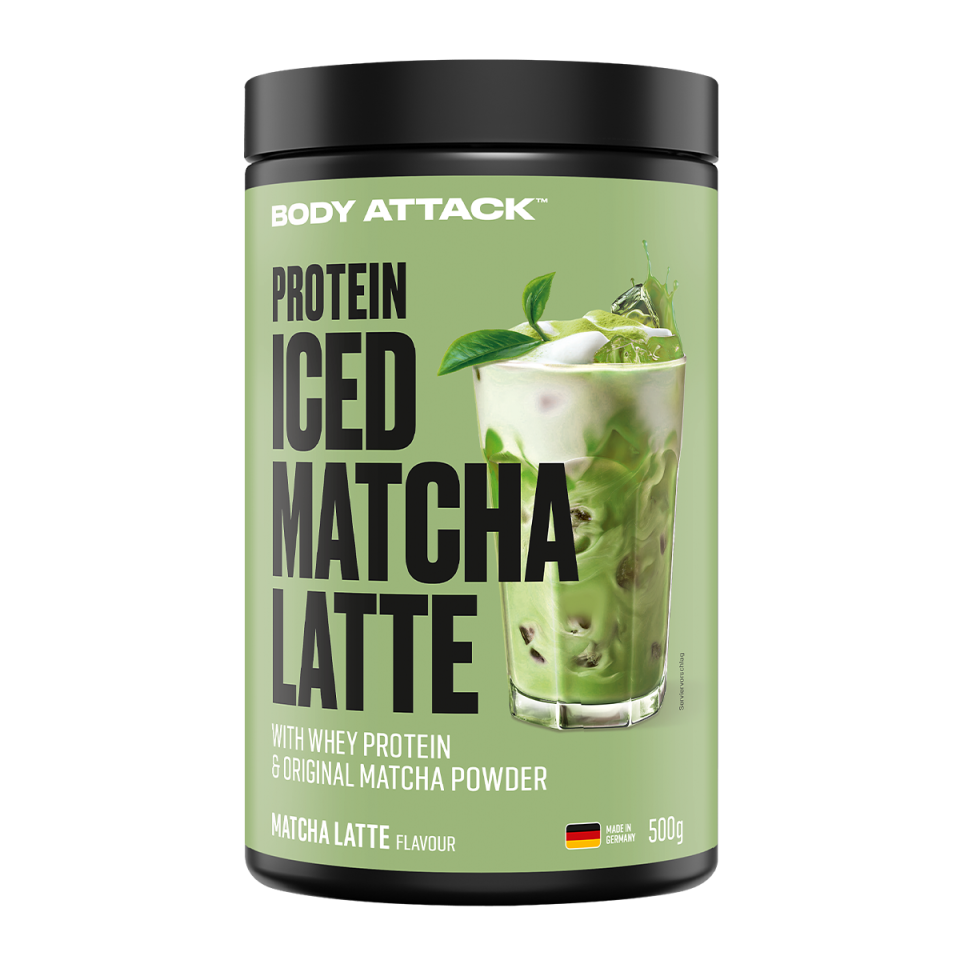
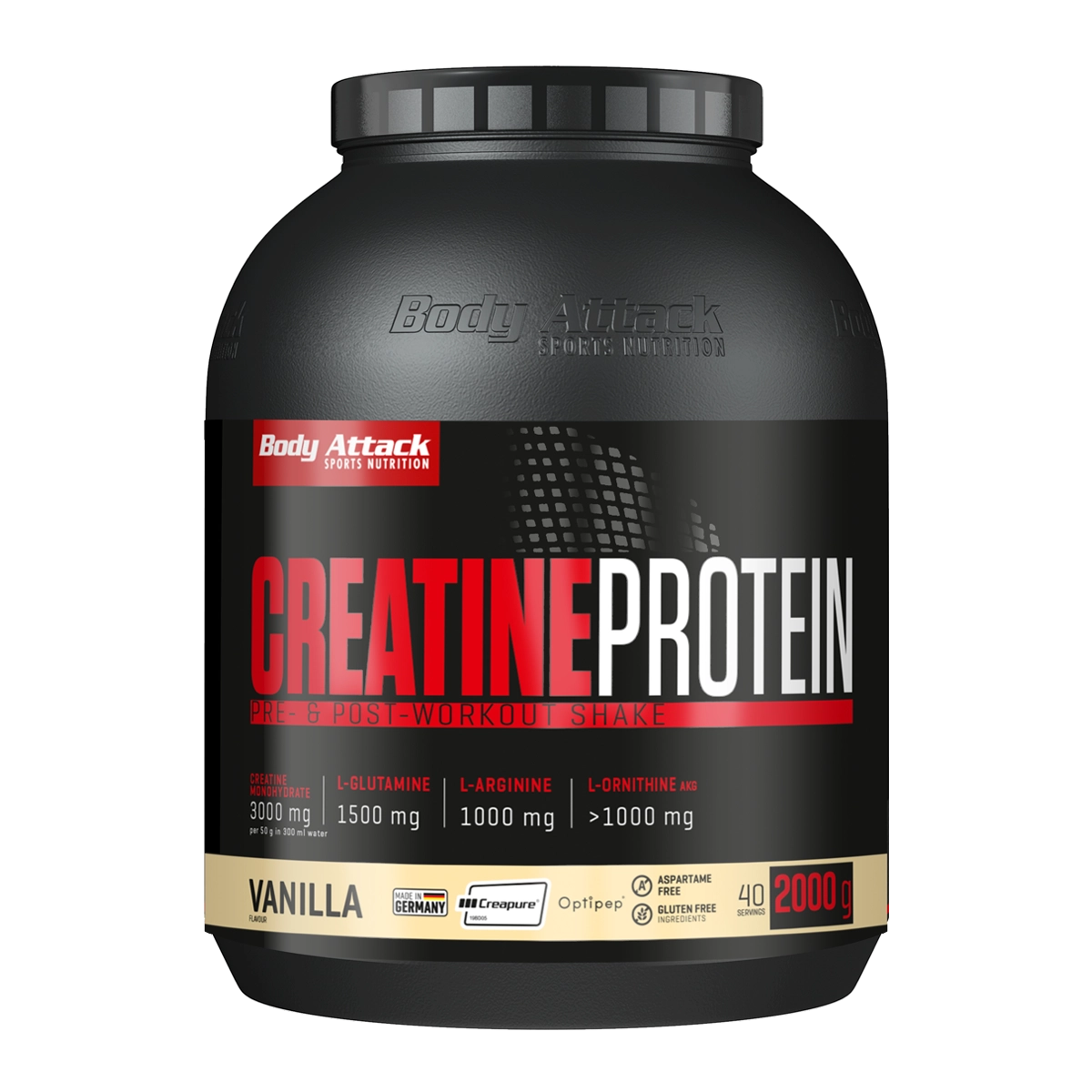
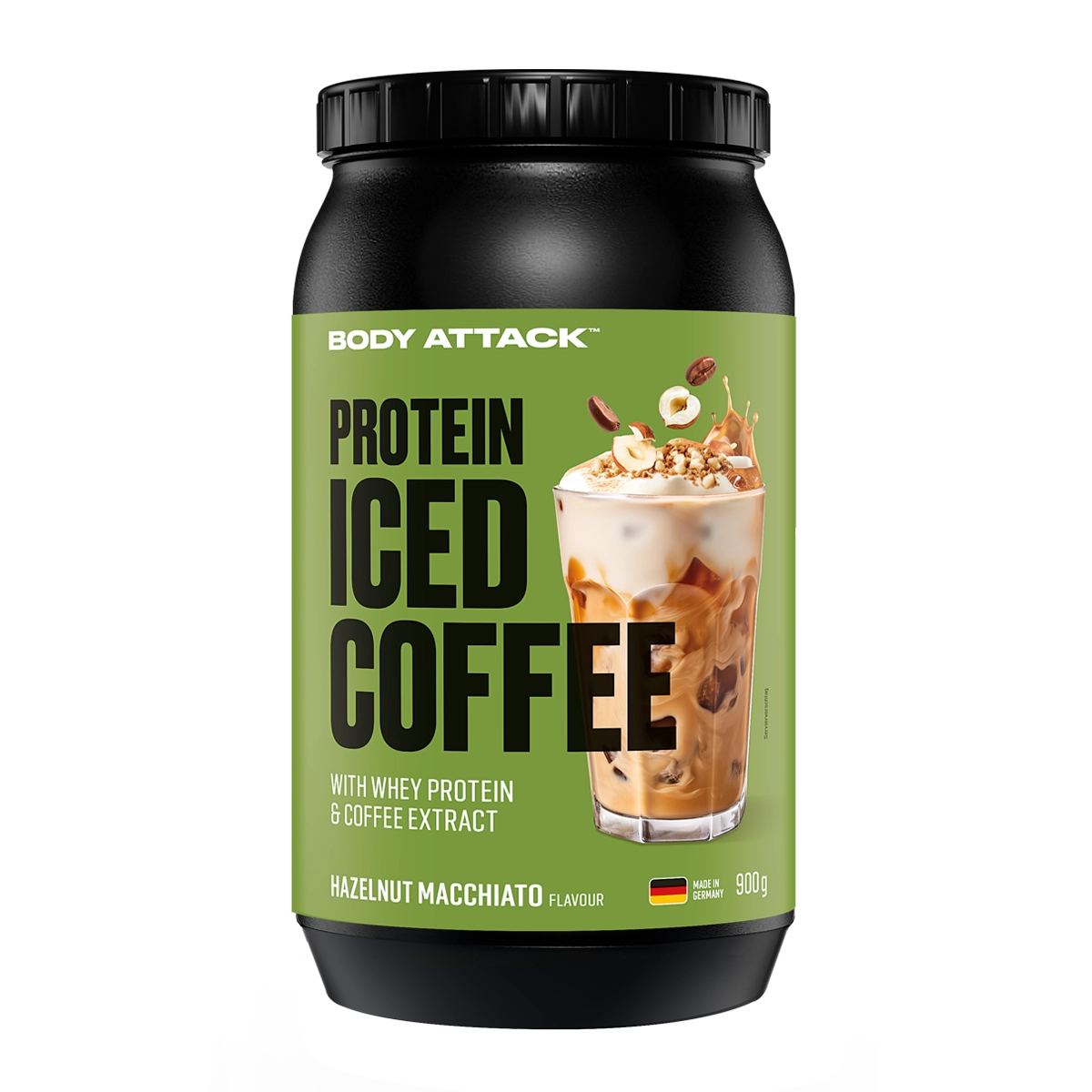
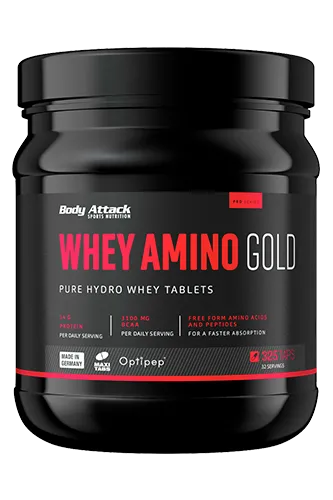
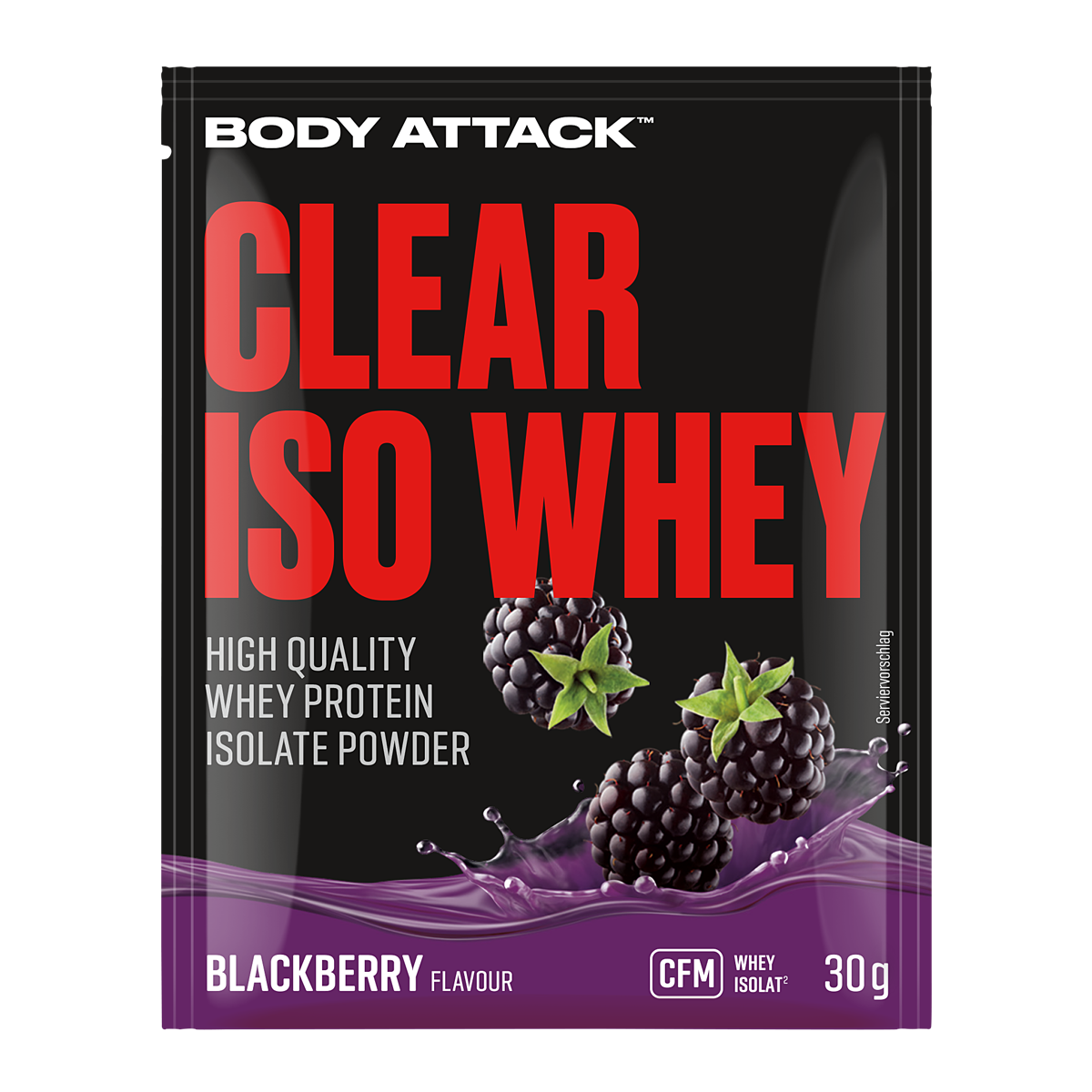
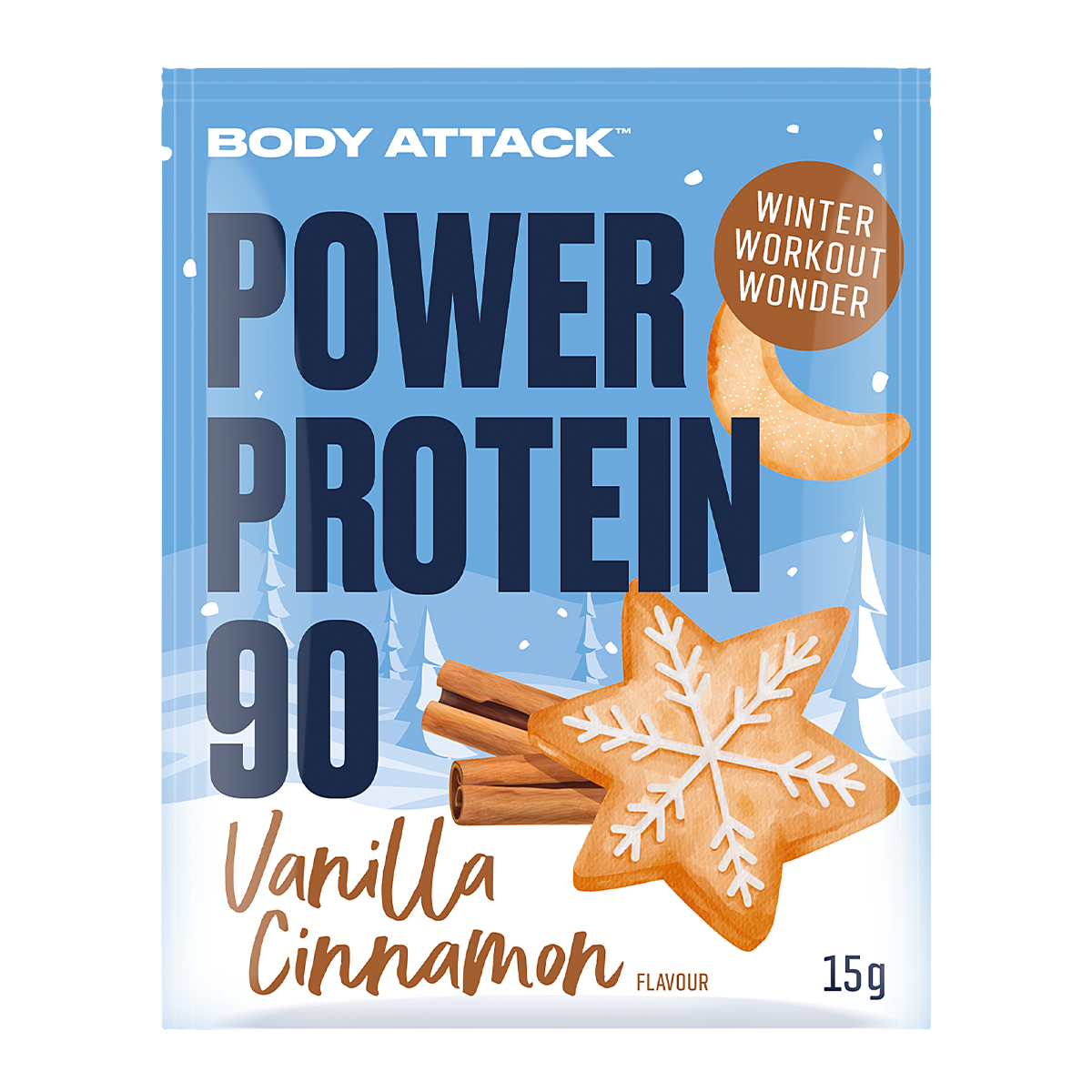
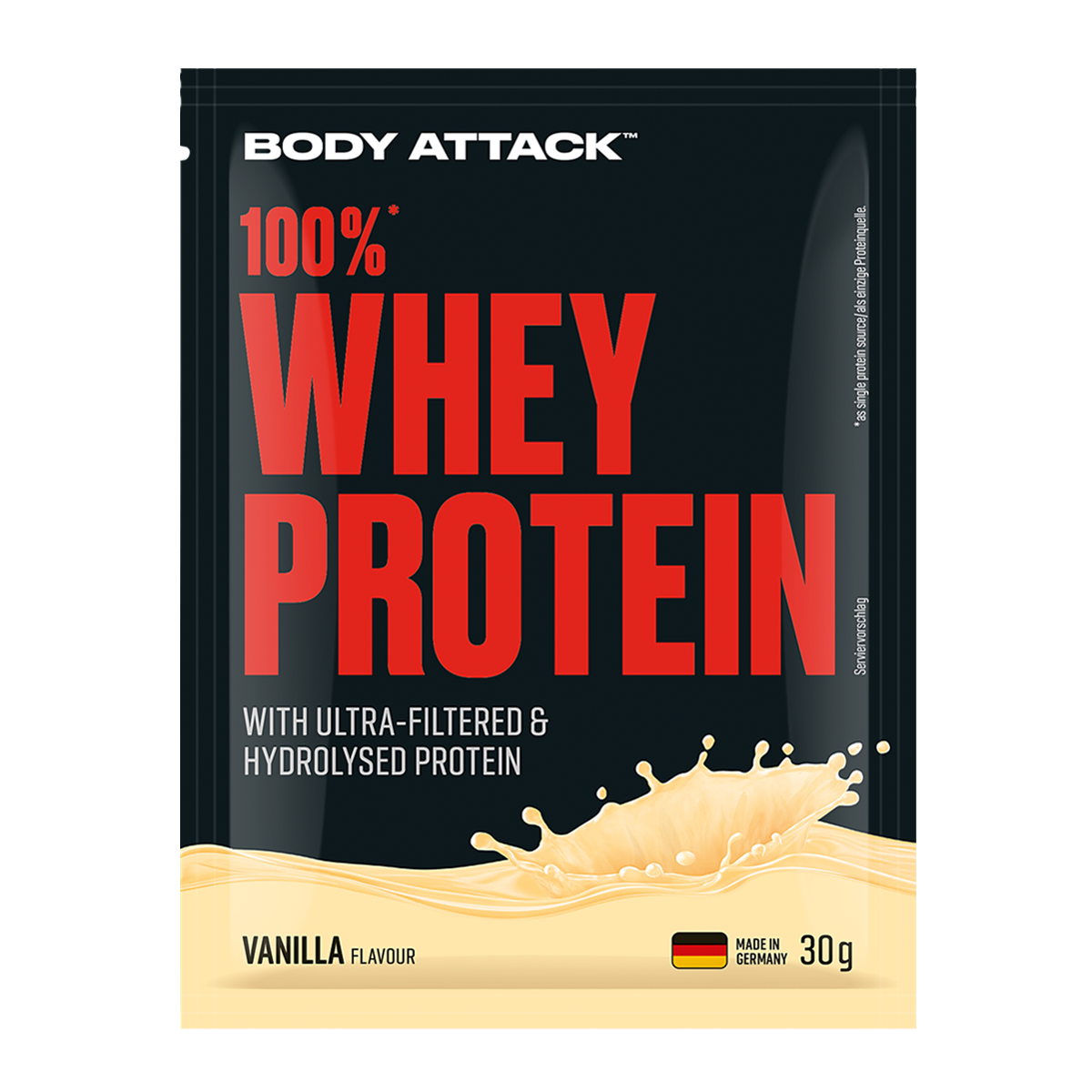
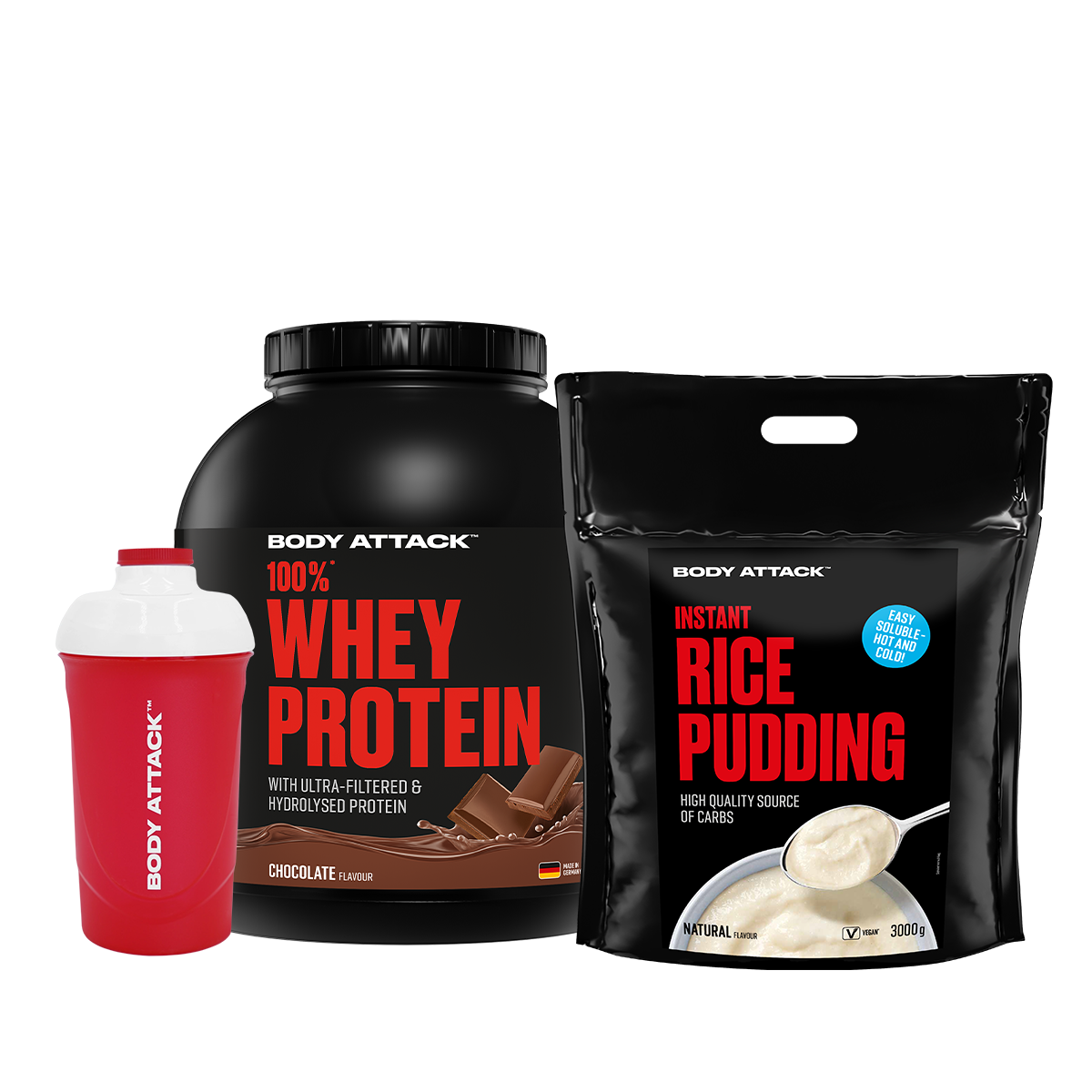
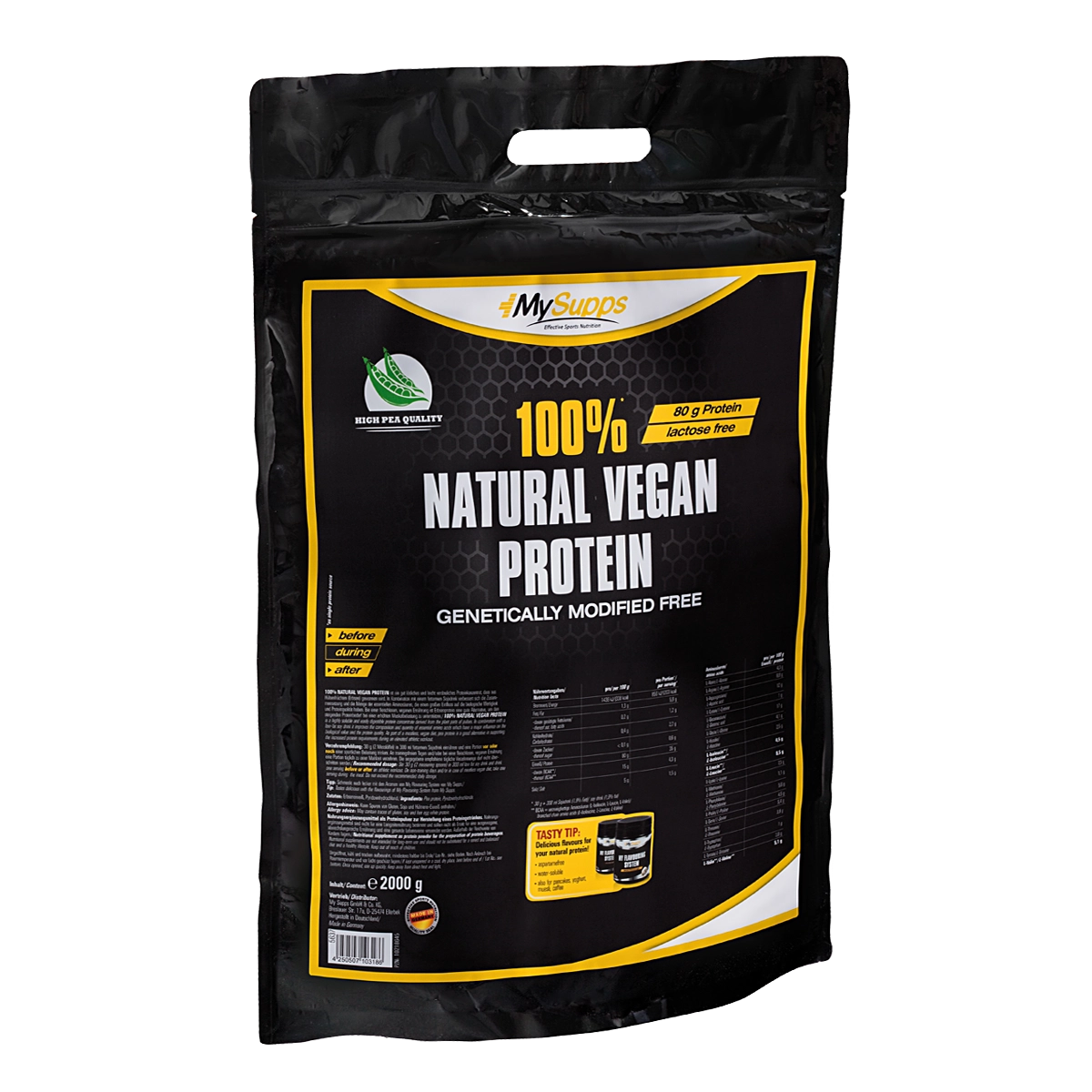
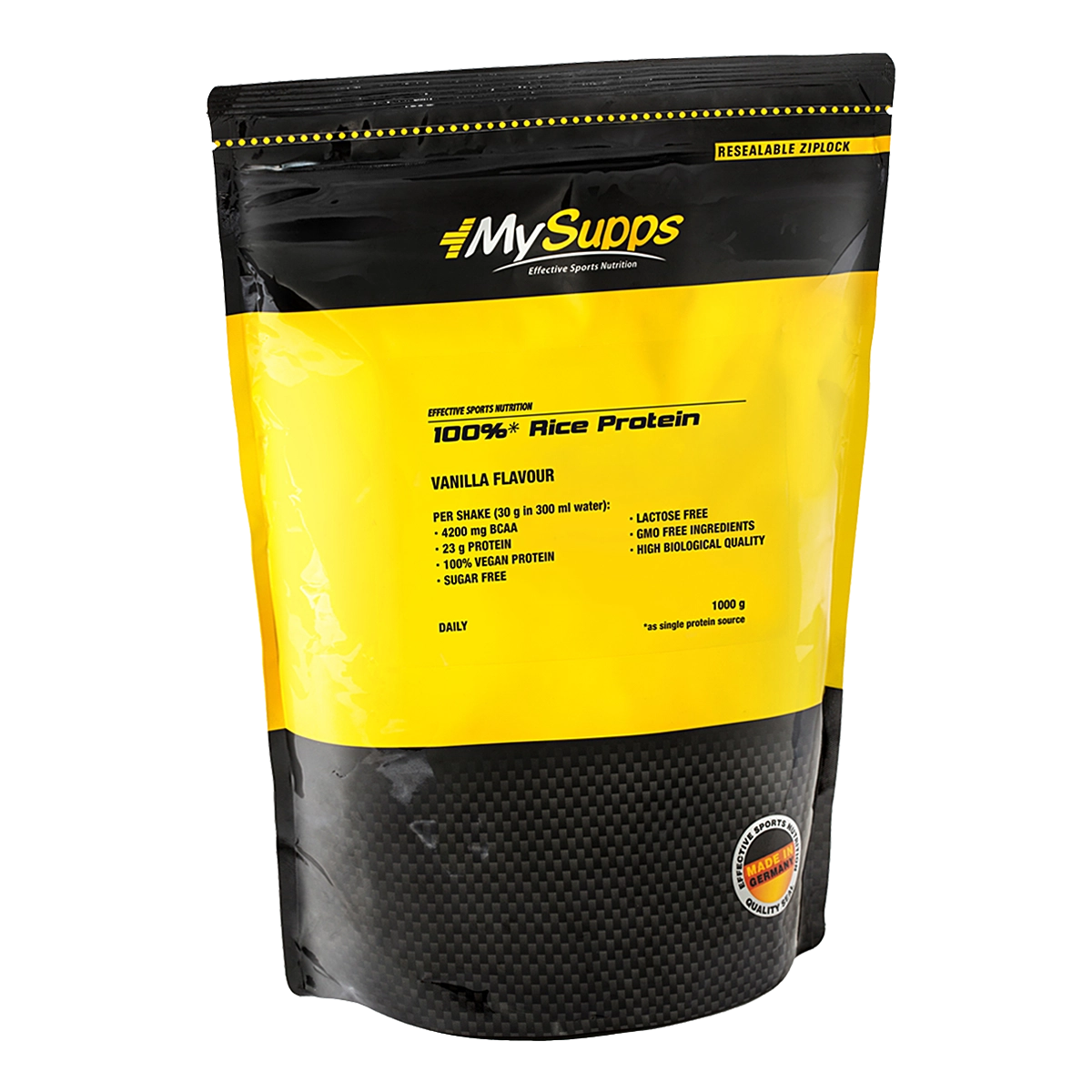
What are proteins anyway and what are they good for? How much protein per day makes sense? What’s the best way to consume them? We answer these questions and many more right here. So scroll down, keep reading, and become an expert when it comes to protein intake!
Proteins are also known as protein or protein substances and are the basic building blocks of human cells. They are among the essential nutrients. They are made up of amino acids.
They perform numerous physiological functions in the body. For example, they are involved in the building and maintenance of muscles and bones, in the formation of enzymes and hormones, in the production of antibodies, in the transmission of nerve impulses, and in cell regeneration. The fact is: the body cannot store proteins. Therefore, they must be consumed regularly through the daily diet. They are found in both animal and plant-based foods. Protein-rich foods include, for example, meat, fish, and dairy products, as well as legumes and soy products.
How much protein you should consume per day depends entirely on your personal goals. Do you want to boost muscle growth or maintain it? Do you want to lose weight? Depending on what you’re aiming for, the recommended daily intake and the type of protein will vary. We explain what really matters.
Extra tip: When choosing protein powders, make sure they contain added vitamin B6, as an increased protein intake also raises the need for vitamin B6. The recommended amount is 0.02 mg of vitamin B6 per 1.0 g of protein.
What are proteins?
What functions do proteins have?
How much protein per day?
Extra tip: When choosing protein powders, make sure they contain added vitamin B6, as an increased protein intake also raises the need for vitamin B6. The recommended amount is 0.02 mg of vitamin B6 per 1.0 g of protein.
Overview
Proteins (macromolecules) have been proven to contribute effectively to muscle growth. That’s why protein products are especially popular among strength athletes and bodybuilders. However, on their own they are not enough to build muscle. A prerequisite for healthy muscle growth is regular, progressive strength training. During training, the targeted muscles are put under stress. If a muscle is not accustomed to the load, it has to adapt. This means that these growth stimuli can trigger an increase in the thickness of individual muscle fibers, which in turn leads to an increase in the overall muscle cross-section. This is how muscle growth occurs.
To make this muscle growth possible, proteins serve as “building material”. The growth stimulus can only lead to muscle development if the body is supplied with sufficient protein. BODY ATTACK therefore recommends a daily protein intake of around two grams per kilogram of body weight (g/kg BW) for strength athletes. Depending on the timing of training (before training, after training, training-free days) and biological value, BODY ATTACK offers a wide range of effective protein products. This ensures an effective protein supply at all times.
To make this muscle growth possible, proteins serve as “building material”. The growth stimulus can only lead to muscle development if the body is supplied with sufficient protein. BODY ATTACK therefore recommends a daily protein intake of around two grams per kilogram of body weight (g/kg BW) for strength athletes. Depending on the timing of training (before training, after training, training-free days) and biological value, BODY ATTACK offers a wide range of effective protein products. This ensures an effective protein supply at all times.
In addition to strength athletes, endurance athletes also have an increased need for protein. According to specialist literature, the recommended values for endurance athletes range between 1.2 and 1.7 g/kg of body weight.
If the training body is not supplied with enough protein through the daily diet, it has to fall back on the body’s own protein stores. The result: muscle breakdown. Even under high levels of strain, such as those common in long-distance running, the body draws on its own protein reserves when energy stores are depleted. The body’s own protein is stored, for example, in the muscles. Once muscle mass is broken down, this can have a negative impact on performance.
For this reason, we recommend that endurance athletes not only consume energy-providing carbohydrates, but also high-quality proteins. But which foods are suitable? Particularly suitable are low-fat dairy products such as quark or skim milk, as well as turkey meat and legumes. Strength athletes can protect their hard-earned muscles from breakdown with a sufficient protein intake.
Adequate protein intake is therefore important for both endurance and strength athletes in order to protect valuable muscle mass. As a supplement to conventional protein sources, high-quality dietary supplements such as those from BODY ATTACK are ideally suited to cover the increased macronutrient requirements of athletes—regardless of sport or performance level.
If the training body is not supplied with enough protein through the daily diet, it has to fall back on the body’s own protein stores. The result: muscle breakdown. Even under high levels of strain, such as those common in long-distance running, the body draws on its own protein reserves when energy stores are depleted. The body’s own protein is stored, for example, in the muscles. Once muscle mass is broken down, this can have a negative impact on performance.
For this reason, we recommend that endurance athletes not only consume energy-providing carbohydrates, but also high-quality proteins. But which foods are suitable? Particularly suitable are low-fat dairy products such as quark or skim milk, as well as turkey meat and legumes. Strength athletes can protect their hard-earned muscles from breakdown with a sufficient protein intake.
Adequate protein intake is therefore important for both endurance and strength athletes in order to protect valuable muscle mass. As a supplement to conventional protein sources, high-quality dietary supplements such as those from BODY ATTACK are ideally suited to cover the increased macronutrient requirements of athletes—regardless of sport or performance level.
Reduced-carb, low-fat, or Atkins diets—all of these dietary concepts are based on a protein-rich diet. This is because protein is more filling and keeps you satisfied longer than foods high in fat or carbohydrates.
"[..] proteins make a stronger contribution to satiety and delay the return of hunger compared with fat and carbohydrates." (Anderson et al., 2004, 974S)
This enhanced satiety effect can, among other things, be attributed to hormones. When the body is supplied with protein through food, it stimulates the production of the body’s own satiety hormones. Depending on the type of protein, the release of these satiety hormones is thought to differ. However, this has not yet been sufficiently proven scientifically (cf. Whey Protein Report, 2013, 11).
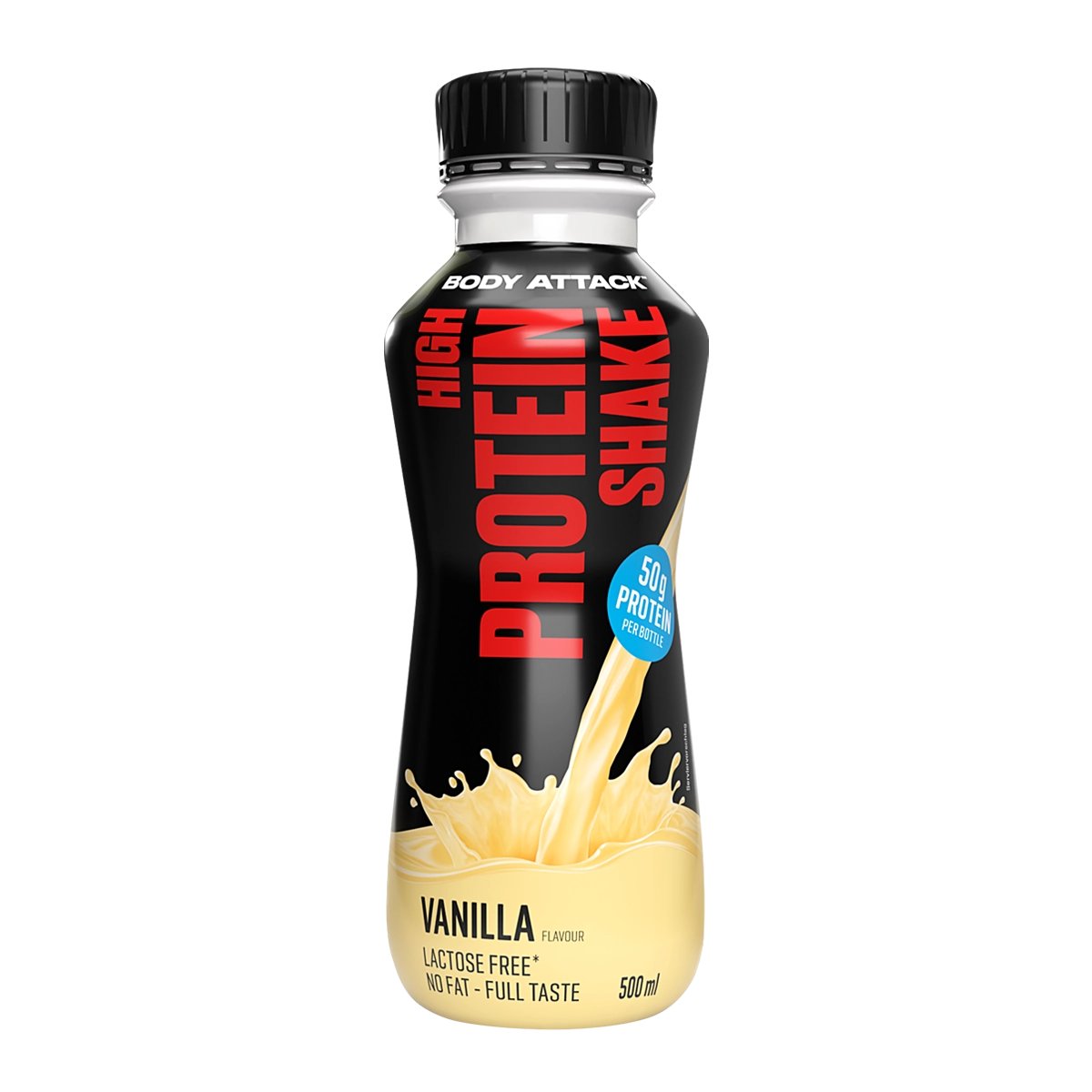
Proteins generally trigger a stronger feeling of fullness than carbohydrates and fats. As a result, less dietary energy is usually consumed over the course of the day. Proteins that are low in fat are therefore particularly suitable for people on a diet who want to reduce their weight by achieving a negative energy balance. Delicious shakes from BODY ATTACK provide high-quality protein and are also low in fat and calories.
In addition, an increased intake of macromolecules during a diet is recommended, as proteins are involved in muscle building. More muscle mass is generally associated with higher calorie expenditure. The higher the calorie burn, the easier it becomes—when combined with conscious nutrition—to achieve the negative energy balance required for weight loss.
"[..] proteins make a stronger contribution to satiety and delay the return of hunger compared with fat and carbohydrates." (Anderson et al., 2004, 974S)
This enhanced satiety effect can, among other things, be attributed to hormones. When the body is supplied with protein through food, it stimulates the production of the body’s own satiety hormones. Depending on the type of protein, the release of these satiety hormones is thought to differ. However, this has not yet been sufficiently proven scientifically (cf. Whey Protein Report, 2013, 11).
What is certain:
In addition, an increased intake of macromolecules during a diet is recommended, as proteins are involved in muscle building. More muscle mass is generally associated with higher calorie expenditure. The higher the calorie burn, the easier it becomes—when combined with conscious nutrition—to achieve the negative energy balance required for weight loss.
Proteins can be obtained from both plant-based and animal sources. Plant-based protein sources include legumes, such as soy and peas. Animal protein sources include meat, fish, and milk and dairy products. They differ primarily in their amino acid profile and their biological value.
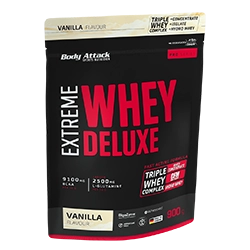
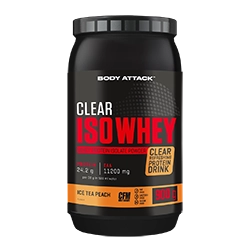
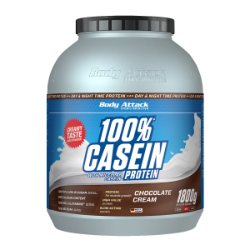
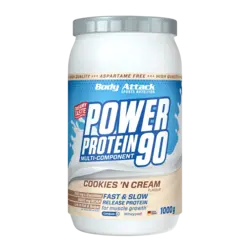
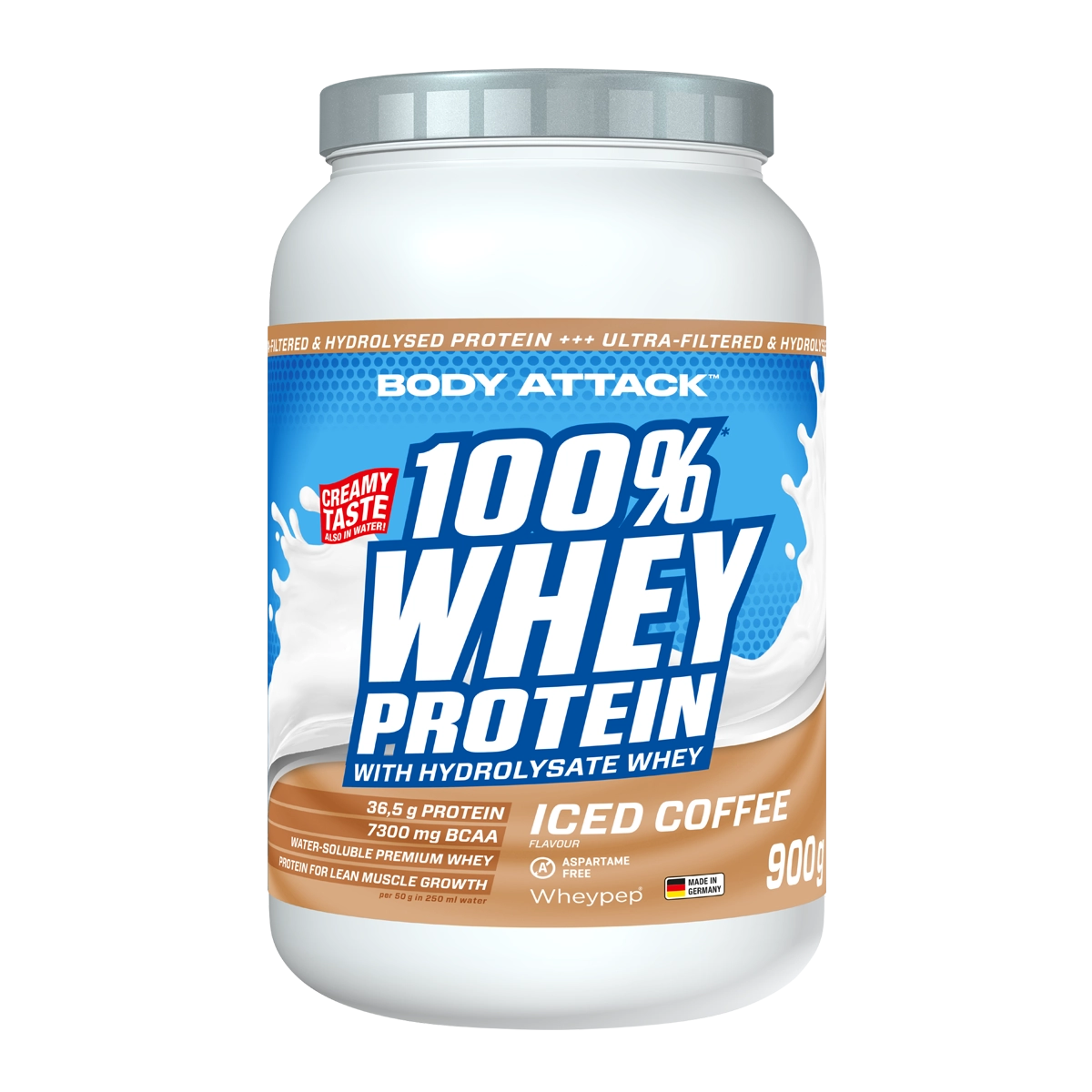
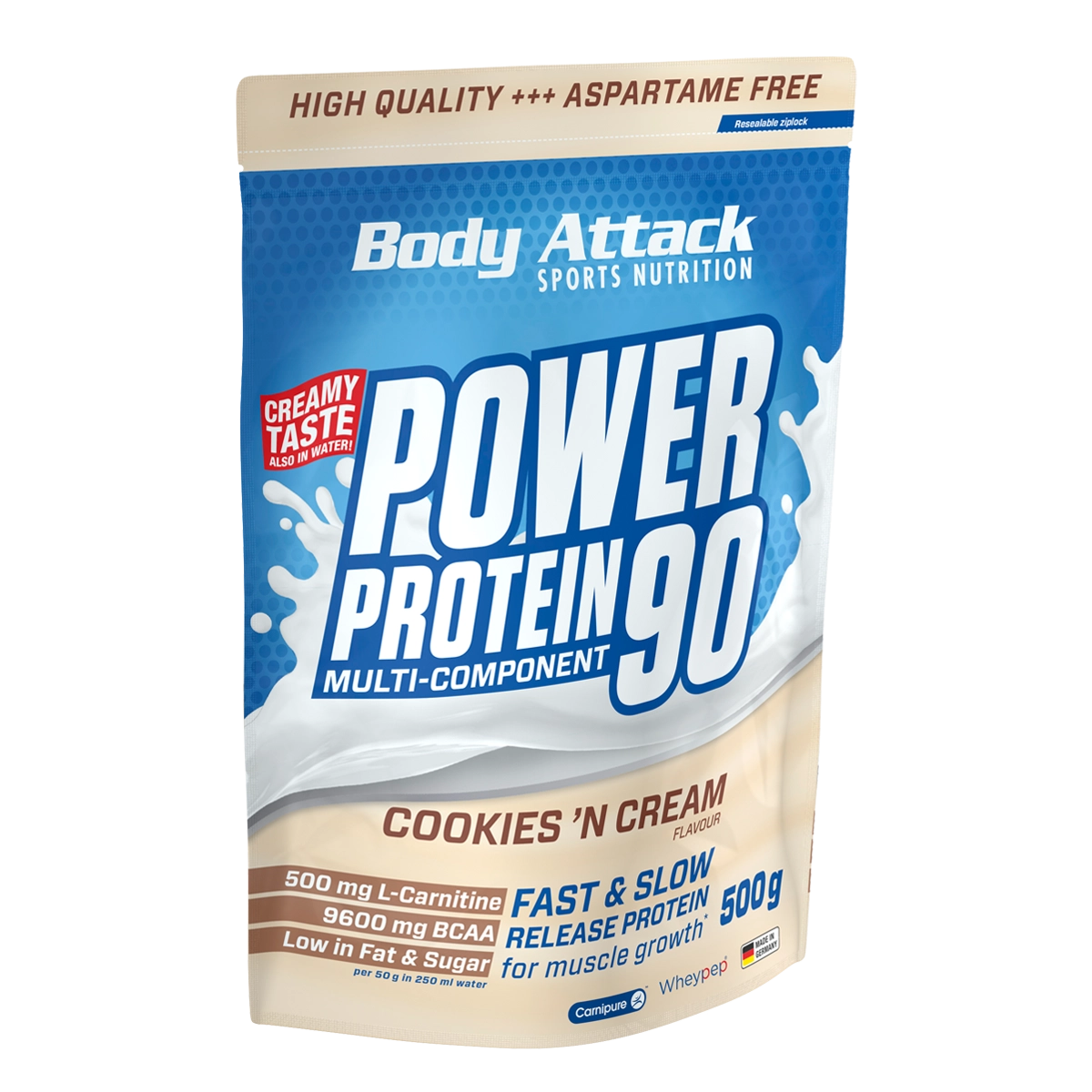
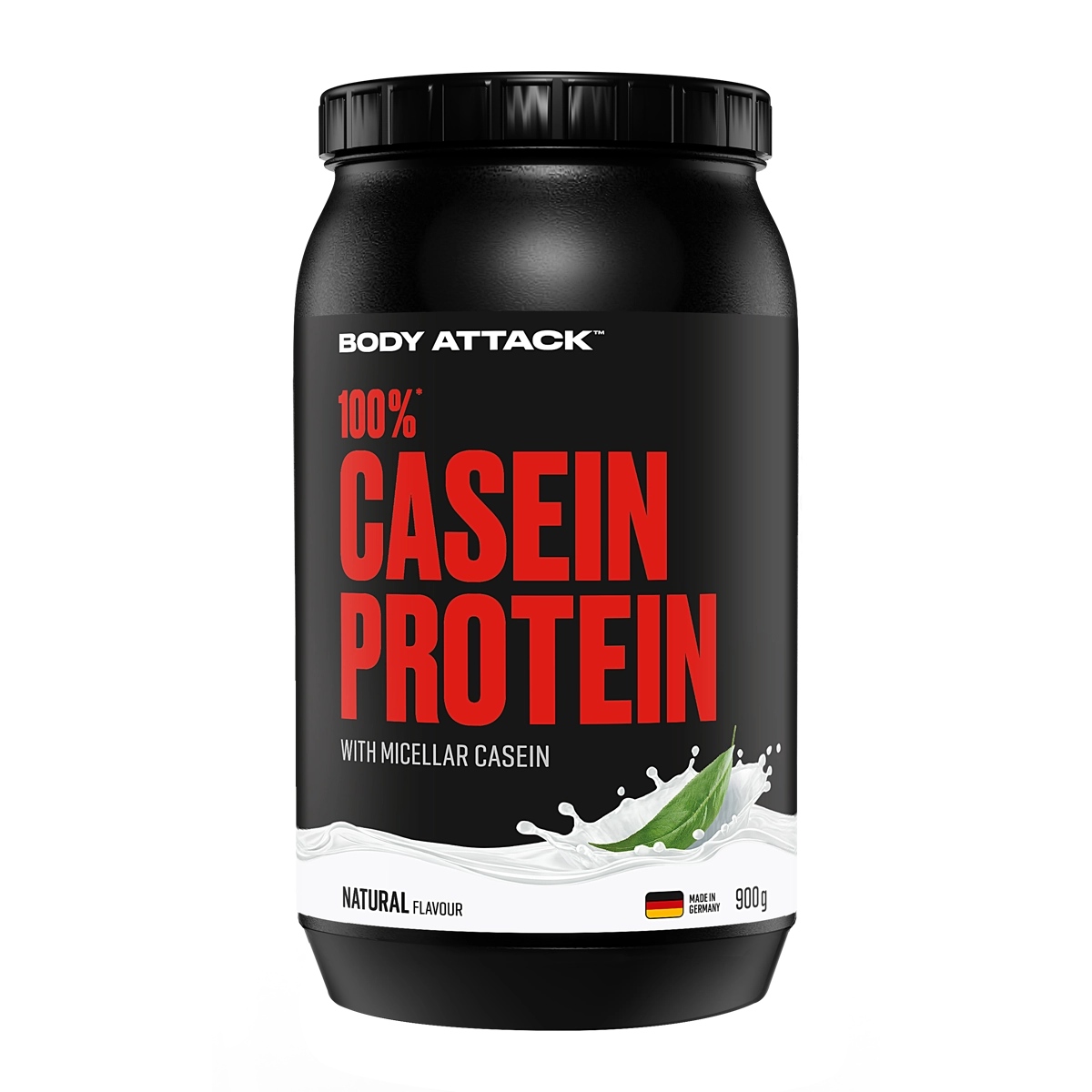
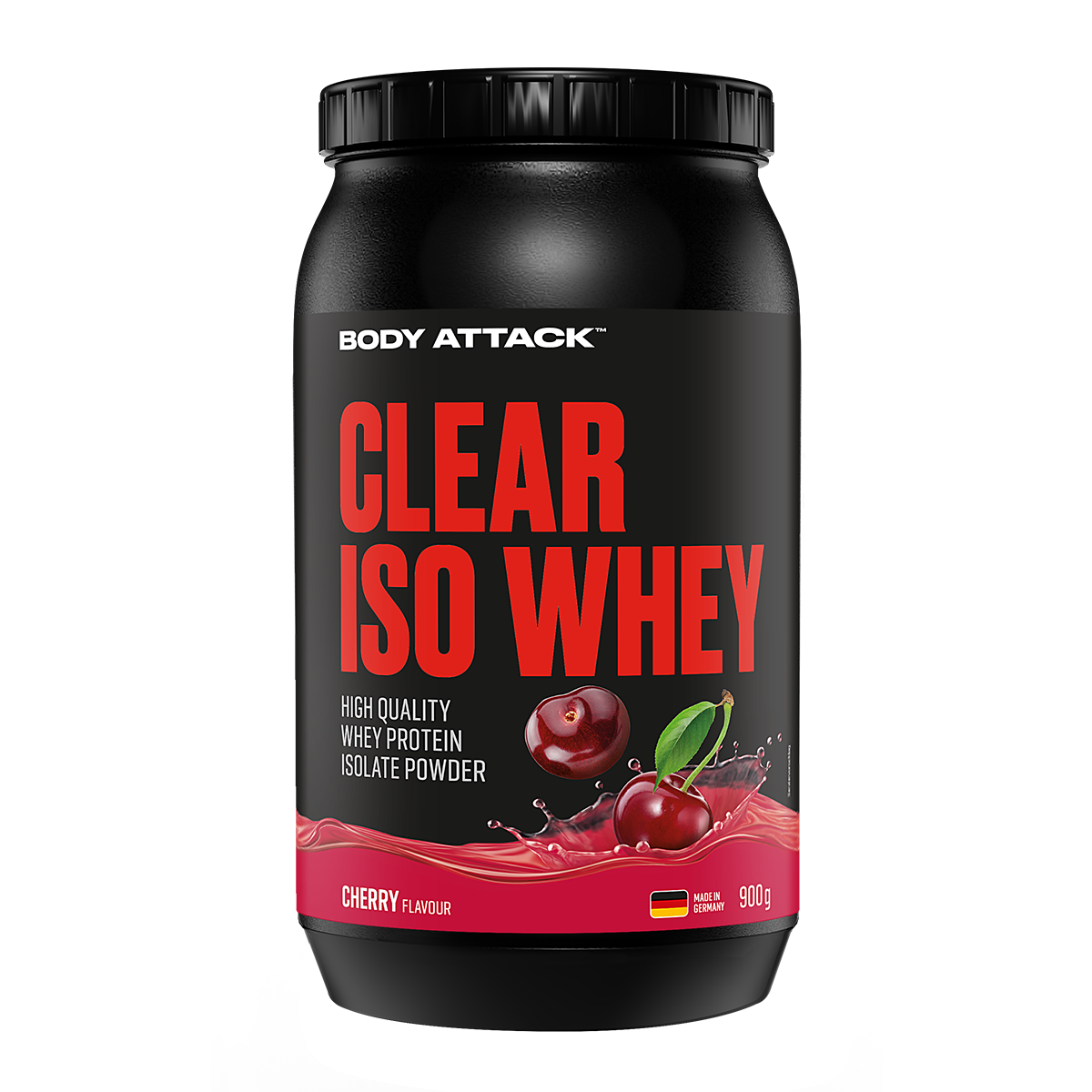
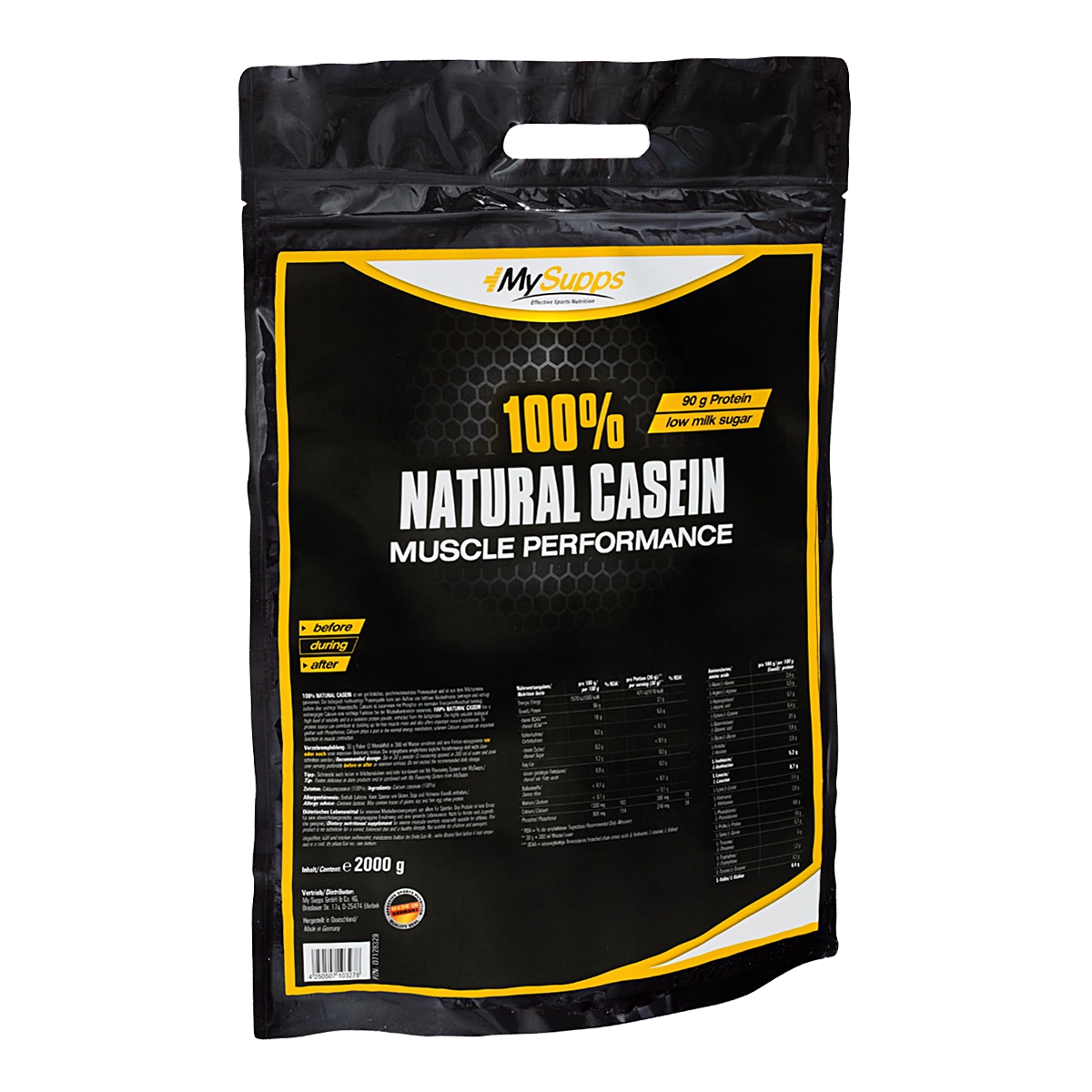
Whey protein and casein protein are both protein fractions found in milk. In addition to their biological value, they differ in the speed at which they are absorbed. Whey, for example, can be absorbed very quickly by the body and supply it with amino acids. Casein protein, on the other hand, is absorbed very slowly and is therefore often used as a nighttime protein. It is also very popular during a diet, as many people who are conscious of their figure rely on the long-lasting satiating effect of casein.
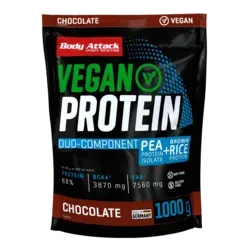
Vegan proteins, such as soy protein, are not only popular among vegans, as they achieve a relatively good biological value and can therefore also be used to support muscle growth. Choosing the right macronutrient supplement depends on your goals, your diet, and the intensity of your training.
Whey protein and casein protein are both protein fractions found in milk. In addition to their biological value, they differ in the speed at which they are absorbed. Whey, for example, can be absorbed very quickly by the body and supply it with amino acids. Casein protein, on the other hand, is absorbed very slowly and is therefore often used as a nighttime protein. It is also very popular during a diet, as many people who are conscious of their figure rely on the long-lasting satiating effect of casein.
Vegan proteins, such as soy protein, are not only popular among vegans, as they achieve a relatively good biological value and can therefore also be used to support muscle growth. Choosing the right macronutrient supplement depends on your goals, your diet, and the intensity of your training.
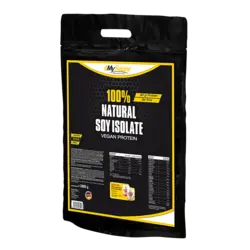
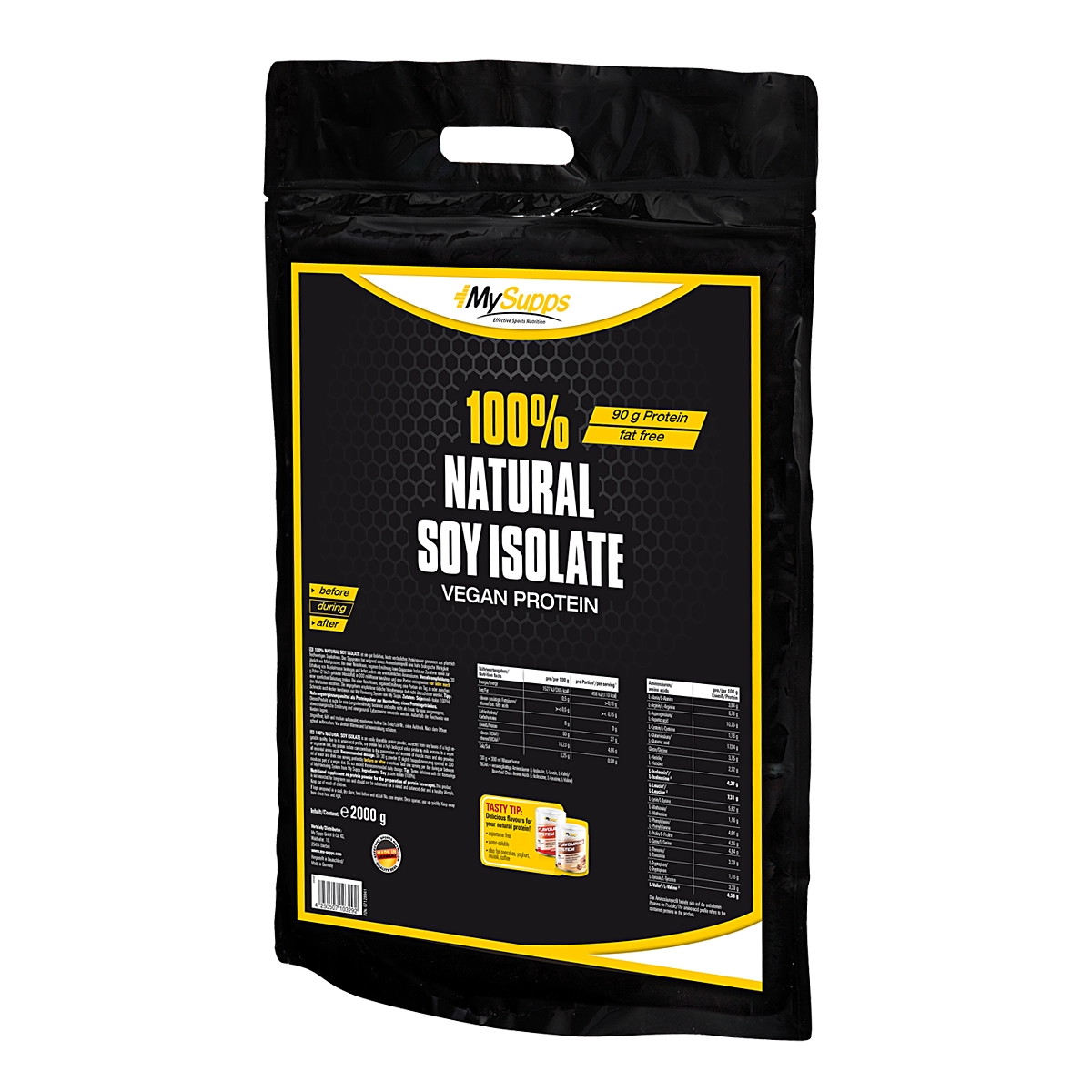
Soy protein is a plant-based protein that is free from cholesterol, lactose, and gluten.
Even though it is a plant-based protein, it has a relatively high biological value of 84, as it contains more essential amino acids than other plant-based protein sources (e.g. wheat, peas) and can therefore compete with many animal-based protein products.
As an alternative protein source, plant-based soy protein is therefore suitable for vegetarians and vegans, as well as for people who suffer from lactose or gluten intolerance. The isolate provides essential and non-essential amino acids in a balanced ratio. This plant-based protein contributes to the building and maintenance of muscle mass as well as to the maintenance of normal bones.
Even though it is a plant-based protein, it has a relatively high biological value of 84, as it contains more essential amino acids than other plant-based protein sources (e.g. wheat, peas) and can therefore compete with many animal-based protein products.
As an alternative protein source, plant-based soy protein is therefore suitable for vegetarians and vegans, as well as for people who suffer from lactose or gluten intolerance. The isolate provides essential and non-essential amino acids in a balanced ratio. This plant-based protein contributes to the building and maintenance of muscle mass as well as to the maintenance of normal bones.
Egg protein, also known as egg white protein, is still considered THE ultimate competition protein. Unlike milk protein, it reduces water retention under the skin and can therefore lead to improved muscle definition and greater muscle hardness.
Egg protein enables a long-lasting supply of amino acids to the muscle cells and can thus support muscle growth. It is particularly rich in BCAA amino acids, which promote fast recovery and help prevent muscle breakdown after intense training sessions. Egg protein also has a high biological value, which indicates how efficiently dietary protein can be converted into the body’s own protein. In addition, it is free from gluten, purines, and fructose, and is low in lactose.
Egg protein enables a long-lasting supply of amino acids to the muscle cells and can thus support muscle growth. It is particularly rich in BCAA amino acids, which promote fast recovery and help prevent muscle breakdown after intense training sessions. Egg protein also has a high biological value, which indicates how efficiently dietary protein can be converted into the body’s own protein. In addition, it is free from gluten, purines, and fructose, and is low in lactose.
- You should not consume more protein than recommended, as a higher intake does not provide any additional benefits.
- To positively influence muscle growth, carbohydrates should be consumed in addition to protein.
- Protein products with added vitamin B6 should be preferred. Ideally: 0.02 mg per 1.0 g of protein.
- Protein-based dietary supplements can be useful in the short term during a very strict diet, periods of very high physical strain, or with an unbalanced diet, but they cannot fully replace a balanced nutrition.
Source: Anderson, G.H./ Moore, S.E. (2004): The Emerging Role of Dairy Proteins and Bioactive Peptides in Nutrition and Health. Dietary Proteins in the Regulation of Food Intake and Body Weight in Humans. Review published in: Journal of the American College of Nutrition, Vol. 134, No. 4, 974S–979S., Whey Protein Report, 2013, Body Attack Sports Nutrition. Image source: Body Attack / Shutterstock (Deymos Photo, Curioso, Somchai Som, Nattika)